To Be Twenty
It starts like a sun-drenched dream, doesn't it? Two young women, Lia and Tina, hitchhiking through the Italian countryside, brimming with the seemingly boundless freedom promised by the late 1970s. The initial frames of Fernando Di Leo's To Be Twenty (Avere vent'anni, 1978) lull you into expecting a breezy, perhaps slightly provocative, tale of youthful exploration, the kind often found nestled in the 'Foreign Films' section of the old video store, hinting at European sensibilities and liberated attitudes. But Di Leo, a maestro of the gritty Italian crime thriller (Poliziotteschi) like Milano Calibro 9 (1972), had something far more complex and ultimately devastating in mind. This isn't just sunshine and rebellion; it's a journey that spirals into a harrowing confrontation with a reality far harsher than the characters, or perhaps even the initial audience, ever anticipated.
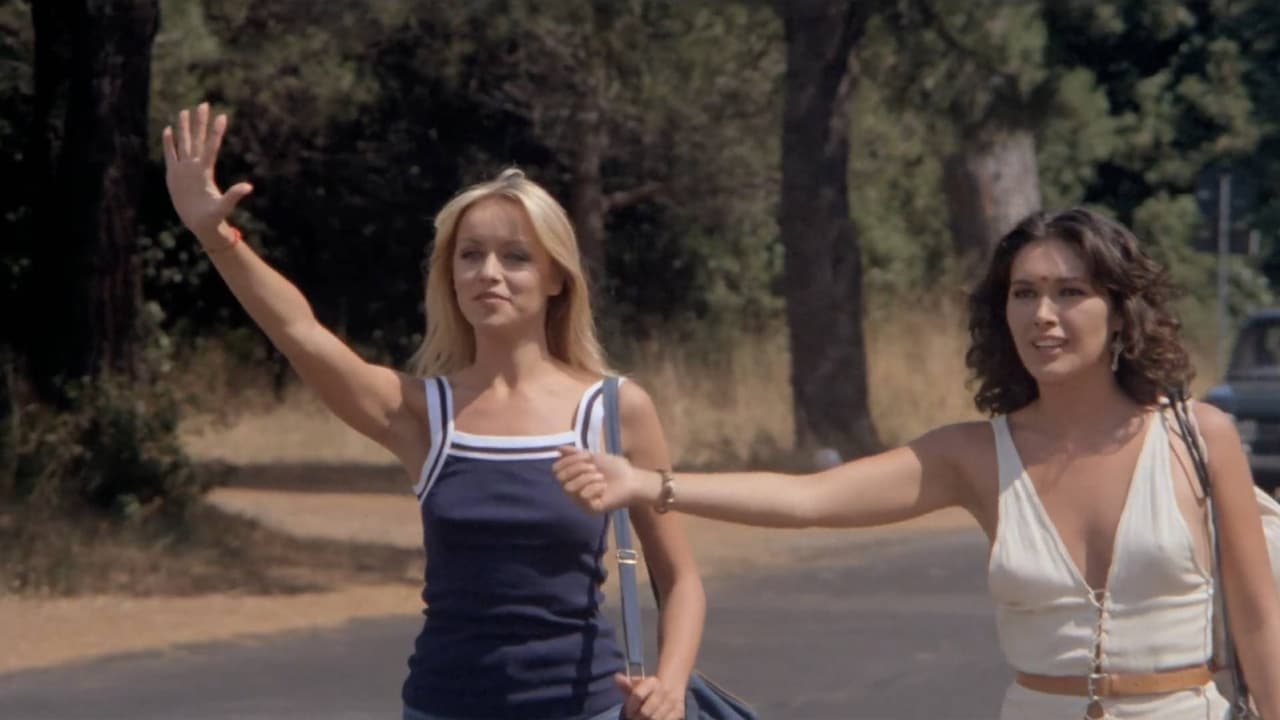
An Illusion of Freedom
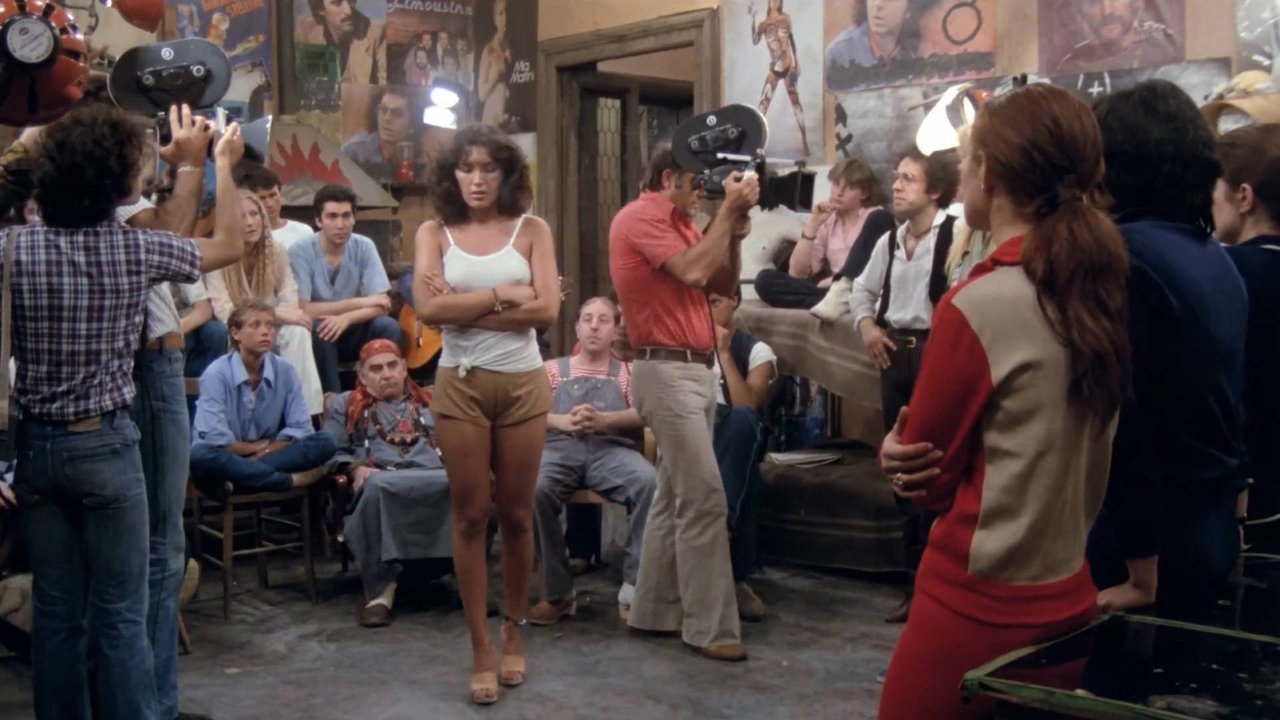
The setup feels almost idyllic, albeit with the characteristic frankness of European cinema of the era. Lia (Gloria Guida) and Tina (Lilli Carati) meet by chance, two free spirits shedding societal constraints, seeking adventure and self-discovery. Their travels lead them to a rural commune, a microcosm of counter-culture ideals populated by artists, intellectuals, and dropouts, including the cynical Rico, played with a familiar weariness by Ray Lovelock (a face many will recognise from numerous Italian genre outings like The Living Dead at Manchester Morgue (1974)). For a while, the film explores their liberated lifestyle, their casual attitudes towards sex, and their rejection of bourgeois values. Guida and Carati, both prominent figures in the lighter Italian erotic comedies (commedia sexy all'italiana) of the period, initially embody this carefree spirit with a natural charm. They capture that specific blend of naivete and bold curiosity that defined so much youth culture imagery of the time.
The Di Leo Shadow
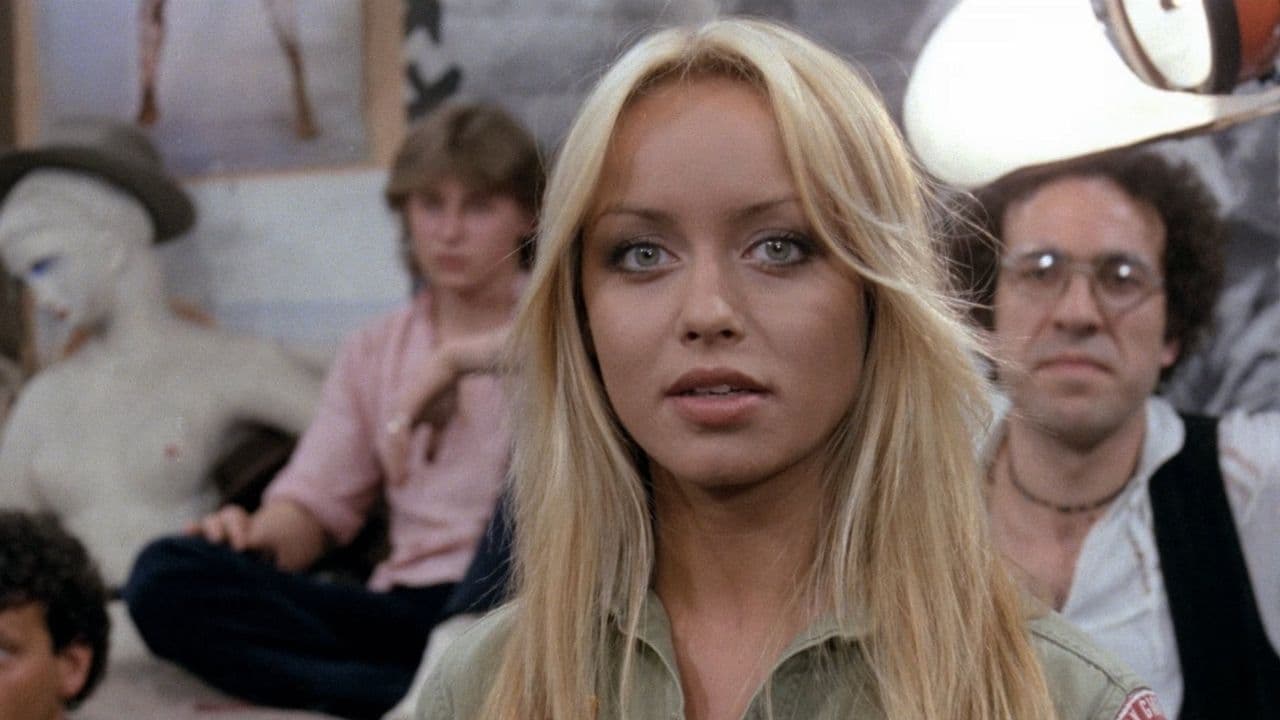
Yet, even in these early scenes, the shadow of director Fernando Di Leo looms. Known for his cynical worldview and unflinching portrayal of violence in films like Manhunt (La Mala Ordina, 1972), he subtly weaves threads of unease. The commune, meant to be a haven, reveals its own hypocrisies and limitations. The philosophical debates feel tinged with disillusionment, and the pursuit of pleasure seems increasingly detached from genuine connection. Di Leo uses the sun-drenched landscapes not just to depict beauty, but to create a stark contrast with the darkness lurking beneath the surface of this supposed utopia. He observes his characters with a detached, almost anthropological eye, refusing to romanticize their choices or shield them from the potential consequences.
More Than Meets the Eye: Controversy and Cuts
Understanding To Be Twenty requires delving into its troubled history, a story as dramatic as anything on screen. This isn't just trivia; it's fundamental to the film's identity. Upon its initial release, the film faced severe backlash from Italian censors, primarily due to its incredibly bleak and violent climax. Di Leo was forced to make substantial cuts, removing the final harrowing sequence entirely and tacking on a ridiculously upbeat, nonsensical ending cobbled together from earlier footage. This drastically altered version was a commercial flop and misrepresented the director's stark vision.
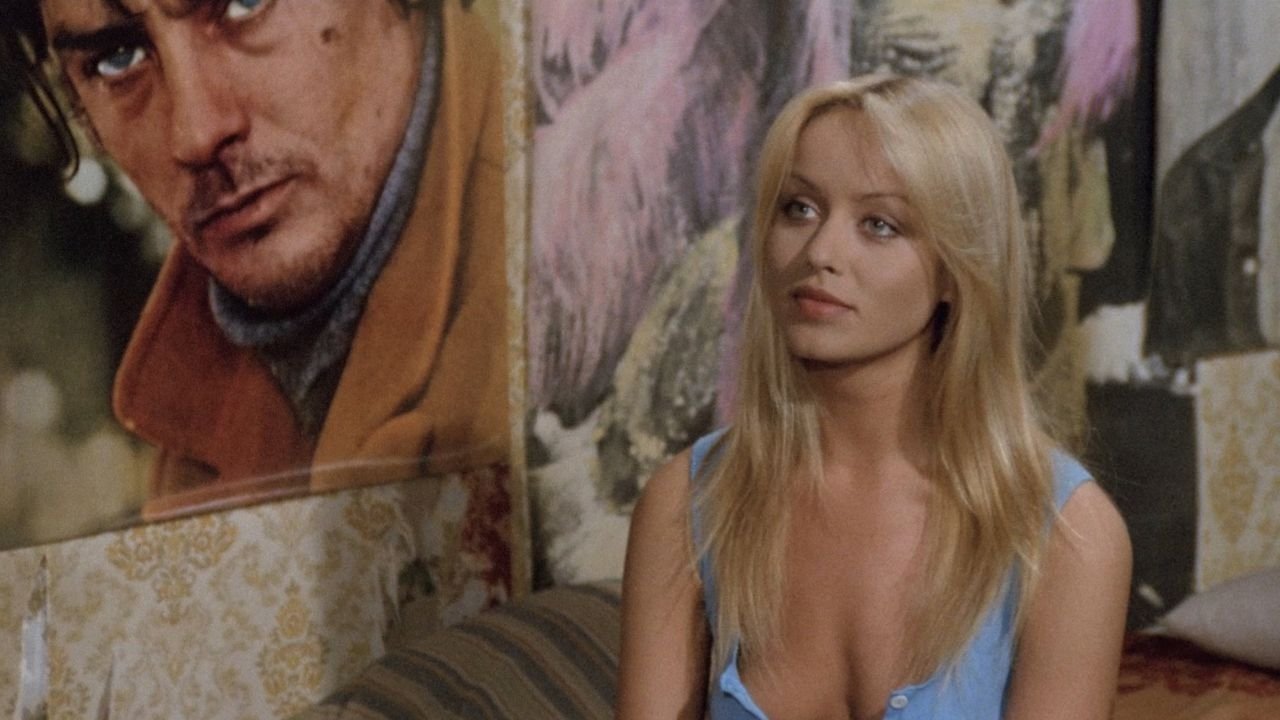

For years, To Be Twenty existed primarily in this compromised form, a strange beast that started as a provocative social commentary and ended as... well, not much at all. It became a piece of cult lore, whispered about by those who knew of the legendary "lost ending." Thankfully, restorations eventually surfaced, piecing together Di Leo's original, brutal vision from prints found outside Italy. Seeing the film as intended reveals its true power and devastating thesis: that the perceived freedoms of the era offered little protection against the entrenched brutality and hypocrisy of the established order. The original ending (Spoiler Alert!) involving a horrifying sexual assault and murder by a group of right-wing thugs, is gut-wrenching and unforgettable. It transforms the film from a potentially dated piece of erotic exploration into a savage indictment of societal violence and the vulnerability of those who dare to live outside its norms. This context is crucial – the film many might have rented on a fuzzy VHS tape back in the day was likely not the film Di Leo made.
Performances Under Duress
Knowing the film's intended trajectory adds another layer to appreciating the performances of Gloria Guida and Lilli Carati. While initially playing within the expectations of their established screen personas, the demands of the film's latter half, particularly in the uncut version, required far more. They portray the shattering of innocence and the terrifying descent into powerlessness with a rawness that transcends the film's exploitation elements. Their journey from confident rebels to victims is a difficult watch, but their commitment feels palpable. It’s a stark reminder of the often challenging material actresses navigated within the less regulated landscape of 70s European genre filmmaking.
A Difficult Legacy
Does To Be Twenty still resonate today? It's undeniably a product of its time, reflecting specific anxieties about the fading promises of the 60s counter-culture and the socio-political tensions of Italy's "Years of Lead." The sexual politics can feel uncomfortable, teetering between exploration and exploitation. Yet, Di Leo's underlying message about the fragility of freedom and the lurking potential for violence against non-conformity feels chillingly relevant. The film forces us to confront uncomfortable questions about societal judgment, the illusion of safety, and the often-brutal consequences faced by those who challenge the status quo. What begins as a seemingly nostalgic trip back to a more 'liberated' time becomes a stark reminder that progress is often met with violent resistance.
Watching it now evokes a different kind of nostalgia – not just for the era depicted, but for the experience of uncovering challenging, sometimes shocking, cinema on VHS. Finding a film like To Be Twenty, especially if you managed to track down a more complete version, felt like discovering a hidden, dangerous truth, far removed from the sanitized offerings of the mainstream. It wasn't always comfortable, but it was unforgettable.
Rating: 7/10
Justification: The film is undeniably flawed and deeply uncomfortable, particularly its brutal climax which borders on overwhelming nihilism. The abrupt tonal shift can be jarring. However, Fernando Di Leo's direction is assured, the performances (especially from Guida and Carati) are committed, and the film's troubled history adds a fascinating layer. In its intended, uncut form, it stands as a powerful, if deeply pessimistic, statement about its time, elevated beyond simple exploitation by its raw anger and social critique. The 7 reflects its impact and importance as a piece of challenging Italian cult cinema, acknowledging its difficult nature prevents a higher score.
To Be Twenty isn't an easy watch, nor is it meant to be. It lingers long after the credits roll, a potent cocktail of youthful dreams curdled by harsh reality, leaving you to ponder the true cost of freedom in a world not quite ready for it.
You Might Also Enjoy
The Doom Generation
1995
Bad Boy Bubby
1993
Gummo
1997
Of Freaks and Men
1998
The Acid House
1998
The Green Elephant
1999
Ecce Bombo
1978
Beneath the Valley of the Ultra-Vixens
1979
Motel Hell
1980
Pepi, Luci, Bom
1980
Return to the 36th Chamber
1980
Who's Singin' Over There?
1980
Basket Case
1982
The Last Horror Film
1982