I'm Shy, But I'll Heal
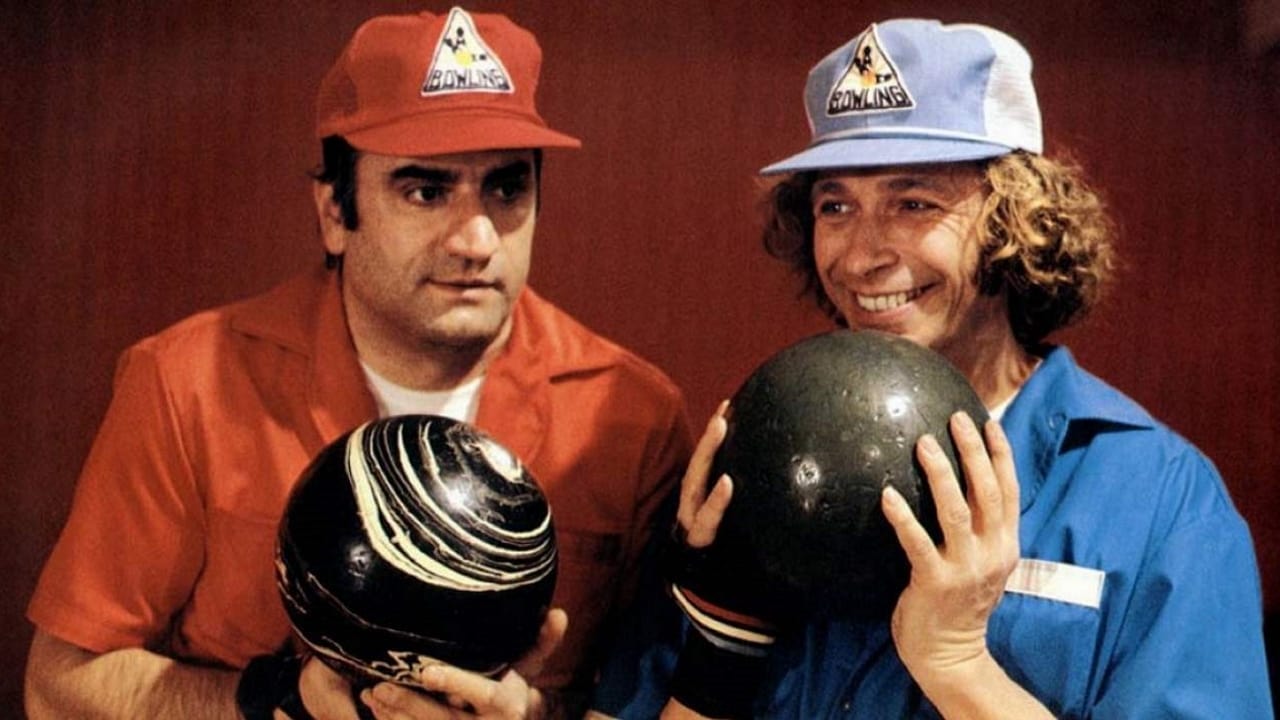
Ah, Pierre Richard. Just the name conjures an image: that distinctive shock of blond hair, the slightly bewildered expression, and a body seemingly predisposed to elegant calamity. Before the high-concept American comedies dominated the video store shelves in the 80s, there was a rich vein of European humor finding its way onto VHS, often feeling both charmingly familiar and delightfully foreign. Richard, France's beloved king of gentle slapstick, co-wrote, directed, and starred in 1978's I'm Shy, But I'll Heal (Original title: Je suis timide mais je me soigne), a film that perfectly encapsulates his on-screen persona: the well-meaning klutz navigating a world seemingly designed to trip him up.
The Agony of Awkwardness
The premise is beautifully simple, tapping into a near-universal feeling: debilitating shyness. Richard plays Pierre Renaud, a hotel cashier whose social anxiety is so extreme it borders on paralyzing. The mere presence of an attractive woman, particularly the radiant Agnès (played with effortless charm by Mimi Coutelier), sends him into spirals of stammering, blushing, and physical disintegration. His quest isn't for world domination or untold riches; it's simply to overcome his shyness enough to maybe, just maybe, talk to the girl. It’s a relatable vulnerability pushed to the point of comedic absurdity.
What makes the film work, beyond the inherent sympathy we feel for Pierre, is the sheer dedication to visual comedy. Richard, a master physical comedian often compared to the likes of Chaplin or Tati, uses his entire being as an instrument of awkwardness. A simple attempt to check someone in becomes a ballet of fumbled keys and collapsing composure. His pursuit of Agnès, who is completely oblivious to his existence initially, takes him from Paris to the sunny climes of Nice and the luxurious Hotel Negresco, a playground for increasingly elaborate (and disastrous) attempts to conquer his affliction.
Contrasting Forces and Comic Set Pieces
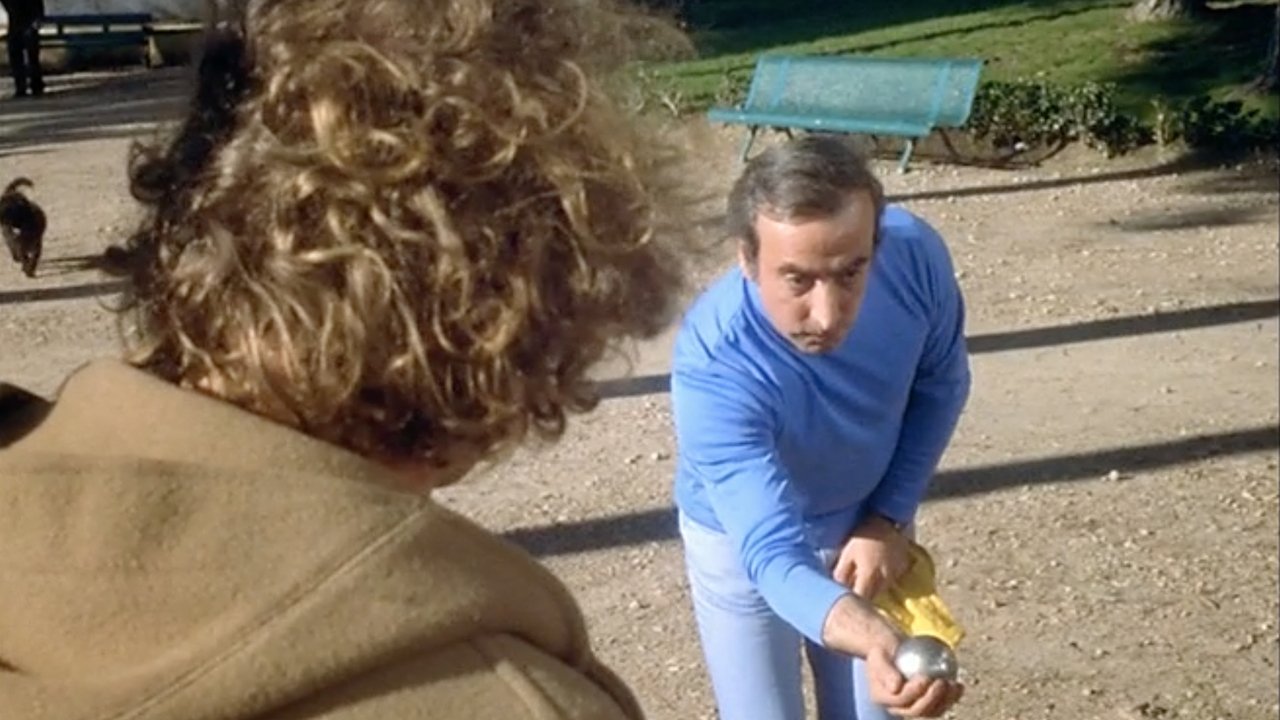
The film cleverly pairs Richard's shrinking violet with the force of nature that is Aldo Maccione as Aldo Ferrari, a self-proclaimed confidence guru and inveterate womanizer. Maccione, himself a comedic presence known for his flamboyant Italian charm (often deployed in French cinema), serves as both mentor and rival. He represents everything Pierre is not: smooth, self-assured, utterly unburdened by self-doubt. Their interactions are a highlight, with Aldo offering dubious advice and often inadvertently benefiting from Pierre's romantic catastrophes. The dynamic is classic comedic foil territory, executed with Gallic flair.
Director Richard sets up numerous memorable sequences. Pierre attempts various "cures" for his shyness, often involving ludicrous self-help tapes or exercises, leading to public displays of spectacular failure. There's a delightful sequence involving mirrored sunglasses meant to hide his gaze, which inevitably causes more problems than it solves. Another involves trying to emulate Aldo's confident stride, resulting in pure physical comedy gold. It's not subtle, but it's performed with such commitment and inventive staging that it remains genuinely funny. The pacing is leisurely, allowing the gags time to breathe and build, a contrast to the often frantic cutting of later comedies.
Behind the Blushes: A Labour of Love (and Clumsiness)
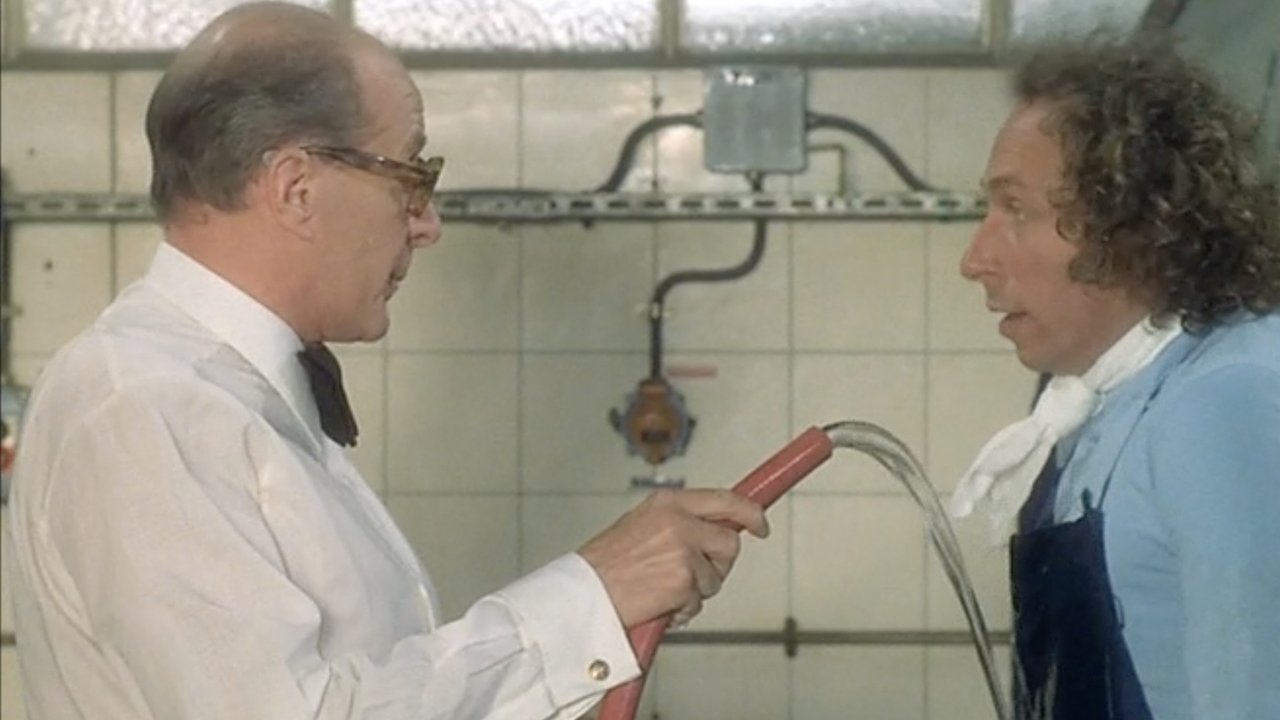
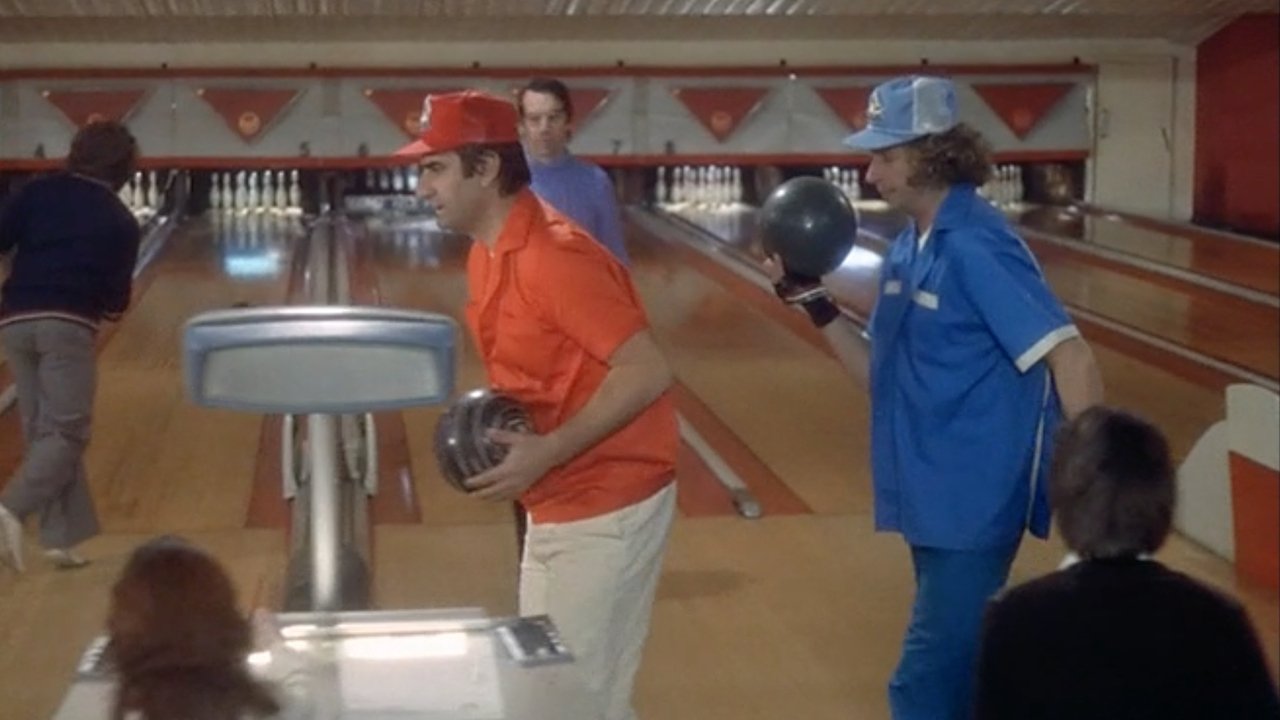
Knowing that Pierre Richard wasn't just the star but also the co-writer and director adds another layer of appreciation. This film feels intensely personal, a comedic exploration of an insecurity perhaps familiar to its creator. Filming on location, particularly at the opulent Hotel Negresco in Nice, provides a sun-drenched, glamorous backdrop that contrasts beautifully with Pierre's internal turmoil and external pratfalls. Imagine the controlled chaos of staging Richard's elaborate physical gags amidst the genuine elegance (and presumably, actual guests) of such a famous establishment!
While specific budget figures are hard to pin down precisely for its era, Je suis timide mais je me soigne was a significant success in France upon its release, drawing over 2.5 million viewers. It solidified Richard's status as a leading comedic force and proved his directorial talents extended perfectly to the kind of comedy he embodied so well. It’s the sort of film that likely found a happy home on rental shelves internationally, offering a gentler, more character-driven alternative to the brash American comedies rising to prominence. It’s easy to imagine stumbling upon this on a dusty VHS tape, perhaps drawn in by the familiar face of Richard from The Tall Blond Man with One Black Shoe (Le Grand Blond avec une chaussure noire), and being utterly charmed by its low-key absurdity.
Lasting Impressions
Does I'm Shy, But I'll Heal feel dated? In some ways, certainly. The pacing is decidedly 70s, and the gender dynamics are of their time. Agnès, while appealing, is more of a beautiful object of desire than a fully fleshed-out character. Yet, the core of the film – the relatable pain of shyness and the masterful physical comedy of its star – remains timeless. Pierre Richard's performance is a masterclass in vulnerability and slapstick timing. You root for Pierre, you laugh at his misfortunes, and you ultimately feel a warmth towards his gentle, bumbling spirit.
It’s a film that doesn’t aim for biting satire or deep social commentary. Its goal is simpler: to make you chuckle, to perhaps make you feel a little less alone in your own moments of awkwardness, and to showcase the unique comedic gifts of its creator. It achieves this with a charming sincerity that’s hard to resist.
Rating: 7/10
Justification: The film earns a solid 7 for Pierre Richard's brilliant physical comedy and endearing central performance, the effective comedic pairing with Aldo Maccione, and its genuinely charming, good-natured spirit. It delivers consistent chuckles and some truly memorable set pieces. It loses points for its somewhat dated pacing and the underdevelopment of the female lead, but its core appeal remains strong.
Final Thought: In an era before CGI smoothed over every comedic stunt, there's a special joy in watching a master like Richard physically commit to the gag, reminding us of the simple, potent pleasure of well-executed slapstick rooted in relatable human frailty. A gentle gem worth rediscovering.
You Might Also Enjoy
An Unmarried Woman
1978
Get Out Your Handkerchiefs
1978
Love on the Run
1979
Manhattan
1979
My American Uncle
1980
The Stunt Man
1980
The Aviator's Wife
1981
The Four Seasons
1981
Abbas in Flower
1982
Station for Two
1982
First Name: Carmen
1983
My Best Friend's Girl
1983
Blame It on Paradise
1985
About Last Night...
1986