The Gambler
Okay, pull up a chair, maybe pour yourself something smooth. Let's talk about a certain kind of film that used to populate entire shelves down at the local video rental spot, especially if you knew where to look. I'm thinking about those vibrant, passionate, often predictable, yet undeniably magnetic Mexican productions, particularly the ones starring the king himself, Vicente Fernández. Finding the specific tape could sometimes be an adventure – was it El Tahur? Was it something else entirely? The boxes often blurred together, but the promise was always the same: music, machismo, romance, and Fernández's million-watt charisma. Tonight, we're settling in with El Embustero (often translated or remembered simply as 'The Swindler' or even mistaken for 'The Gambler' titles given the recurring themes), released back in 1985.
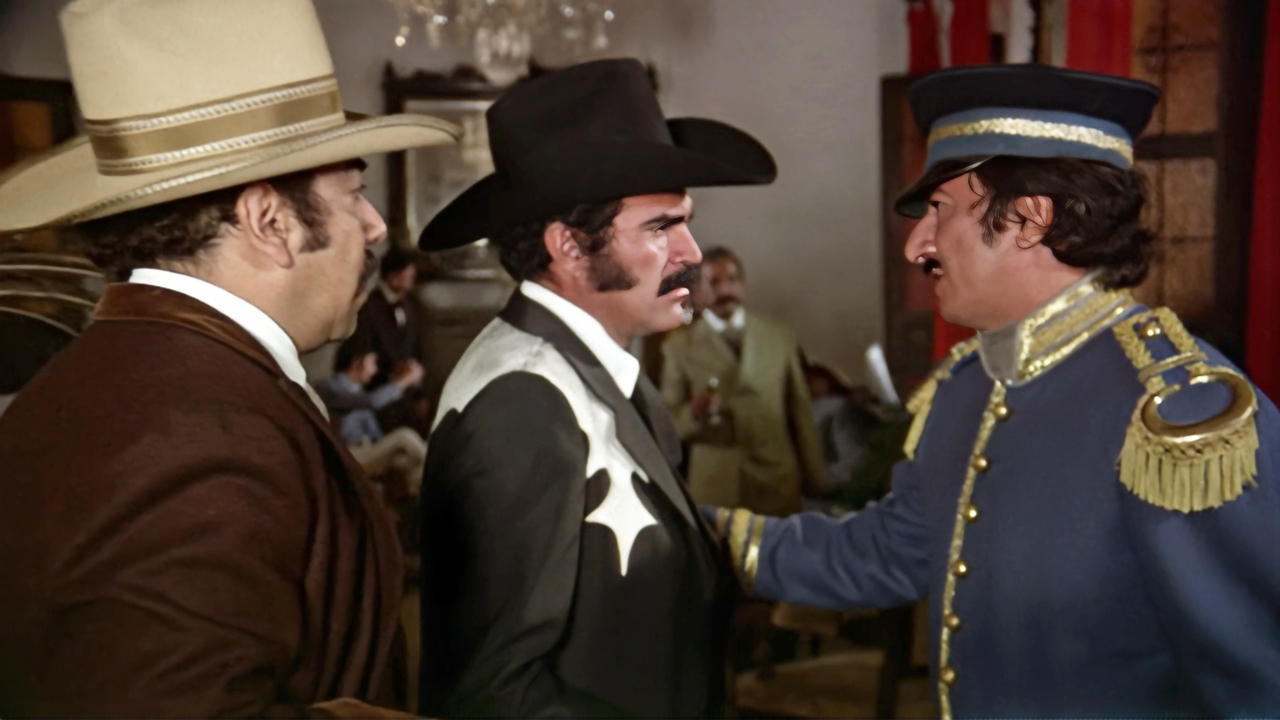
Charisma on Full Display
Right from the opening chords of the first song – and you knew there would be songs – El Embustero establishes its territory. Directed by the prolific Rafael Villaseñor Kuri, who helmed countless popular Mexican films, this isn't aiming for subtle arthouse contemplation. It's aiming straight for the heart of Fernández's fanbase, delivering a familiar, comforting blend of melodrama, light action, and, of course, those powerful ranchera ballads. The plot itself feels almost like a well-loved melody – Fernández plays Vicente, a charming rogue (the titular "embustero") whose silver tongue and good looks get him into and out of trouble, particularly concerning matters of the heart and perhaps a bit of shady dealing. You know the type: flawed, maybe even a liar, but ultimately possessing a core of decency that Fernández projects so effortlessly.
Seeing Vicente Fernández on screen in these 80s films is always a reminder of his unique star power. He wasn't just an actor; he was a force of nature, embodying a specific archetype of Mexican masculinity – proud, passionate, fiercely loyal, and always ready with a song. His acting might not have had the technical precision of some, but its authenticity resonated deeply. When he sang, pouring his heart out over lost love or wounded pride, you believed him. It's that raw conviction that elevates these films beyond simple genre exercises. There's a reason his concerts sold out stadiums and his records went platinum; that same larger-than-life presence fills the screen here. It’s fascinating to remember that Fernández often had considerable influence over his film projects, sometimes producing or co-producing, ensuring they aligned with his image and musical showcases. These weren't just movies; they were extensions of the Vicente Fernández brand, and wildly successful ones at that, especially in Mexico and across Latin America.
Familiar Faces, Familiar Comforts
Alongside Fernández, we get the stunning Sasha Montenegro, a frequent co-star and a major screen presence in her own right. Their chemistry is palpable, fitting the often fiery but ultimately devoted romantic pairings typical of the genre. Montenegro brings glamour and a necessary counterpoint to Fernández's roguish charm. And then there's the legendary Mario Almada, an absolute icon of Mexican action and western films. Seeing Almada show up usually meant things were about to get serious. His stoic intensity, often playing lawmen or formidable rivals, provided a perfect foil to Fernández’s more flamboyant character. His presence here lends the film a welcome dose of grit. Does the plot hold massive surprises? Honestly, probably not for seasoned viewers of the genre. But isn't there a certain comfort in that familiarity, like revisiting an old friend?
These films were often shot efficiently, likely on modest budgets compared to Hollywood fare ($X million budgets were common, maybe yielding multiples of that in their target markets). Yet, they often made great use of picturesque Mexican landscapes – sprawling haciendas, dusty towns, wide-open countrysides – giving them a distinct visual flavor. The production values might seem dated now, viewed on anything other than a CRT, but they possess a certain warmth and sincerity. The focus was always on the stars, the music, and the emotional beats of the story. Were the fight scenes always convincingly choreographed? Maybe not by today's standards. But they had energy, and when Fernández threw a punch (or more likely, charmed his way out of a fight), the audience cheered.
A Song in its Heart
Ultimately, El Embustero succeeds on the terms it sets for itself. It’s a vehicle for its star, a showcase for beloved music, and a satisfying piece of romantic melodrama. It taps into themes of honor, redemption, and the enduring power of love and loyalty, all wrapped up in a package designed for mass appeal. It’s the kind of movie you’d find playing on a Saturday afternoon on Univision or Telemundo, or the tape your abuelo might pull out after dinner. My own well-worn VHS copy, probably recorded off the TV with commercials hastily edited out, certainly got plenty of play. Seeing it again doesn't necessarily reveal hidden depths, but it does bring back a distinct feeling – the warmth of Fernández's voice, the specific look of Mexican cinema from that era, the simple pleasure of a story well-told, even if predictably so.
Does it wrestle with complex philosophical questions? No. Does it offer groundbreaking cinematic techniques? Not really. But does it deliver exactly what fans of Vicente Fernández and classic Mexican cinema were looking for? Absolutely. It’s entertainment rooted in cultural identity, star power, and timeless emotional appeals.
Rating: 6/10
Justification: This rating reflects the film's effectiveness within its specific niche. It's a solid, enjoyable vehicle for Vicente Fernández, delivering the expected blend of music, romance, and light drama with characteristic charisma. While not groundbreaking cinema, it successfully caters to its intended audience with strong performances from its leads (Sasha Montenegro, Mario Almada) and memorable musical moments. It suffers from genre predictability and dated production values by modern standards, preventing a higher score, but it fully achieves its goal as popular entertainment anchored by a superstar.
Final Thought: El Embustero might not be the most famous title in Fernández’s filmography, often overshadowed by El Tahur or others, but it perfectly encapsulates the appeal of his 80s cinematic output – a comforting, heartfelt slice of Mexican popular culture, carried entirely by the undeniable presence of "Chente" himself. It’s a reminder that sometimes, a familiar song and a charismatic smile are all a movie really needs.