Where the Buffalo Roam
Alright, fellow tapeheads, settle in. Remember digging through those slightly sticky shelves at the video store, the fluorescent lights buzzing overhead, searching for something… different? Maybe something your parents wouldn't approve of? Sometimes you stumbled onto a movie that felt less like a slick Hollywood product and more like a bootleg broadcast from a parallel, much weirder universe. That's the exact feeling I get popping in my well-loved copy of Where the Buffalo Roam (1980). This isn't just a movie; it's a gloriously messy, frequently baffling, but undeniably energetic attempt to capture lightning – or maybe just a whole pharmacy – in a bottle.
Gonzo Goes Hollywood (Sort Of)
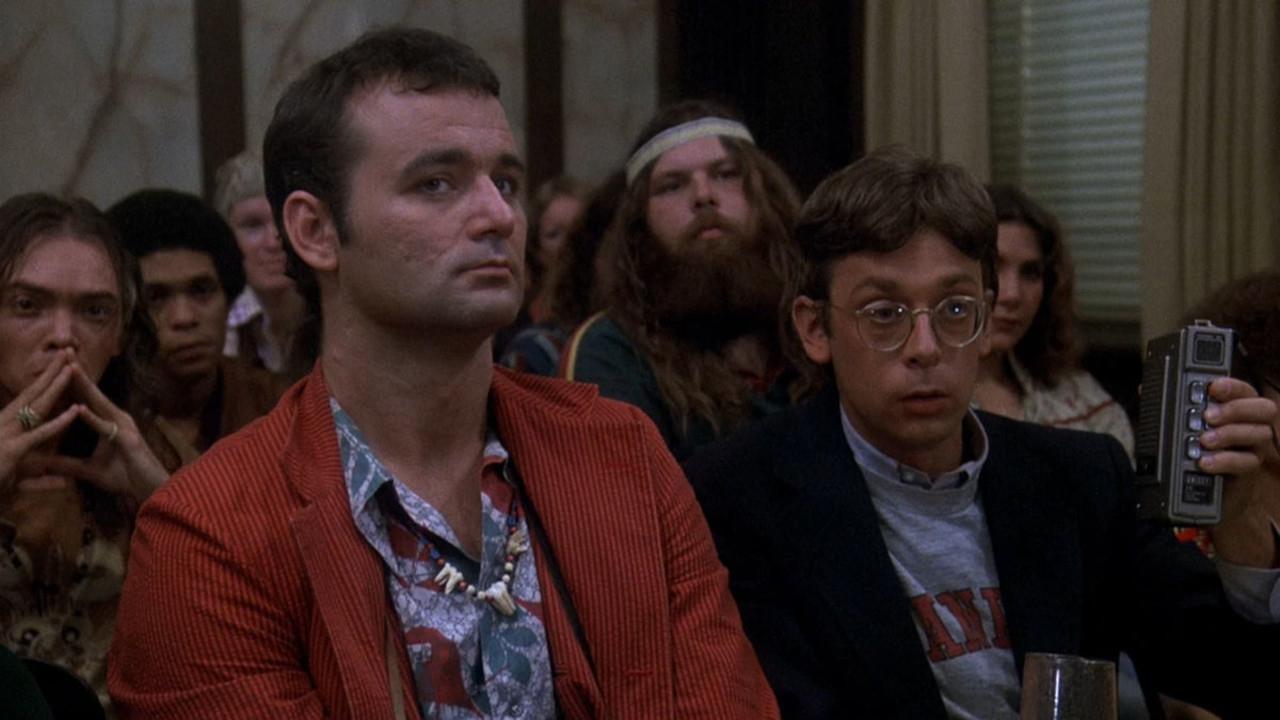
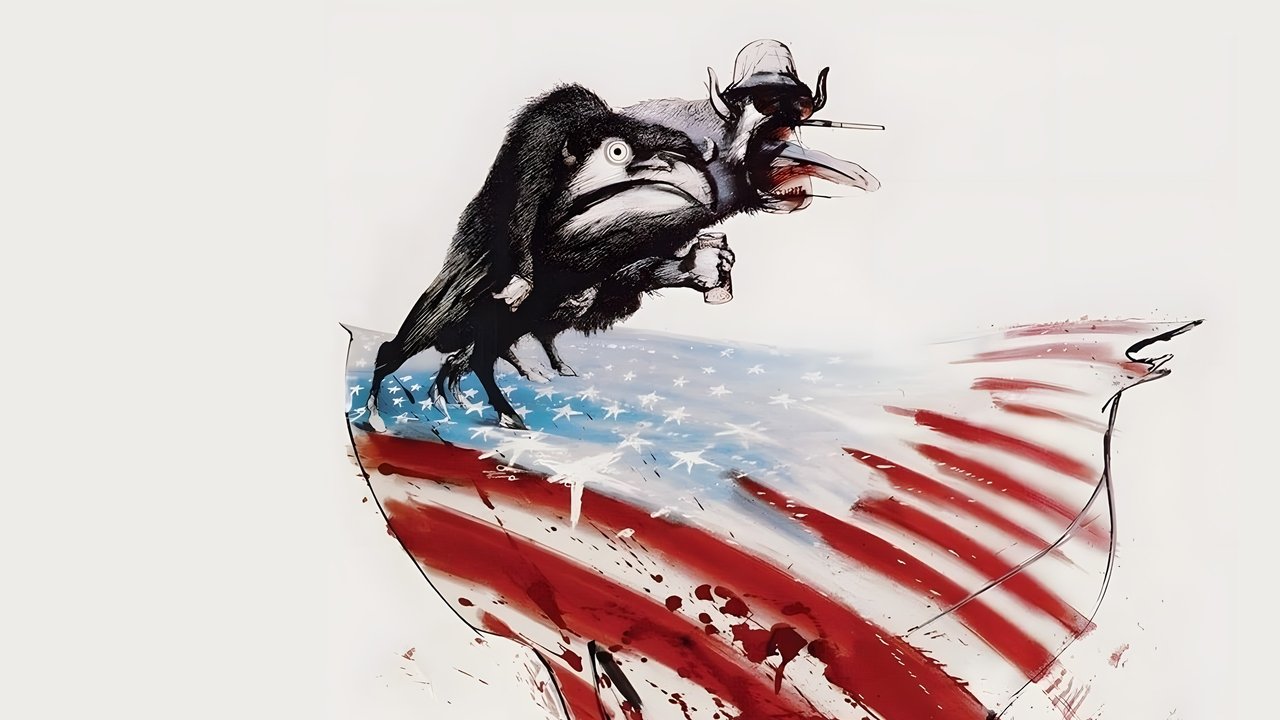
Let's be clear: trying to make a conventional biopic about Dr. Hunter S. Thompson, the godfather of Gonzo journalism, is like trying to herd stoned cats with a bullhorn. Director Art Linson, in his filmmaking debut (he'd later produce heavy hitters like Fast Times at Ridgemont High and Heat), and writer John Kaye didn't entirely try for conventional. Instead, they serve up a rambling, episodic trip through Thompson's chemically-fueled assignments, loosely structured around his volatile relationship with his attorney, Carl Lazlo, Esq. (played with gusto by the late, great Peter Boyle). It jumps from covering the Super Bowl to the 1972 presidential campaign trail, often feeling less like a plot and more like a series of increasingly unhinged vignettes stitched together.
And honestly? That structural chaos is part of its weird charm. It reflects Thompson's own fractured, stream-of-consciousness style. It doesn't always work as smooth cinema – sometimes the pacing lurches and scenes feel disconnected – but it absolutely captures a certain anarchic spirit that feels authentically Thompson-esque, even if the man himself famously had mixed-to-negative feelings about the final product. Retro Fun Fact: Thompson was reportedly quite present during filming, occasionally adding his own brand of chaos to the proceedings, including allegedly firing magnum rounds near the set trailers.
Murray Becomes the Doctor
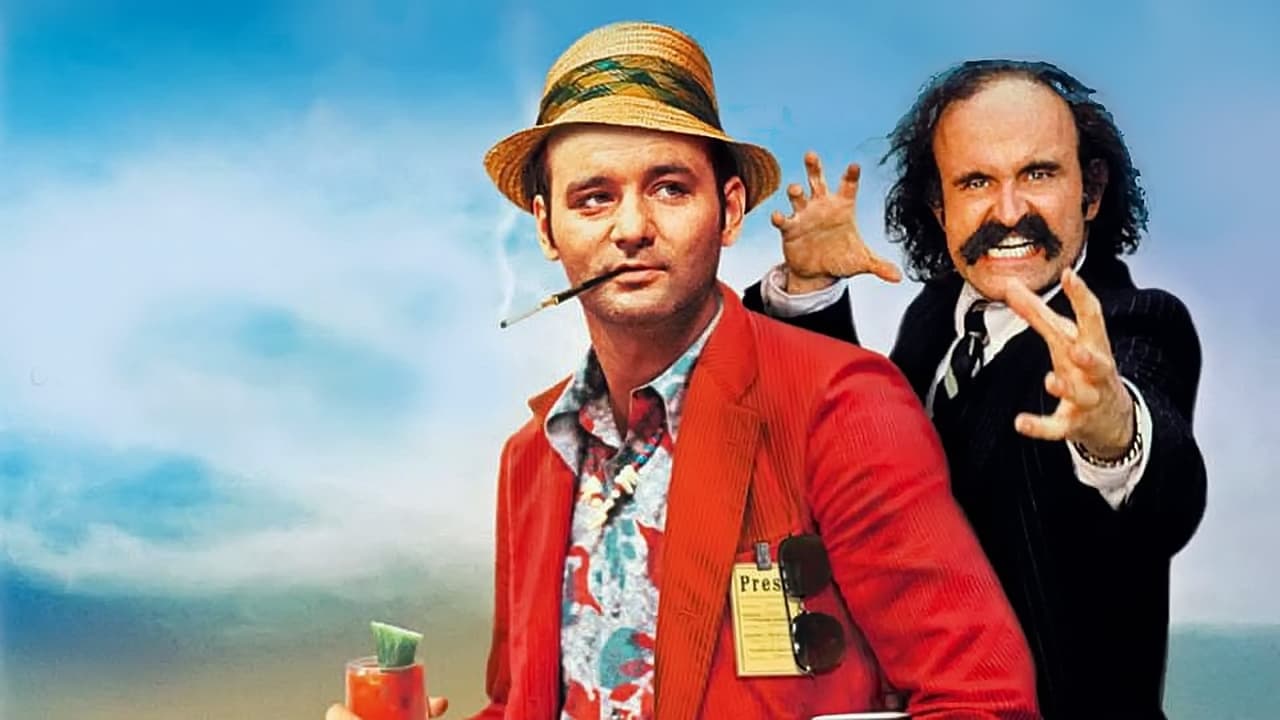
The absolute anchor, the swirling eye of this cinematic hurricane, is Bill Murray. Fresh off Saturday Night Live and just before hitting massive stardom with Stripes (1981) and Ghostbusters (1984), Murray delivers less of a performance and more of a full-body channeling of Thompson. He famously spent considerable time with the Doctor before and during filming, absorbing his mannerisms, his speech patterns, his perpetually hunched posture, and, one suspects, a fair bit of his worldview (and possibly his intake). Retro Fun Fact: Murray became so immersed in the role that colleagues noted he had trouble shaking the Thompson persona for weeks afterward, even showing up back at SNL still talking and acting like Hunter.
Watching Murray here is electric. It's not just imitation; he embodies the paranoia, the sudden bursts of rage, the narcotic haze, and the surprisingly sharp intellect lurking beneath. The way he moves, the mumble that snaps into a snarl, the ever-present cigarette holder clenched like a weapon – it’s a mesmerizing feat of commitment. It’s raw in a way that feels akin to the practical stunts we love from this era; it’s a performance stunt, diving headfirst into the abyss of character without a safety net. Does it sometimes veer into caricature? Maybe. But it’s a caricature drawn with such manic energy and undeniable affection that it becomes iconic in its own right.
That Tangible, Gritty 80s Feel
Forget polished CGI sheen. Where the Buffalo Roam feels like 1980. It’s grainy, it’s smoky, the colours sometimes feel a bit washed out, like you’re watching it through the bottom of a bourbon glass. There aren’t massive explosions or intricate car chases here, but the "action" comes from the sheer unpredictability of Murray's Thompson careening through situations, leaving bewildered normalcy in his wake. Think of the scenes covering the Nixon campaign or the chaotic Super Bowl assignment – there’s a messy immediacy, a feeling that things could genuinely fly off the rails at any second. This isn't the slick, controlled chaos of modern movies; it's the tangible, slightly dangerous feeling of real people in real (if bizarre) situations.
Supporting players like Peter Boyle, channeling Thompson's real-life associate Oscar Zeta Acosta into the fiery Lazlo, are essential. Boyle, unforgettable as the monster in Young Frankenstein (1974), matches Murray's energy blow-for-blow, creating a volatile dynamic that powers much of the film. Bruno Kirby also shows up, offering a touchpoint of relative sanity amidst the madness. And we can't forget the distinct soundtrack, heavily featuring Neil Young, whose melancholic, sometimes ragged tunes provide a surprisingly effective counterpoint to the on-screen degeneracy. Retro Fun Fact: Despite its eventual cult status, Where the Buffalo Roam wasn't a box office smash, earning around $6.6 million on release, finding its true tribe later on VHS and cable.
Still Roaming Wild?
Where the Buffalo Roam is undeniably flawed. It’s uneven, structurally wonky, and might leave newcomers scratching their heads. But for those of us who appreciate the untamed spirit of early 80s cinema, who value raw energy over perfect polish, and who marvel at Bill Murray’s fearless comedic abandon, it remains a fascinating, frequently hilarious, and utterly unique artifact. It captures a specific kind of anarchic energy that Hollywood rarely attempts anymore, much less pulls off. It’s like finding that weird, slightly damaged tape at the back of the rental shelf – you know it might be trouble, but you just have to see what’s on it.
VHS Heaven Rating: 7/10 - The episodic structure can be jarring, and it doesn't quite reach the literary heights of its source material. However, Murray's legendary performance is a force of nature, Boyle is brilliant, and the film possesses a raw, chaotic energy that's undeniably compelling and perfectly captures a certain early 80s, pre-blockbuster vibe. It earns its cult status through sheer, unadulterated Gonzo spirit.
Final Take: A beautifully jagged piece of work – maybe not a smooth ride, but proof that sometimes the bumpiest journeys leave the most lasting impressions, especially when viewed through the gloriously imperfect lens of VHS.