Come to My Place, I Live at a Girlfriend's
Okay, VHS fans, gather ‘round. Sometimes, digging through those dusty shelves at the back of the video store unearthed something… different. Not a Stallone epic or a Carpenter creepfest, but maybe a slightly battered tape with a curious title and cover art that promised something… quieter? More… French? That’s the vibe you get when you stumble across Patrice Leconte’s 1981 comedy, Viens chez moi, j'habite chez une copine, which translates charmingly, if awkwardly, to Come to My Place, I Live at a Girlfriend's. Forget explosions; this is an explosion of awkwardness, friendship, and the kind of everyday absurdity that felt strangely compelling on a fuzzy CRT screen late at night.
The Ultimate Couch Surfer
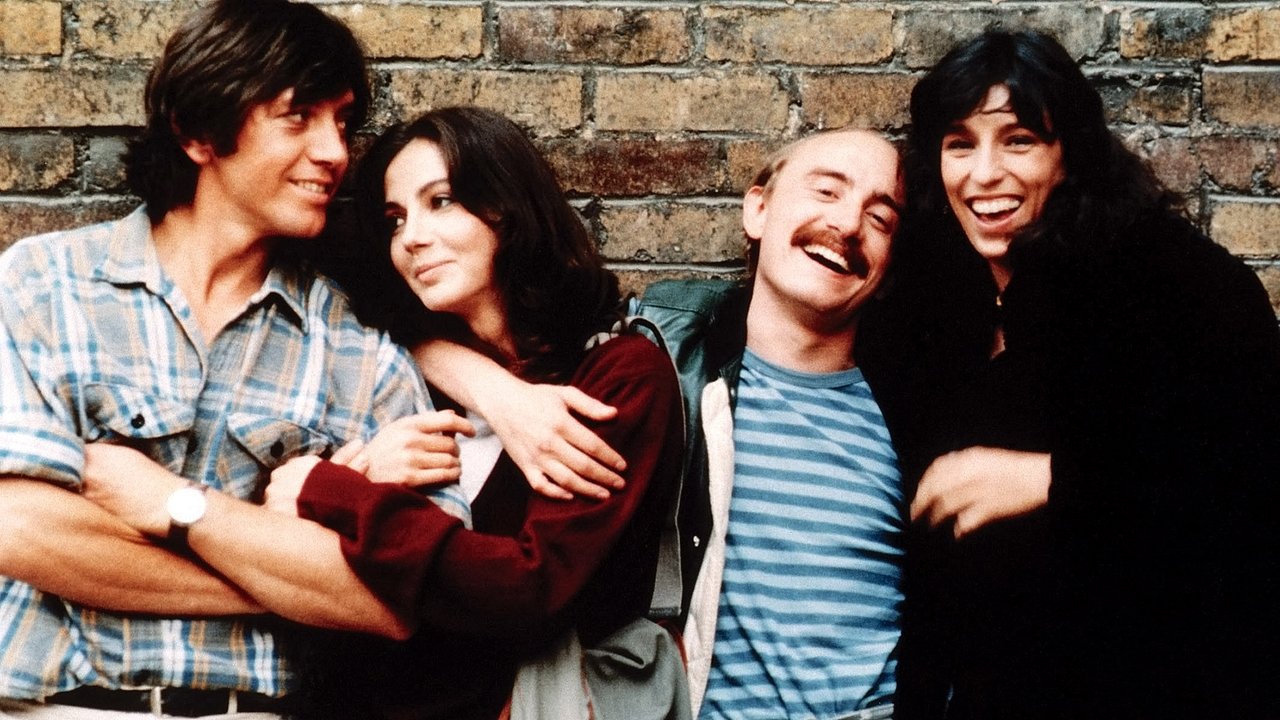
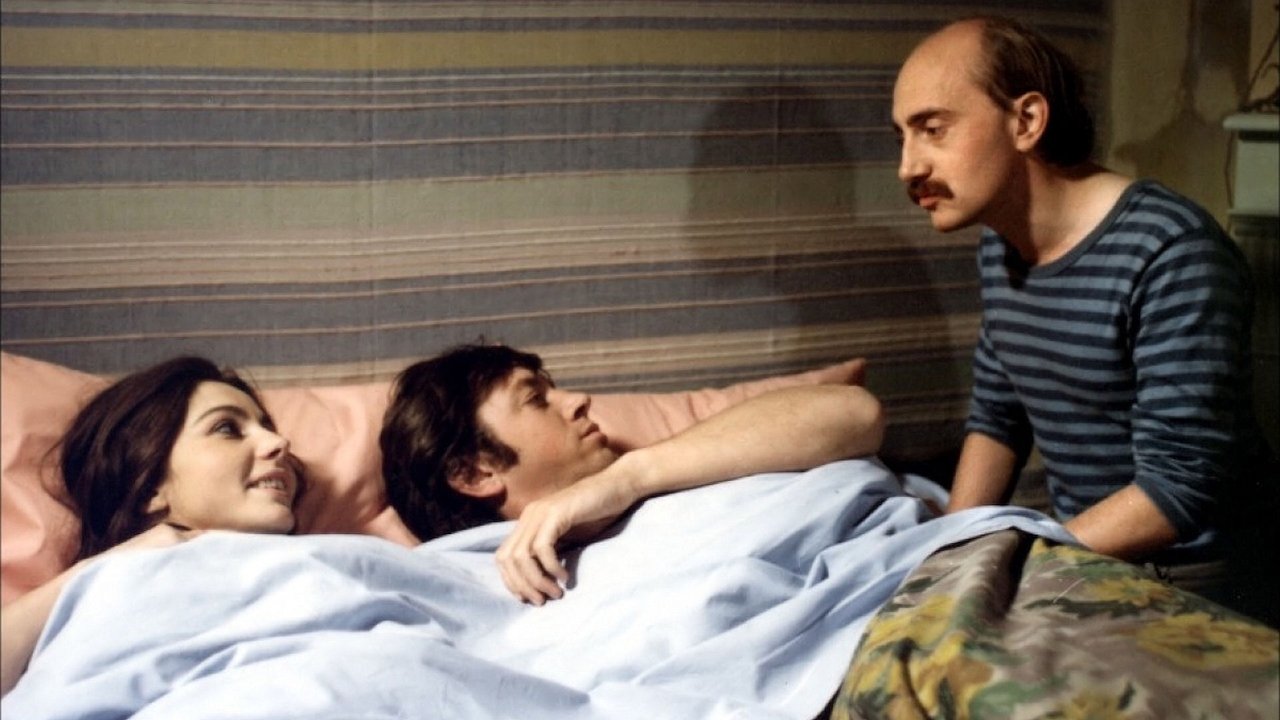
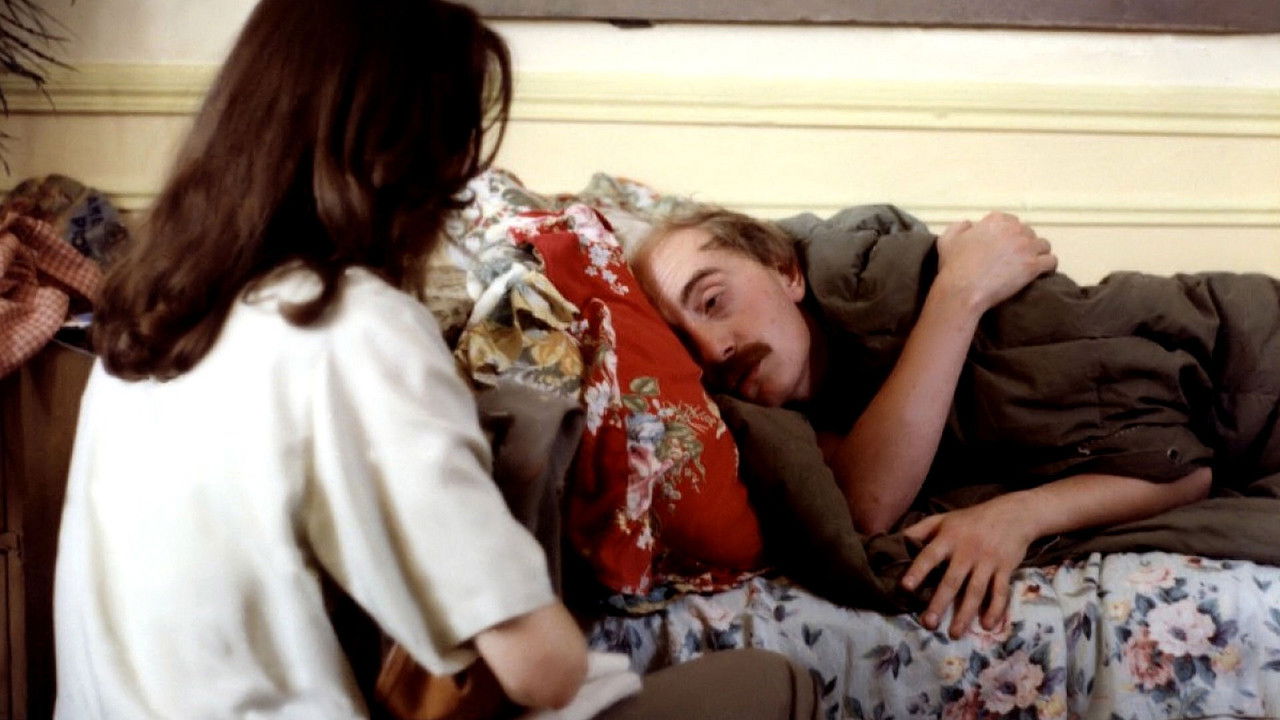
The premise is simple, yet instantly relatable to anyone who's ever had (or been) that friend who overstays their welcome. We meet Marius, played with pitch-perfect optimistic haplessness by Michel Blanc. Blanc, already a star in France thanks to the Les Bronzés films (directed by Leconte and also featuring Thérèse Liotard from this film!), embodies the kind of guy who loses his job wrestling giant inflatable dinosaurs (yes, really) and whose first instinct is to cheerfully impose himself on his best mate. That mate is Daniel (Bernard Giraudeau, bringing a weary charisma), who has carved out a seemingly stable life with his girlfriend Françoise (Thérèse Liotard, wonderfully grounded). Marius’s arrival, with his boundless (and often clueless) enthusiasm, throws their cramped Parisian apartment – and their relationship – into gentle chaos.
Leconte Before the Polish
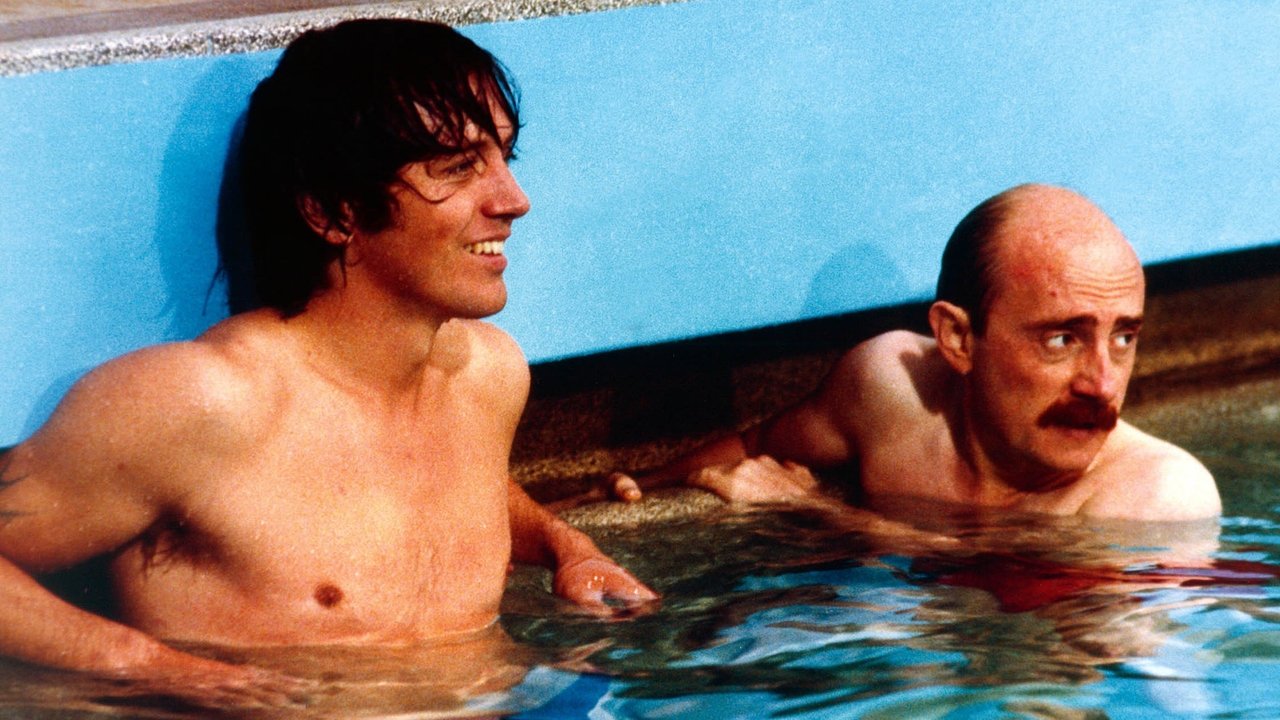
This isn't the Patrice Leconte who would later give us the stylish visuals of The Hairdresser's Husband (1990) or the historical sweep of Ridicule (1996). This is early Leconte, honing his craft, working from source material that feels distinctly grounded. Retro Fun Fact: The film is actually based on a popular, slightly caustic comic strip by Jean-Marc Reiser, known for his sharp social observation. You can feel that observational spirit here. There’s no glossy sheen; the apartments feel lived-in (maybe too lived-in once Marius moves in), the streets look like actual Paris streets, not a movie set version. It’s got that slightly grainy, unvarnished look that so many European films from the era possessed on VHS, a world away from the high-contrast punch of Hollywood fare. The direction is unfussy, letting the characters and their interactions drive the comedy.
Character Over Gags
Don't expect laugh-a-minute slapstick. The humor in Come to My Place... is gentler, rooted in character quirks and the friction of forced cohabitation. Blanc’s Marius isn't malicious, just terminally oblivious, convinced his next brilliant (and usually doomed) scheme is just around the corner. Giraudeau’s Daniel wrestles with loyalty to his friend versus exasperation and the strain on his relationship with Françoise, who handles the intrusion with a mix of patience and slowly simmering frustration. It’s the kind of cringe comedy that feels authentic – the awkward silences, the passive-aggressive maneuvers over bathroom time or who ate the last yogurt. Another Retro Fun Fact: The film was a significant hit in France, pulling in over 2.8 million admissions, proving its gentle observational humor struck a chord with local audiences navigating similar economic anxieties and social shifts of the early 80s.
A Slice of Early 80s French Life
Watching this now feels like opening a time capsule. It captures a specific moment – the fashion, the attitudes, the economic undercurrent of unemployment that Marius represents (albeit comically). It’s less about plot twists and more about atmosphere and the push-pull dynamics between the three leads. The pacing might feel leisurely compared to today's comedies, but it allows you to sink into their world. Remember how foreign films sometimes felt like eavesdropping on another reality through the static of the VCR? This has that quality. It’s not trying to bowl you over; it’s inviting you to pull up a chair (if you can find one not occupied by Marius) and observe.
The performances are key. Blanc is undeniably the comic engine, but Giraudeau provides the essential straight man reactions, and Liotard gives the film its heart and sanity. Their interplay feels lived-in, capturing the complex blend of affection and annoyance that defines long-term friendships and relationships under pressure.
Still Worth an Invite?
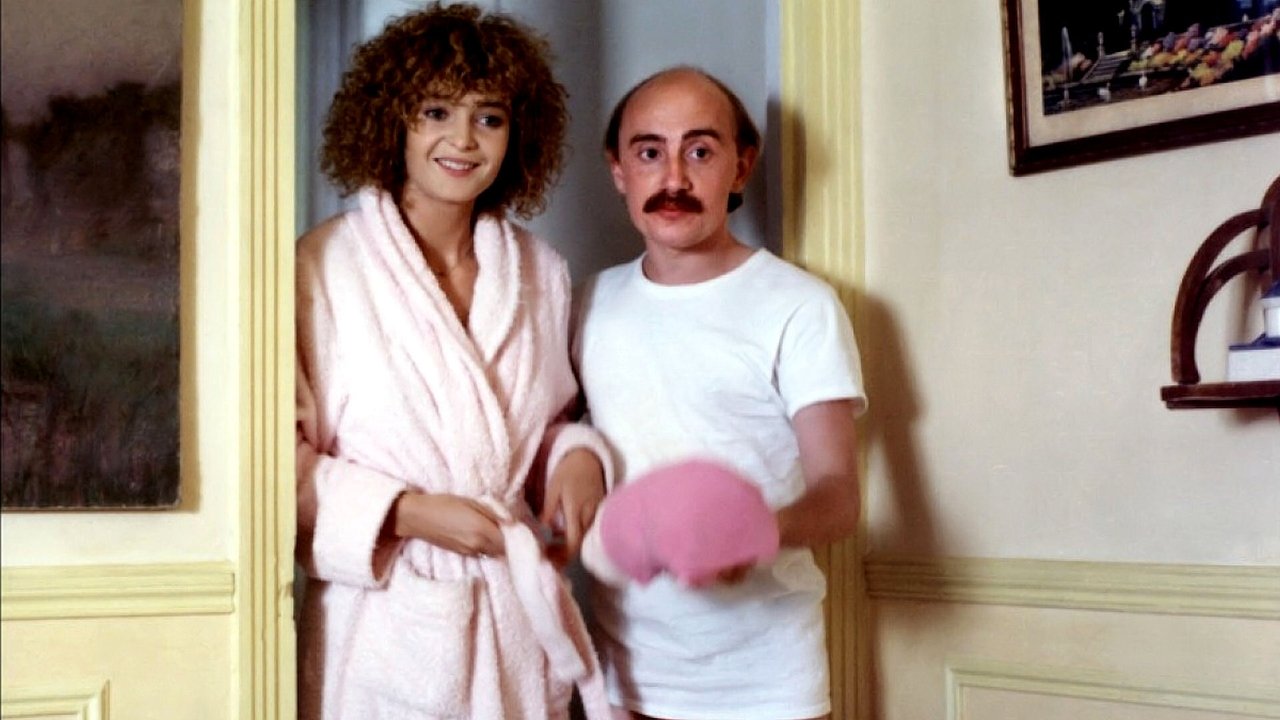
Come to My Place, I Live at a Girlfriend's isn't going to rock your world with explosive set pieces or gut-busting gags. Its charm lies in its low-key observational humour, its strong central performances, and its authentic slice-of-life feel. It’s a reminder that 80s cinema wasn’t just about big hair and bigger guns; there were these quieter, character-focused comedies being made that offered a different kind of satisfaction. It might feel a bit dated, a bit slow, but there’s a warmth and a gentle wit here that’s endearing. If you stumbled upon this on a worn TDK tape back in the day, perhaps with slightly dodgy subtitles, you likely found a pleasingly different flavour of retro cinema.
VHS Heaven Rating: 7/10 Justification: The film earns a solid 7 for its excellent central performances, particularly Michel Blanc's iconic turn, its authentic early 80s French atmosphere, and its charmingly low-key, character-driven humour. It captures its time and place effectively. It loses a few points for pacing that might test modern attention spans and humour that, while witty, isn't consistently laugh-out-loud funny. It's more wry smiles than belly laughs.
Final Thought: A cozy, slightly melancholic reminder from the VHS era that sometimes the most relatable stories are about navigating the everyday chaos someone else brings into your living room.
You Might Also Enjoy
French Fried Vacation
1978
French Fried Vacation 2
1979
Santa Claus Is a Stinker
1982
Birds of a Feather
1978
California Suite
1978
Goin' South
1978
Who Is Killing the Great Chefs of Europe?
1978
10
1979
Gol Maal
1979
The Main Event
1979
The Villain
1979
Bilo the Banker
1980
Jupiter's Thigh
1980
My Wife is a Witch
1980