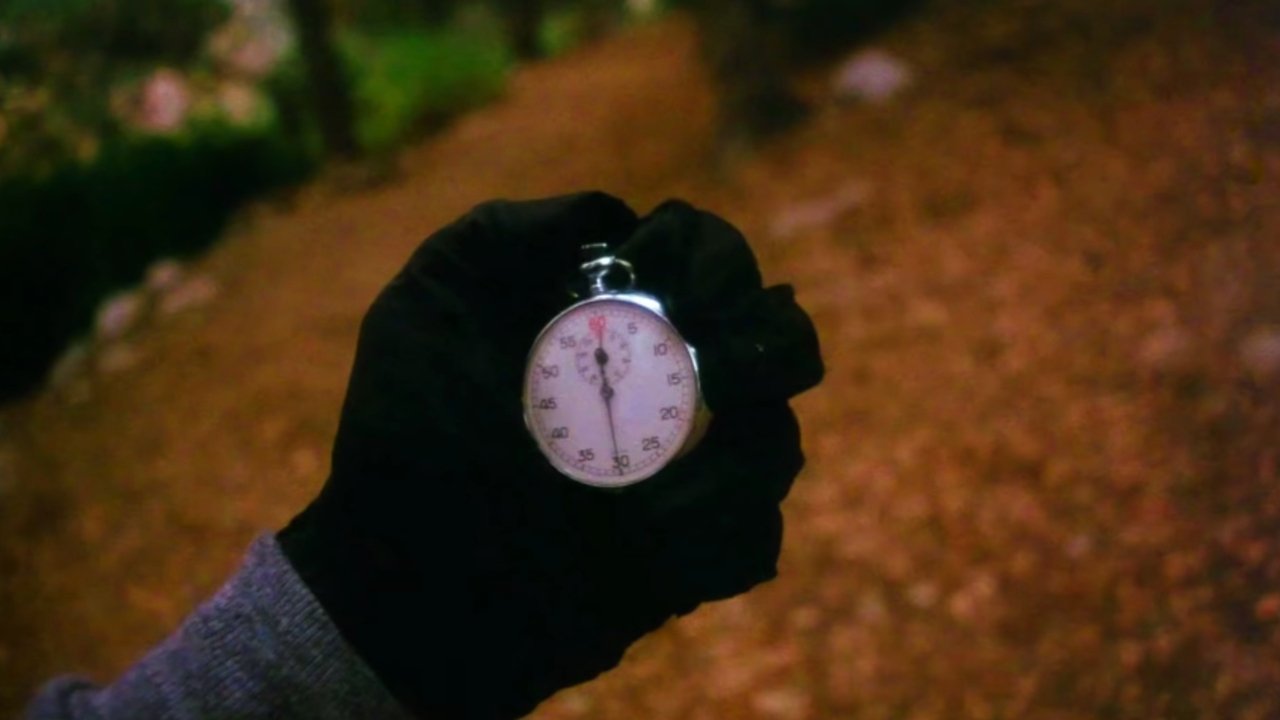
The stopwatch ticks with unnerving precision. Not marking triumph, but timing the final, agonizing seconds. That opening image from Graduation Day (1981) – the young athlete pushing herself past her limit, collapsing under the unforgiving California sun – sets a bleak stage. It’s not just exertion that fells her; it’s a premonition, a crack in the sunny façade of Midvale High, hinting at the darkness poised to engulf its graduating class. This isn't your typical glossy yearbook memory; it’s a dog-eared page stained with something sinister.
The Final Lap
Released squarely in the initial gold rush of the slasher boom ignited by Halloween (1978) and solidified by Friday the 13th (1980), Herb Freed's Graduation Day doesn't rewrite the rulebook, but it certainly follows it with a chillingly methodical pace. The premise is simple, stark: following the track star Laura Ramstead's death, her surviving teammates find themselves stalked by a black-clad figure armed with a stopwatch and an increasingly inventive arsenal. Anne Ramstead (Patch Mackenzie), Laura's sister serving in the Navy, returns for the graduation ceremony only to find herself investigating the escalating body count, suspecting everyone from the stern Coach Michaels (Christopher George) to the creepy groundskeeper.
What elevates Graduation Day beyond mere formula, especially when viewed through the grainy haze of a well-worn VHS tape, is its commitment to its central, grim conceit. The killer isn't just slashing; they're timing their victims, adding a layer of cruel precision to the proceedings. It taps into that primal fear of being watched, judged, and found wanting – quite literally, running out of time.

Track, Field, and Terror
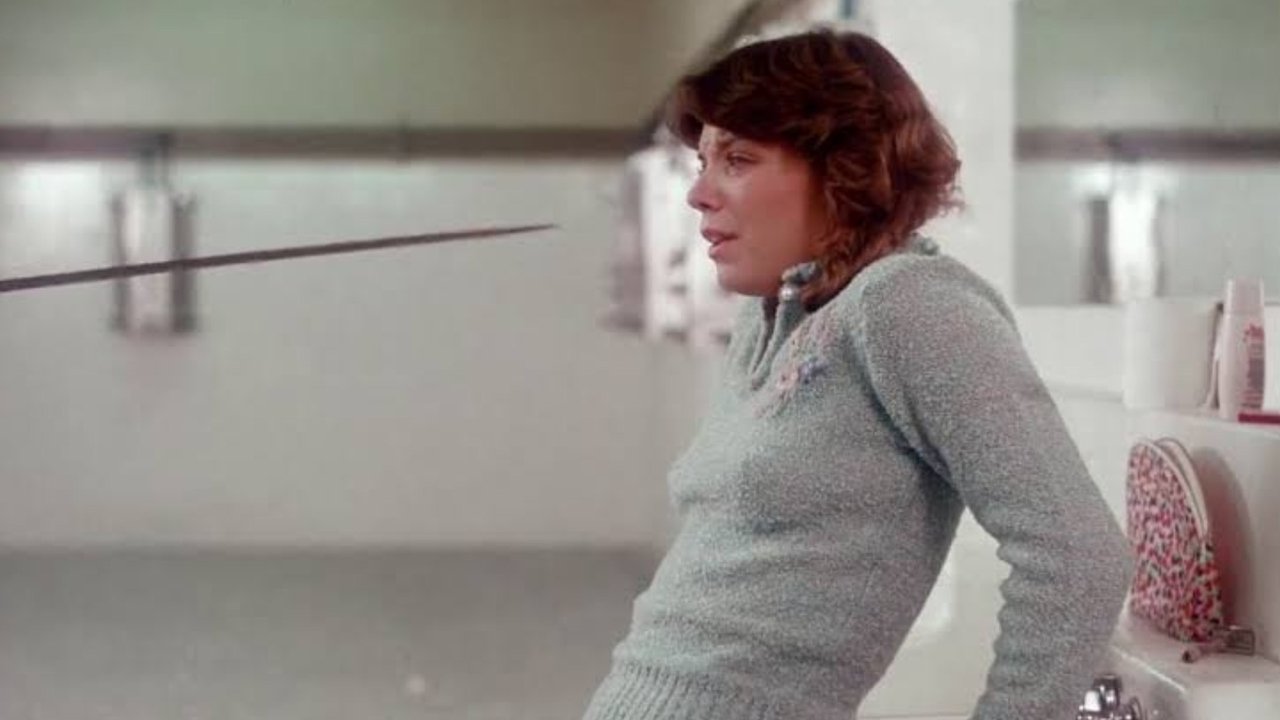
The film leans heavily into its high school athletic theme, turning familiar sports equipment into deadly weapons. Remember that infamous pole vault scene? Even now, decades later, there's a visceral shock to it, a brutal ingenuity that felt disturbingly plausible back then. The fencing foil kill, the spiked football – these weren't just random acts of violence; they were perversions of the very activities meant to build character and camaraderie. These moments, rendered with the unpolished, grimy practical effects typical of the era, hit differently on a flickering CRT screen late at night. They felt less slick, more immediate, more real.
The production itself mirrors this low-budget grit. Shot for a reported $250,000, largely on location at the recognizable Beverly Hills High School (also seen in films like It's a Wonderful Life and Clueless), the film squeezes maximum atmosphere from its limitations. Arthur Kempel's synthesizer score is pure early-80s dread – pulsing, insistent, and perfectly capturing the relentless ticking clock that hangs over the narrative. It’s the kind of score that burrows into your subconscious, long after the credits roll.
Faces in the Crowd
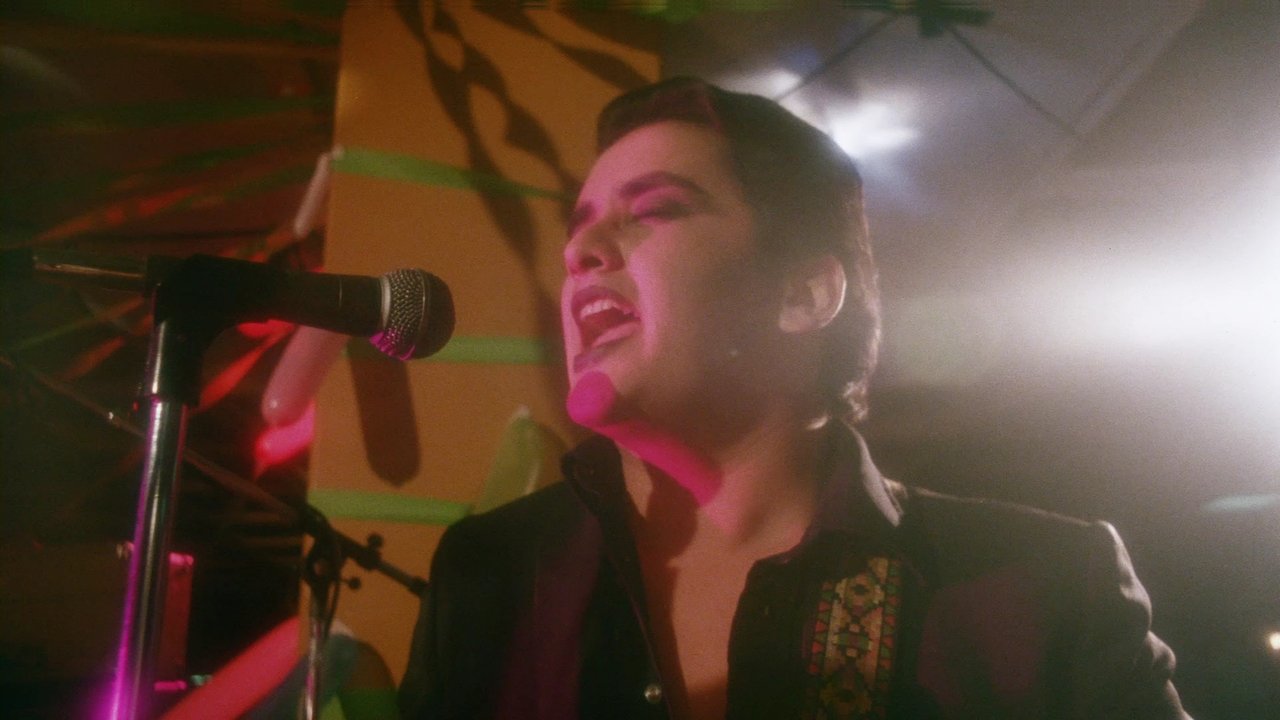
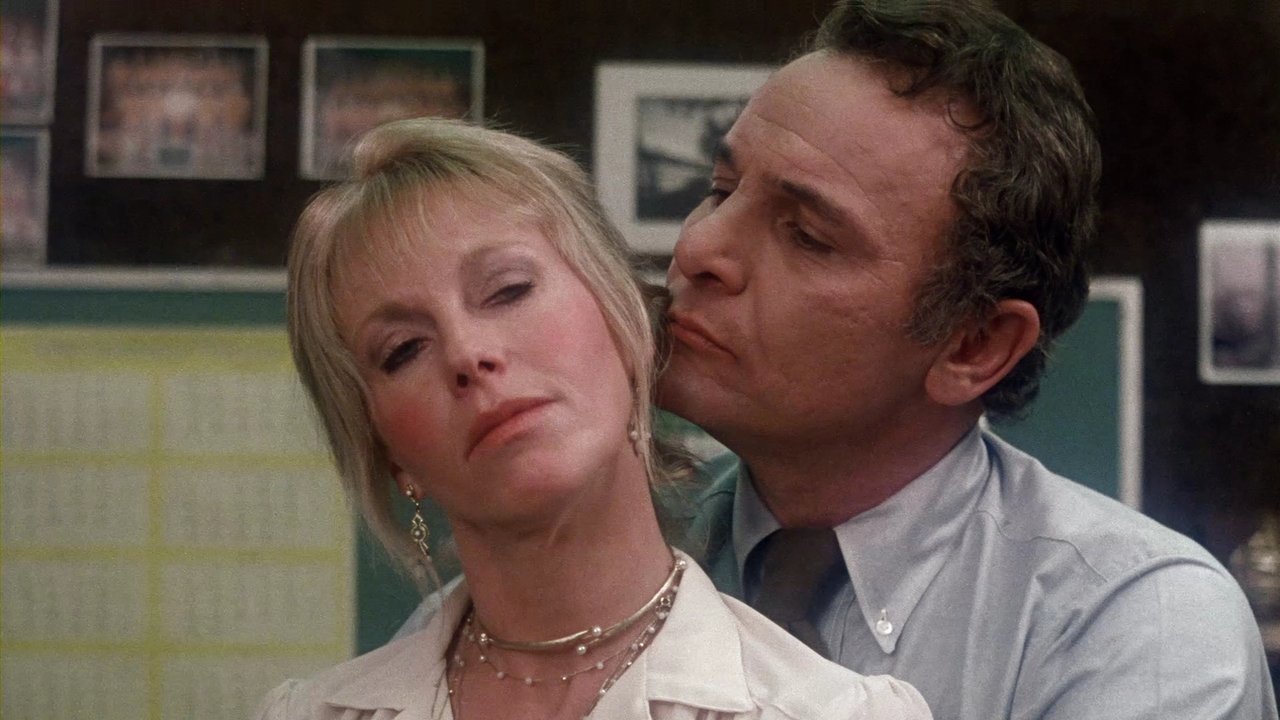
The cast is a fascinating snapshot of the time. Christopher George, a familiar face from countless B-movies and TV shows (and star of Lucio Fulci's City of the Living Dead the year prior), brings a certain weary gravitas to Coach Michaels. Tragically, George was battling lung cancer during filming and passed away the following year, lending his final performance a poignant, almost spectral quality. Patch Mackenzie carries the film capably as the determined protagonist, embodying the burgeoning "final girl" archetype, albeit with a military edge.
And then there are the faces you might recognize in fleeting, often doomed, roles. Keep an eye out for scream queen Linnea Quigley in one of her earliest appearances, delivering a memorable, albeit brief, performance that hints at the cult status she would later achieve. The rest of the track team fills out the necessary slasher archetypes – the jock, the prankster, the concerned friend – destined to meet gruesome ends timed to the killer's unforgiving stopwatch.
Running Down a Legacy
Graduation Day wasn't a critical darling upon release, often dismissed as another Friday the 13th clone. Yet, it struck a chord with audiences, becoming a modest box office success (pulling in nearly $24 million) and a staple of video rental stores throughout the 80s. It perfectly captured that specific blend of high school anxieties and visceral horror that defined the early slasher cycle. Does the killer's motivation, once revealed, hold up to intense scrutiny? Perhaps not entirely. Does the plot sometimes meander through red herrings like a runner lost on the track? Absolutely.
But scrutinizing the airtight logic isn't really the point of films like Graduation Day. It’s about the mood, the inventive kills, the creeping dread, and the nostalgic thrill of experiencing that specific brand of 80s horror. It’s the feeling of popping that tape into the VCR, the whirring sound building anticipation, knowing you were in for 90 minutes of stalk-and-slash mayhem rendered with earnest, practical gore. It might not be the valedictorian of the slasher class, but it absolutely earned its letterman jacket.
***
VHS Heaven Rating: 6/10
Justification: Graduation Day delivers solidly on its slasher promise with memorable, themed kills and a pervasive sense of early 80s dread, amplified by its effective synth score. The low-budget charm and Christopher George's final, poignant performance add layers of interest. However, it's held back slightly by a sometimes meandering plot, fairly standard character archetypes, and a reveal that feels a bit underdeveloped compared to the best of the genre. It's a reliable B-side slasher, a must-see for completists and those who appreciate the era's specific flavor of horror.
Final Thought: It’s a film that reminds you why the early 80s slasher craze was so potent – taking the familiar setting of high school and twisting it into a deadly race against time, one perfectly timed kill after another.