Lady Chatterley's Lover
Okay, let's dim the lights, maybe pour a glass of something thoughtful, and settle in. Remember wandering through the "Drama" section of the video store, past the action heroes and screaming queens, and finding those covers that promised something... different? Sometimes elegant, sometimes a bit scandalous. The 1981 adaptation of Lady Chatterley's Lover often sat right there, its familiar title hinting at classic literature, but the casting of Sylvia Kristel whispering promises of something perhaps more aligned with the sensibilities of the era that gave us Emmanuelle. And that tension, between literary ambition and contemporary sensual filmmaking, is precisely what makes this version such a fascinating time capsule.
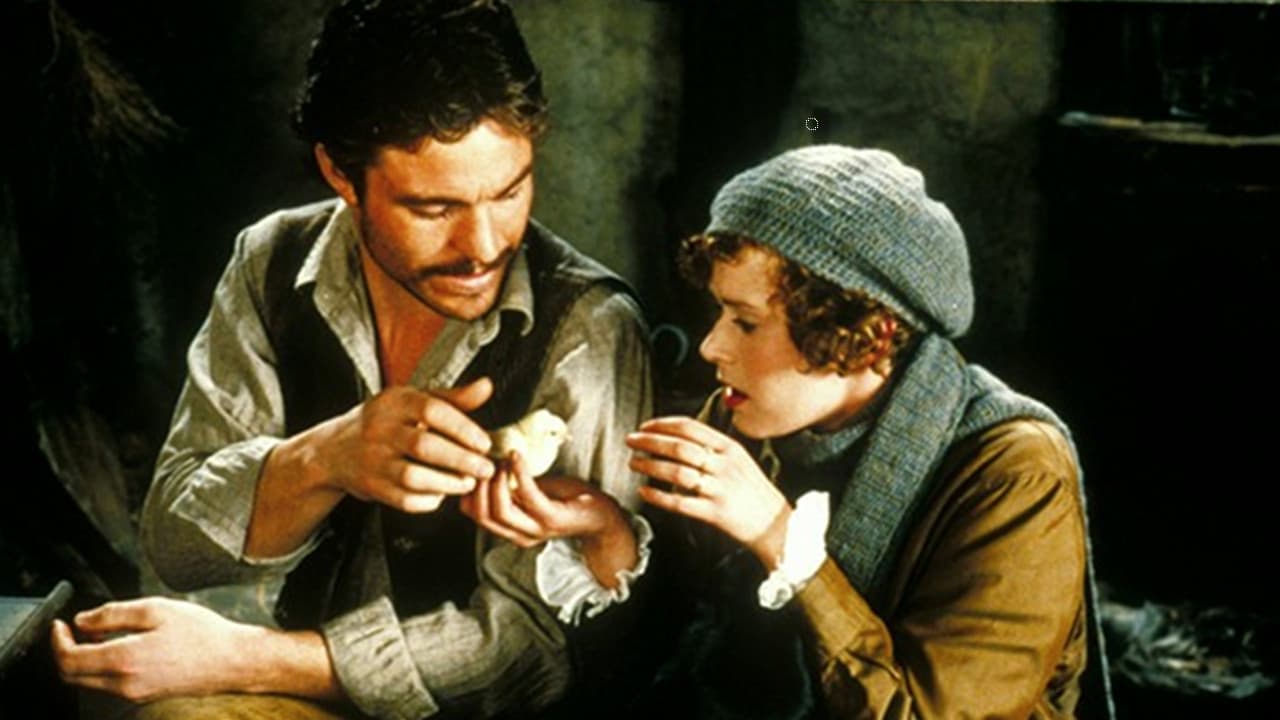
Bridging Literature and the Lens
Adapting D.H. Lawrence is never a simple task. His work is dense with psychological nuance, social commentary, and a frankness about human connection – physical and emotional – that can still feel startling. Director Just Jaeckin, already famous for bringing Emmanuelle (1974) to the screen, took on the challenge. It's an intriguing pairing, isn't it? The director known for lush, soft-focus eroticism tackling a novel famed for its raw, almost primal depiction of sexuality as a rebellion against a sterile, class-bound society. The result is a film that often feels caught between two worlds: the earthy, intellectual intensity of Lawrence's prose and the gauzier, more aesthetically pleasing sensuality popular in late 70s/early 80s European cinema.
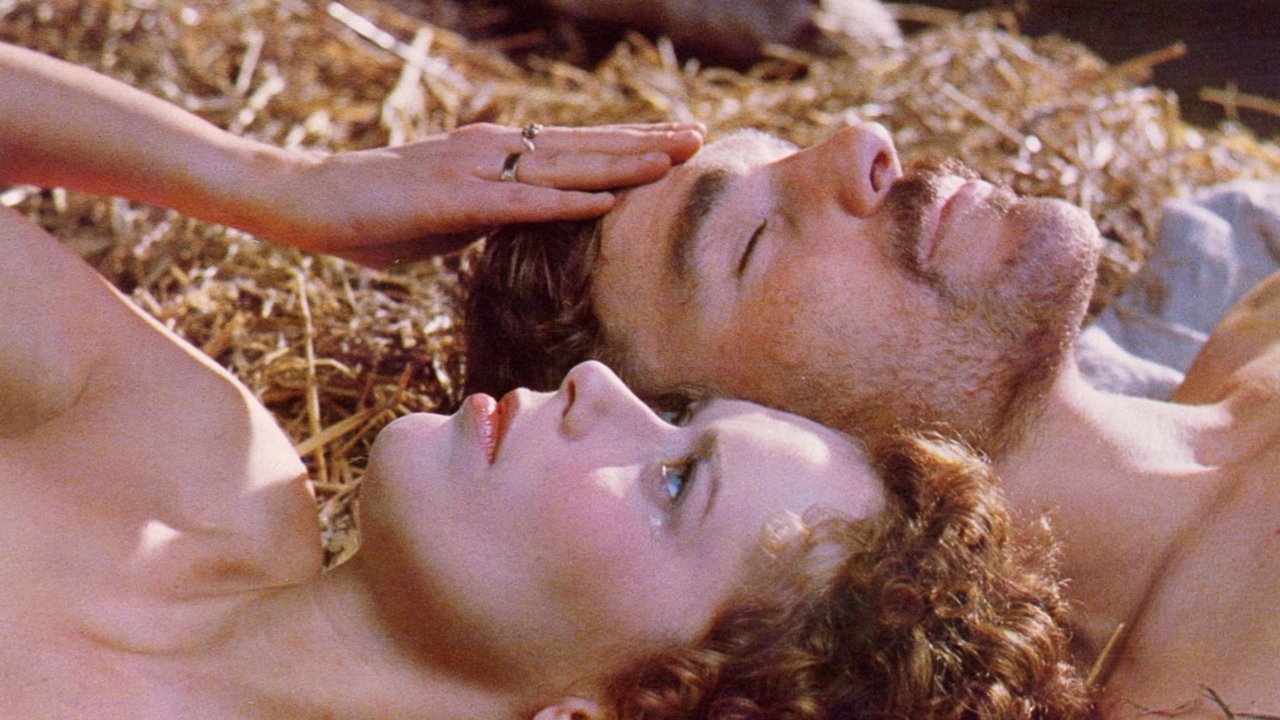
The story, for those who haven't dusted off their high school English syllabus lately, follows Constance Chatterley (Sylvia Kristel), the young wife of Sir Clifford Chatterley (Shane Briant), an aristocratic landowner left paralyzed from the waist down after the Great War. Trapped in a sexless marriage and stifled by the intellectual, yet emotionally barren, atmosphere of Wragby Hall, Constance drifts into a passionate affair with the estate's gamekeeper, Oliver Mellors (Nicholas Clay). It's a collision of class, intellect, and raw physical need.
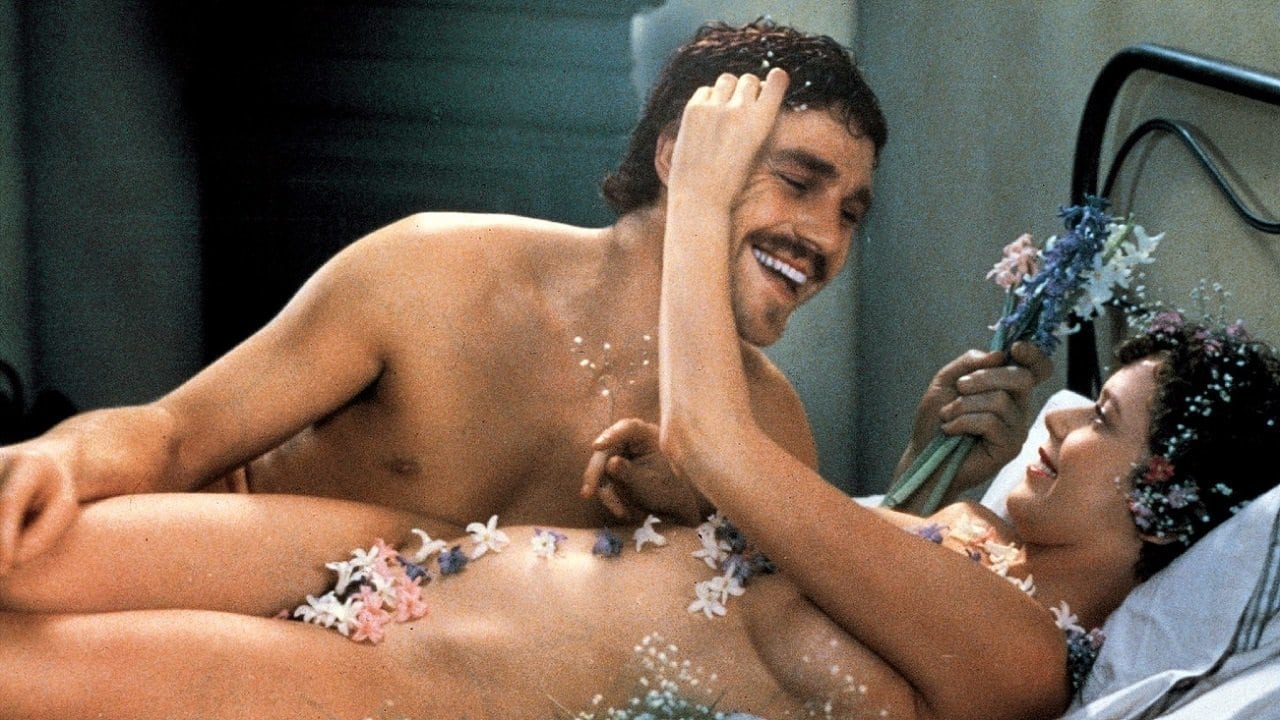
Performance and Presence
The casting is central here. Sylvia Kristel, forever linked with Emmanuelle, brings an undeniable screen presence and a certain ethereal vulnerability to Constance. You see the loneliness in her eyes as she wanders the grand, empty rooms of the estate. Yet, does she fully capture the burgeoning intellectual and sexual awakening that Lawrence describes? At times, the performance feels more passive, observational, leaning into a portrayal of sensuous melancholy rather than the fierce, sometimes contradictory, desires of the novel's heroine. It’s a gentle portrayal, perhaps lacking the fire Lawrence intended, but Kristel makes Constance sympathetic, a woman adrift seeking an anchor.
Opposite her, Nicholas Clay as Mellors has the requisite brooding intensity and physicality. He embodies the working-class man, grounded in nature, a stark contrast to the impotent aristocracy represented by Clifford. Clay, who sadly passed away relatively young, had a magnetic quality – remember him in Excalibur (1981) that same year? Here, he conveys Mellors' initial reserve and the gradual unfolding of his connection with Constance. The chemistry between Kristel and Clay is palpable, forming the core of the film's emotional and sensual narrative. Shane Briant, meanwhile, delivers a commendably restrained performance as Sir Clifford, avoiding caricature and showing flashes of the intelligent but ultimately detached man trapped within his own limitations, both physical and societal.
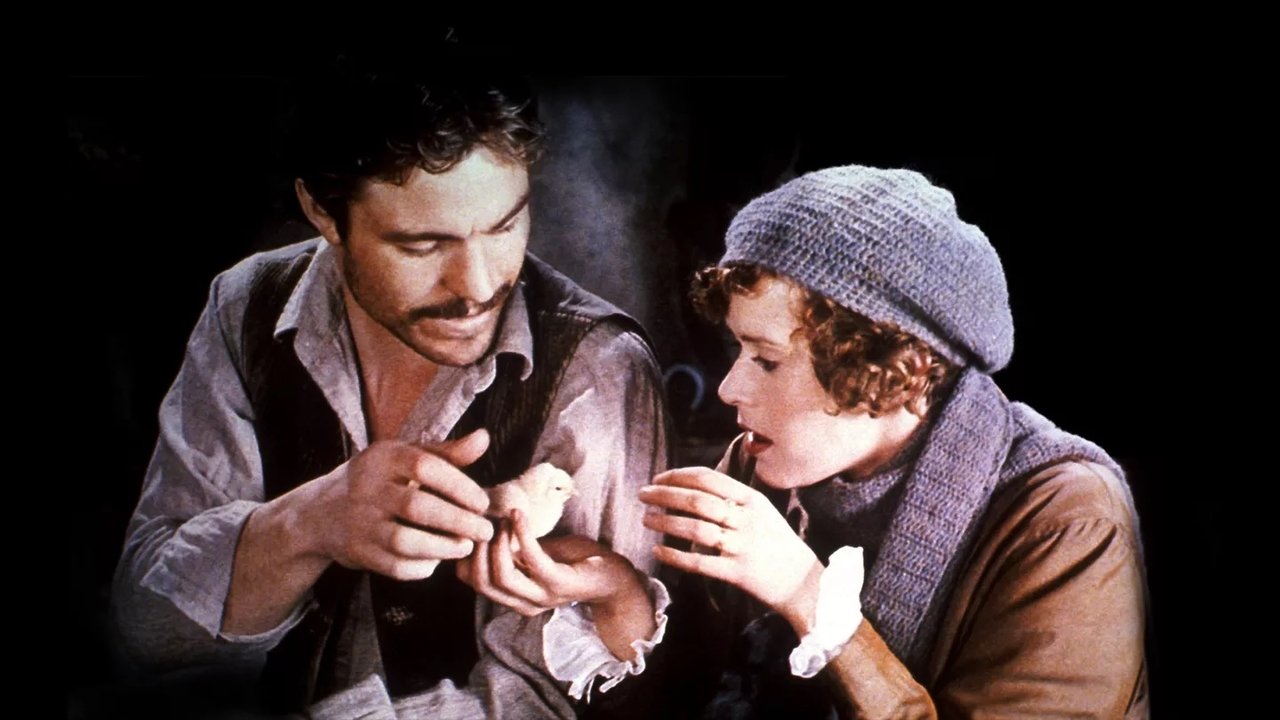
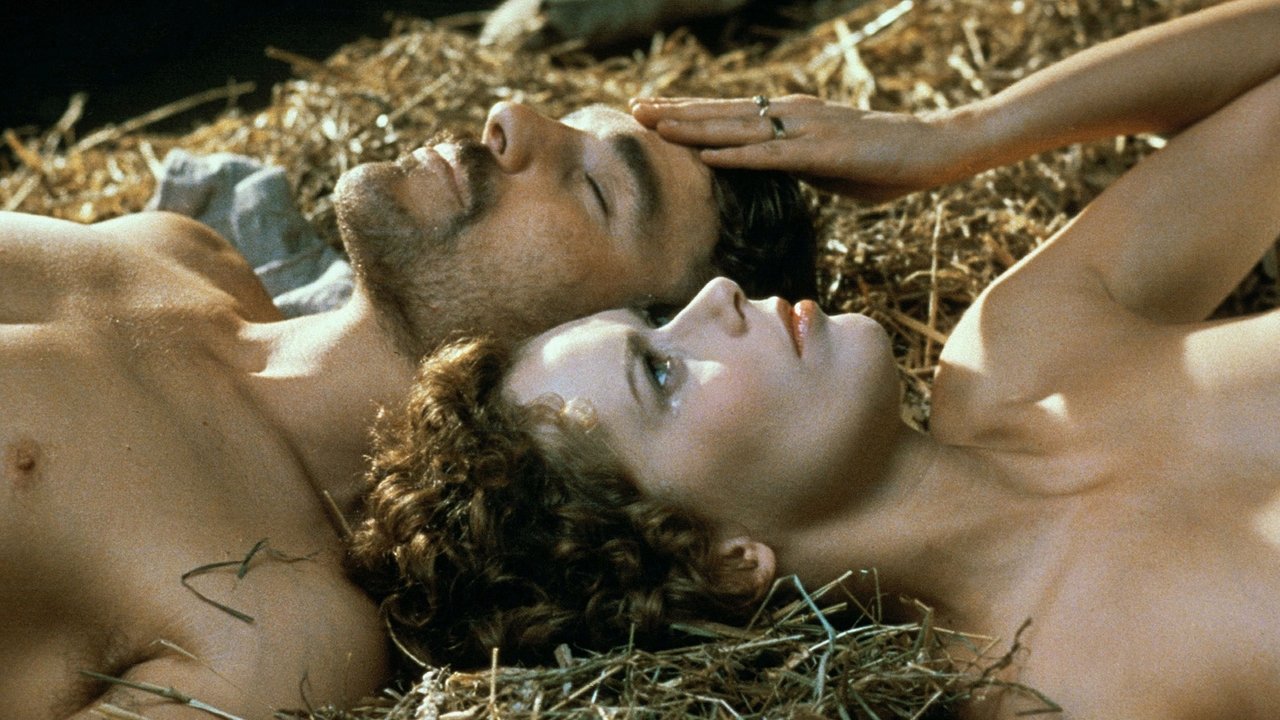
Atmosphere and Adaptation
Just Jaeckin certainly knows how to create atmosphere. The film is visually quite lovely, making evocative use of English country estates and misty woodlands. The cinematography often favors a soft, diffused light, particularly in the intimate scenes, which aligns with Jaeckin's established style but sometimes softens the raw, elemental nature of the affair as depicted by Lawrence. It feels less like a primal connection forged in mud and rain, and more like a beautifully lit romance.
One fascinating bit of trivia: this decidedly arthouse-leaning literary adaptation was produced by none other than Cannon Films! Yes, Golan-Globus, the very same company that would soon flood video store shelves with titles starring Chuck Norris and Charles Bronson. It's a quirky footnote that highlights the sometimes unpredictable nature of film financing and distribution in that era. They were clearly trying to diversify their portfolio, perhaps aiming for a touch of prestige alongside the explosions.
The script, co-written by Christopher Wicking and Marc Behm (with an uncredited assist from Philip Kaufman, who would later direct gems like The Right Stuff (1983) and The Unbearable Lightness of Being (1988)), makes understandable compressions. Lawrence's novel delves deeply into themes of industrialization, class warfare, and philosophical musings. While touches of these remain, the film inevitably foregrounds the central relationship and its erotic charge. Was this a commercial necessity, or a reflection of the director's primary interests? It’s a question worth pondering as the credits roll. Does it succeed purely as an erotic film? Perhaps not by today's standards, nor even by the more explicit standards some expected from Jaeckin. It’s more sensual than explicit, focusing on longing looks and tender moments as much as physical acts.
Lasting Impressions from the Tape
Watching this Lady Chatterley's Lover today feels like unearthing a specific moment in time. It represents an attempt to blend literary weight with the burgeoning market for sophisticated adult drama on screen and, crucially, on home video. It lacks the fiery intensity of Ken Russell's later 1993 adaptation with Joely Richardson and Sean Bean, but it possesses a unique mood – languid, aesthetically pleasing, and carried by the earnest performances of its leads. It might not fully capture the revolutionary spirit of Lawrence's novel, sanding down some of its rougher edges, but it offers a sincere and often beautiful interpretation. I remember finding the VHS cover slightly intimidating yet alluring back in the day, a promise of grown-up themes handled with a certain European elegance. Revisiting it now confirms that feeling – it’s a thoughtful, if somewhat muted, exploration of forbidden love and societal constraints.
Rating: 6/10
Justification: The film scores points for its earnest performances, particularly from Nicholas Clay, its lovely cinematography, and its brave attempt to adapt challenging material for a mainstream audience in 1981. However, it loses points for somewhat diluting the novel's thematic depth and raw power, occasionally feeling constrained by Just Jaeckin's signature soft-focus style and perhaps by Sylvia Kristel's established screen persona, which doesn't quite encompass all of Constance's complexity. It's a respectable, watchable adaptation, but not a definitive one.
Final Thought: More a gentle stream than the raging river of passion Lawrence described, this Lady Chatterley nonetheless offers a poignant glimpse into a particular era's approach to sensuality and adaptation, anchored by compelling performances that still resonate faintly across the decades.