Entre Nous
It often begins with a glance, doesn't it? A moment of recognition across a crowded room, or in the desperate confines of history, that sparks something unexpected, something that might reshape a life. Diane Kurys' deeply personal 1983 film Entre Nous (or Coup de Foudre, "Love at First Sight," as it's also known) hinges on such moments, capturing the profound, life-altering connection between two women navigating the constraints and quiet disappointments of post-war France. Watching it again, decades after first encountering it likely nestled in the 'Foreign Films' section of a well-loved video store, its power hasn't diminished; if anything, the passage of time only sharpens its emotional truths.

A Friendship Forged in Shadow, Rekindled in Sunlight
The film opens under the shadow of World War II. We meet Léna Weber (Isabelle Huppert), a young Belgian Jew escaping deportation by hastily marrying Michel Korski (Guy Marchand), a French Legionnaire she barely knows. Elsewhere, Madeleine Segara (Miou-Miou), an aspiring artist, endures her own wartime traumas. Their paths cross fleetingly in an internment camp, a shared experience of fear and uncertainty planting a seed. Years later, in 1952 Lyon, they meet again by chance. Both are now married with children, living outwardly conventional lives. Léna is settled, if restless, with the dependable but uninspiring Michel. Madeleine, impulsive and yearning for more, is married to the struggling actor Costa (Jean-Pierre Bacri in an early, uncredited but memorable role). Their reunion isn't explosive, but it's immediate. A current passes between them – a sense of mutual understanding, a shared dissatisfaction, and the dawning possibility of a different kind of existence.
The Unspoken Language of Connection
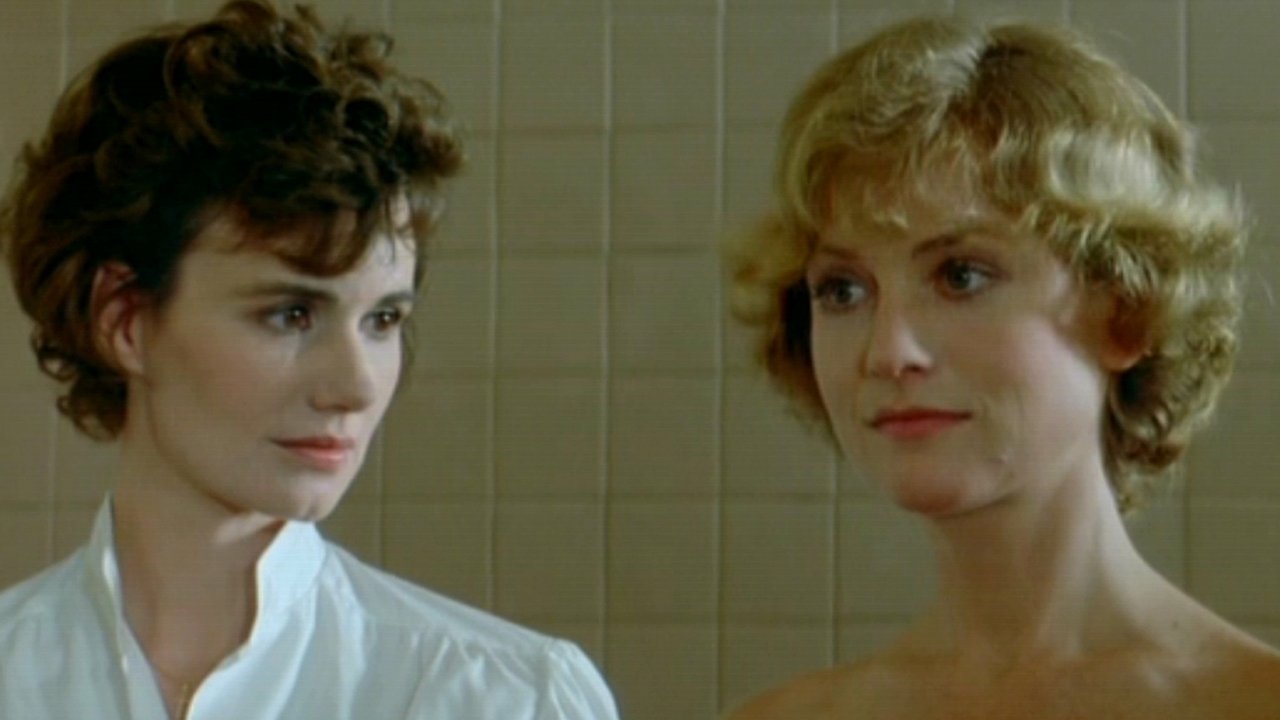
What makes Entre Nous resonate so deeply is its focus on the subtleties of this burgeoning relationship. Kurys, drawing heavily from her own mother's story (Léna is based on her mother, Madeleine on her mother's close friend), directs with extraordinary sensitivity. So much is communicated without words. Isabelle Huppert, even then displaying the magnetic intensity that would define her career, portrays Léna’s quiet yearning and gradual awakening with devastating precision. Her stillness speaks volumes. Miou-Miou, conversely, brings a restless energy to Madeleine, a woman chafing against the confines of domesticity, dreaming of opening a dress shop with Léna, a venture that symbolizes far more than just business.
Their chemistry is the film's beating heart. It’s a bond born of shared history, yes, but also of a profound emotional and intellectual intimacy that their husbands, portrayed sympathetically yet clearly as part of the conventional world the women long to escape, cannot provide. Guy Marchand is particularly effective as Michel, a man who loves his wife but fundamentally misunderstands her needs, his bewilderment turning slowly to resentment as Léna drifts further away. Is the connection between Léna and Madeleine romantic? Platonic? The film wisely refuses easy labels, allowing the ambiguity to mirror the complex, often unnamed, nature of deep human bonds, particularly those formed against societal expectations. It simply is, powerful and transformative.
A Director's Personal Vision
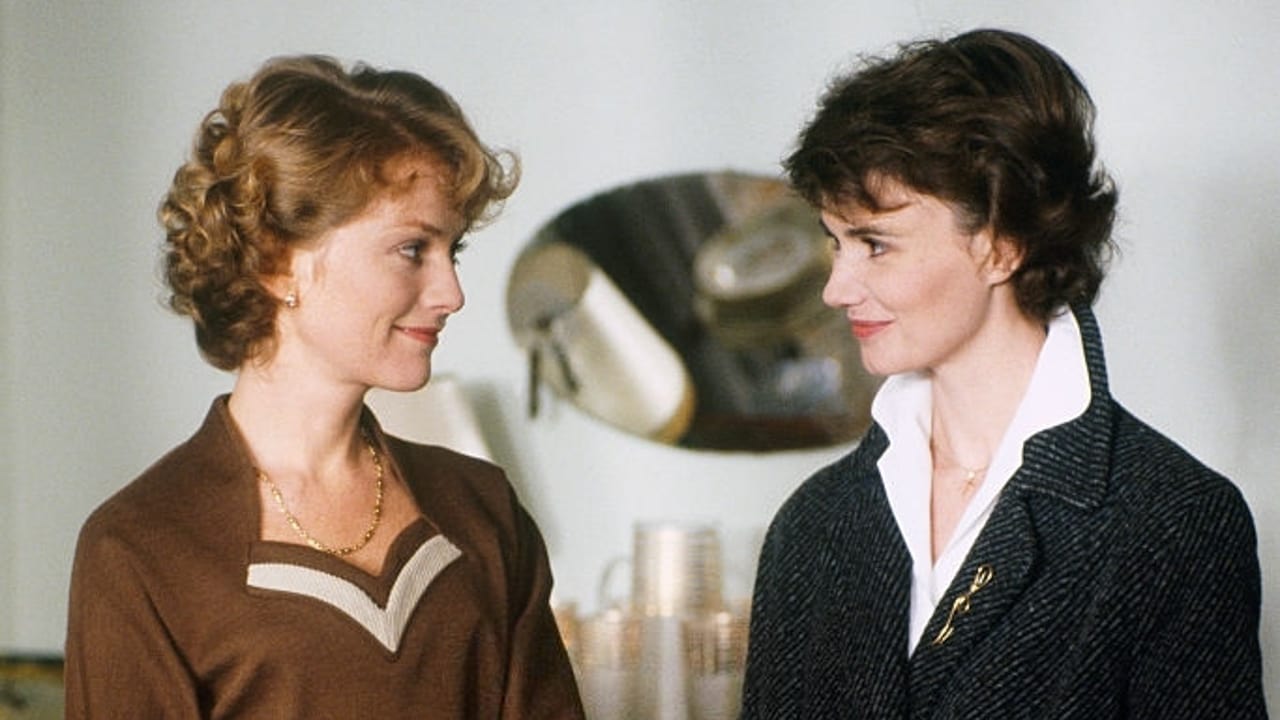
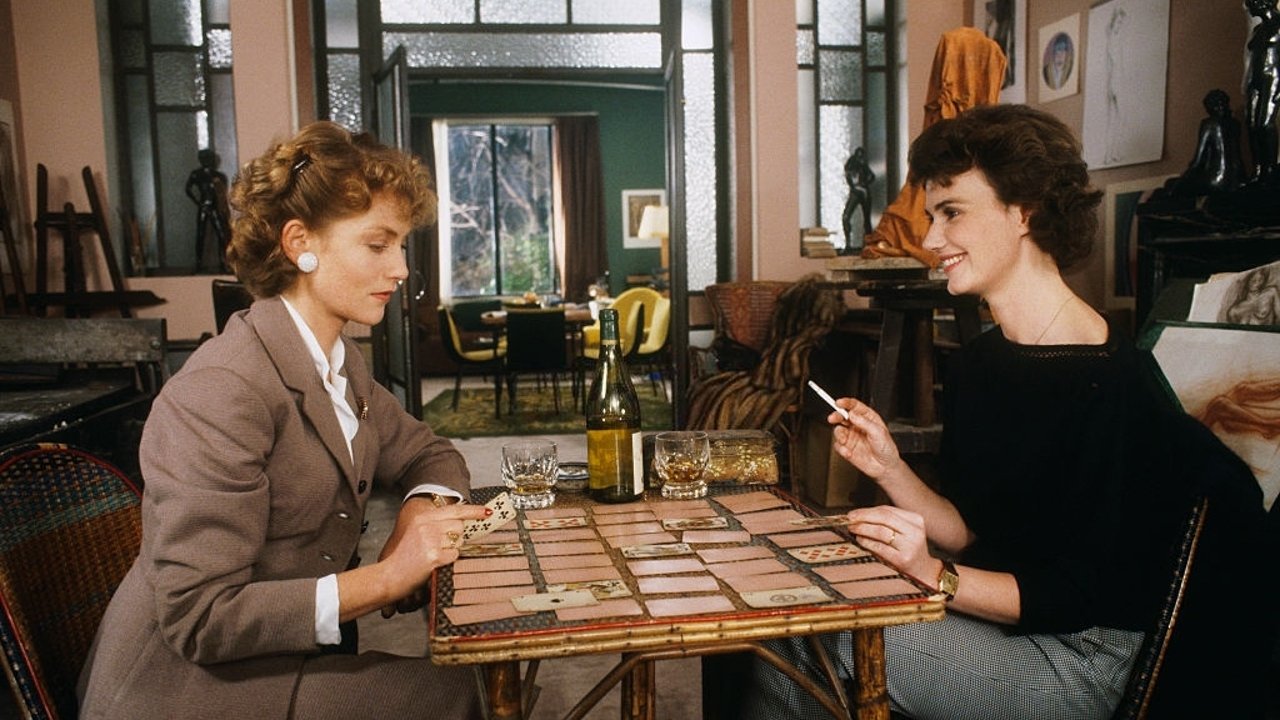
Knowing the autobiographical roots of Entre Nous adds another layer of poignancy. Diane Kurys, who also co-wrote the screenplay with Alain Le Henry, isn't just telling a story; she's excavating her own family history, trying to understand the forces that shaped her parents' lives and, ultimately, her own childhood. This personal investment shines through in the film's authenticity, its refusal of melodrama in favor of lived-in moments and quiet emotional truths. The period details – the clothes, the cars, the specific atmosphere of 1950s France – feel less like set dressing and more like integral parts of the characters' world, reinforcing the societal pressures they navigate. It’s no surprise the film earned an Academy Award nomination for Best Foreign Language Film; its artistry and emotional depth are undeniable. Kurys, who had already made waves with her debut Peppermint Soda (1977), solidified her reputation here as a director with a unique talent for exploring the inner lives of women.
Finding Truth on Magnetic Tape
Discovering Entre Nous on VHS back in the day felt like uncovering a hidden gem. It wasn't the kind of film typically advertised with flashy trailers; it was something you found through word-of-mouth, a recommendation from a discerning video store clerk, or simply by taking a chance on an intriguing cover box. Watching it on a flickering CRT, the intimacy of the story felt amplified. It was a film that demanded attention, rewarding patient viewing with its nuanced performances and thoughtful exploration of themes that still resonate: the search for identity, the courage to pursue personal happiness even when it disrupts the status quo, and the enduring power of profound connection. What does it truly mean to be fulfilled? And what sacrifices are we willing to make for it? These questions linger long after the credits roll.
Rating: 9/10
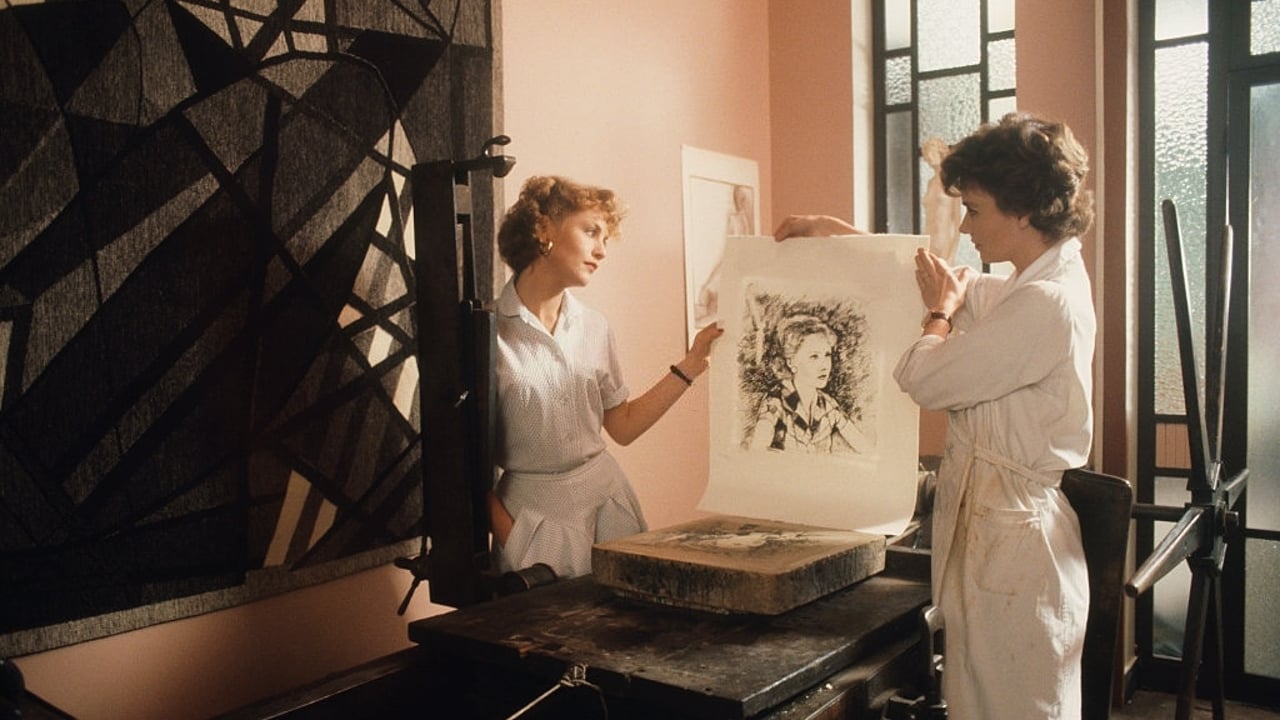
Entre Nous earns this high rating for its exquisite performances, particularly from Huppert and Miou-Miou, its deeply sensitive direction by Diane Kurys, and its courageous, nuanced exploration of female friendship and desire within a specific historical context. The autobiographical layer lends it a rare authenticity, and its refusal to offer easy answers makes it all the more powerful and enduring. It’s a beautifully crafted film that captures the quiet ache of unspoken longing and the bravery required to choose oneself.
It remains a poignant reminder that sometimes the most significant relationships are the ones that defy easy definition, born not of obligation, but of a sudden, undeniable spark of recognition – a true coup de foudre.