Star 80
Some license plates are just random identifiers, stamped metal signifying little more than ownership. Others, like the vanity plate proclaiming 'STAR 80' affixed to a black Mercedes, become chilling prophecies, unavoidable markers on a road leading inexorably toward tragedy. Watching Bob Fosse’s final film, Star 80 (1983), feels less like revisiting a movie and more like confronting a ghost – the ghost of Dorothy Stratten, and perhaps the ghost of a certain kind of American dream turned nightmare. This isn't a comfortable watch, even decades later on a forgiving format; renting this tape back in the day often meant returning it with a lingering sense of unease, a stark contrast to the usual escapism sought from the video store shelves.
An Unflinching Autopsy
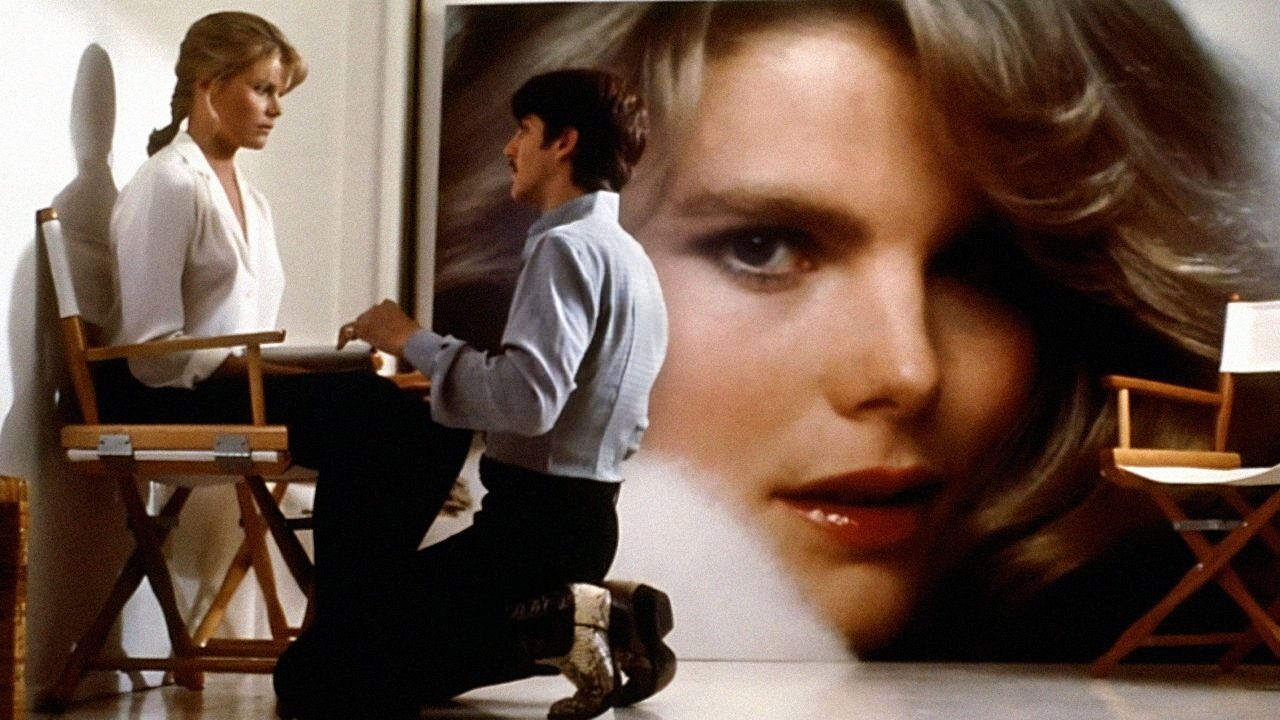
Bob Fosse, already renowned for peeling back the glitter to reveal the grime of show business in masterpieces like Cabaret (1972) and the semi-autobiographical All That Jazz (1979), directs Star 80 with a surgeon's precision, though perhaps performing an autopsy rather than offering a cure. This was, tragically, his final cinematic statement, and it feels imbued with a weary, almost fatalistic understanding of ambition's destructive power. The film employs a fractured narrative, jumping between timelines – Dorothy’s innocent beginnings, her dizzying rise as a Playboy Playmate of the Year, Paul Snider's desperate attempts to control her trajectory, and pseudo-documentary interviews offering fragmented perspectives after the horrific climax. This non-linear structure, masterfully lensed by the legendary Sven Nykvist (Ingmar Bergman's frequent collaborator), isn't confusing; it's suffocating. It mirrors the inevitability of the outcome, trapping the viewer alongside Dorothy in a story whose end we already know, yet are powerless to change.
The Moth and the Flame
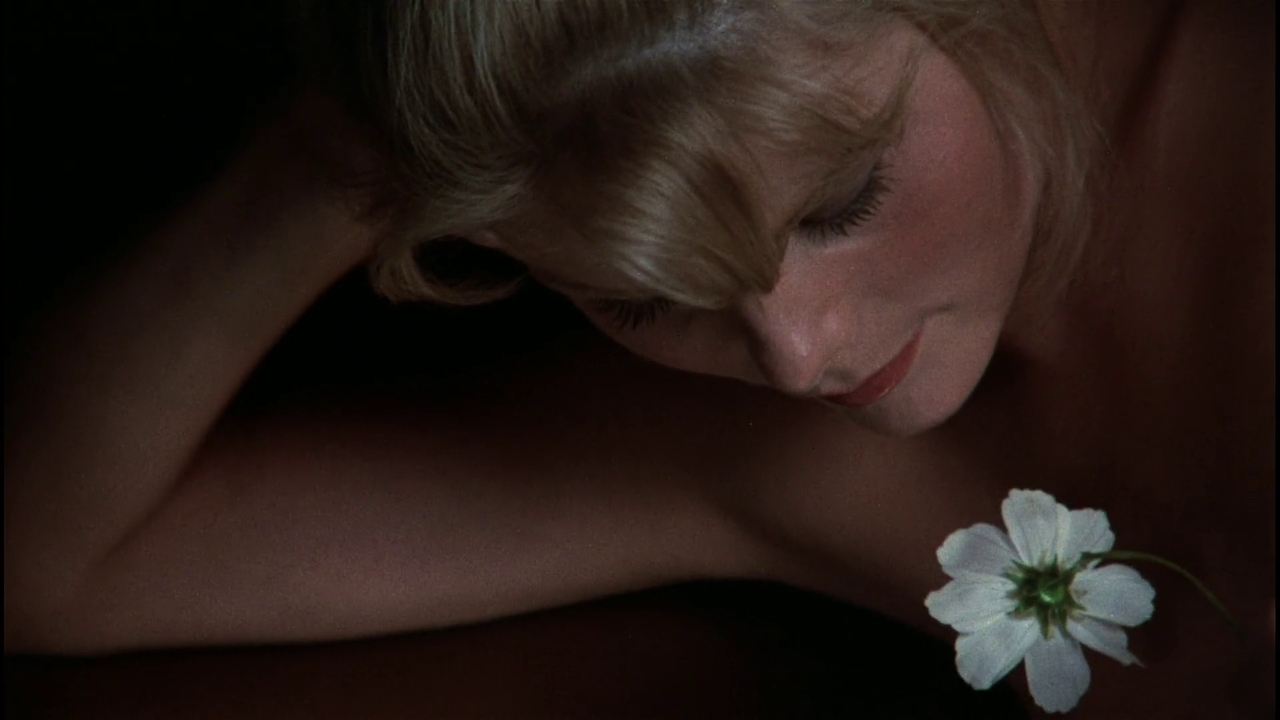
At its heart is the devastatingly short life of Dorothy Stratten, played with heartbreaking vulnerability by Mariel Hemingway. We see her evolution from naive Dairy Queen employee to polished centerfold, a transformation fueled by the obsessive ambitions of her small-time promoter husband, Paul Snider. Hemingway captures Dorothy's initial sweetness and burgeoning confidence, but also the quiet dread that creeps in as she realizes the nature of the bargain she's made. It's a performance made all the more poignant by Hemingway's own commitment; she famously underwent breast augmentation surgery for the role (later reversed), a decision mirroring the very commodification the film critiques. Her journey feels authentic, a gradual awakening overshadowed by an ever-present threat.
Portrait of a Predator
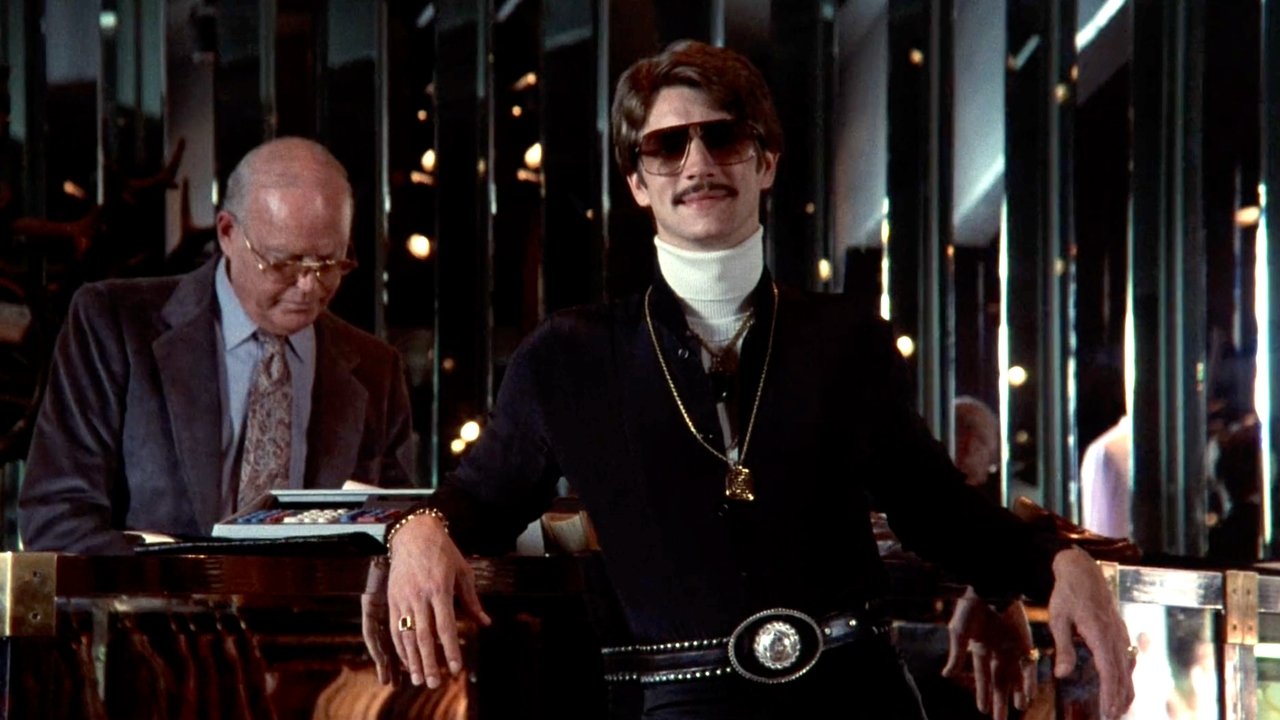
Opposite Hemingway, Eric Roberts delivers a career-defining, utterly terrifying performance as Paul Snider. This isn't a mustache-twirling villain; it's a deeply pathetic, terrifyingly real portrait of inadequacy curdled into murderous rage. Roberts channels Snider’s desperate neediness, his slick charm barely masking a profound insecurity that boils over as Dorothy's star ascends beyond his grasp. He is the tacky suits, the desperate scheming, the chilling possessiveness. It’s a performance that burrows under your skin precisely because it feels so uncomfortably human in its monstrosity. Roberts earned a Golden Globe nomination, and watching it again, you understand why; it’s the kind of raw, fearless work that likely typecast him for years but remains undeniably powerful. Reportedly, Roberts stayed intensely in character on set, contributing to the palpable tension.

Behind the Mansion Gates
The film doesn't shy away from the environment that facilitated Dorothy's rise and, indirectly, her fall. Cliff Robertson portrays Hugh Hefner not as a simple caricature, but as a detached, almost clinical figure orchestrating his empire. Filming was permitted within the actual Playboy Mansion, lending an unsettling authenticity to these scenes. It’s a world presented as both alluring and insidiously transactional. Star 80 courted controversy upon release for its stark portrayal and refusal to soften the edges – it wasn't interested in celebrating the Playboy fantasy, but rather examining the potential human cost beneath the airbrushed surface. Made for roughly $12 million, its modest $6.5 million box office gross perhaps reflected audience unease with such a dark, ripped-from-the-headlines tragedy presented without easy answers.
The Lingering Chill of 'STAR 80'
Watching Star 80 today, its power hasn't diminished. If anything, its themes of fame, exploitation, toxic masculinity, and the commodification of individuals feel depressingly resonant. Fosse’s unflinching approach makes it a difficult but essential piece of 80s cinema, a stark counterpoint to the decade's frequent optimism. It's a film that doesn't offer catharsis, only the cold, hard truth of a life extinguished too soon, driven by forces still very much present in our culture. What lingers most after the credits roll? Perhaps it's the hollow echo of that license plate – a desperate claim to stardom that ultimately signified only destruction.
Rating: 8/10
This score reflects the film's artistic bravery, Fosse's uncompromising direction, and the absolutely riveting, deeply unsettling performances from Hemingway and particularly Roberts. It's a technically masterful, thematically potent film, though its relentless bleakness and disturbing subject matter prevent it from being an "enjoyable" watch in the conventional sense, hence not reaching a 9 or 10. It achieves precisely what it sets out to do, leaving an indelible, uncomfortable mark.
Star 80 isn't a tape you'd pop in for a casual movie night, but its chilling dissection of fame's dark underbelly remains unforgettable, a cautionary tale etched into the magnetic tape of VHS history.