Love and Lies
That First Cut, Deepest of All
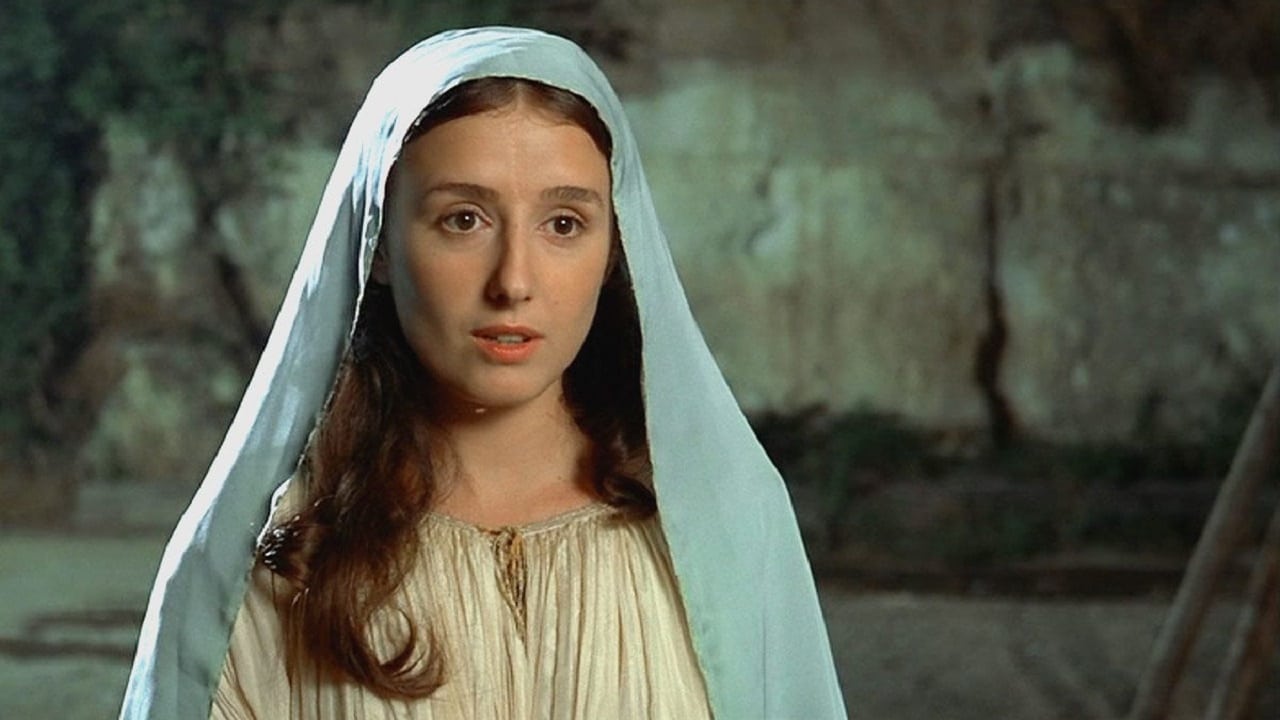
There's a particular ache that accompanies the memory of first love, isn't there? A rawness, an intensity that feels almost otherworldly in retrospect. It’s this very feeling that permeates every frame of Ilya Frez's 1981 Soviet gem, Вам и не снилось... (often found on worn VHS tapes under the somewhat blunter title Love and Lies, though more accurately translated as You Never Dreamed Of...). Watching it again after all these years, it strikes me not just as a teenage romance, but as a deeply poignant exploration of youthful idealism colliding head-on with the complicated, often compromised, world of adults. It leaves you with a quiet weight, a sense of something fragile irrevocably broken.
Moscow's Young Lovers
The premise is deceptively simple, echoing familiar star-crossed narratives. In early 80s Moscow, teenagers Katya Shevchenko (Tatyana Aksyuta) and Roman Lavochkin (Nikita Mikhaylovsky) fall for each other with the total, consuming passion only the young seem capable of. Their connection is immediate, palpable – conveyed through shared glances, hesitant touches, and earnest pronouncements that feel utterly genuine. But their burgeoning love story quickly runs afoul of their families, particularly Roman’s mother, Tatyana (Elena Solovey, known for her work with Nikita Mikhalkov like A Slave of Love (1976)), a literature teacher whose own past heartbreaks cast long shadows. What unfolds isn't just parental disapproval, but a web of past grievances, misunderstandings, and misguided attempts at protection that threaten to tear the young couple apart.
Performances That Ring True
What elevates Love and Lies beyond a standard teen drama is the astonishing authenticity of its central performances. Tatyana Aksyuta, remarkably playing a high-schooler while actually in her early twenties, perfectly captures Katya's wide-eyed sincerity and fierce devotion. There’s a vulnerability in her gaze that feels incredibly real. Opposite her, Nikita Mikhaylovsky imbues Roman with a quiet intensity and poetic soulfulness. Their chemistry is the film’s beating heart; you believe entirely in their world-unto-themselves love. Knowing that Mikhaylovsky tragically passed away from leukemia just a decade later at the age of 27 adds an almost unbearable layer of poignancy to his portrayal of youthful vitality and yearning. The supporting cast, including Irina Miroshnichenko as Katya’s pragmatic mother and Lidiya Fedoseyeva-Shukshina as Roman's stern grandmother, add layers of complexity, ensuring the adults aren't mere caricatures but flawed individuals driven by their own histories and fears.
More Than Just Romeo and Juliet
While the comparisons to Shakespeare are inevitable, Love and Lies feels distinctively rooted in its time and place. The obstacles aren't ancient family feuds but rather the more mundane, yet equally devastating, mechanisms of adult interference and Soviet-era bureaucracy. A forced separation disguised as a move for Roman's "health," intercepted letters, whispered manipulations – these feel chillingly plausible. The film, based on the novel by Galina Shcherbakova, tapped into something raw and real for Soviet audiences, becoming a massive success (reportedly drawing over 26 million viewers in its first year). It dared to portray teenage emotions with a seriousness and lack of condescension that felt revolutionary. It wasn't just about love; it was about the struggle to have that love recognized and respected by an adult world that seemed determined to misunderstand it.
A Haunting Melody and A Changed Fate
One cannot discuss this film without mentioning its haunting score by Alexey Rybnikov. The main theme, "Последняя поэма" ("The Last Poem"), with lyrics adapted from a poem by Rabindranath Tagore, became an enormous hit in its own right, perfectly encapsulating the film's blend of lyrical romance and impending sorrow. It’s one of those melodies that instantly transports you back.
Here’s a fascinating piece of behind-the-scenes insight that significantly alters the film’s impact: Shcherbakova's original novel ended far more tragically, with Roman actually dying after his fall. However, Soviet film authorities apparently requested a less bleak conclusion. Director Ilya Frez managed to negotiate the ambiguous ending we see on screen – Roman is injured, Katya reaches him, but their ultimate fate remains uncertain, suspended in a moment of desperate reunion. Does this soften the blow or create a different kind of lingering sadness? It’s a question that likely sparked many discussions among audiences back then, and it still resonates today, highlighting the tightrope filmmakers often walked.
The Lingering Echo
Love and Lies isn't a film packed with action or overt stylistic flourishes. Its power lies in its quiet observation, its emotional honesty, and its unwavering empathy for its young protagonists. Frez directs with a gentle hand, allowing the performances and the palpable atmosphere of youthful yearning against a backdrop of grey Moscow streets to carry the weight. It captures that specific, bittersweet intensity of first love – the feeling that this person is your entire world, and the terrifying realization that the world outside might not agree. It’s a film that might have slipped under the radar for many Western viewers during the VHS boom, overshadowed by louder, brasher imports. But discovering it, or rediscovering it now, feels like uncovering a hidden treasure – poignant, heartfelt, and surprisingly affecting. It reminds us how universal the pangs of young love are, regardless of time or place, and how devastating the consequences can be when adults forget what that intensity felt like.
Rating: 8/10
This rating reflects the film's powerful emotional core, the exceptional lead performances, and its cultural significance as a sensitive portrayal of youth within its specific context. While perhaps feeling dramatically familiar in places, its authenticity and the lingering impact of its bittersweet mood make it a standout. It earns its place as a cherished, if melancholic, piece of Soviet cinematic history.
Final Thought: What lingers most is the film's quiet insistence on the validity of young feelings, a reminder that the intensity of first love, however fleeting it might seem later, shapes us in ways we rarely anticipate.
You Might Also Enjoy
The Fabulous Baker Boys
1989
Untamed Heart
1993
Love Jones
1997
An Unmarried Woman
1978
The Aviator's Wife
1981
My Best Friend's Girl
1983
Heartburn
1986
Beaches
1988
The Accidental Tourist
1988
Devil in the Flesh
1986
Nine 1/2 Weeks
1986
An Autumn's Tale
1987
Too Beautiful for You
1989
Cyrano de Bergerac
1990