Hour of the Star
Sometimes, amidst the neon glow of action heroes and the synth-pop pulse of teen comedies that dominated the video store aisles, you’d stumble upon a tape with unassuming cover art, a title that promised something different, something… quieter. Suzana Amaral’s 1985 film, Hour of the Star (A Hora da Estrela), was often one of those discoveries. It wasn't the explosive spectacle many craved on a Friday night, but pulling this tape from the shelf felt like unearthing a hidden piece of cinematic soul, a stark and poignant whisper against the usual roar. Watching it unfold on a flickering CRT felt less like entertainment and more like bearing witness.

An Existence Barely Lived
The film introduces us to Macabéa (Marcélia Cartaxo), a young woman who seems almost translucent against the overwhelming backdrop of São Paulo. Having migrated from the impoverished northeast of Brazil, she survives, barely, as a typist. She is poorly educated, profoundly naive, lacking in social graces, and seemingly devoid of the very qualities society values. She eats cold hot dogs, listens to the radio station "Radio Clock" for fragmented facts, and dreams small, almost imperceptible dreams. Is there anything more heartbreaking than watching someone navigate a world that seems utterly indifferent to their existence? Amaral, adapting the final, revered novella by the brilliant Brazilian author Clarice Lispector, doesn't shy away from the bleakness of Macabéa's reality. The camera often observes her with a quiet intimacy that feels both compassionate and devastatingly honest.
The Unforgettable Face of Quiet Desperation
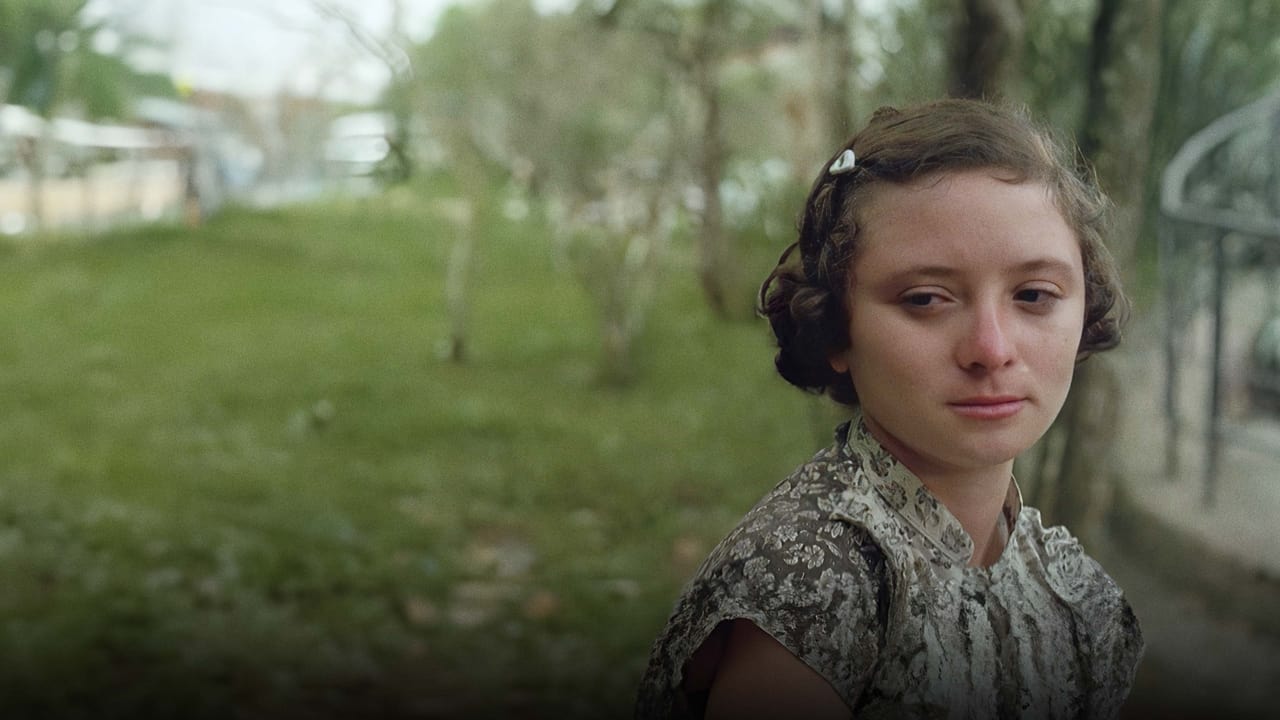
What elevates Hour of the Star from a potentially grim slice-of-life to a truly unforgettable cinematic experience is the central performance. Marcélia Cartaxo is simply astonishing as Macabéa. It's a performance devoid of vanity, embodying the character's physical and emotional awkwardness with a truthfulness that's almost painful to watch. She doesn't play naive; she is naive, radiating a vulnerability that makes you want to protect her, even as you recognize her frustrating limitations. Her occasional, hesitant smiles are like brief flickers of sunlight in a perpetually overcast sky. It’s a testament to Cartaxo’s incredible work, justly awarded the Silver Bear for Best Actress at the Berlin International Film Festival, that Macabéa remains so vividly etched in memory long after the credits roll. She makes the abstract concept of societal neglect devastatingly concrete.
Fleeting Connections, False Promises
Macabéa's world is sparsely populated. Her primary connection is with Olímpico (José Dumont), an equally struggling factory worker whose ambitions, though crude and self-serving, offer a sharp contrast to Macabéa's passivity. Dumont portrays Olímpico not as a simple villain, but as another product of deprivation, grasping for status and masculinity in ways that are ultimately just as clumsy and doomed as Macabéa's search for simple affection. Their interactions are awkward, almost anti-romantic, highlighting the profound difficulties of connection when survival itself is a daily struggle.
Later, seeking guidance, Macabéa visits Madame Carlota, a fortune teller played with mesmerizing, world-weary flair by the legendary Fernanda Montenegro (long before her international acclaim for Central Station (1998)). Montenegro's brief scene is a powerhouse moment. Carlota, initially dismissive, offers Macabéa a sudden, dazzling prophecy of happiness – a foreign lover, wealth, a complete reversal of fortune. Is it kindness? Cruelty? Or perhaps just the tired performance of someone selling dreams for a living? The ambiguity is haunting, setting the stage for the film's quietly shattering conclusion.
Behind the Modest Image
Adapting Clarice Lispector is no small feat. Her writing is known for its philosophical depth and stream-of-consciousness style. Suzana Amaral, making her feature directorial debut at the remarkable age of 53, wisely chose to focus the narrative tightly on Macabéa's experience, translating Lispector's existential concerns into visual terms. The film was shot on location, capturing the grit and indifference of urban São Paulo without romanticizing poverty. There's a distinct lack of cinematic flourish; the style is direct, observational, allowing the weight of Macabéa's reality and Cartaxo's performance to carry the film. It's a choice that underscores the feeling of watching something unflinchingly real. While Lispector's novella includes a complex male narrator reflecting on Macabéa's story, Amaral streamlines this, keeping our focus squarely on the young woman herself, making her plight immediate and visceral.
A Different Kind of VHS Gem
Finding Hour of the Star back in the day was often a happy accident, maybe tucked away in the "Foreign Films" section, if your local store even had one. It wasn't the kind of tape you rented with a group of friends for a raucous movie night. This was something else – a film that demanded quiet attention, patience, and empathy. Watching it felt different; it was a reminder that the shelves held more than just explosions and punchlines. They held stories that burrowed under your skin, stories that explored the corners of human experience often left in shadow. It’s a film whose starkness perhaps felt even more pronounced on a standard definition television, the slightly fuzzy image mirroring Macabéa’s own blurred place in the world. This wasn't escapism; it was immersion into a life profoundly unlike the ones typically shown on screen, yet universally resonant in its depiction of loneliness and the simple, desperate human need to be seen.
---
Rating: 9/10
Hour of the Star is a masterpiece of quiet devastation. Its power lies not in grand gestures, but in its unwavering focus on a single, marginalized life, brought heartbreakingly to fruition by Marcélia Cartaxo's unforgettable performance and Suzana Amaral's sensitive, intelligent direction. It avoids sentimentality, yet achieves profound emotional depth. The rating reflects its artistic integrity, the sheer force of its central performance, and its unflinching exploration of difficult themes with grace and humanity. It’s not an "easy" watch, but its resonance is undeniable and deeply affecting.
Final Thought: What becomes of those who live unnoticed, whose only crime is their own insignificance in the eyes of the world? Hour of the Star doesn't offer simple answers, but leaves you contemplating that question long after Macabéa’s story concludes. A truly essential piece of Brazilian cinema, and a potent reminder of the hidden depths waiting to be discovered on those well-worn VHS tapes.