My Sweet Little Village
There’s a certain rhythm to life in the Czech village of Křečovice, a gentle, unhurried pulse that beats quite differently from the frantic energy we often associate with 80s cinema. It’s this quiet cadence that Jiří Menzel’s 1985 masterpiece, My Sweet Little Village (Vesničko má středisková), captures so perfectly. Watching it again after all these years, perhaps pulled from a well-loved, slightly worn VHS tape, feels less like stepping back in time and more like entering a beautifully observed, self-contained world where the dramas are small but resonate with profound humanity.
An Unlikely Pair at the Wheel
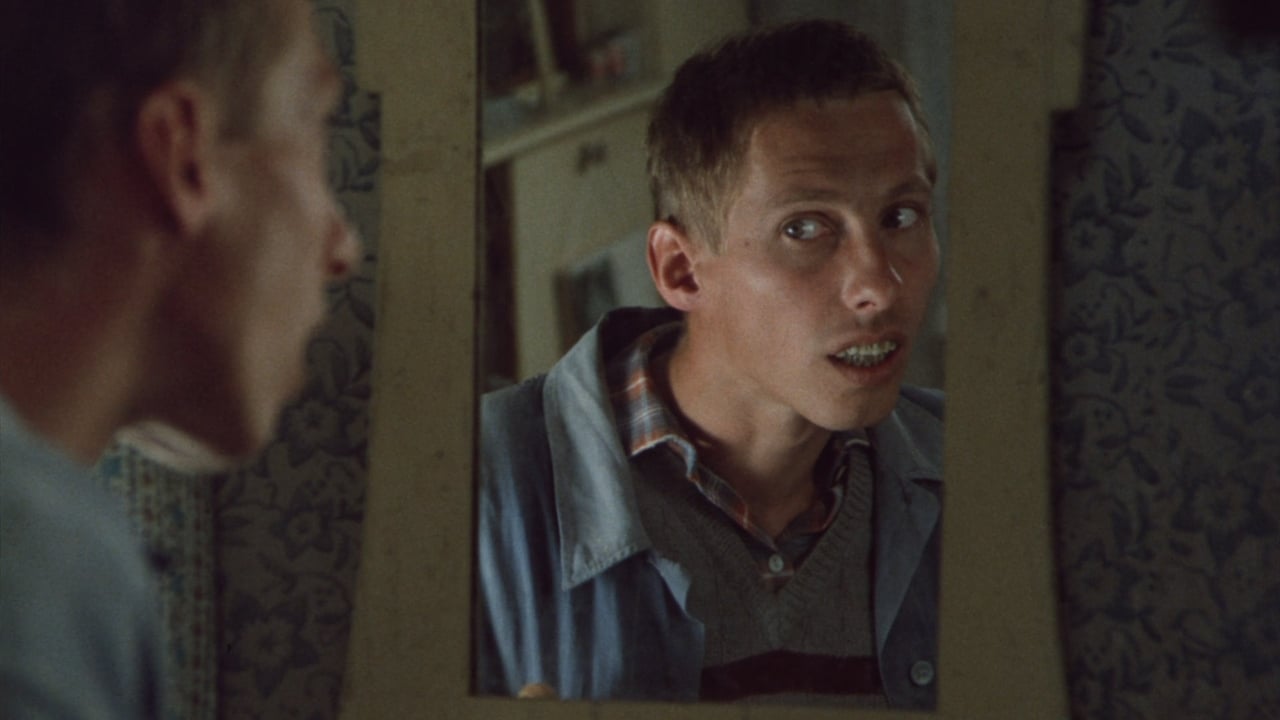
At the heart of this world are Pávek (Marián Labuda), a burly, often exasperated truck driver for the local collective farm, and his assistant, Otík Rákosník (János Bán). Otík is… well, Otík is unique. Gentle, good-natured, and possessing a childlike innocence, he’s also profoundly clumsy, easily distracted, and seemingly incapable of performing the simplest task without some minor catastrophe ensuing. Their relationship forms the film’s warm, beating core: Pávek’s gruff frustration constantly battles with a deep-seated, almost paternal affection and sense of responsibility for his perpetually hapless co-pilot. It’s a dynamic written with exquisite nuance by Zdeněk Svěrák, who would later win an Oscar for writing Kolya (1996), and brought to life with incredible authenticity by the lead actors.
Performances Steeped in Truth
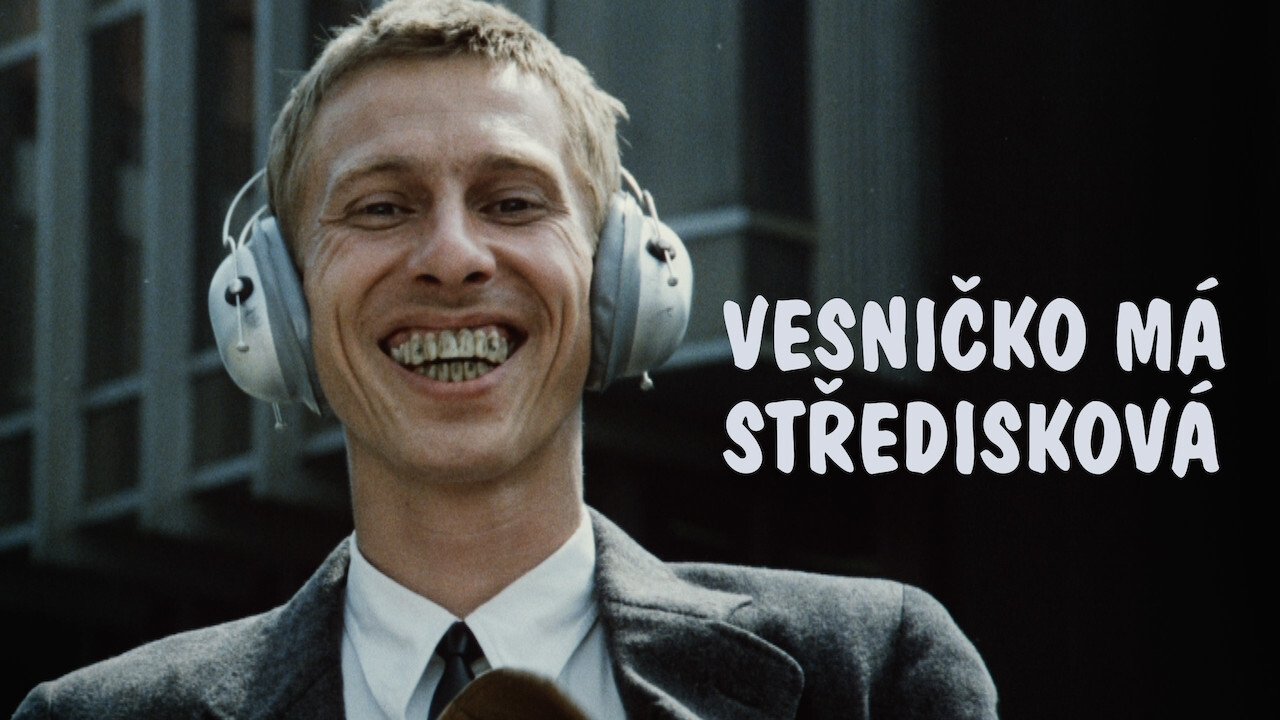
The performances are simply wonderful, devoid of caricature where it would have been so easy to stray. János Bán, a Hungarian actor, embodies Otík with such vulnerability and sweetness that you can’t help but root for him, even as he accidentally floods a client’s basement or nearly causes multiple road accidents. It’s a testament to Bán’s skill, especially considering director Menzel reportedly had initial reservations, thinking Bán looked too intelligent for the part. Writer Svěrák, however, championed him, and the result is iconic. Marián Labuda as Pávek is the perfect counterpoint – his sighs and muttered complaints are legendary in Czech cinema, yet beneath the bluster, you see a man grappling with loyalty, frustration, and a reluctant sense of duty. He makes Pávek utterly believable, a man trying to navigate his own life while tethered to Otík’s unpredictable orbit. And then there’s the legendary Rudolf Hrušínský as Dr. Skružný, the village doctor, dispensing wry philosophical observations alongside medical advice. His scenes are small treasures, adding layers of gentle wisdom and world-weariness to the village tapestry.
Life in Křečovice
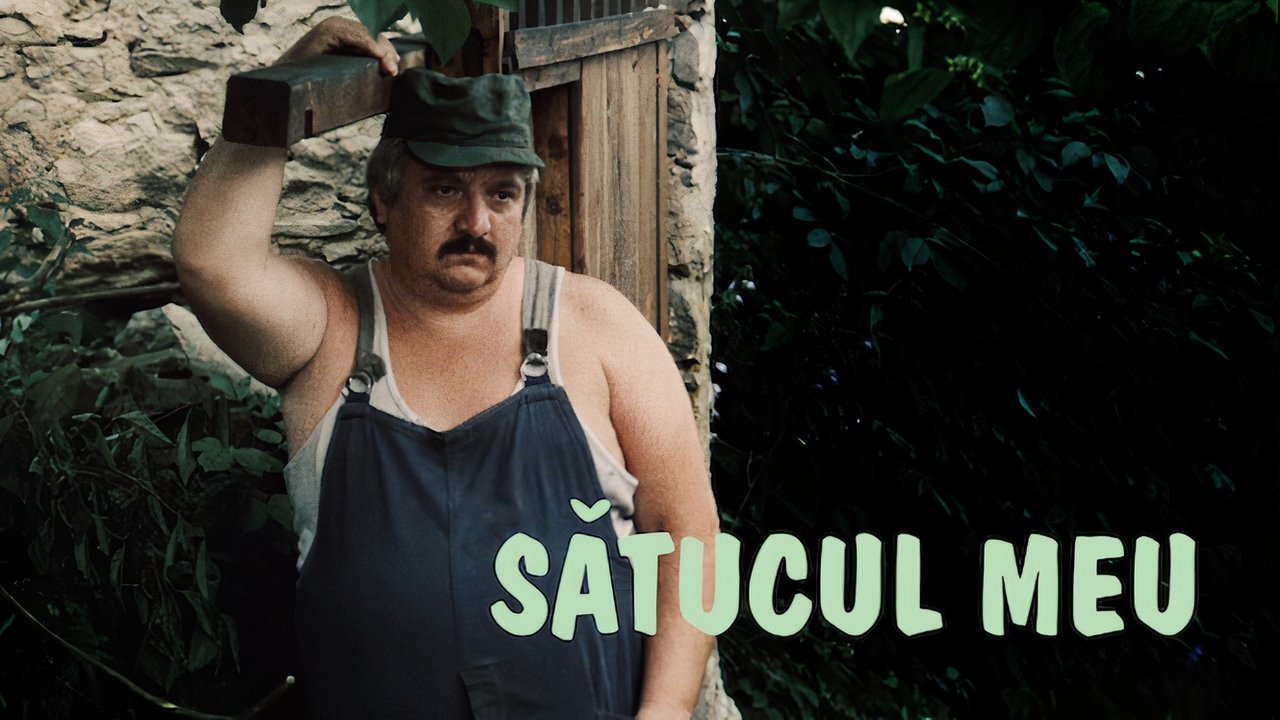
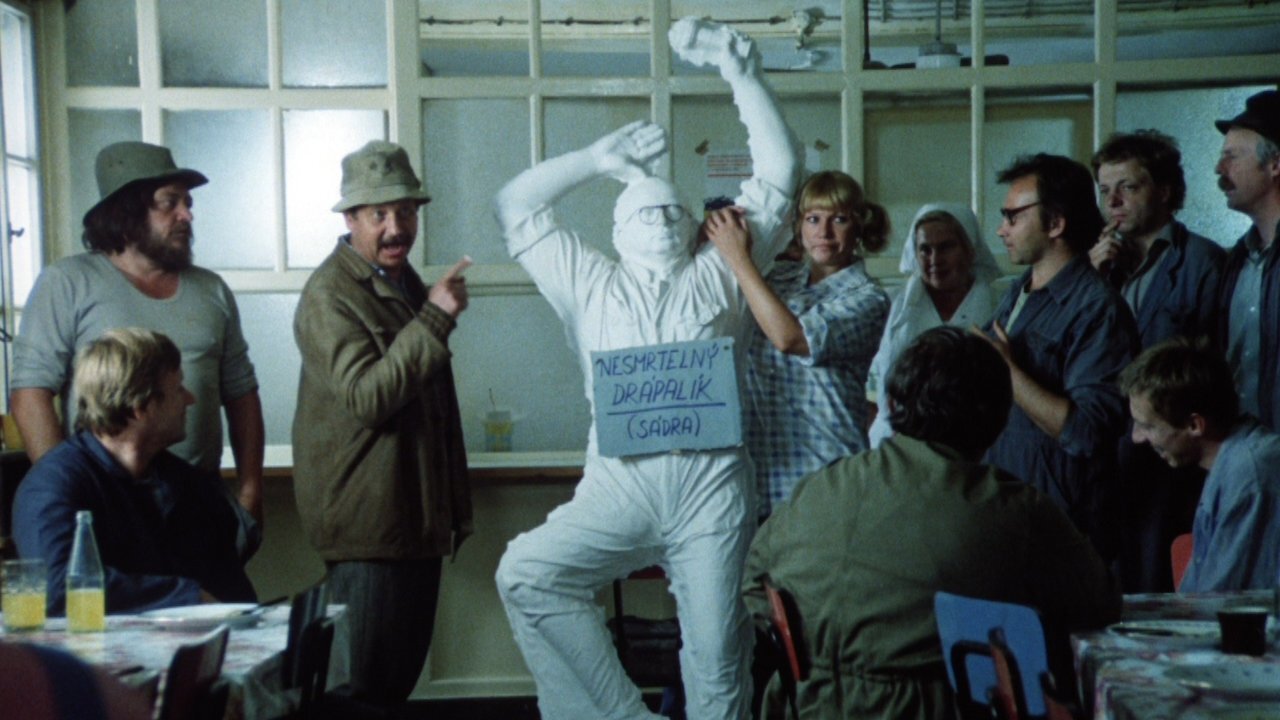
Menzel, known for his earlier Oscar-winner Closely Watched Trains (1966), directs with a masterful, unobtrusive eye. He lets the life of the village unfold naturally. We meet the other inhabitants – the gossiping neighbours, the adulterous husband trying to coordinate rendezvous, the young apprentice dreaming of girls, the painter decorating the cultural center. Their stories interweave, creating a rich portrait of rural community life, warts and all. There’s infidelity, jealousy, petty squabbles, and bureaucratic absurdity (like the plan to move Otík to a flat in Prague, which drives much of the plot), but it’s all handled with a light touch and deep empathy. The humor arises organically from the situations and the characters' foibles, never feeling forced or mean-spirited.
Filmed largely on location in the real village of Křečovice, central Bohemia, the film possesses an unmistakable authenticity. You can almost smell the damp earth and the diesel fumes, feel the slow passage of afternoon sun across the fields. This wasn't a soundstage approximation; it feels like a genuine place inhabited by real people, which undoubtedly contributed to its staggering success in its homeland, where it remains one of the most beloved films ever made.
A Subtle Charm That Endures
What makes My Sweet Little Village resonate, even decades later? It taps into something universal about community, tolerance, and the often-unspoken bonds that tie us together. Pávek’s dilemma – whether to accept a transfer to Prague and rid himself of the daily burden of Otík – forces him, and us, to consider what truly matters. Is efficiency more important than compassion? Is an easier life necessarily a better one? The film doesn't offer easy answers but explores these questions with gentle humor and warmth.
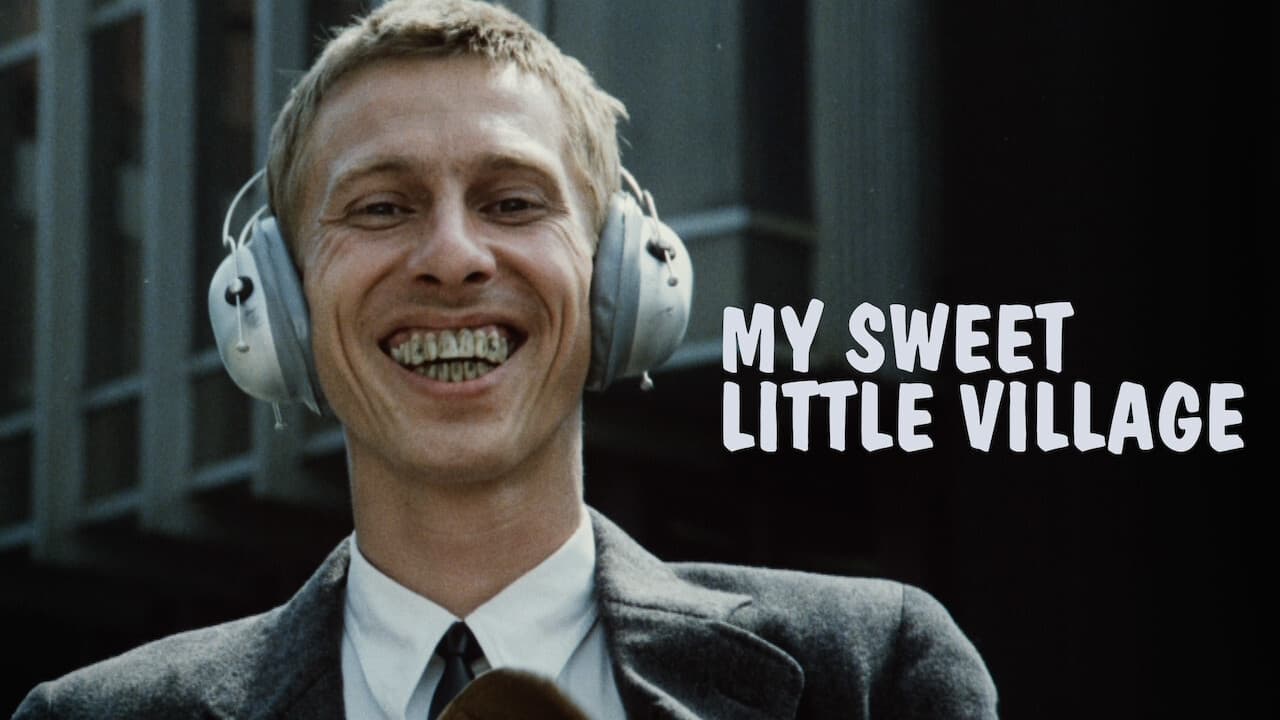
Finding this film back in the day, perhaps tucked away in the 'Foreign Language' section of the video store, felt like discovering a hidden gem amidst the louder action flicks and glossy Hollywood comedies. It was proof that cinema could be quiet, observational, and still incredibly engaging and moving. It doesn't rely on dramatic plot twists or high stakes, but on the richness of its characters and the bittersweet poetry of everyday existence. It captures a specific time and place – the rhythms of collective farm life in late-socialist Czechoslovakia are subtly present – yet its themes of friendship, belonging, and finding value in unlikely places remain timeless.
Rating: 9/10
This near-perfect score reflects the film's masterful blend of humor and pathos, its unforgettable characters brought to life by flawless performances, and Jiří Menzel's supremely confident, humanistic direction. It avoids sentimentality while being deeply touching, and its gentle observational style feels just as fresh and insightful today. My Sweet Little Village isn't just a comedy; it's a warm embrace, a wise chuckle, and a poignant reminder of the beauty found in the imperfections of ordinary life. It leaves you not with grand pronouncements, but with a quiet, lingering affection for its flawed, funny, utterly human villagers.
You Might Also Enjoy
The Elementary School
1991
Kolya
1996
...All the Marbles
1981
All Fired Up
1982
Author! Author!
1982
Count Tacchia
1982
Diner
1982
Fast Times at Ridgemont High
1982
I Know That You Know That I Know
1982
Journey with Papa
1982
Labyrinth of Passion
1982
Ladies and Gentlemen, the Fabulous Stains
1982
My Friends Act II
1982
Station for Two
1982