Clockwise
Alright, settle in, fellow tapeheads. Pop that well-worn copy of Clockwise (1986) into the VCR – you know the one, maybe the label’s peeling a bit at the corner? Let the tracking adjust just so. Because tonight, we’re diving into a glorious symphony of escalating anxiety, a peculiarly British road trip comedy fueled by the ticking tyranny of time itself, starring the incomparable John Cleese in a role tailor-made for his unique brand of tightly-wound brilliance. Forget high-octane explosions for a moment; this is the slow-motion car crash of a meticulously ordered life, and it’s strangely compelling stuff.
The Tyranny of the Timetable
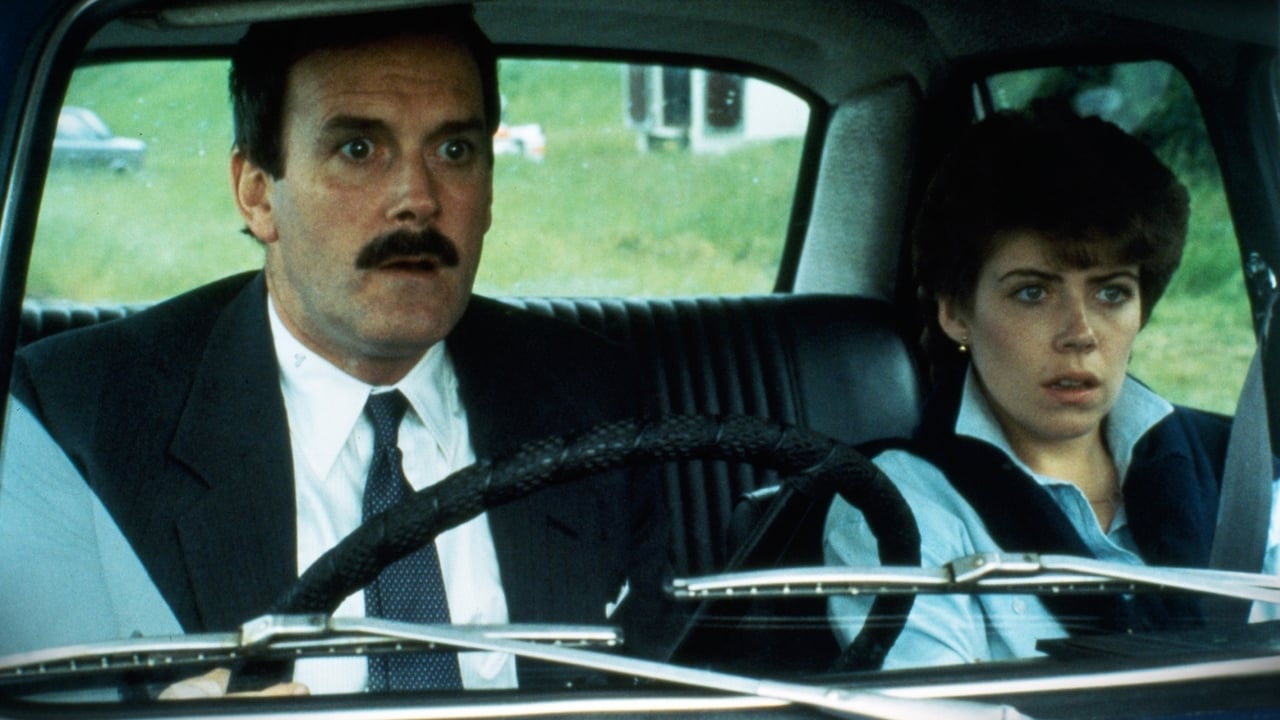
Meet Brian Stimpson (Cleese). Headmaster of a comprehensive school, a man whose entire existence revolves around punctuality. Not just punctuality, but a zealous, almost religious devotion to it. He doesn't just run his life by the clock; he is the clock. And he’s finally achieved his crowning glory: chairmanship of the Headmasters' Conference, delivering the keynote speech. Everything is planned, timed to the second. What could possibly go wrong? Oh, just about everything.
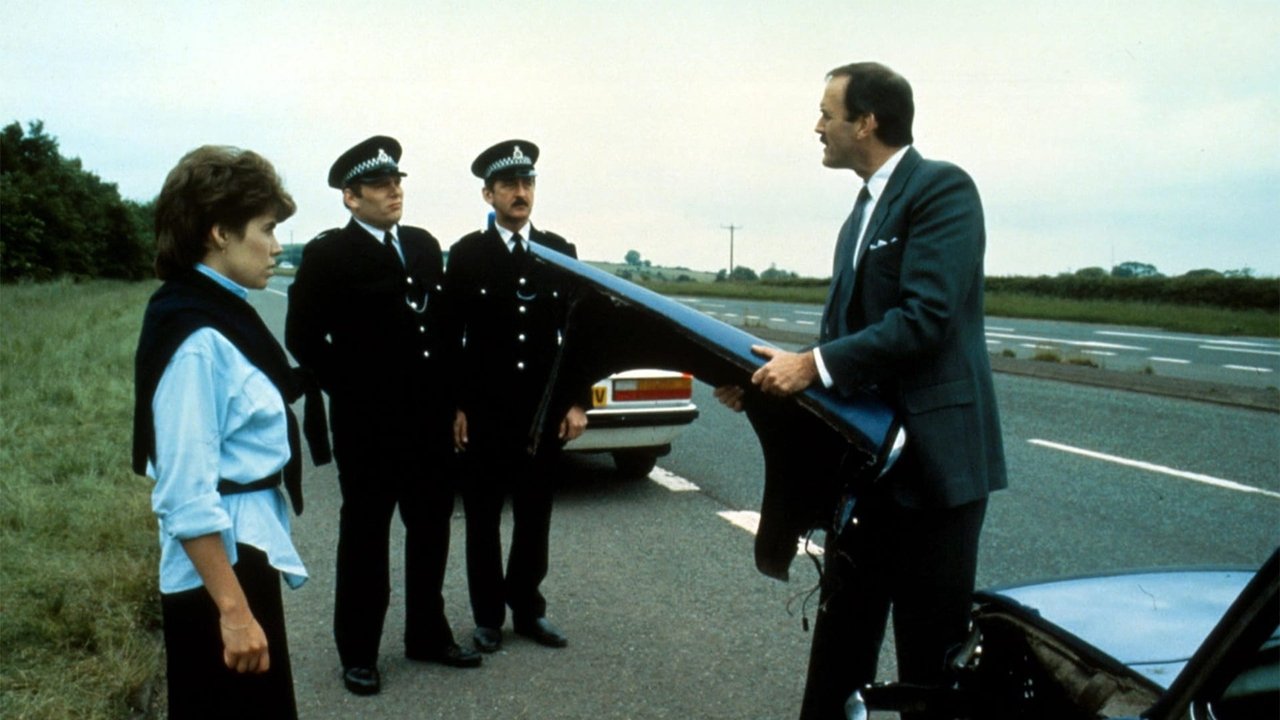
This is where Clockwise truly shines. It’s a masterclass in the comedy of accumulation. A simple mistake – boarding the wrong train – triggers a cascade of increasingly farcical disasters. It’s less laugh-a-minute gag-fest and more a beautifully orchestrated descent into chaos, propelled by Stimpson’s increasingly frantic attempts to regain control. Cleese, fresh off the anarchic genius of Monty Python and the high-strung hilarity of Fawlty Towers, delivers something subtly different here. Stimpson isn't Basil Fawlty, prone to explosive rage (though moments bubble up). He’s initially a figure of supreme, almost smug, control. The comedy comes from watching that control systematically dismantled by missed trains, mistaken identities, borrowed cars, bewildered locals, and a very muddy field. It's a performance of magnificent disintegration.
A Very British Calamity
What elevates Clockwise beyond a simple "bad day" movie is its bone-deep Britishness. Written by the celebrated playwright and novelist Michael Frayn (who penned the legendary stage farce Noises Off), the script has a sharp ear for the nuances of English awkwardness, repressed frustration, and the quiet desperation lurking beneath polite surfaces. Frayn reportedly wrote the part specifically for Cleese, seeing him as the perfect vessel for Stimpson's particular brand of mania, and it shows. The dialogue crackles with dry wit and escalating panic.
The journey takes Stimpson through the decidedly unglamorous landscapes of the English Midlands and Yorkshire – no scenic Hollywood vistas here, just service stations, provincial towns, and damp countryside, all captured with a certain grounded realism by director Christopher Morahan. Morahan, primarily known for his extensive, acclaimed television work (including The Jewel in the Crown), brings a steady hand, letting the situational humour and Cleese's performance drive the film without unnecessary stylistic flourishes. The supporting cast is a treasure trove of familiar British faces. Penelope Wilton is wonderful as Stimpson’s increasingly exasperated wife, Gwenda, trying to track his chaotic progress. And Alison Steadman pops up brilliantly as a former pupil who offers Stimpson a lift, blissfully unaware of the vortex of misfortune she’s driving into. Remember Stephen Moore as the laid-back, slightly patronizing former pupil Stimpson encounters? His calm amusement is the perfect foil to Stimpson’s spiralling panic.

The Grindhouse of Embarrassment
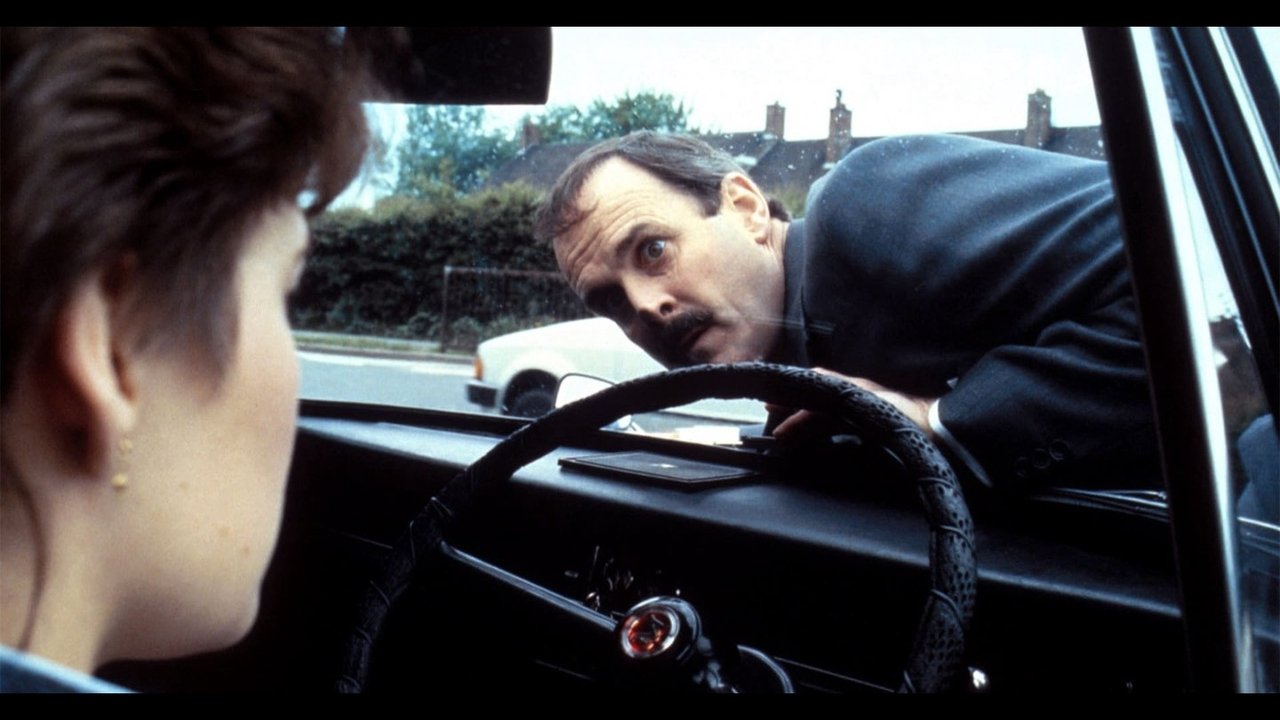
Okay, so maybe "grindhouse" is strong, but the feel of watching Stimpson’s predicament unfold has that raw, slightly uncomfortable edge that feels very VHS era. There are no slick CGI fixes here. When Stimpson trudges through mud, it looks like real, soul-destroying mud. When he has awkward encounters in phone boxes (remember those?), the frustration feels tangible. This isn't a film about stunts in the traditional sense, but Cleese's physical comedy – the stiff-backed posture gradually slumping, the desperate sprints, the sheer embodiment of anxiety – is its own kind of demanding performance. The film reportedly cost around £3 million to make, a modest sum even then, and that grounded budget contributes to its realistic feel. It wasn't a box office smash, finding more of its audience, like so many gems, on home video where its particular brand of cringe-comedy could be savoured.
The score by George Fenton (who would later score classics like Groundhog Day and Gandhi) perfectly captures the mood, mixing a sense of mock-heroic importance with underlying notes of panic. It underlines Stimpson’s self-perception versus the absurd reality of his situation. Was there ever a more perfect cinematic representation of that nightmare where you're late for something vital and everything conspires against you?
Right on Time, or Hopelessly Late?
Clockwise is a fascinating entry in John Cleese's filmography and a standout British comedy of the 80s. It taps into universal anxieties about order, control, and the fear of public humiliation, wrapping them in a tightly plotted, increasingly absurd farce. It might test the patience of those looking for rapid-fire jokes, but for viewers who appreciate character-driven comedy and the slow, delicious burn of escalating disaster, it’s a treat. It’s the kind of film you might have stumbled upon late one night at the video store, intrigued by Cleese's face on the cover, and discovered something unexpectedly sharp and funny.
VHS Heaven Rating: 8/10
Justification: While perhaps not as consistently laugh-out-loud as Fawlty Towers, Clockwise boasts a towering central performance from Cleese, a cleverly constructed script by Frayn, and a perfectly captured sense of very British, very 80s anxiety. Its escalating farce is expertly handled, and its slightly more niche appeal makes it a rewarding find for comedy connoisseurs. It holds up beautifully as a study in controlled chaos.
Final Take: In an era before GPS and mobile phones could solve (or complicate) everything, Clockwise reminds us of the pure, analogue terror of being hopelessly lost and desperately late – a feeling captured with excruciating, hilarious precision. Press play and watch the timetable unravel.
You Might Also Enjoy
A Fish Called Wanda
1988
Fierce Creatures
1997
Noises Off...
1992
Life Is Sweet
1990
...All the Marbles
1981
Beware of the Jönsson Gang
1981
Three Brothers
1981
Buddy Buddy
1981
Buddy Goes West
1981
Carbon Copy
1981
Davaro: The Outsider
1981
Fracchia The Human Beast
1981
History of the World: Part I
1981
Hot Bubblegum
1981