Mr. Muhsin
Okay, fellow travelers through time and magnetic tape, let's rewind to a film that might not have screamed from the shelves of every Blockbuster but possesses a quiet power and poignant humanity that lingers long after the VCR clicks off. I'm talking about Yavuz Turgul's 1987 Turkish drama, Muhsin Bey (Mr. Muhsin). This isn't your typical high-octane 80s fare; instead, it offers something richer, sadder, and profoundly resonant – a melancholic portrait of fading traditions and the often-painful birth of the new.
The Echo of Changing Times
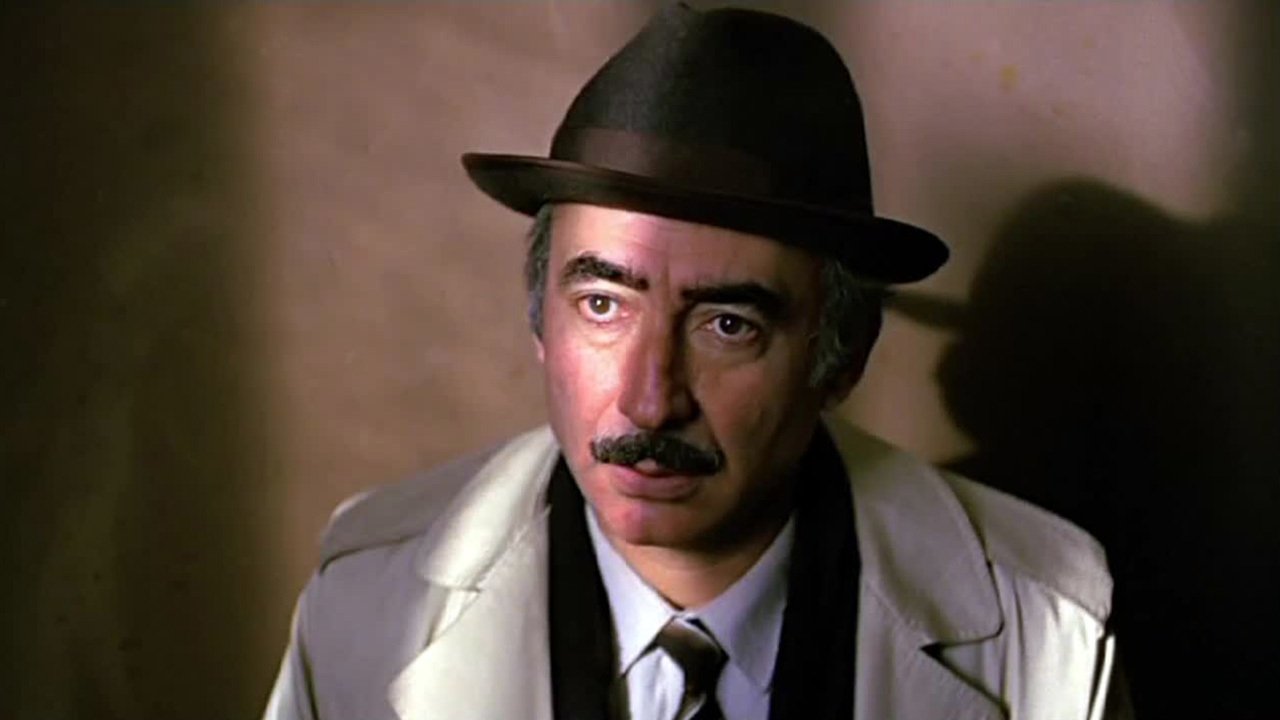
What strikes you first about Mr. Muhsin isn't explosive action or dazzling effects, but the palpable atmosphere of a world in transition. We meet Muhsin Bey, played with monumental, understated grace by the legendary Şener Şen, a man utterly devoted to the principles of Turkish classical music and a certain old-world Istanbul etiquette. He's a former music producer, now running a modest organizing company, living a life steeped in dignity but tinged with loneliness and the quiet awareness that his beloved world is receding. His sparsely furnished apartment, his meticulous routines, his deep respect for artistic purity – they all speak of a man holding onto the last vestiges of a fading era.
Into this carefully ordered existence crashes Ali Nazik, portrayed with a raw, almost desperate energy by a young Uğur Yücel (who would become another giant of Turkish cinema, often collaborating again with Şen and Turgul, notably in the phenomenal Eşkıya (The Bandit) nearly a decade later). Ali Nazik is everything Muhsin Bey is not: unpolished, fiercely ambitious, hailing from the provinces, and determined to become a star singing arabesk – the hugely popular, emotionally charged folk-pop fusion music that Muhsin Bey quietly despises as commercial and artistically bankrupt. This clash isn't just between two men; it's the collision of tradition and modernity, urban sophistication and rural aspiration, artistic integrity and the allure of fame.

A Masterclass in Understated Performance
The heart of Mr. Muhsin beats within the performances of its two leads. Şener Şen, often known for his brilliant comedic timing in other roles, delivers a masterclass in dramatic subtlety here. His Muhsin Bey is a study in contained emotion. You see the pride, the disappointment, the flicker of hope, and the crushing weight of solitude all playing out behind his eyes and in the slightest shifts of his posture. It’s a performance built on quiet observation and deep-seated principles, making his eventual moments of connection or frustration incredibly powerful. We feel his internal struggle as he wrestles with his disdain for Ali Nazik's music versus his grudging respect for the young man's raw talent and determination, perhaps even seeing a younger, more hopeful version of himself.
Uğur Yücel, meanwhile, is captivating as Ali Nazik. He embodies the hunger and naivete of youth chasing a dream in the big city. There's a vulnerability beneath his bravado, a desperation that makes his compromises and eventual transformation both understandable and slightly tragic. The chemistry between Şen and Yücel is magnetic; their mentor-protégé relationship, fraught with misunderstanding and unspoken affection, forms the film's emotional core. You believe entirely in their complex bond, a testament to both the actors' skill and Turgul's insightful script.
More Than Just a Story: Capturing a Moment
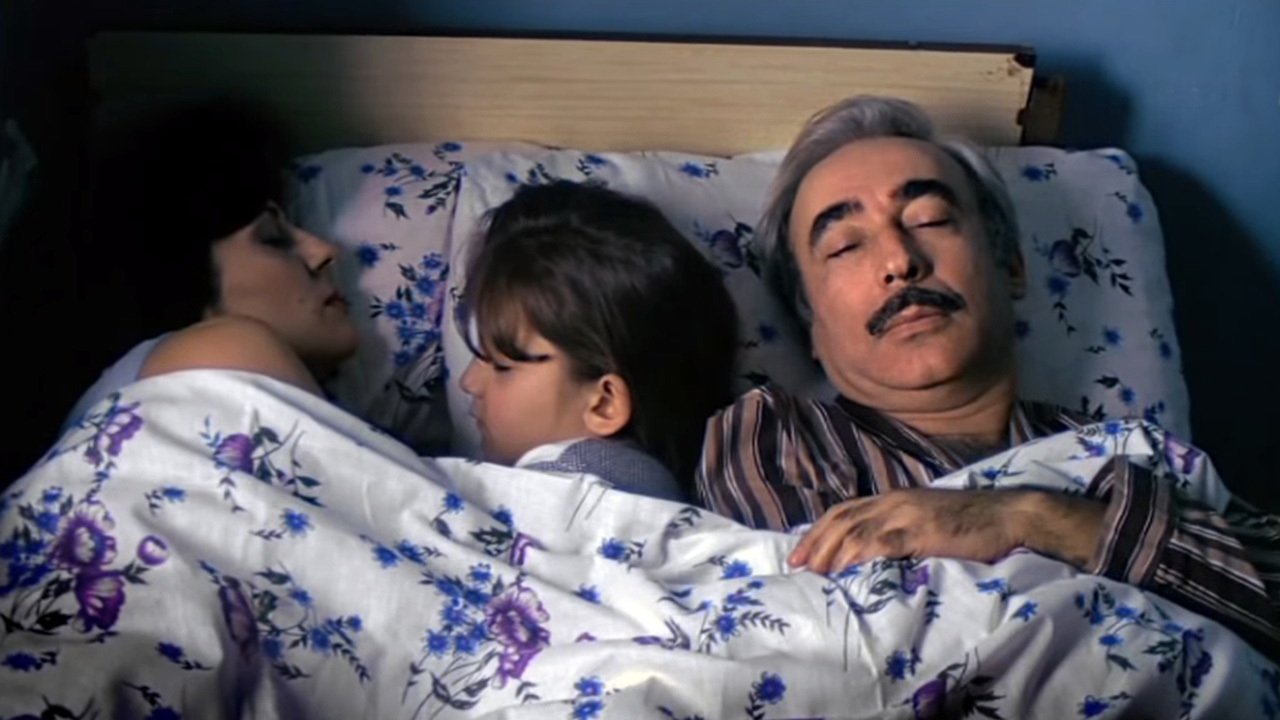
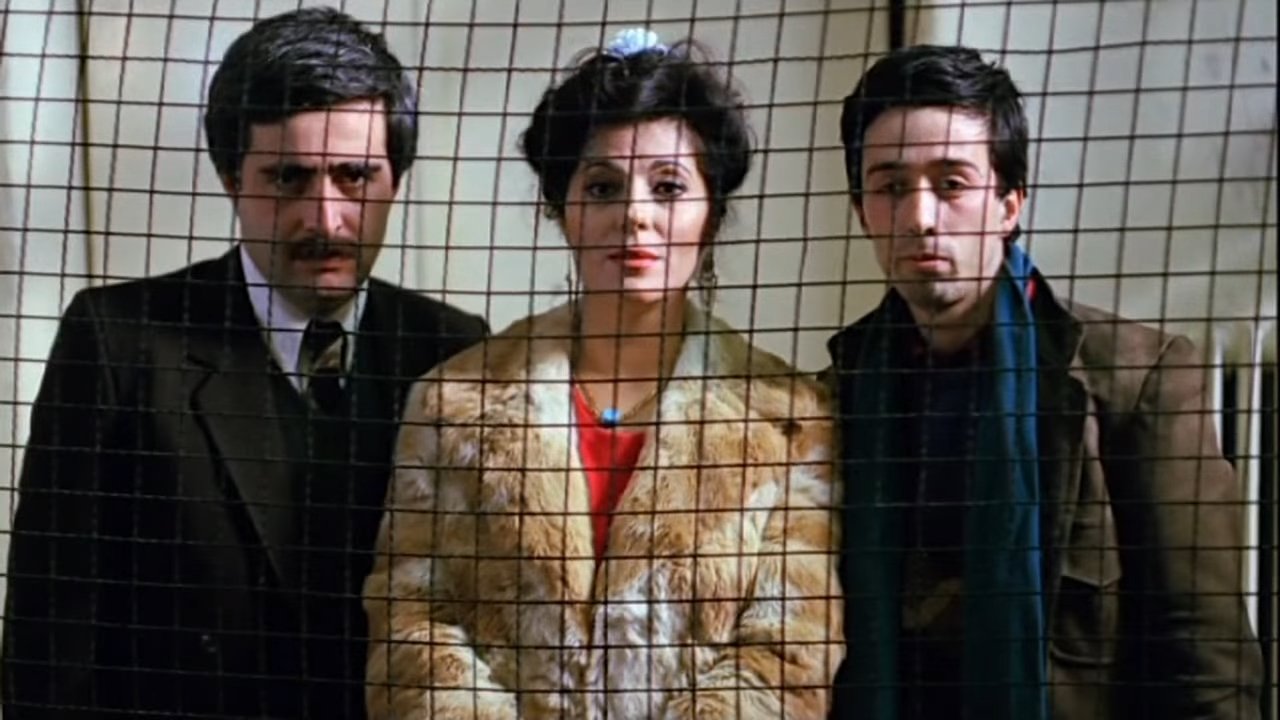
Yavuz Turgul, who both wrote and directed, doesn't just tell a story; he paints a picture of late 80s Istanbul, capturing the specific textures of the city and the cultural currents shaping it. The film subtly critiques the changing social landscape, the erosion of old values, and the often-merciless nature of the pursuit of fame. There's a profound sense of melancholy that permeates the narrative, underscored by a beautiful, reflective score. It’s not a film that offers easy answers or neat resolutions. Instead, it invites contemplation on the price of success, the meaning of artistic integrity, and the inevitable loneliness that can accompany clinging too tightly to the past.
Interestingly, Mr. Muhsin wasn't just a critical darling in Turkey – sweeping Best Film, Best Actor (Şen), and Best Supporting Actor (Yücel) at the prestigious Antalya Golden Orange Film Festival – it also tapped into very real cultural debates happening at the time about the rise of arabesk music and its place in national identity. Watching it now, it feels like a time capsule, preserving not just the look of the era, but its anxieties and aspirations. The film reportedly had a modest budget, relying more on its powerful script and performances than lavish production, a hallmark of Turgul's character-driven approach.
The Lingering Resonance
Does Mr. Muhsin feel dated? In its specific cultural context, perhaps. But its themes are timeless. The struggle between artistic purity and commercial necessity, the bittersweet pang of seeing a world you love disappear, the complex dynamics of mentorship, the loneliness of holding onto principles in a rapidly changing world – these are human experiences that transcend borders and decades. It might not have been the tape you reached for every Friday night, but discovering a gem like Mr. Muhsin tucked away on the shelf felt like unearthing something truly special, a film that spoke with a quiet, authentic voice.
Rating: 9/10
This rating reflects the film's exceptional performances, particularly from Şener Şen, its profound thematic depth, Yavuz Turgul's masterful direction and writing, and its poignant capturing of a specific cultural moment with universal resonance. It's a near-perfect example of character-driven drama that achieves its power through subtlety and emotional honesty, rather than spectacle.
Mr. Muhsin is a film that stays with you, a quiet ache of nostalgia not just for the VHS era, but for the dignity and melancholy it so beautifully portrays. It leaves you pondering: what values do we hold onto, and what price do we pay when the world moves on without us?