The Belly of an Architect
Amidst the explosion of vibrant, often synth-driven cinema that defined so much of the 1980s, certain films felt like transmissions from another world entirely. They arrived on video store shelves, often tucked away from the big new releases, their cover art hinting at something starker, more cerebral. Peter Greenaway’s The Belly of an Architect (1987) was undoubtedly one of these – a film whose very title suggests a focus far removed from car chases or high school dances, promising instead a deep dive into obsession, decay, and the imposing weight of history. It wasn’t your typical Friday night rental, perhaps, but for those who took the chance, it offered a singular, often unsettling, cinematic experience.
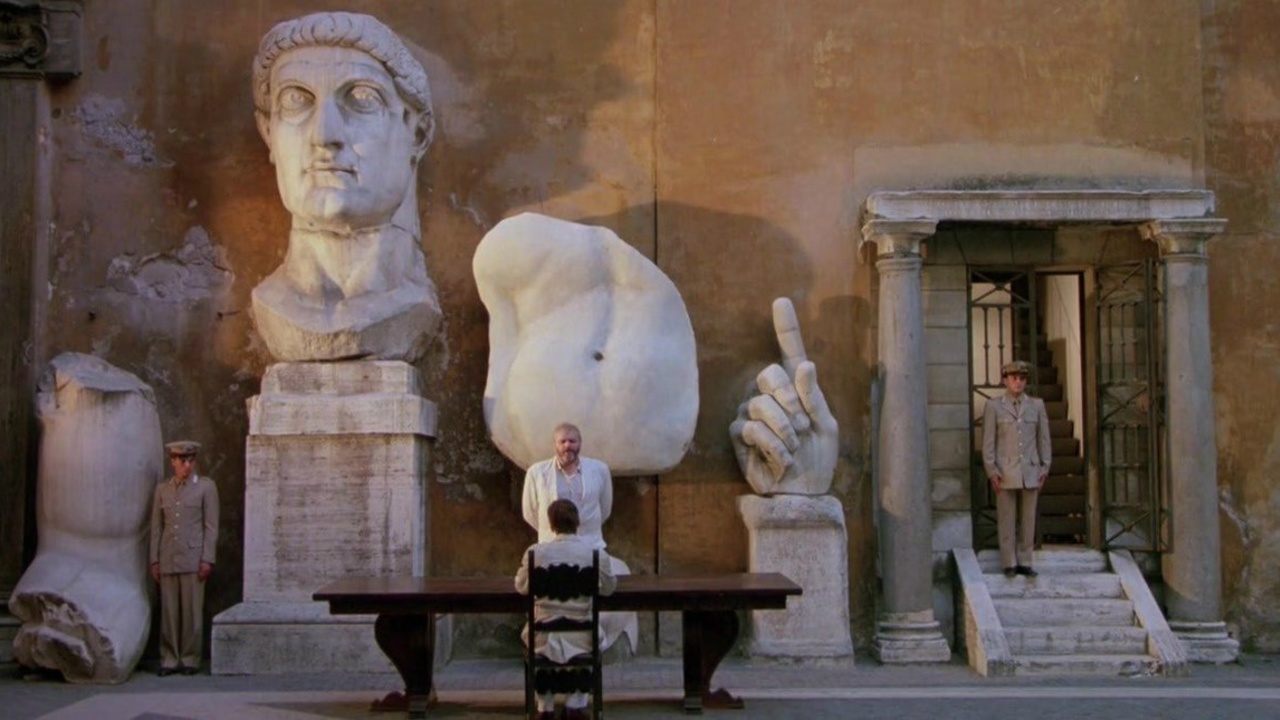
Monuments and Mortality
The film presents us with Stourley Kracklite (Brian Dennehy), a robust, seemingly confident American architect arriving in Rome with his younger wife, Louisa (Chloe Webb). His purpose: to curate an exhibition celebrating the visionary, yet largely unbuilt, works of the 18th-century French neoclassical architect Étienne-Louis Boullée. Rome, eternal and indifferent, becomes the stage for Kracklite’s burgeoning obsession, not just with Boullée's grand designs, but with his own body's sudden, alarming betrayal. As he grapples with debilitating stomach pains, eventually diagnosed as terminal cancer, his professional project and personal life begin to mirror his physical disintegration. Greenaway masterfully intertwines the architect's internal decay with the monumental, often decaying, architecture of Rome itself – the Pantheon, the Forum – creating a visual and thematic resonance that is both intellectually stimulating and profoundly melancholic.
Kracklite: A Towering, Crumbling Presence
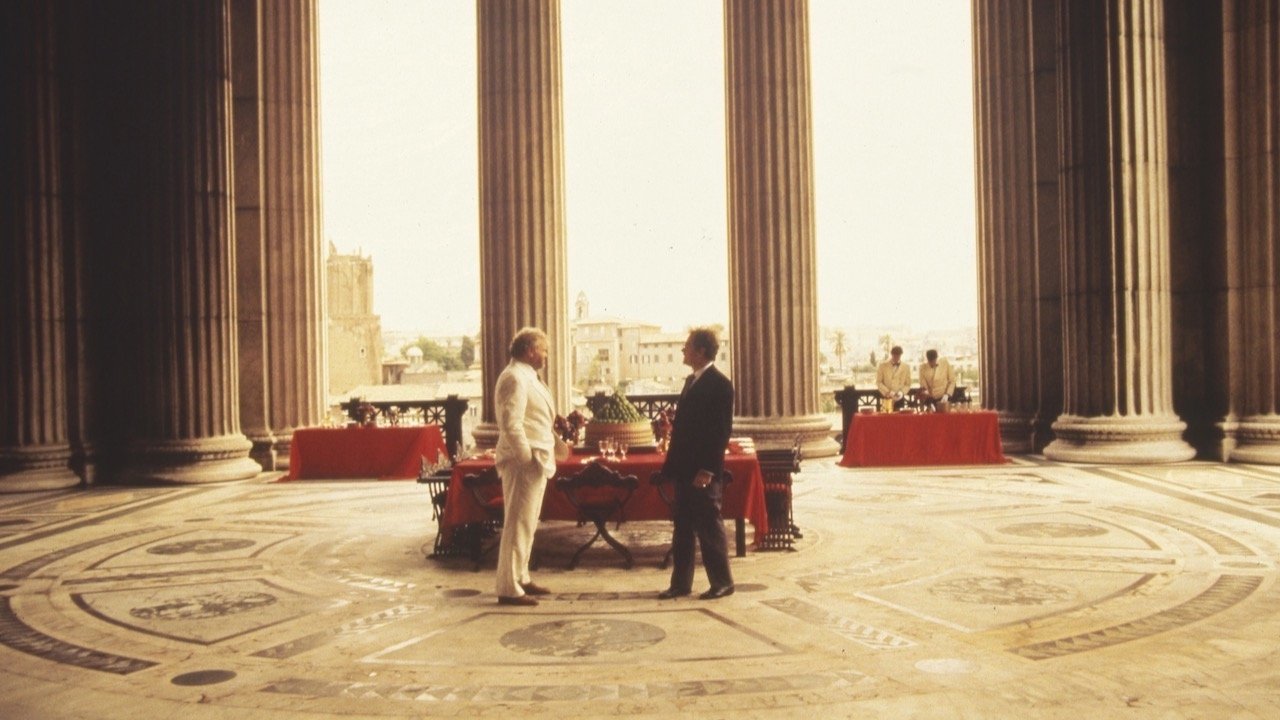
At the absolute core of this film is Brian Dennehy. Known often for his authoritative supporting roles or tough-guy personas (think First Blood (1982) or Cocoon (1985)), here he delivers a performance of astonishing vulnerability and raw physicality. Kracklite is initially presented as somewhat arrogant, consumed by his work, perhaps neglectful of his wife. But as his illness progresses, Dennehy strips away the bravado layer by layer. His mounting pain, paranoia, and desperation are palpable. We watch him measure his expanding belly, pore over anatomical drawings, and confront his own mortality with a mixture of intellectual curiosity and primal fear. It's a demanding, complex role, requiring an actor willing to be physically and emotionally exposed, and Dennehy inhabits it completely. It’s a performance that feels less like acting and more like witnessing a slow, inexorable collapse, and it's arguably one of the finest, most challenging roles of his distinguished career. Greenaway reportedly sought Dennehy specifically, having been impressed by his stage presence, and that theatrical power translates brilliantly to the screen here.
Greenaway's Precise Canvas
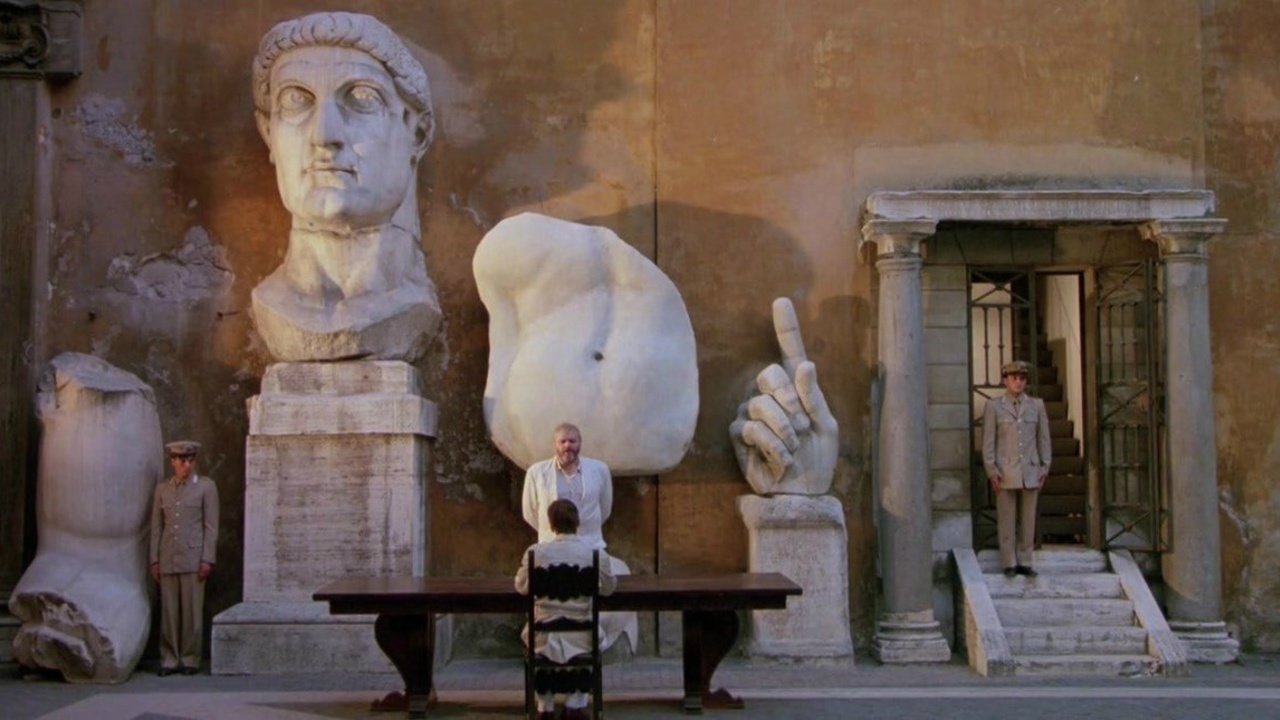
Peter Greenaway, coming from a background as a painter, approaches filmmaking with a meticulous eye for composition. The Belly of an Architect is structured with his characteristic formality – symmetrical shots, deliberate pacing, and a visual language deeply informed by art history. The architecture isn't just background; it's an active participant, dwarfing the human figures, symbolizing permanence, ambition, and ultimately, the hubris of attempting to leave an indelible mark. The film itself becomes a kind of architectural construct. Interestingly, Greenaway secured remarkable access to iconic Roman locations, allowing cinematographer Sacha Vierny (a frequent collaborator with Alain Resnais) to capture the city's grandeur and decay in stunning, often starkly beautiful, detail. This visual precision, paired with the minimalist, evocative score by Wim Mertens, creates an atmosphere that is both aesthetically rich and emotionally cool, drawing the viewer into Kracklite's increasingly claustrophobic world.
Supporting Structures and Hidden Details
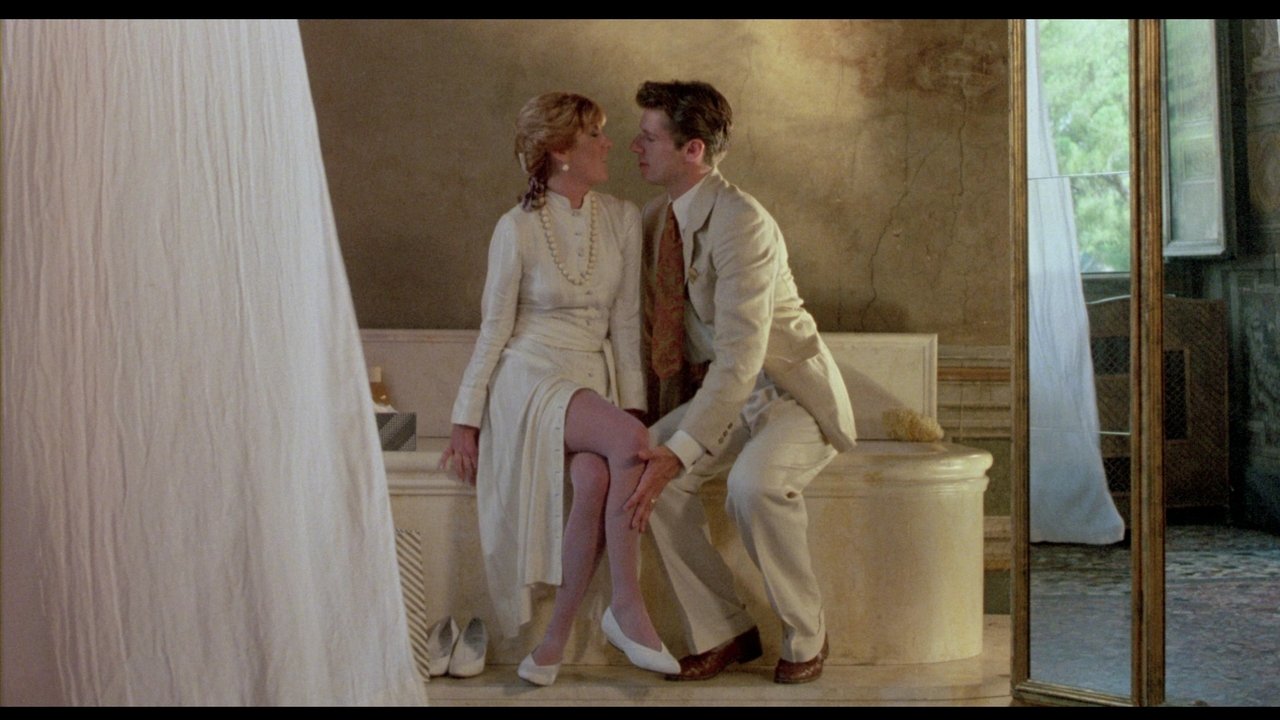
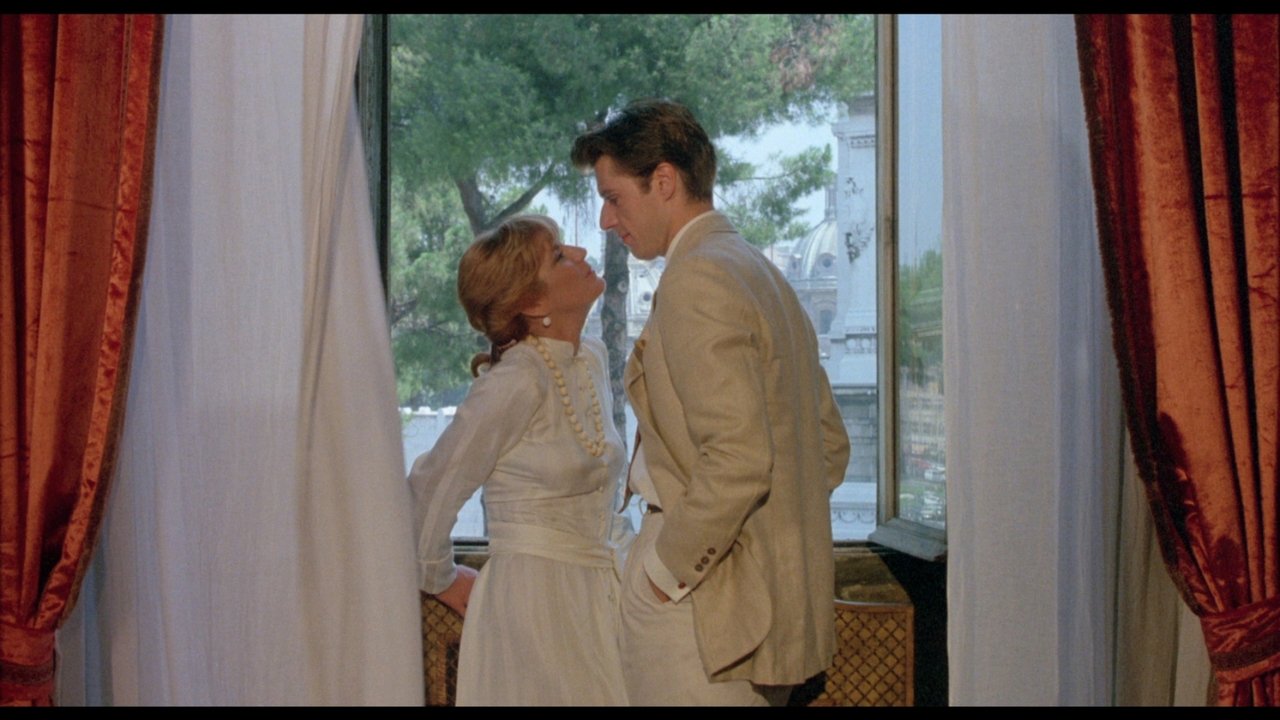
While Dennehy dominates, the supporting cast plays crucial roles in Kracklite's downfall. Chloe Webb, fresh off her explosive turn as Nancy Spungen in Sid & Nancy (1986), portrays Louisa's shift from supportive spouse to disillusioned partner, eventually finding solace (and perhaps revenge) with Kracklite’s slick Italian rival, Caspasian Speckler (Lambert Wilson). Wilson embodies the opportunistic cynicism that thrives in the shadows of Kracklite’s monomania. Their betrayal feels almost inevitable, another facet of the decay consuming the protagonist.
It's worth noting that the film competed for the Palme d'Or at the 1987 Cannes Film Festival, highlighting its artistic ambition. Greenaway's dedication of the film to Boullée underscores the deep connection between Kracklite's fate and the legacy of the architect he idolizes. The entire project feels like an elegy – for Kracklite, for unrealized genius, perhaps even for the physical body itself as a temporary vessel for grand ideas. One can imagine the discussions this film must have sparked among cinephiles back in the day, perhaps rented alongside something like Blue Velvet (1986) – another challenging, visually distinct film from the era that demanded attention.
Final Reflection
The Belly of an Architect is not an easy film. It's deliberate, sometimes alienating in its intellectualism, and its protagonist’s journey is undeniably bleak. Yet, it remains a potent and unforgettable piece of 80s art-house cinema. It tackles profound themes – the relationship between creation and mortality, the consuming nature of obsession, the vulnerability hidden beneath masculine confidence – with a unique visual and narrative style. Dennehy's central performance is a monumental achievement, a raw portrayal of a man confronting the simultaneous decay of his body and his life's work against the backdrop of eternal Rome. It lingers long after the credits roll, much like the imposing silhouette of the Pantheon against the sky.
Rating: 8/10 - This score reflects the film's significant artistic merit, Greenaway's distinctive vision, and Dennehy's powerhouse performance. It's a demanding watch, certainly not for everyone, but for those receptive to its challenging themes and formalist beauty, it's a deeply rewarding and haunting experience that stands apart from the mainstream fare of its time. It's a film that reminds you how vast and varied the landscape of 80s cinema truly was, even on those dusty VHS shelves.
You Might Also Enjoy
The Draughtsman's Contract
1982
A Zed & Two Noughts
1985
The Cook, the Thief, His Wife & Her Lover
1989
The Baby of Mâcon
1993
The Pillow Book
1995
8 ½ Women
1999
Drowning by Numbers
1988
Prospero's Books
1991
To Catch a Killer
1992
Rendez-vous
1985
Sid and Nancy
1986
A Good Marriage
1982
A Room in Town
1982
All Fired Up
1982