There’s a particular kind of silence that follows certain films, isn't there? Not an awkward silence, but a heavy, thoughtful one. It’s the kind that descended on my living room back in the day after the VCR clicked off, ejecting the tape for Clint Eastwood's Bird (1988). It wasn't the usual post-movie buzz. It was something deeper, colored by the mournful echo of a saxophone and the weight of a life lived at breakneck speed, destined for a tragic end. How does one even begin to capture a figure like Charlie "Bird" Parker, a musician whose genius reshaped jazz itself, yet whose life was a turbulent storm of addiction and chaos?
An Unexpected Melody from Eastwood
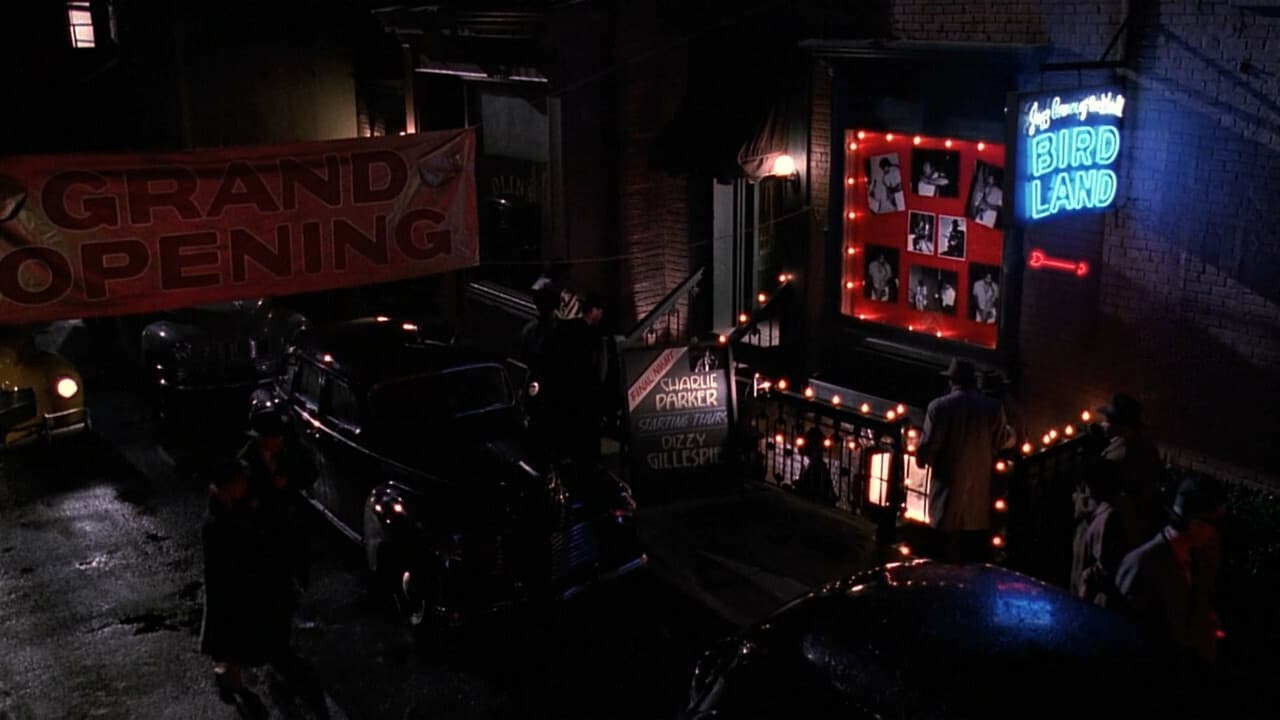
Seeing Clint Eastwood's name attached to a biographical drama about a jazz icon might have seemed surprising back in ‘88. We knew him best, perhaps, as the Man with No Name or Dirty Harry Callahan – archetypes of stoic masculinity. Yet, Eastwood, a lifelong, deeply knowledgeable jazz aficionado, approached Parker’s story not as an action set piece, but with the reverence and sensitivity of a true devotee. This wasn't just another directing gig; it felt personal. You can sense his respect for the music and the man, even as he refuses to shy away from the harrowing realities of Parker's heroin addiction and its devastating consequences. He wasn't interested in crafting a simple rise-and-fall narrative; instead, he chose something more fractured, more impressionistic, mirroring the improvisational nature of jazz itself.
Fragments of a Brilliant, Broken Life
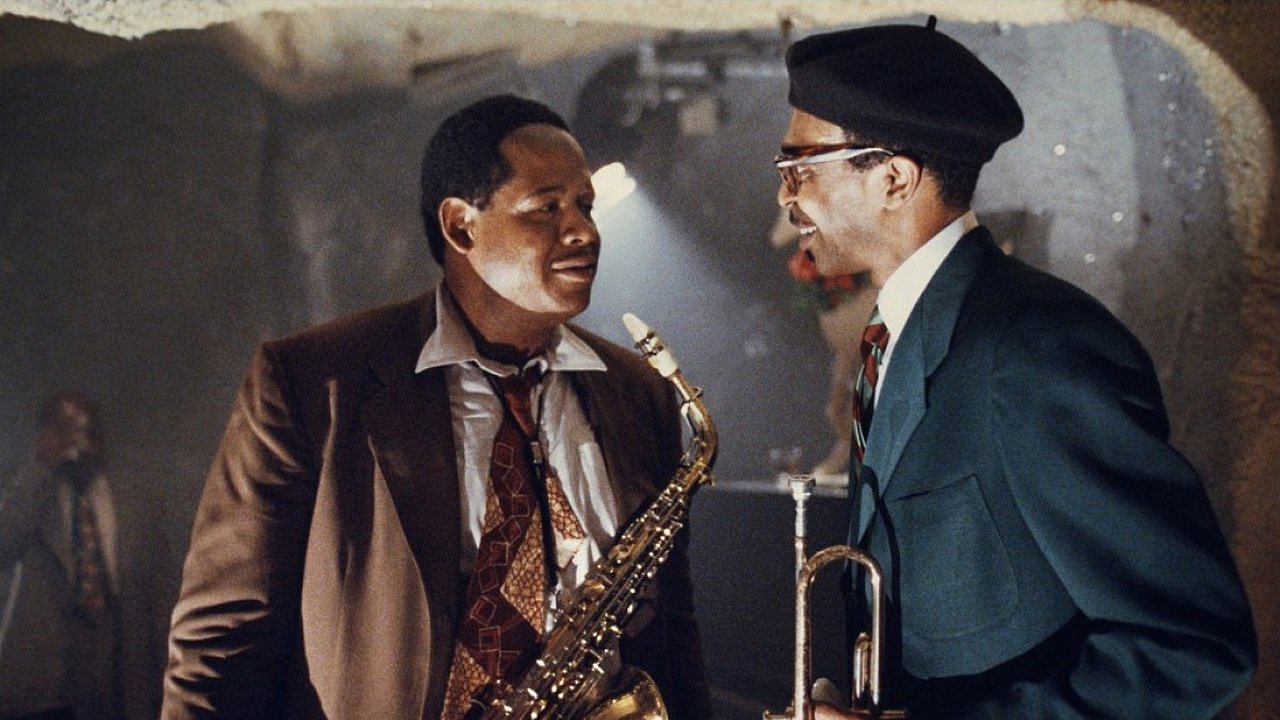
Bird doesn’t follow a straight path. It drifts, much like Parker himself seemed to drift between moments of transcendent musical creation and desperate self-destruction. The film weaves back and forth through time, catching glimpses: Parker as a young man soaking in the Kansas City scene, his intense relationship with his steadfast wife Chan (Diane Venora), his collaborations and conflicts with fellow musicians like Red Rodney (Michael Zelniker), the dizzying highs of performing, and the terrifying lows of withdrawal and institutionalization. This non-linear structure can initially feel disorienting, but it serves a purpose. It prevents the film from becoming a mere checklist of biographical points. Instead, we experience Parker's life as a series of vivid, often painful, memories. The atmosphere Eastwood creates is palpable – smoky, dimly lit clubs where genius takes flight, contrasted sharply with stark hospital rooms and the bleakness of addiction's grip.
Forest Whitaker's Towering Performance
At the absolute center of this storm stands Forest Whitaker. His portrayal of Charlie Parker isn't just acting; it's an astonishing embodiment. It earned him the Best Actor award at the Cannes Film Festival, and watching it again now, it's easy to see why. Whitaker captures the sheer physical presence of Parker – the way he held himself, the slumped shoulders suggesting an immense internal burden, the sudden bursts of charm and humor that could flicker through the darkness. Crucially, he conveys the intensity of Parker's focus when playing, even mimicking the complex fingerings and embouchure (though Parker's actual solos provide the sound). But beyond the musical genius, Whitaker lays bare the vulnerability, the profound loneliness, and the desperate hunger that fueled Parker's addiction. It’s a performance devoid of vanity, deeply researched (Whitaker famously immersed himself in Parker's world), and utterly convincing. Supporting him brilliantly is Diane Venora as Chan Parker, providing a crucial anchor of weary strength and fierce love amidst the chaos. Her performance is raw and unwavering, never descending into simple victimhood.

The Sound of Authenticity
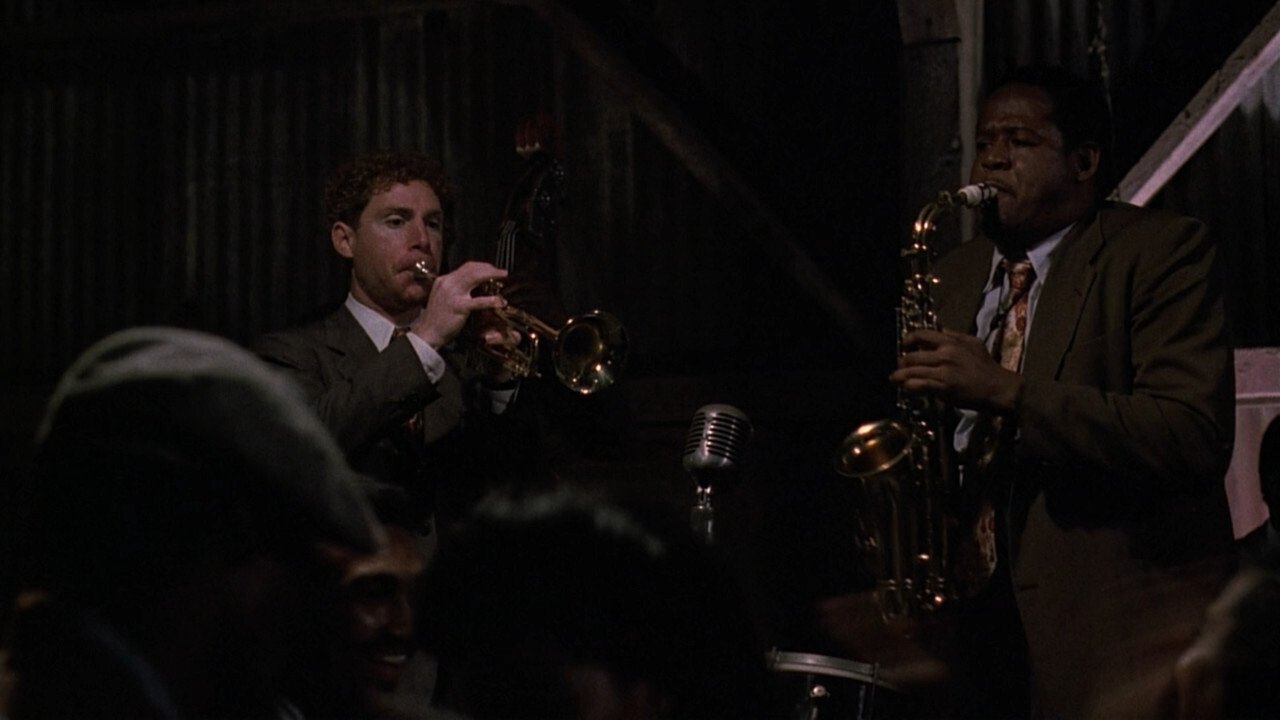
One of the film's most remarkable achievements, especially thinking back to the technical landscape of the 80s, is its handling of the music. Eastwood and his team employed groundbreaking technology (known as U-MIST) to isolate Charlie Parker's original saxophone solos from their vintage recordings. They then meticulously recorded new backing tracks with contemporary musicians like Ron Carter and Barry Harris. The result? We hear Bird himself, flying free and clear, his unparalleled virtuosity not muffled by the limitations of old recording tech, but soaring with modern fidelity. It’s an audacious technical feat born from artistic necessity, ensuring Parker’s music remains the vibrant, living heart of the film. Imagine the challenge – cleaning up decades-old audio to isolate just the sax, then building a new sonic world around it. That commitment speaks volumes about Eastwood's dedication.
More Than Just Notes
While the music and performances are central, Bird resonates because it grapples with timeless, difficult questions. What is the relationship between genius and suffering? Can immense creativity coexist with profound self-destructiveness? The film doesn't offer easy answers. It presents Parker's life with a kind of melancholic empathy, acknowledging the immense cultural contribution of his music while unflinchingly depicting the personal cost. It touches upon the racial barriers Parker faced, the relentless pressures of touring, and the allure of escape through drugs in a world that wasn't always kind. Some contemporary critics found the film perhaps too long, too somber, but its deliberate pacing feels essential to absorbing the weight of Parker's journey. It wasn't a life lived lightly, and the film reflects that. Budgeted around $10-14 million, it wasn't a box office smash ($2.2 million domestically), proving perhaps too niche or intense for mainstream 80s audiences, but its critical standing and Whitaker's awards cemented its importance.
Rating: 8.5/10
This score reflects the film's powerful lead performance, its atmospheric direction, the innovative use of Parker's music, and its unflinching yet empathetic portrayal of a complex genius. Forest Whitaker is simply phenomenal, delivering a career-defining performance. Clint Eastwood directs with surprising sensitivity and obvious passion, crafting a film that feels both respectful and raw. While the non-linear structure and deliberate pacing might challenge some viewers, they ultimately serve the film's artistic goals, creating a haunting and memorable portrait rather than a standard biopic. It earns its emotional weight through authenticity.
Bird isn't necessarily an "easy" watch, especially if you grabbed the tape expecting typical 80s escapism. It's a demanding, immersive film that stays with you long after the credits roll. It leaves you contemplating the fragility of brilliance and the devastating price that can sometimes accompany extraordinary talent. What endures most, perhaps, is the lingering sound of that saxophone – a sound of pure, untamed genius cutting through the darkness.