Stormy Monday
The Blue Neon and the Bruised Heart of Newcastle
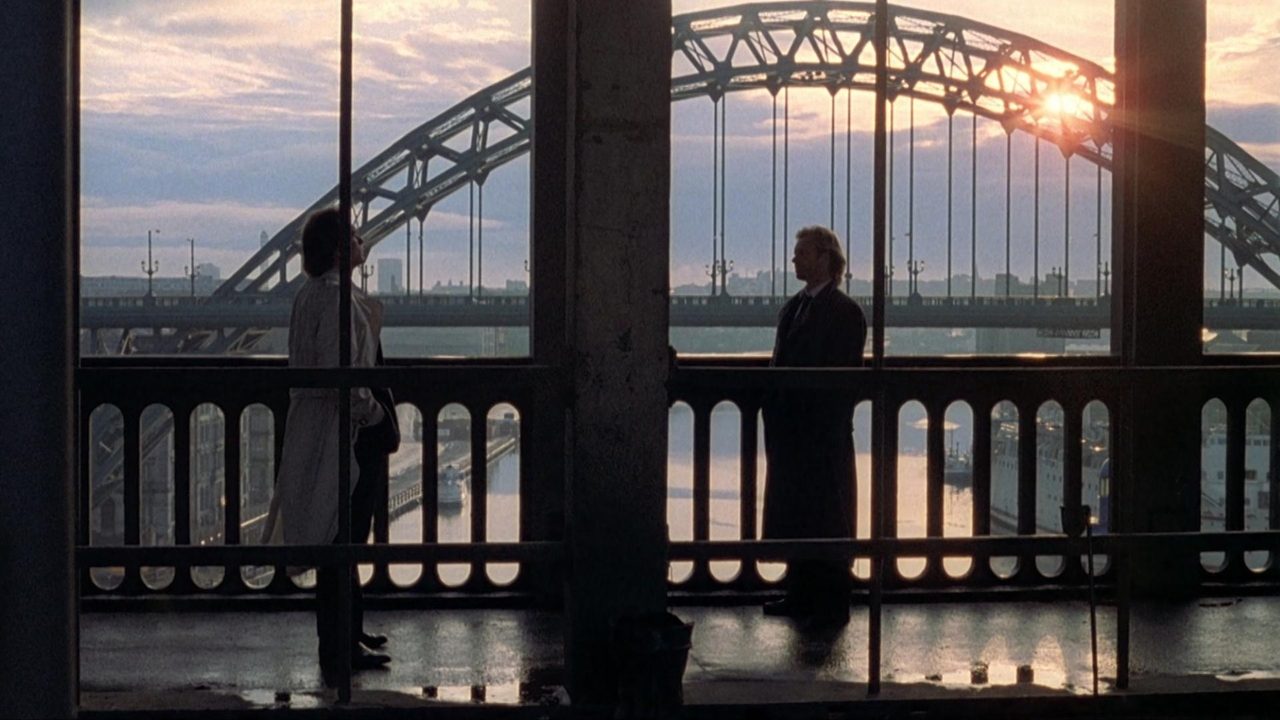
Some films don't announce themselves with explosions or fanfare; they seep into your consciousness like drizzle on cobblestones, leaving a chill that lingers long after the credits roll. Stormy Monday (1988) is precisely that kind of movie. It doesn't grab you by the lapels; it slides a hand into yours, cool and slightly damp, promising intrigue wrapped in a melancholic saxophone solo. Forget the brash primary colours of many 80s thrillers; this is a film painted in bruised blues, smoky greys, and the flickering neon of a city holding its breath. What strikes you first, and stays with you most, is the palpable atmosphere – Newcastle upon Tyne, not just as a backdrop, but as a living, breathing character, wary and weary.
A City Under Siege, A Story Unfolding Slow
The narrative, penned by director Mike Figgis, feels less like a conventional plot and more like watching intersecting lives drift towards an inevitable, low-key collision. We meet Brendan (Sean Bean, in an early, earnest role), a young lad looking for honest work, who finds himself drawn into the orbit of Finney (Sting), the owner of a struggling jazz club resisting a hostile takeover. The threat comes from across the Atlantic in the form of Cosmo (Tommy Lee Jones), a ruthless American "businessman" embodying corporate expansionism with a quiet, chilling menace. Caught between these forces is Kate (Melanie Griffith), an enigmatic American with ties to Cosmo, who forms a tentative, fragile connection with Brendan. It's a classic noir setup – the outsider, the femme fatale (though Kate is more complex than that), the looming threat – but transplanted to the specific anxieties of late-Thatcherite Britain.
The Figgis Imprint: Vision, Sound, and Soul
What elevates Stormy Monday beyond a simple crime story is the unmistakable stamp of Mike Figgis. This wasn't just a directing gig for him; he wrote the screenplay and, crucially, composed the evocative jazz score. You feel that singular vision throughout. Figgis, himself a former jazz musician (playing trumpet and guitar with Bryan Ferry's first solo band, among others), understood instinctively how music could shape mood and rhythm. The score isn't just accompaniment; it is the film's pulse, weaving through scenes, sometimes languid and bluesy, sometimes tense and dissonant, perfectly mirroring the characters' shifting emotional states. Reportedly, Figgis initially envisioned Stormy Monday as a small, low-budget piece for television via Channel 4 Films, but the scope grew, attracting international talent and eventually requiring complex co-financing deals – a testament to the strength of his moody, atmospheric concept.
Deakins Paints the Toon


And the look of the film? Absolutely stunning, thanks to the masterful eye of cinematographer Roger Deakins. This was relatively early in his now-legendary career, predating his frequent collaborations with the Coen Brothers or his Oscar wins for Blade Runner 2049 and 1917, but the signature style is already evident. Deakins captures Newcastle with a unique blend of grit and grace. Rain-slicked streets gleam under sodium lamps, the interiors of Finney's club are pools of shadow and warm light, and the industrial landscapes possess a stark, undeniable beauty. There's a deliberate visual poetry here that underscores the film's themes of decay and resilience, making the city itself a character steeped in history and facing an uncertain future. It’s a far cry from the glossy sheen often found in American films of the era, grounding the noir elements in a specific, tangible reality. This visual texture is a huge part of why Stormy Monday feels so distinct, even today.
Quiet Intensity: The Performances
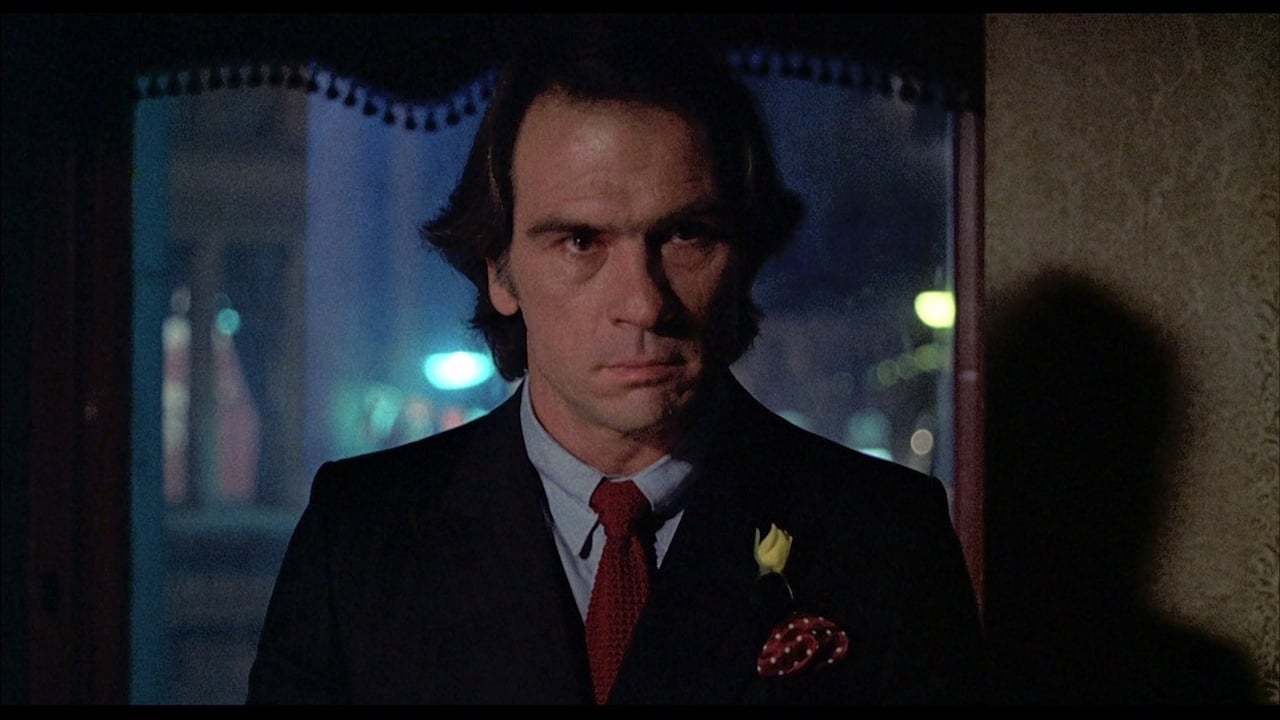
The casting feels inspired, playing both with and against type. Sting, a Newcastle native himself (hailing from nearby Wallsend), brings an understated cool and weary integrity to Finney. It’s not a showy performance, but his presence feels authentic; you believe him as a man trying to protect his small corner of the world. Apparently, Figgis wrote the part specifically with Sting in mind after they met socially. Tommy Lee Jones, before he became the iconic, larger-than-life figure of 90s blockbusters like The Fugitive, is terrifyingly effective as Cosmo precisely because he underplays it. His menace is conveyed through stillness, a calculating gaze, and the quiet confidence of someone who believes money buys everything. It’s a portrait of invasive capitalism given chillingly human form. Melanie Griffith, navigating the tricky space between vulnerability and guarded self-preservation, gives Kate a compelling ambiguity. Her chemistry with Sean Bean feels tentative and real, their budding romance a small point of light in a darkening world. Bean, as the naive outsider Brendan, anchors the film with a relatable sense of decency caught in morally murky waters.
Beneath the Surface: Echoes of the Era
Beyond the suspense, Stormy Monday taps into something deeper about the late 80s – the anxieties surrounding globalization, the clash between old ways and aggressive new money, the feeling of local identity being threatened by outside forces. Cosmo isn't just a villain; he represents a specific kind of economic pressure felt keenly in industrial cities like Newcastle during that period. The film doesn’t offer easy answers, preferring ambiguity and a lingering sense of melancholy. It asks us, subtly, what the cost of "progress" really is. Doesn't that tension between local culture and corporate homogenization still feel relevant today?
A Cult Gem Unearthed from the Tape Era
For many of us, Stormy Monday might have been a discovery tucked away on a video store shelf, perhaps rented on a whim based on the intriguing cover or the presence of Sting. Its relatively modest initial box office ($1.7 million in the US against a £2 million budget, roughly $3.7 million USD at the time) meant it didn't have the immediate splash of bigger hits, solidifying its status as a cherished cult find. Watching it again now, its deliberate pacing and focus on atmosphere feel like a welcome antidote to the relentless speed of modern thrillers. It’s a film that rewards patience, inviting you to soak in its mood, its music, and its meticulously crafted visuals. It understands that sometimes the quiet threats are the most dangerous, and the most memorable stories are etched in shadow and blues notes.

Rating: 8.5/10
Justification: Stormy Monday earns this high score for its exceptional atmosphere, stunning cinematography by Roger Deakins, and Mike Figgis's unified vision as writer, director, and composer. The performances are nuanced and effective, particularly Jones's chillingly understated villain and Sting's authentic presence. The film’s thematic depth regarding cultural and economic anxieties elevates it beyond a standard noir thriller. While its deliberate pacing might test some viewers accustomed to faster action, it's integral to the film's pervasive mood and artistic success. It's a beautifully crafted, intelligent, and enduringly cool piece of British cinema from the era.
That lingering final saxophone note feels like the perfect encapsulation – a sound both sorrowful and strangely beautiful, echoing the film's bittersweet take on survival in a changing world.