The Dark Side of the Sun
A Glimmer Before Stardom: Unearthing The Dark Side of the Sun
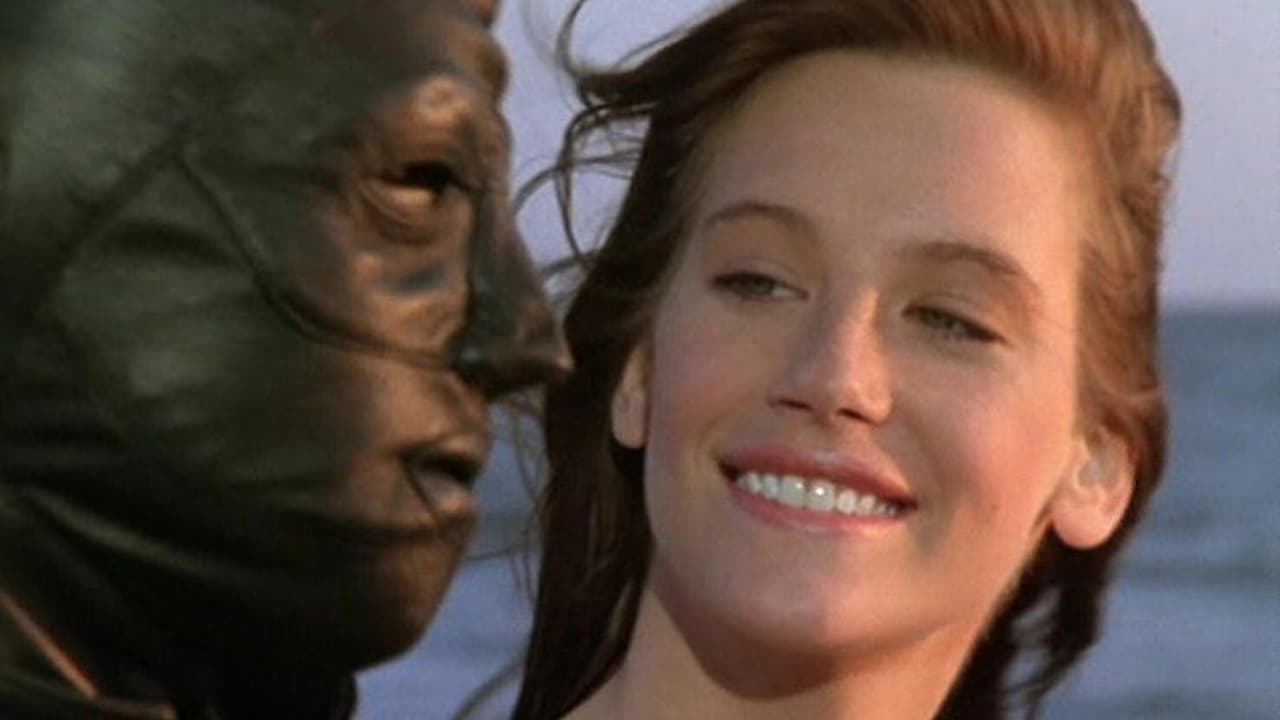
Imagine this: you land your first leading role, pouring youthful energy into a poignant story filmed on the breathtaking Adriatic coast. Then, history intervenes. War erupts, the film gets shelved, masters potentially lost, and nearly a decade passes before it surfaces, quietly appearing on video store shelves long after you've become one of the biggest movie stars on the planet. Such is the strange, almost mythical backstory of The Dark Side of the Sun (1988), a film less seen in its time than discovered later, often by unsuspecting renters browsing the "New Releases" wall in the late 90s, drawn in by the suddenly globally famous face of Brad Pitt. Watching it now feels less like revisiting a familiar classic and more like uncovering a fragile photograph from a forgotten era.
Beneath the Leather Mask
The film introduces us to Rick (Brad Pitt), a young American afflicted with a severe, real-life skin condition, Xeroderma Pigmentosum, rendering any exposure to sunlight potentially fatal. His existence is one of perpetual twilight, encased head-to-toe in black leather whenever he dares venture outdoors. Seeking a potential cure, his father (Guy Boyd) brings him to a sun-drenched village in Yugoslavia (now Montenegro), hoping a local healer holds the key. It’s here, amidst stunning coastal scenery that seems to mock his confinement, that Rick encounters Frances (Cheryl Pollak), a vibrant young actress, and faces an impossible choice: continue his shielded, limited existence, or seize a few precious days of "normal" life – feeling the sun, experiencing love – knowing it will cost him everything.
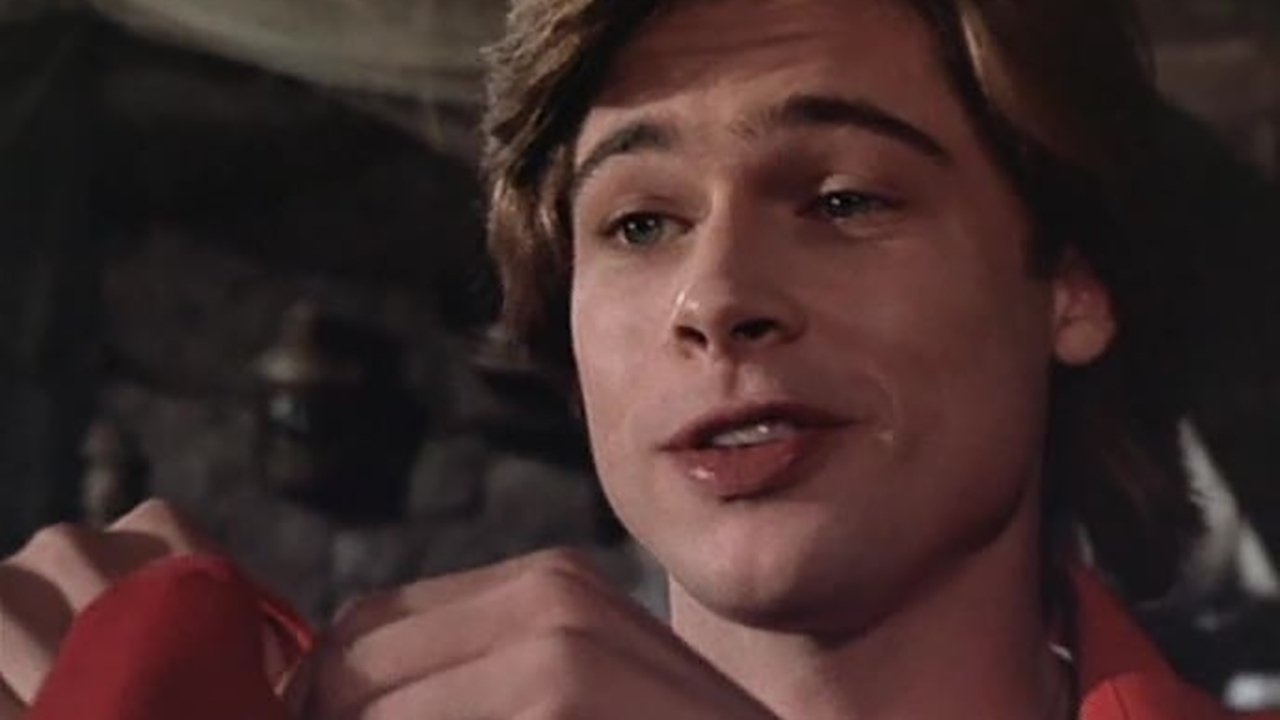
What immediately strikes you is Pitt. This isn't the assured superstar of Fight Club (1999) or Once Upon a Time in Hollywood (2019). This is a raw, almost achingly vulnerable performance. Filmed when he was just 24, Pitt conveys Rick's profound loneliness and quiet desperation with minimal dialogue, relying on expressive eyes glimpsed through the slits of his helmet or the slump of his leather-clad shoulders. There's a palpable yearning in his portrayal, a frustration simmering beneath the surface that feels authentic. It’s fascinating to see the nascent charisma, the glimmers of the screen presence that would later captivate millions, channeled into such a tragic, constrained character. Reportedly paid just over $1,500 for seven weeks work, it’s a world away from the multimillion-dollar paychecks that awaited him.
Sunlight and Shadow in Yugoslavia
The film’s setting is undeniably one of its greatest strengths. Director Božidar Nikolić, primarily known as a distinguished cinematographer (he shot films like Battle of Sutjeska (1973)), uses the stunning natural beauty of the Montenegrin coast – the sparkling sea, the ancient stone towns like Kotor – to create a stark, poignant contrast with Rick's shrouded reality. The sun-drenched landscapes are both beautiful and threatening, amplifying Rick's isolation. Nikolić’s visual sense is apparent; the film often looks more expensive and evocative than its modest budget and troubled history might suggest.
The narrative itself leans into a kind of romantic fatalism. It's a simple, almost fable-like story about the value of lived experience over mere existence. Does Rick make the right choice? The film doesn't offer easy answers, instead focusing on the bittersweet intensity of his brief time in the light. Cheryl Pollak as Frances provides a necessary spark, embodying the life Rick craves, though their romance sometimes feels sketched rather than deeply explored. Guy Boyd, as Rick’s weary but devoted father, adds a layer of quiet pathos.
A Relic Resurfaced
Of course, the film’s journey to our screens is as compelling as the story it tells. Filmed in 1988, its release was completely derailed by the outbreak of the Yugoslav Wars. For years, it was effectively lost, a footnote in Pitt’s rapidly ascending career. Its eventual direct-to-video release in 1997 felt almost like an archaeological find. I distinctly remember seeing the tape appear seemingly out of nowhere at my local Blockbuster, the cover art heavily emphasizing Pitt's now-famous face, promising a glimpse into his pre-fame past. It wasn't the action or thriller fare his newer fans might have expected, but something gentler, sadder, and infinitely more curious.
Is The Dark Side of the Sun a masterpiece? No. The pacing occasionally drags, some dialogue feels a little stilted, and the central romance, while sweet, doesn’t quite achieve the profound depth it reaches for. It carries the distinct feel of a late 80s European co-production – earnest, atmospheric, but perhaps lacking a certain narrative polish. Yet, its sincerity is undeniable.
The Verdict
What lingers long after the credits roll isn't narrative complexity or technical brilliance, but the raw emotion at its core. It’s the haunting image of Pitt shedding his protective shell, the vulnerability of his early performance, and the bittersweet melancholy of a story about choosing moments of brilliance over a lifetime in the shadows. The film's own troubled history – lost, then found – mirrors its theme of fleeting chances and the value of seizing them. It’s a fascinating artifact, a poignant "what if" rescued from the brink.
Rating: 6.5/10
This score reflects the film's genuine emotional core, Pitt's compelling early performance, and its unique, almost accidental place in film history, balanced against its narrative simplicity and production limitations. It's more than just a curiosity piece for Pitt completists; it’s a flawed but touching meditation on life and sacrifice, made all the more resonant by its unlikely journey to our screens. It makes you wonder, doesn't it – how many other cinematic ghosts are out there, waiting to be rediscovered on some dusty, forgotten tape?