Jacknife
The Echoes in the Quiet
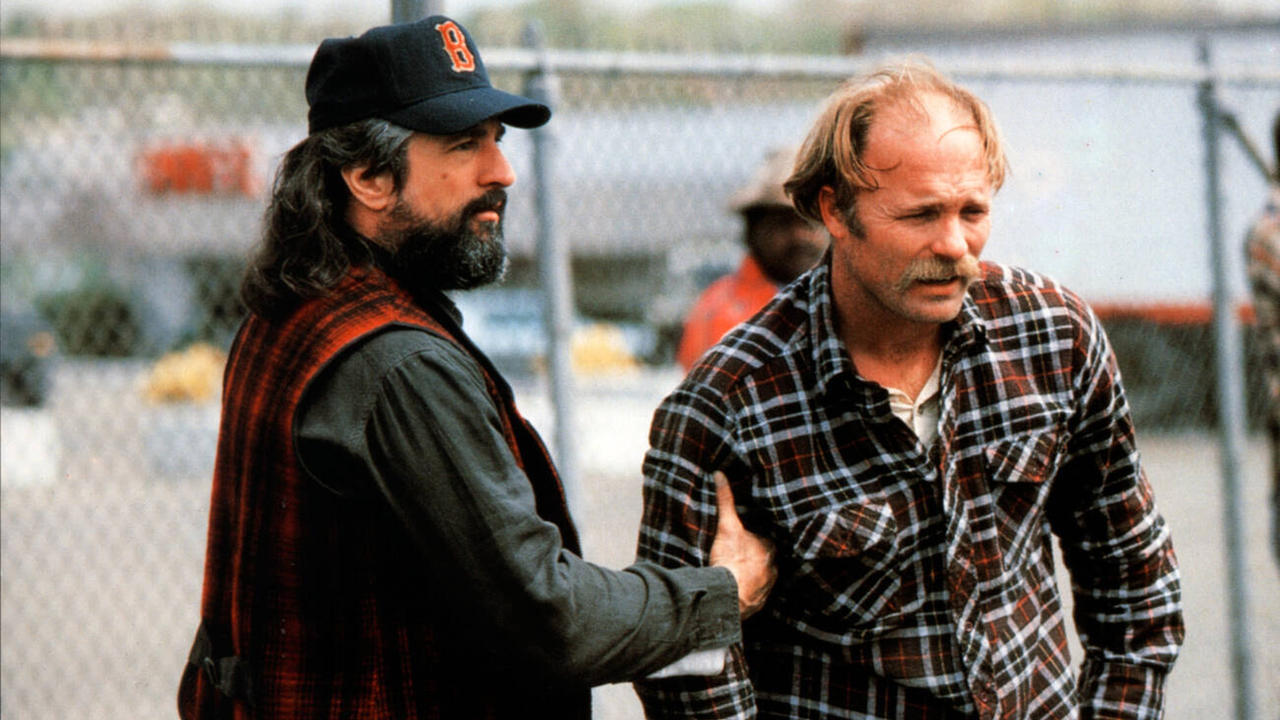
The quiet hum of unresolved history hangs heavy over Jacknife, a film less about grand battles fought overseas and more about the private wars waged long after the soldiers come home. Released in 1989, it arrived on VHS shelves perhaps lacking the explosive marketing of its action contemporaries, but offering something far more resonant: a raw, unflinching look at the enduring scars of Vietnam, carried by characters who feel achingly real. Watching it again now, it feels like uncovering a hidden gem, a powerful drama anchored by performances that burrow deep under your skin.
Ghosts in the Living Room
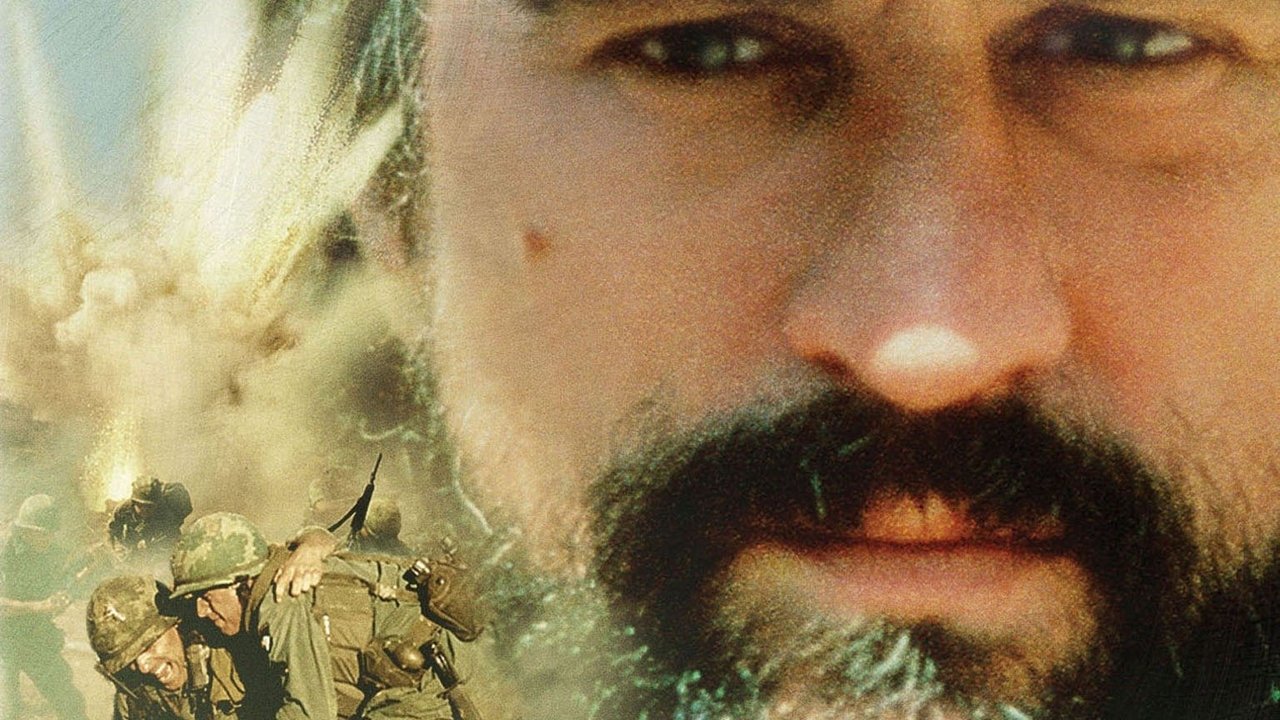
The story centers on Joseph "Megs" Megessey (Robert De Niro), a Vietnam veteran whose boisterous, almost aggressively cheerful demeanor barely masks a deep well of trauma. He barrels back into the life of his former platoon mate, Dave (Ed Harris), aiming to pull him out of the shell he’s retreated into since the war. Dave lives a quiet, almost monastic life, driving a school bus and caring for his shy, unmarried sister, Martha (Kathy Baker). He’s haunted, paralyzed by memories he refuses to confront, and Megs’s arrival is like a live wire tossed into stagnant water. Martha, caught between her brother’s suffocating inertia and Megs’s disruptive energy, slowly begins to blossom, finding a connection with Megs that offers both hope and trepidation.
A Triangle of Wounds
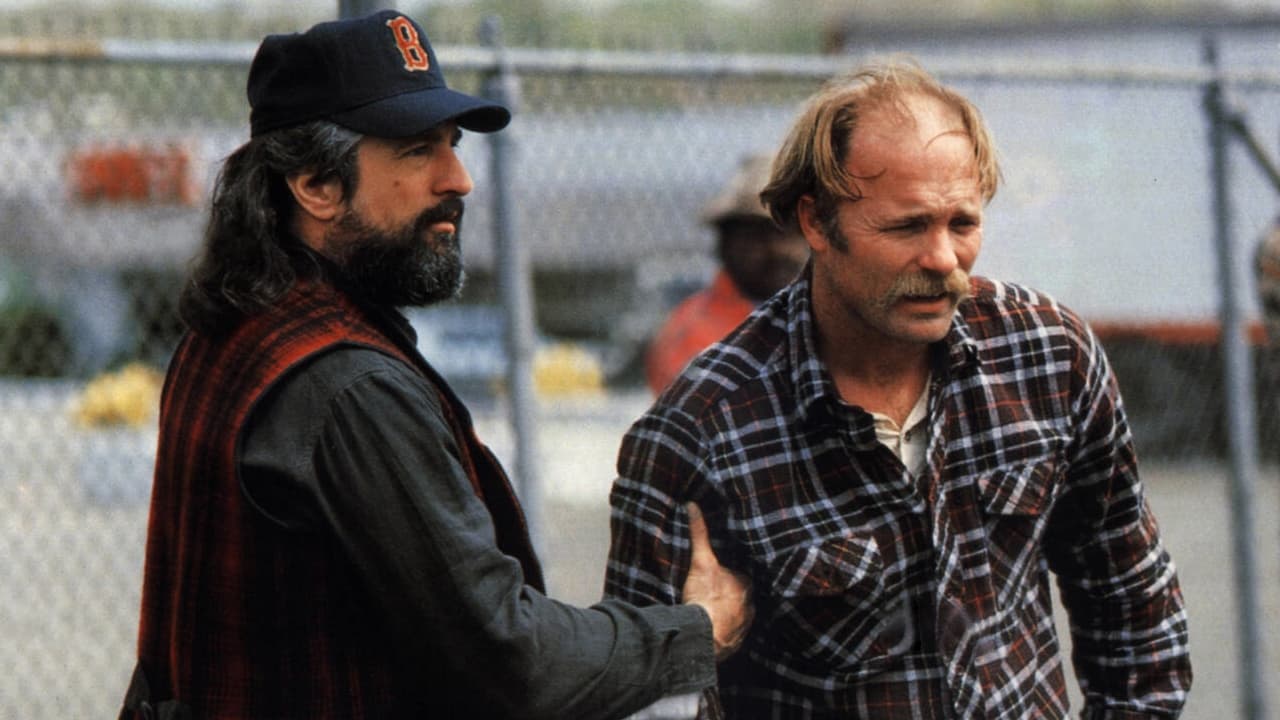
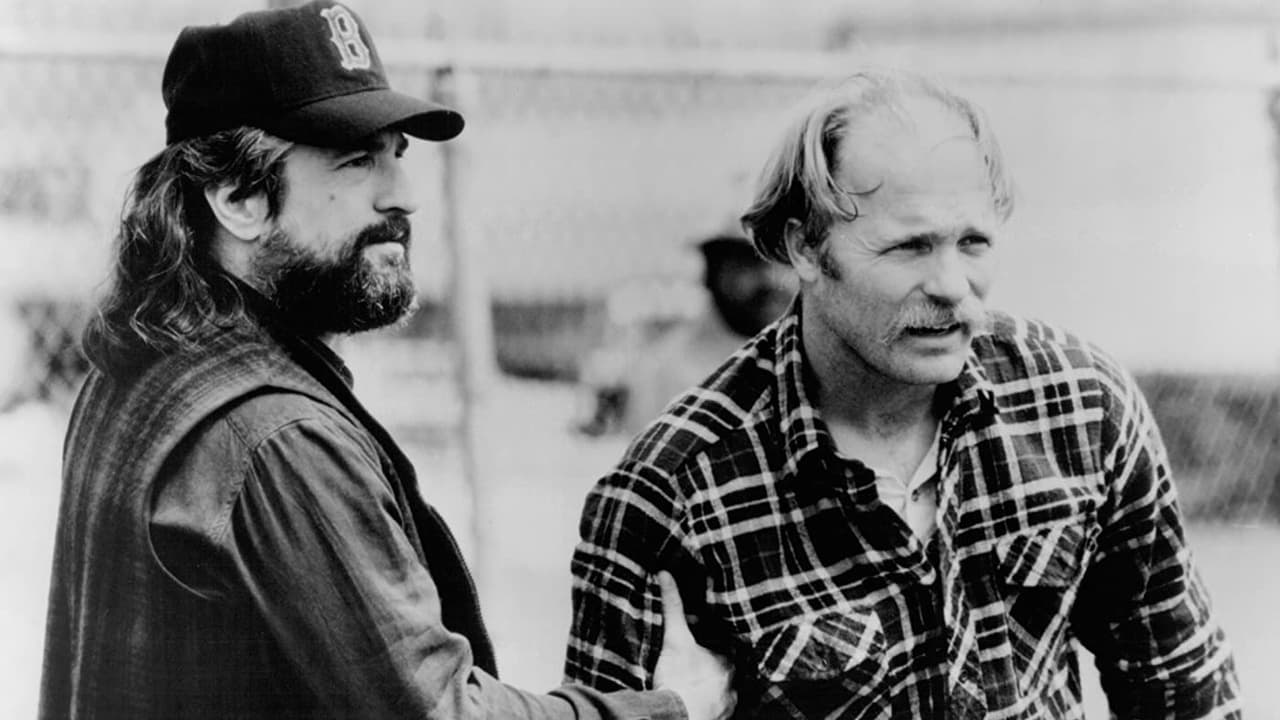
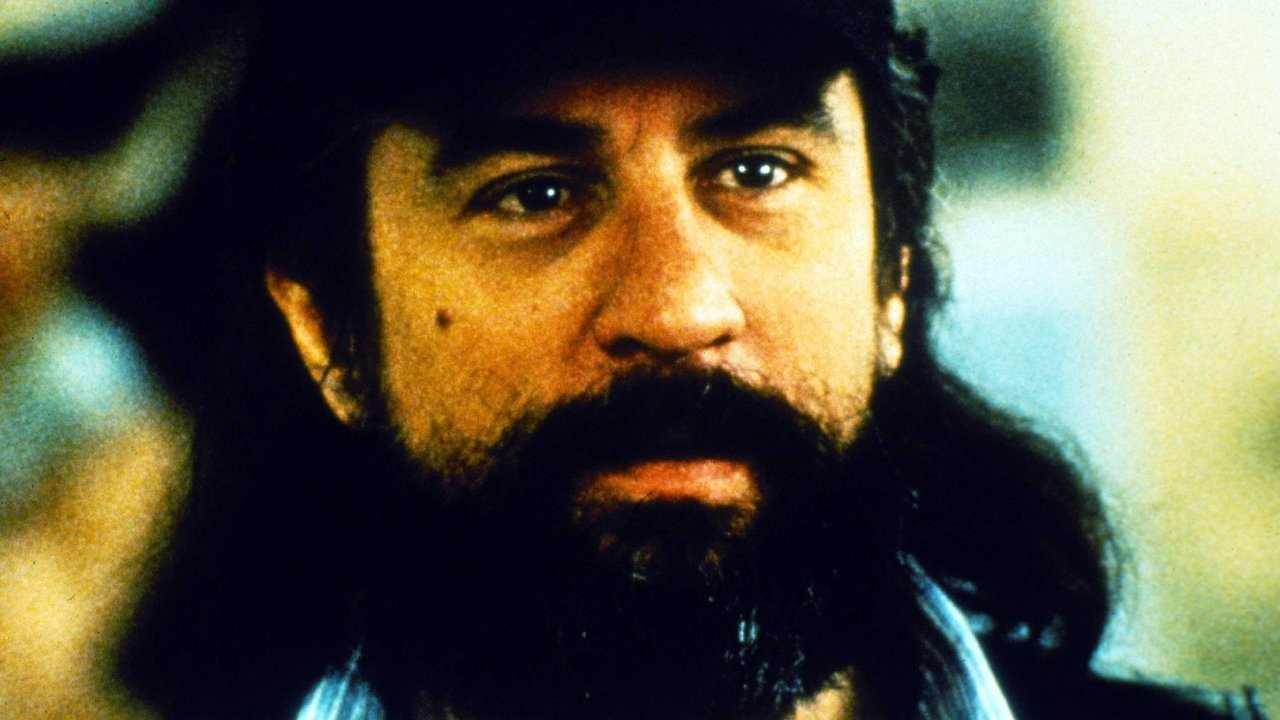
What elevates Jacknife beyond a standard drama is the sheer force of its central performances. Robert De Niro, stepping away from the gangster roles that were becoming his signature, delivers a fascinating portrayal. Megs isn't just loud; there’s a desperation to his joviality, a frantic need to keep moving, talking, doing, lest the silence let the memories flood back in. It’s a performance layered with bravado and vulnerability. You see glimpses of the man trying to outrun his own pain, particularly in the quieter moments that sneak through his carefully constructed facade. It’s a testament to De Niro’s range, showing a different kind of intensity than audiences might have expected following films like The Untouchables.
Opposite him, Ed Harris is simply devastating. His Dave is a study in repression, a man hollowed out by guilt and grief. Harris conveys oceans of unspoken suffering through his physicality – the slump of his shoulders, the haunted stillness in his eyes, the way he seems to shrink from contact. It’s a performance of profound interiority, utterly convincing as a man locked away inside himself. The tension between De Niro’s outward energy and Harris’s coiled inwardness creates sparks whenever they share the screen.
And then there’s Kathy Baker as Martha. In lesser hands, Martha could have been a mere plot device, the catalyst for the men’s eventual confrontation. But Baker imbues her with such quiet strength and gentle yearning that she becomes the film’s emotional core. Her tentative steps towards Megs, and towards reclaiming her own life from the shadow of her brother's trauma, are incredibly moving. Her performance is the heart that allows the film’s exploration of healing to feel earned.
From Stage to Screen (Retro Insights)
The film’s origins lie in Stephen Metcalfe’s own play, "Strange Snow," and Metcalfe himself adapted it for the screen. You can feel that theatrical DNA – the focus is tightly on these three characters, trapped together by circumstance and memory, much like figures confined to a stage. This intimacy is one of the film’s strengths, allowing the nuances of the performances to shine. Director David Jones, known for his work adapting Harold Pinter (Betrayal), brings a sensitivity to the material, focusing on character interaction over flashy visuals.
Filmed largely on location in Meriden, Connecticut (with some scenes in Montreal), the setting contributes to the film's grounded atmosphere. The slightly worn, working-class environment feels authentic, reflecting the characters' internal landscapes – not bombed out, perhaps, but certainly weathered. There's a story that De Niro, known for his meticulous preparation, spent considerable time with Vietnam veterans to understand the specific burdens his character carried. Similarly, Harris’s immersion into Dave’s suffocating guilt feels deeply researched. The nickname "Jacknife," by the way, reportedly comes from Megs's notoriously reckless driving style back in the day – a fitting moniker for someone who crashes into lives with such disruptive force.
Despite the powerhouse cast, Jacknife wasn't a major box office success, earning around $3.4 million against a reported $15 million budget. It arrived the same year as Oliver Stone's Born on the Fourth of July, another high-profile Vietnam vet drama, and perhaps got lost in the shuffle. But its quieter, more personal focus on the long-term psychological effects of war gives it a distinct and enduring power. It doesn’t shy away from the ugliness of PTSD and survivor’s guilt, but it also holds out the possibility of connection and tentative steps toward healing, which feels refreshingly honest.
Lasting Resonance
Jacknife might occasionally betray its stage origins with a slightly deliberate pace in certain scenes, but this is a minor quibble in the face of its emotional weight. The film doesn't offer easy answers or neat resolutions. Instead, it presents a compassionate, deeply human portrait of damaged people fumbling towards understanding and forgiveness – both for others and, crucially, for themselves. It’s a reminder that sometimes the most profound struggles happen long after the overt conflict ends, in the quiet spaces where memories linger.
Rating: 8/10
Justification: While occasionally feeling a touch stage-bound, Jacknife is elevated by three exceptional, deeply felt performances, particularly from Harris and Baker. Its sensitive handling of PTSD and the long shadow of war feels authentic and moving, making it a powerful, character-driven drama that deserves rediscovery.
Final Thought: It’s the quiet moments in Jacknife that echo the loudest – a shared glance, a hesitant touch, the deafening silence of unspoken pain – reminding us of the invisible wounds soldiers bring home.