An Angel at My Table
There's a particular kind of quiet that settles over you after watching Jane Campion's An Angel at My Table. It’s not emptiness, but fullness – a sense of having lived alongside someone, witnessed their innermost struggles and triumphs without fanfare or dramatic embellishment. Released in 1990, this adaptation of New Zealand writer Janet Frame’s three volumes of autobiography wasn't the typical fare you’d grab off the ‘New Releases’ shelf at the local video store, nestled between action flicks and broad comedies. Finding it often felt like uncovering a secret, a hushed epic waiting on a single, slightly intimidatingly long VHS tape (or sometimes two!).
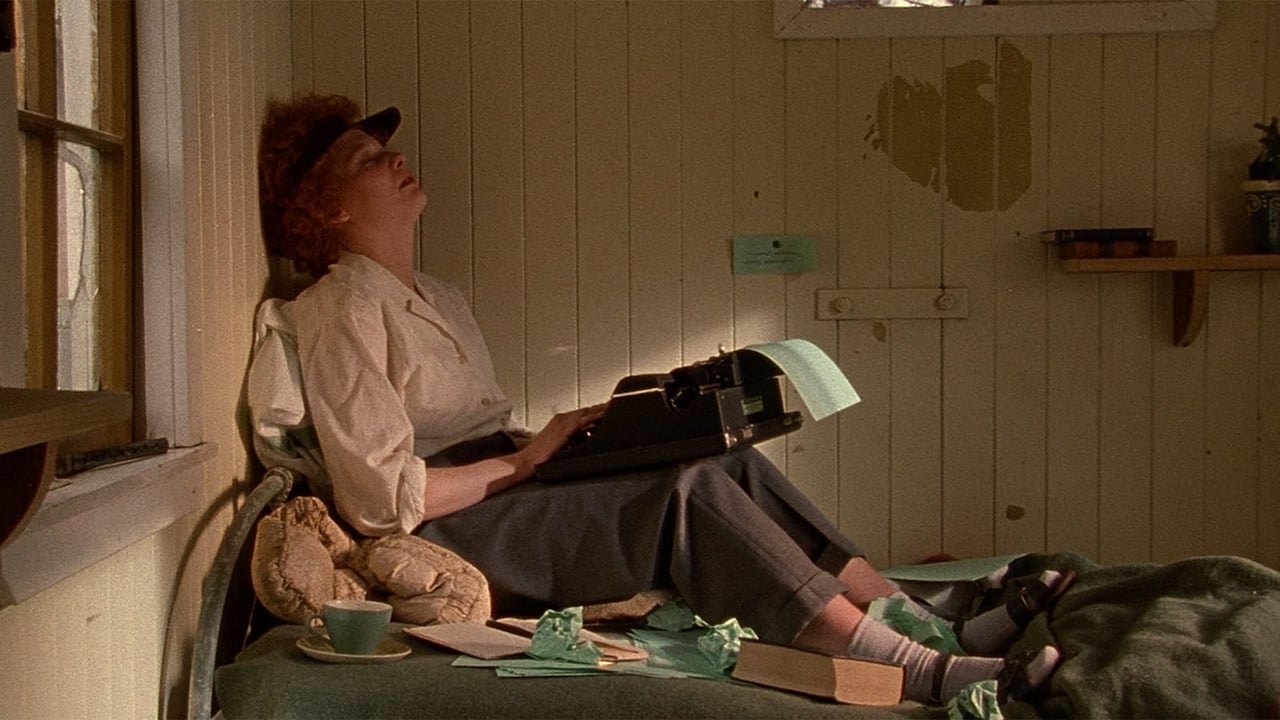
Originally conceived and broadcast as a television miniseries in New Zealand, its cinematic power was undeniable, leading to a theatrical release that brought Frame's extraordinary story, and Campion's burgeoning talent, to a wider audience. It’s a film that doesn’t shout; it observes, patiently, intimately, letting the weight of a life unfold.
A Life in Three Acts
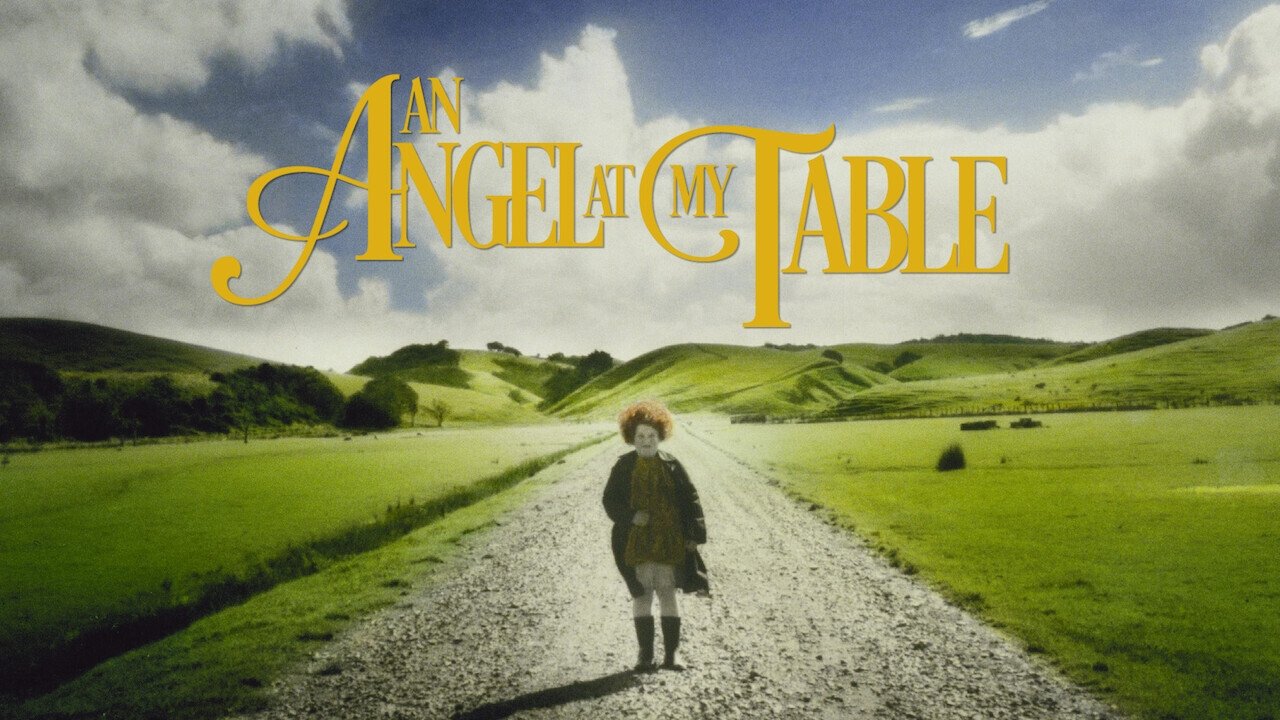
The film masterfully captures Frame's journey by casting three different actors to portray her at distinct stages: Alexia Keogh as the shy, freckled child with a halo of unruly red hair, navigating a world that often feels overwhelming; Karen Fergusson as the awkward, sensitive adolescent facing tragedy and the terrifying path towards institutionalization; and finally, Kerry Fox in a truly career-defining performance as the adult Janet, emerging from years misdiagnosed with schizophrenia in psychiatric hospitals, finding her voice, literally, through writing.
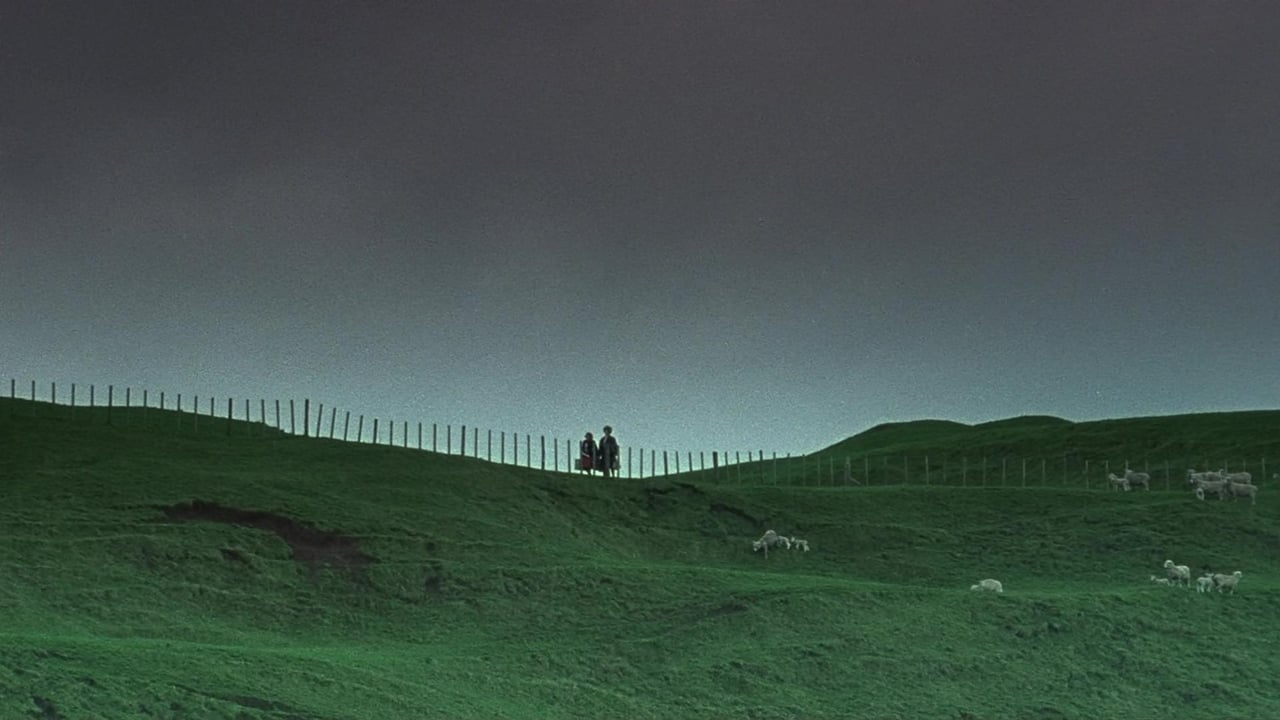
What's remarkable is the seamlessness of this transition. Each actress embodies not just Frame's physical markers – that shock of red hair becoming a constant visual anchor – but her core essence: the intense inner world, the social anxiety, the quiet but fierce determination simmering beneath a hesitant exterior. Campion, even early in her feature film career (following 1989's Sweetie), demonstrates her profound empathy for complex female characters, allowing the camera to linger, capturing the subtle shifts in expression, the weight of unspoken thoughts.
The Power of Observation
An Angel at My Table eschews melodrama. Frame’s life contained immense pain – poverty, family loss, the horrifying ordeal of electroshock therapy, and the constant looming threat of a lobotomy (a procedure she famously narrowly avoided when her first book won a literary prize). Yet, Campion and screenwriter Laura Jones never exploit this suffering. Instead, they present it with a stark, almost documentary-like clarity. The horror isn't in dramatic crescendos, but in the chillingly mundane depiction of institutional life, the casual cruelty born of ignorance, and the crushing weight of being perpetually misunderstood.
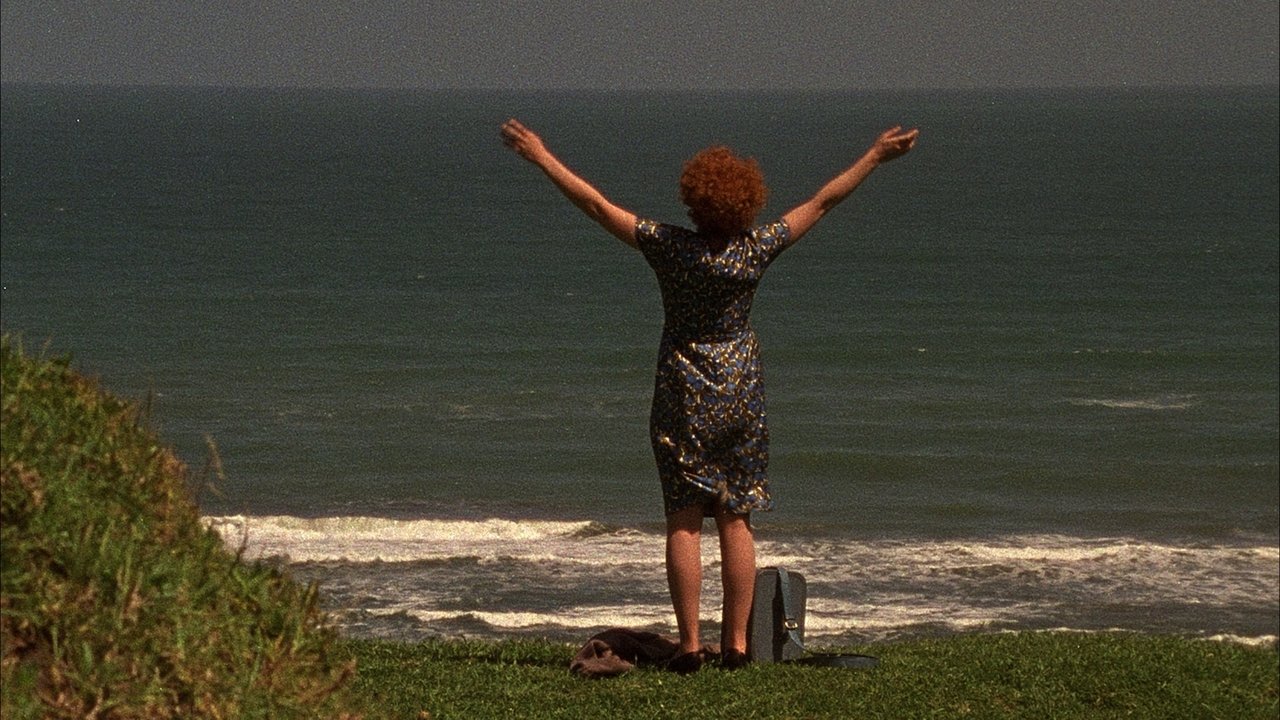
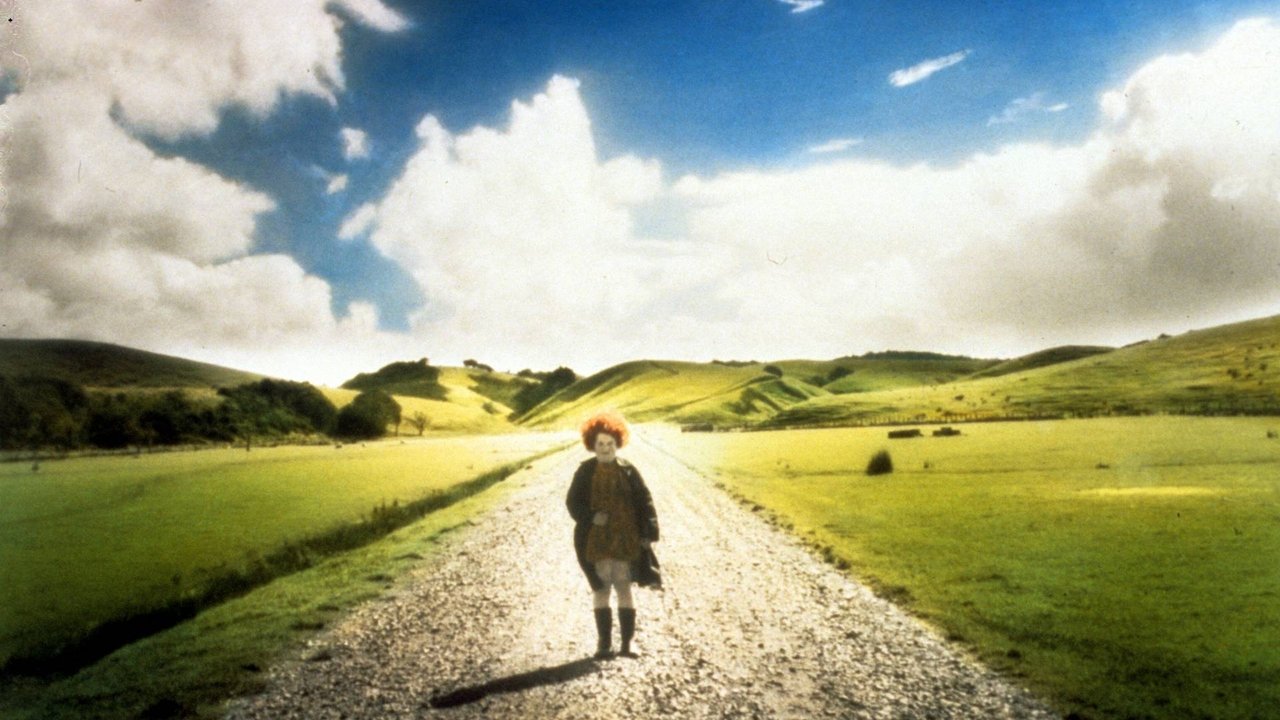
The film finds its power in small moments: Janet’s childhood fascination with words, her tentative steps towards connection during her travels in Europe, the sheer physical act of writing as both escape and salvation. The atmosphere is thick with the feeling of Frame's internal landscape – sometimes claustrophobic and fearful, other times lit by the unexpected beauty she finds in the world and in language. Kerry Fox is simply mesmerizing as the adult Janet. She conveys the lingering trauma, the social awkwardness, but also the sharp intellect, the wry humour, and the burgeoning confidence that comes with artistic recognition. It’s a performance built on nuance, conveying entire histories through posture and gaze.
From Miniseries to Masterpiece
It’s fascinating to remember this film began life on the small screen. The New Zealand production company, Hibiscus Films, initially planned it as a three-part series. Its subsequent success at international film festivals, including winning the Special Jury Prize at Venice, propelled it onto cinema screens worldwide. This television origin perhaps contributes to its patient, episodic structure, allowing Frame's life to breathe without feeling rushed. The nearly three-hour runtime, which might have seemed daunting on VHS, feels entirely earned, necessary even, to do justice to the density of Frame's experiences. There's a quiet dignity to the filmmaking that mirrors Frame's own resilience. The cinematography by Stuart Dryburgh (who would later lens Campion's The Piano) captures both the harshness and the lyrical beauty of the New Zealand landscape and Frame's later European settings.
While Frame herself was famously reclusive, she reportedly approved of the film, a testament to its sensitivity and accuracy. It brought her work to renewed international attention, highlighting a unique literary voice that might otherwise have remained known primarily in academic circles or her home country. Its success also firmly established Jane Campion as a major directorial talent, paving the way for The Piano just three years later, which would earn her the Palme d'Or at Cannes.
Lasting Resonance
Watching An Angel at My Table today, perhaps on a format far removed from that worn-out rental tape, its power hasn't diminished. It remains a profound meditation on creativity as a lifeline, on the often-invisible struggles of mental health, and on the courage it takes to claim one's own voice in a world that prefers conformity. It doesn't offer easy answers or triumphant breakthroughs, but rather the quiet victory of survival and self-expression. Doesn't the quiet strength Frame embodies resonate deeply, even now? Her journey reminds us of the importance of looking beyond surfaces, of listening to the voices that society often tries to silence.
Rating: 9/10
This rating reflects the film's exceptional artistry, anchored by Kerry Fox's towering performance and Jane Campion's sensitive, assured direction. It's a demanding watch, requiring patience, but the emotional and intellectual rewards are immense. The adaptation is seamless, the portrayal of Frame's life respectful yet unflinching, and its exploration of complex themes remains deeply relevant. It loses a single point perhaps only for its sheer length, which, while justified, might remain a barrier for some viewers even outside the constraints of a single VHS viewing session.
An Angel at My Table is more than just a biopic; it's an immersive experience, a quiet testament to the resilience of the human spirit and the transformative power of art. It lingers long after the credits roll, leaving you with a profound sense of empathy and a deep respect for Janet Frame's unique, hard-won voice.
You Might Also Enjoy
Au Revoir les Enfants
1987
Wish You Were Here
1987
A Night in the Life of Jimmy Reardon
1988
Stealing Home
1988
Decalogue IV
1989
Sweetie
1989
Boys on the Outside
1990
Europa Europa
1990
Metropolitan
1990
My Mother's Castle
1990
Pump Up the Volume
1990
The Cement Garden
1993
What's Eating Gilbert Grape
1993
Reality Bites
1994