Cadence
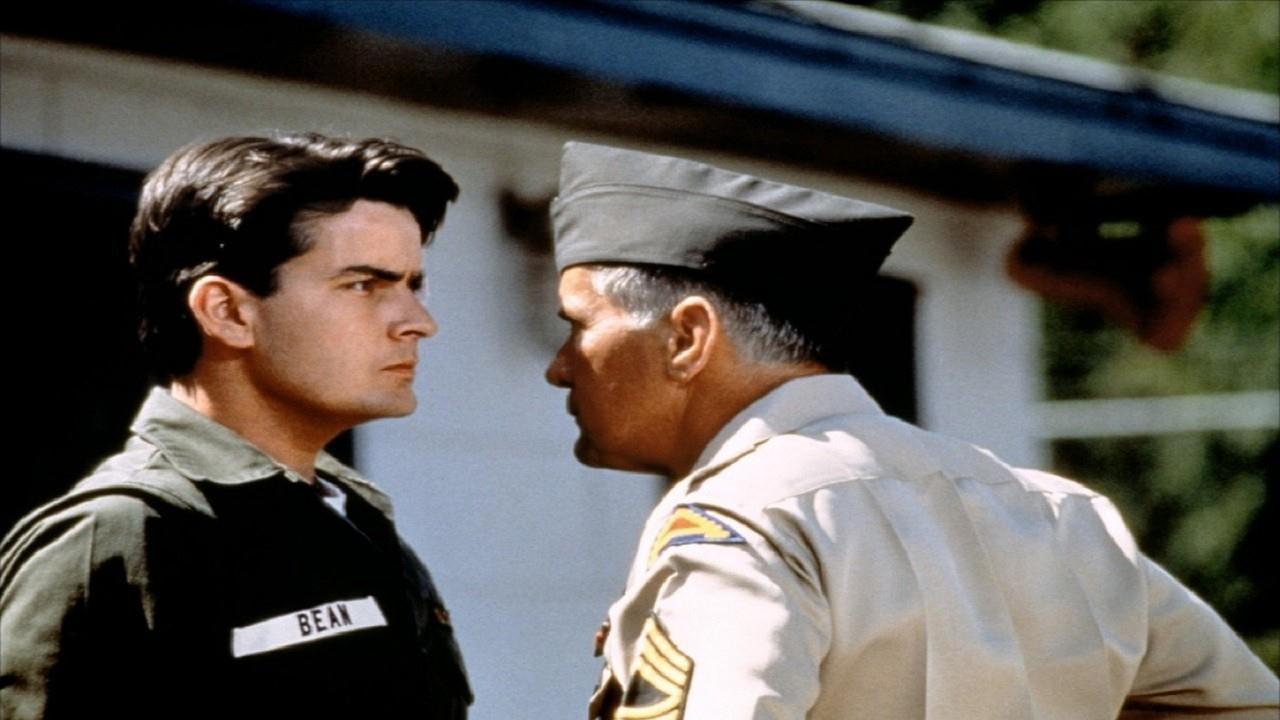
There's a certain weight to films that explore confinement, a pressing stillness that settles over the viewer. Watching Martin Sheen's directorial debut, Cadence (1990), again after all these years brings that feeling back with surprising force. It’s not a flashy war movie, nor a straightforward prison drama. Instead, it resides in a quieter, more contemplative space, examining the friction points between authority, race, and fragile humanity within the suffocating confines of a US Army stockade in 1960s West Germany. Perhaps what lingers most is the unusual energy generated by seeing a father direct his son in roles simmering with antagonism.
Inside the Wire
The setup is stark: Private Franklin Bean (Charlie Sheen), young, white, and simmering with unfocused rebellion after his father's death, drunkenly punches an MP and finds himself tossed into Disciplinary Barracks 34. It’s a world apart, populated almost entirely by black inmates serving time for various infractions, all under the thumb of Master Sergeant Otis McKinney (Martin Sheen), a man who wields regulations like a weapon and seems personally offended by Bean's very presence. The air crackles with tension – racial distrust, the rigid hierarchy of military discipline, and the palpable sense of lives grinding down under oppressive routine. The film, based on Gordon Weaver's novel Count a Lonely Cadence, took years for Martin Sheen to bring to the screen, a passion project finally realized. Filming wasn't in Germany, however, but in the evocative landscapes of British Columbia, Canada, which convincingly stand in for the drab military outpost.
Father, Son, and Sergeant
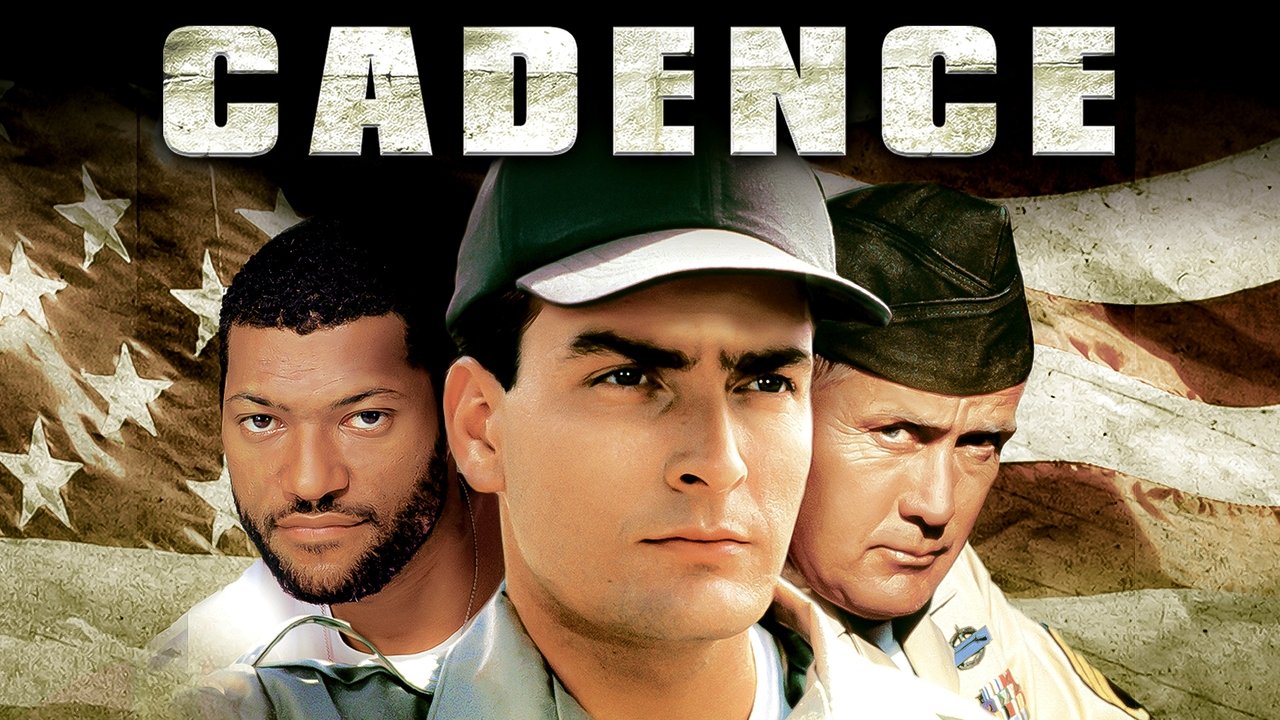
The dynamic between the Sheens, father and son, is undeniably the film's core. Charlie, riding high from hits like Platoon (1986) and Wall Street (1987), brings a volatile mix of vulnerability and defiance to Bean. He’s not inherently malicious, but lost, lashing out against a system he doesn’t respect. Opposite him, Martin Sheen crafts McKinney not as a cartoon villain, but as a man utterly defined by the military structure, perhaps seeing in Bean’s insubordination a dangerous crack in the only world that makes sense to him. There’s a fascinating layer added knowing Martin is behind the camera, shaping the narrative while simultaneously embodying its primary obstacle. You have to wonder about the conversations on set, the direction given for scenes steeped in such personal conflict. It’s a testament to both actors that their on-screen relationship feels charged and authentic, transcending the potential novelty of their real-life connection.
Finding Rhythm in Confinement
While the McKinney-Bean conflict provides the initial spark, the soul of Cadence lies in Bean's slow, hesitant integration into the barracks' tight-knit black community. Initially met with suspicion and hostility, particularly from the imposing, intelligent Roosevelt Stokes (Laurence Fishburne), Bean gradually finds common ground. Fishburne, even then possessing an undeniable screen presence that would fully blossom in films like Boyz n the Hood (1991) just a year later, is magnetic as Stokes. He’s the unofficial leader, wary but fair, embodying a quiet dignity that contrasts sharply with McKinney’s rigid authority. The scenes where the men find solace and unity in shared work, makeshift music, and quiet acts of defiance are the film’s most resonant. They don’t shy away from the racial tensions of the era, but they also suggest that the shared experience of dehumanization can forge unexpected bonds.
Retro Fun Facts: Behind the Scenes
- Cadence was a long-cherished project for Martin Sheen. He reportedly worked for over a decade to get it made, initially considering other roles before settling on directing and playing McKinney.
- The film operated on a relatively modest budget, estimated around $4-5 million, and saw a limited theatrical release, grossing only about $2.1 million domestically. This likely contributed to its status as a somewhat overlooked entry in the Sheen filmography.
- The score by the legendary French composer Georges Delerue, known for his work on films like Platoon and François Truffaut's classics, adds a subtle layer of melancholy beauty that underscores the confinement and quiet desperation.
- While the novel was set during the Vietnam War, the film keeps the conflict mostly in the background, focusing intently on the microcosm of the stockade itself.
A Quiet Power
As a director, Martin Sheen adopts a steady, unfussy style. He lets the performances breathe and allows the inherent drama of the situation to unfold without excessive stylistic flourishes. The pacing is deliberate, mirroring the monotonous rhythm – the cadence – of life in the stockade. It’s not a film that shouts its themes; rather, it observes the ways men cope, clash, and connect under pressure. Does every beat land perfectly? Perhaps not. Some might find the script occasionally veers into predictable territory for the genre. Yet, the sincerity of the effort, particularly the nuanced performances from the central trio, elevates it beyond a standard military drama.
What does it say about finding common ground in the unlikeliest places? How does rigid authority attempt, and often fail, to crush the individual spirit? These questions linger long after the credits roll. It’s a film that might have slipped under the radar back in the day, easily lost amidst the flashier titles on the video store shelf, but revisiting it reveals a thoughtful, well-acted drama with a quiet power. I distinctly remember renting this one, drawn by the Sheen connection, and being surprised by its depth.
Rating: 7/10
Cadence earns a solid 7. While occasionally leaning on familiar tropes of the genre, the powerhouse performances from Charlie Sheen, Martin Sheen, and particularly Laurence Fishburne, combined with the unique father-son dynamic both on and off-screen, make it a compelling watch. Martin Sheen's direction is assured, creating a palpable atmosphere of confinement and quiet resistance. It doesn't reinvent the wheel, but it tells its story with integrity and heart.
It remains a fascinating snapshot – a father directing his son in a story about conflict and connection, a quiet beat in the often noisy march of 90s cinema.