Things I Like, Things I Don't Like
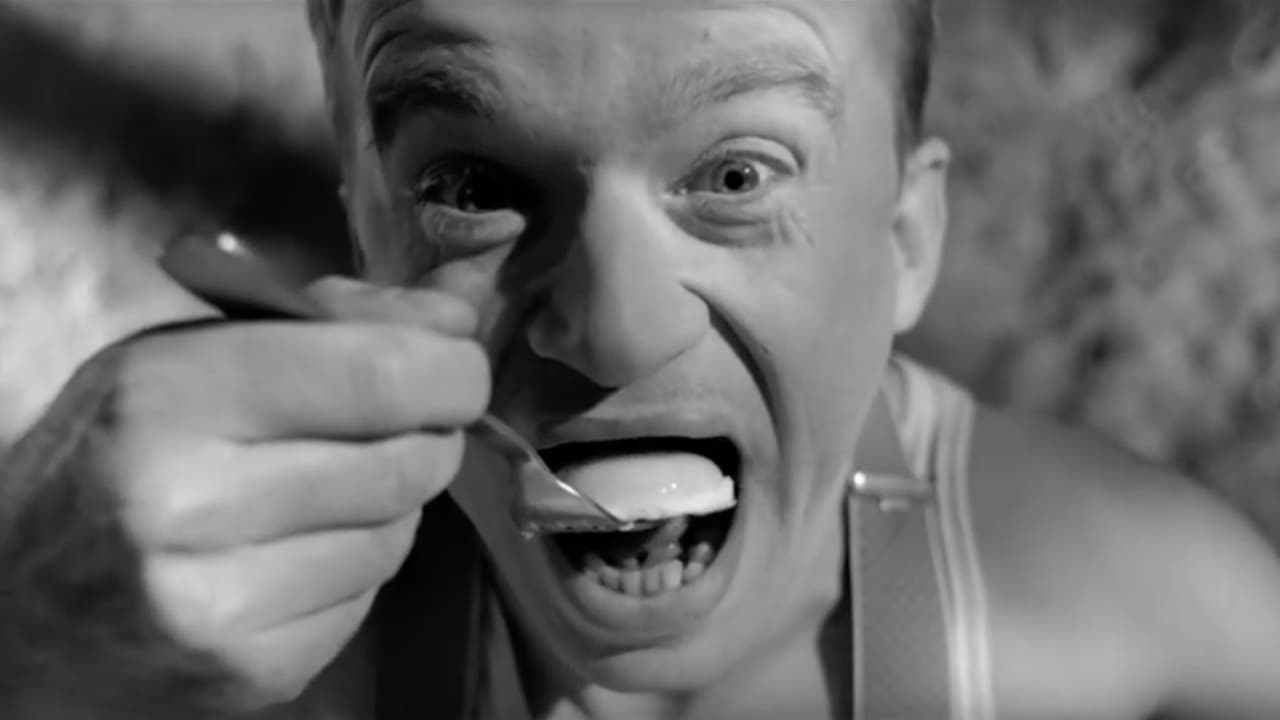
It begins, as so many wonderful and strange cinematic journeys do, with a face. Not just any face, but the uniquely expressive, instantly recognizable features of Dominique Pinon. Framed in close-up, bathed in the warm, almost sepia-toned light that would become a signature, he looks directly at us. And then, he begins to list things. Simple things. Things he likes. Things he doesn't like. This is the captivatingly simple premise of Jean-Pierre Jeunet's 1990 short film, Foutaises (often known internationally as Things I Like, Things I Don't Like), a distilled shot of pure cinematic personality that feels like uncovering a hidden blueprint for a beloved style.
The Eloquence of the Everyday
Clocking in at just under eight minutes, Foutaises doesn't waste a second. There's no grand narrative arc, no complex plot twists. Instead, Jeunet, who also wrote the piece, presents a rapid-fire montage illustrating Pinon's character's personal catalogue of minor joys and petty annoyances. Liking: "sinking my hand deep into a sack of grain," "the smell of Bakelite heated by a lamp bulb." Disliking: "people who won't meet your gaze," "having my towel splashed at the swimming pool." Each preference, each aversion, is brought to life with a quick, inventive visual gag or observation, showcasing Jeunet's already burgeoning talent for finding the magical in the mundane. It’s a deceptively simple structure, but one that speaks volumes about character, individuality, and the peculiar texture of lived experience. Doesn't it make you immediately start cataloging your own little likes and dislikes?
Birth of a Style
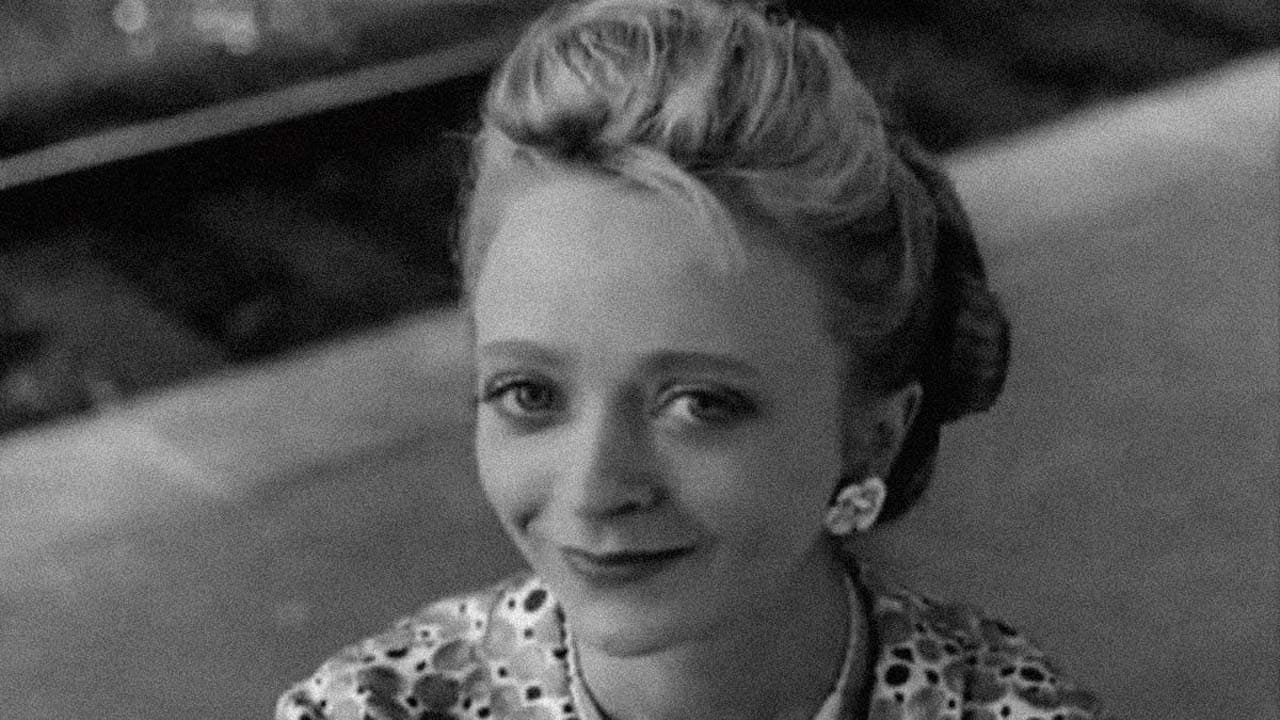
Watching Foutaises today is like peering into the laboratory where Jean-Pierre Jeunet perfected his distinctive cinematic concoctions. The visual hallmarks are already strikingly present: the meticulous compositions, the slightly distorted wide-angle close-ups that render faces both intimate and surreal, the rich, warm colour palette courtesy of cinematographer Jean-Yves Escoffier (who would lens Jeunet and Marc Caro's feature debut Delicatessen the following year), and that unmistakable blend of whimsy, melancholy, and meticulous detail. Dominique Pinon, Jeunet’s frequent collaborator and muse, is pitch-perfect. His performance isn't about broad emoting; it's in the subtle shifts of his eyes, the slight curl of his lip, conveying amusement, irritation, or quiet satisfaction with uncanny precision. He makes this litany of personal preferences feel utterly authentic, a glimpse into a specific soul. We also get brief appearances from Chick Ortega and Marie-Laure Dougnac, faces familiar to fans of Jeunet's subsequent work, cementing the feeling of this being a foundational piece.
Retro Fun Facts: Seeds of Amélie
For fans who stumbled upon Jeunet later, perhaps through Delicatessen (1991) or the global phenomenon Amélie (2001), discovering Foutaises feels like finding a missing puzzle piece. The connection is far more than just stylistic; the entire concept, and indeed several specific likes and dislikes, were famously incorporated directly into the iconic opening sequence of Amélie, introducing Audrey Tautou's character and her world. Seeing it here, over a decade earlier, feels like witnessing the genesis of that beloved moment. It's a fascinating insight into Jeunet's creative process – how an idea explored in a short film could germinate and bloom into a key element of a future masterpiece. Foutaises wasn't just a creative exercise; it was a critical success too, winning the César Award (France's equivalent of the Oscar) for Best Short Film in 1990. This acclaim surely helped pave the way for Jeunet (often collaborating with Marc Caro in these early years) to secure backing for his more ambitious feature projects. It's a testament to how short filmmaking, often constrained by budget and time, can be a powerful incubator for singular cinematic voices.
More Than Just Trifles
The French title, Foutaises, translates roughly to 'nonsense' or 'trifles'. And while the film deals with seemingly small, everyday details, its cumulative effect is surprisingly profound. It’s a celebration of individuality, suggesting that who we are is intricately woven from these tiny preferences and peeves. In a world often demanding conformity, there's something quietly rebellious and deeply human about defining oneself through such specific, personal anchors. What lingers after the brief runtime isn't just the charming visuals or Pinon's captivating presence, but a gentle nudge to pay closer attention to the small things that delight or irk us, the seemingly insignificant details that make up the unique symphony of our own lives.
I remember encountering Jeunet's shorts much later, probably on a special edition DVD release after being captivated by his features. It felt like discovering secret histories, little bursts of concentrated creativity that illuminated the path he'd taken. Finding Foutaises felt particularly special, like being let in on the joke, recognizing the DNA that would later charm the world in Amélie. It’s the kind of gem you’d excitedly tell a fellow film-loving friend about after unearthing it.
Rating: 9/10
Foutaises earns a high rating not just for its undeniable charm and visual invention, but for its significance as a perfectly formed miniature distillation of a major filmmaker's emerging style. Dominique Pinon is magnetic, the direction is assured, and its influence on Jeunet's later work, particularly Amélie, is undeniable. It's witty, warm, and surprisingly resonant. The only reason it doesn't hit a perfect 10 is simply its brevity – it leaves you wanting more, which is perhaps the highest compliment for a short film.
It’s a reminder that sometimes the most resonant cinematic statements don’t require epic scope, just a keen eye, a unique voice, and perhaps, a wonderfully expressive face listing the simple things that make us smile or scowl. A tiny treasure from the cusp of the 90s, proving that big ideas can come in small packages.