Vincent & Theo
It arrives not as a sun-drenched impressionist landscape, but often under grey skies, smeared with mud and doubt. Robert Altman's 1990 film, Vincent & Theo, isn't the kind of biopic that neatly frames a life, presenting genius as a foregone conclusion. Instead, it throws us directly into the turbulent, intertwined lives of Vincent van Gogh and his brother Theo, forcing us to confront the raw, often agonizing process of creation and the devastating toll it takes. It’s a film that lingers, less like a painting admired from afar, and more like the lingering smell of turpentine and desperation.
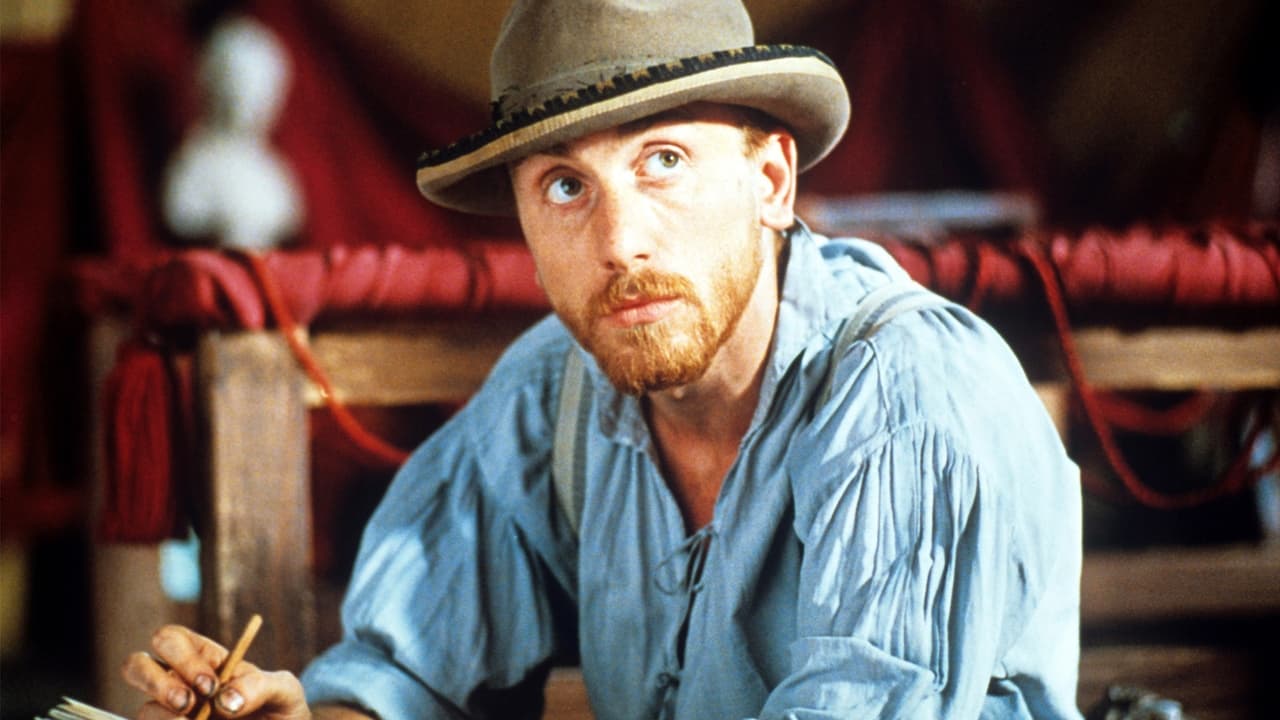
Altman's Unconventional Canvas
Forget the soaring orchestral scores and hagiographic reverence often found in cinematic depictions of great artists. This is Robert Altman, the master of ensemble chaos (MAS*H (1970), Nashville (1975)), turning his distinctive lens on an intimate two-hander, yet retaining his signature naturalism. The dialogue overlaps, conversations drift, moments feel caught rather than staged. It’s an approach that strips away romanticism, presenting the period not as a quaint historical setting, but as a lived-in, often harsh reality. This wasn't a film aiming for broad appeal; it felt like Altman was grappling with the very nature of artistic struggle itself, using the Van Gogh brothers as his complex subjects.
Two Brothers, Bound by Paint and Pain
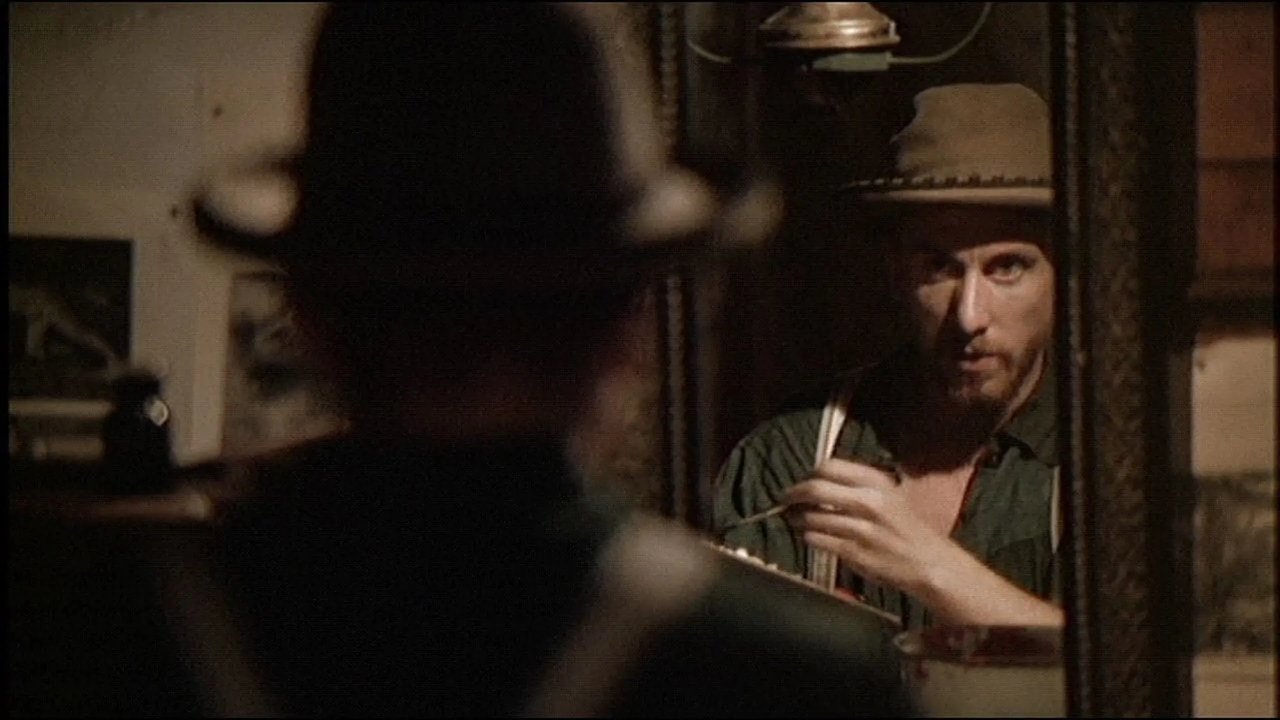
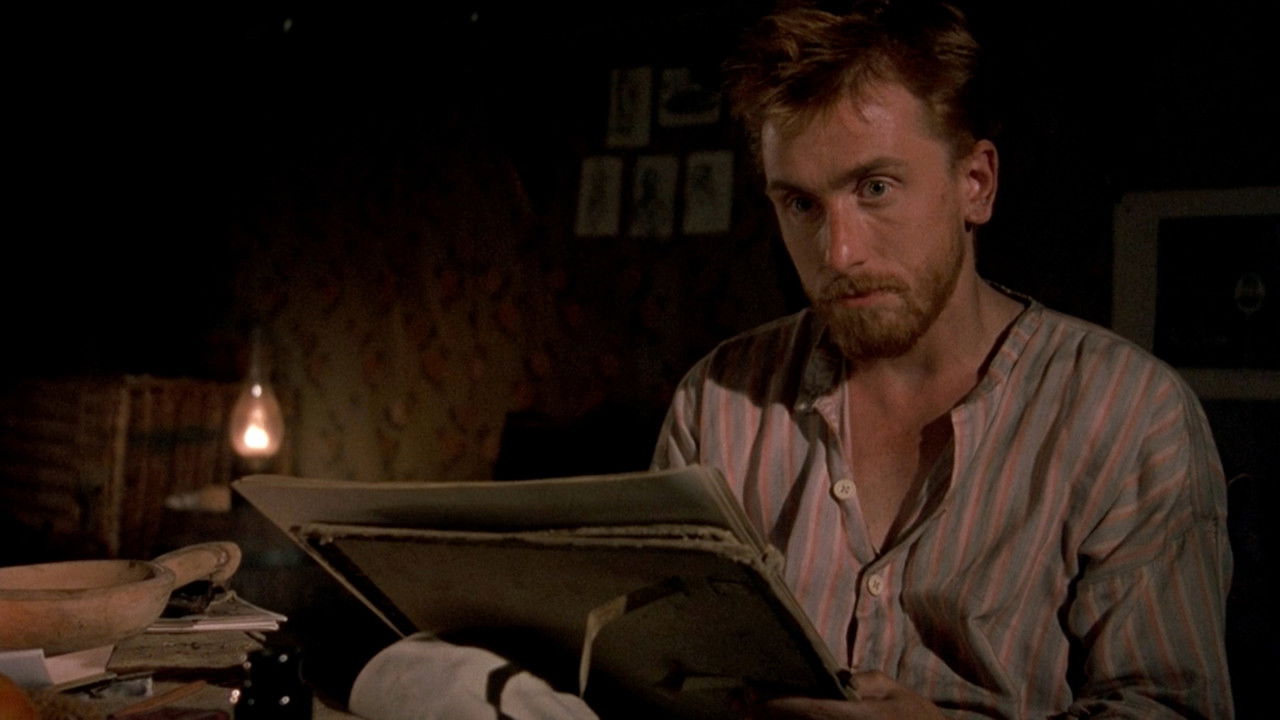
At the pulsating heart of the film are two astonishing performances. Tim Roth embodies Vincent not merely as a troubled genius, but as a man consumed, almost physically tormented, by his need to capture the world as he sees it. It’s a portrayal stripped of vanity, raw and often unsettlingly physical. Roth reportedly immersed himself so deeply, learning to paint in Van Gogh's style for the role, that the emotional residue lingered long after filming wrapped. You see the flicker of mania, the profound loneliness, but also the moments of fierce clarity when paint hits canvas. His Vincent is difficult, demanding, utterly uncompromising – a challenging figure to embrace, yet impossible to look away from.
Opposite him, Paul Rhys delivers a performance of quieter, but no less profound, devastation as Theo. He is the anchor to Vincent’s storm – the supportive brother, the pragmatic art dealer trying to navigate a world that refuses to recognise his brother's brilliance. Rhys captures Theo’s unwavering loyalty, laced with frustration and the quiet desperation of watching someone you love self-destruct while simultaneously trying to keep their artistic flame alive (and pay their bills). Their relationship is the film’s core: codependent, fraught with tension, yet underpinned by a love that is as complex and messy as life itself. We see Theo trying to sell polite, commercially viable art while championing Vincent’s confronting, unsellable work. Doesn't that tension between artistic integrity and commercial necessity still resonate today?
From Miniseries Roots to Theatrical Intensity
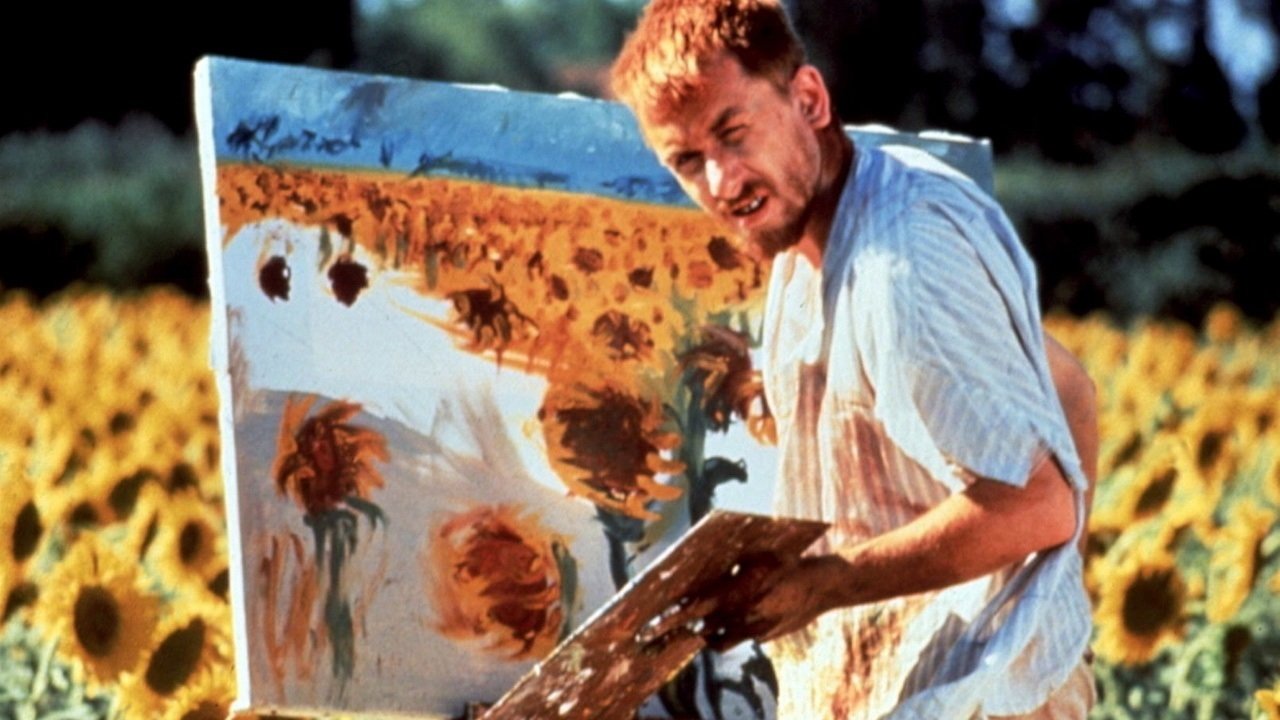
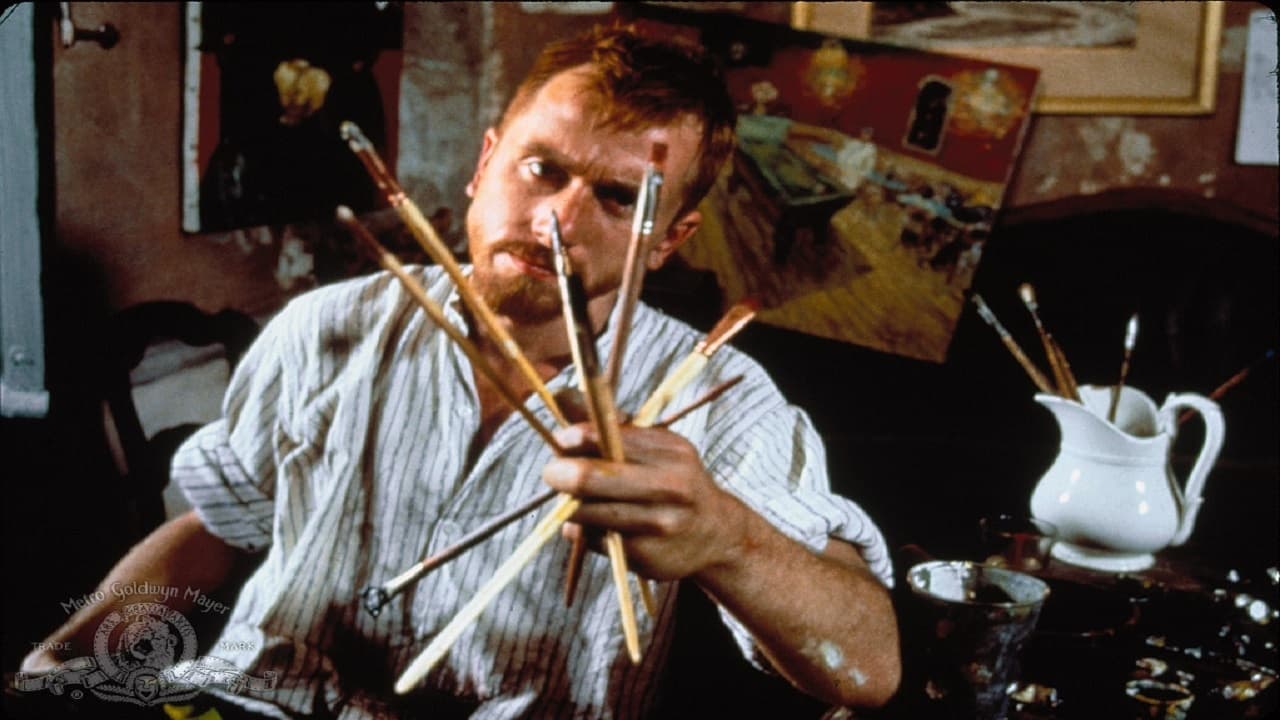
It's fascinating to remember that Vincent & Theo originally existed as a four-hour television miniseries for the BBC (and European channels). Altman then significantly re-edited it down to a still dense 138-minute theatrical version for the US market. While some critics felt the shorter cut lost some nuance, particularly in developing secondary characters like Jo Bonger (the excellent Johanna ter Steege), it arguably gained a relentless intensity. The focus sharpens almost painfully on the brothers' shared trajectory towards tragedy. Knowing its origins helps explain the film’s sometimes episodic feel, yet it doesn't detract from its power. It’s like experiencing a concentrated dose of Altman’s vision.
The Grime Beneath the Masterpiece
Altman and cinematographer Jean Lépine refuse to prettify the past. The film is shot with an earthy palette, often favouring overcast light and cramped, impoverished interiors over picturesque landscapes (though those appear too, often mirroring Vincent's own canvases). We feel the cold damp of the Borinage mining district, the claustrophobia of Parisian apartments, the stark simplicity of the asylum. This isn't just about the creation of beautiful art; it's about the often grim, impoverished, and mentally taxing life that fueled it. Filmed on location in the Netherlands and France, in many of the actual places the brothers lived and worked, the production design by Stephen Altman (Robert's son) feels authentic, lived-in, and devoid of museum-piece sterility. The film dares to ask: what is the true cost of genius? And is the world, then or now, equipped to handle it?
A Low-Budget Epic of Emotion
True to Altman's style, the film likely operated on a relatively modest budget for a period piece, yet it feels expansive in its emotional scope. It wasn't a box office sensation – few Altman films were – grossing only around $3.5 million in the US. But critical appraisal was strong, particularly for the central performances and Altman's unflinching direction. It found its audience, perhaps more slowly, among those who appreciated its challenging artistry – likely becoming a staple on the shelves of more discerning video rental stores, waiting for viewers ready for something deeper than the usual Hollywood fare. I remember finding the VHS, perhaps expecting something akin to Lust for Life (1956), and being struck by its starkness, its refusal to offer easy answers.
Lingering Questions, Lasting Impact
What Vincent & Theo does so brilliantly is present the creation of art not as a mystical act, but as work – difficult, obsessive, often unrewarding work. It demystifies genius while simultaneously highlighting the profound sacrifice it often entails. It leaves you contemplating the complex symbiosis between the creator and the supporter, the artist and the dealer, the visionary and the world that isn't ready for them. It’s a film that doesn’t offer catharsis in the traditional sense; instead, it leaves an ache, a deep empathy for these two interconnected souls battling internal demons and external indifference.
Rating: 9/10
This near-masterpiece earns its high rating through its powerhouse performances, Robert Altman's unique and unflinching directorial vision, and its profound, unsentimental exploration of art, commerce, mental health, and brotherhood. It avoids biopic clichés, offering instead a raw, immersive, and ultimately haunting experience. The slight deduction acknowledges that the edit from its miniseries origins occasionally affects pacing, but the core intensity remains undeniable.
Vincent & Theo isn't comfort viewing; it's a challenging, deeply rewarding film that burrows under your skin – a potent reminder from the VHS era that cinema could be art about art, without sacrificing human complexity. It asks us to look beyond the celebrated paintings and truly see the men who lived, breathed, and suffered for them.
You Might Also Enjoy
The Player
1992
Short Cuts
1993
Come Back to the 5 & Dime, Jimmy Dean, Jimmy Dean
1982
Kansas City
1996
Cookie's Fortune
1999
Dr. T & the Women
2000
Little Odessa
1994
Made in Britain
1982
The Legend of 1900
1998
Another Country
1984
Prêt-à-Porter
1994
Wilde
1997
Immortal Beloved
1994
La Ceremonie
1995