La Belle Noiseuse
Okay, settle in. This isn't your typical Friday night rental grab from Blockbuster, the kind you'd pair with pizza and a six-pack. No, La Belle Noiseuse (1991) is something else entirely. It demands patience, attention, and maybe even a comfortable chair, clocking in at a formidable four hours. I remember seeing that double-VHS box on the shelf, hefty and imposing, whispering of something demanding, something... significant. It wasn't a casual watch then, and it remains a film that asks you to lean in, to become complicit in its slow, meticulous unfolding of creation and confrontation.

The Unfinished Canvas
At its heart, the premise, loosely inspired by Honoré de Balzac's short story Le Chef-d'œuvre inconnu (The Unknown Masterpiece), is deceptively simple. The famous, reclusive painter Édouard Frenhofer (Michel Piccoli, radiating quiet intensity) hasn't completed a major work in years, haunted by an abandoned painting titled 'La Belle Noiseuse'. When a young artist, Nicolas (David Bursztein), visits with his girlfriend Marianne (Emmanuelle Béart), Frenhofer is struck by her presence. An arrangement is made: Marianne will pose for Frenhofer, allowing him to finally tackle his unfinished masterpiece. What follows is not a conventional narrative, but an intimate, almost uncomfortably close observation of the artistic process – the struggle, the tension, the quiet violence of creation.
More Than Just Posing
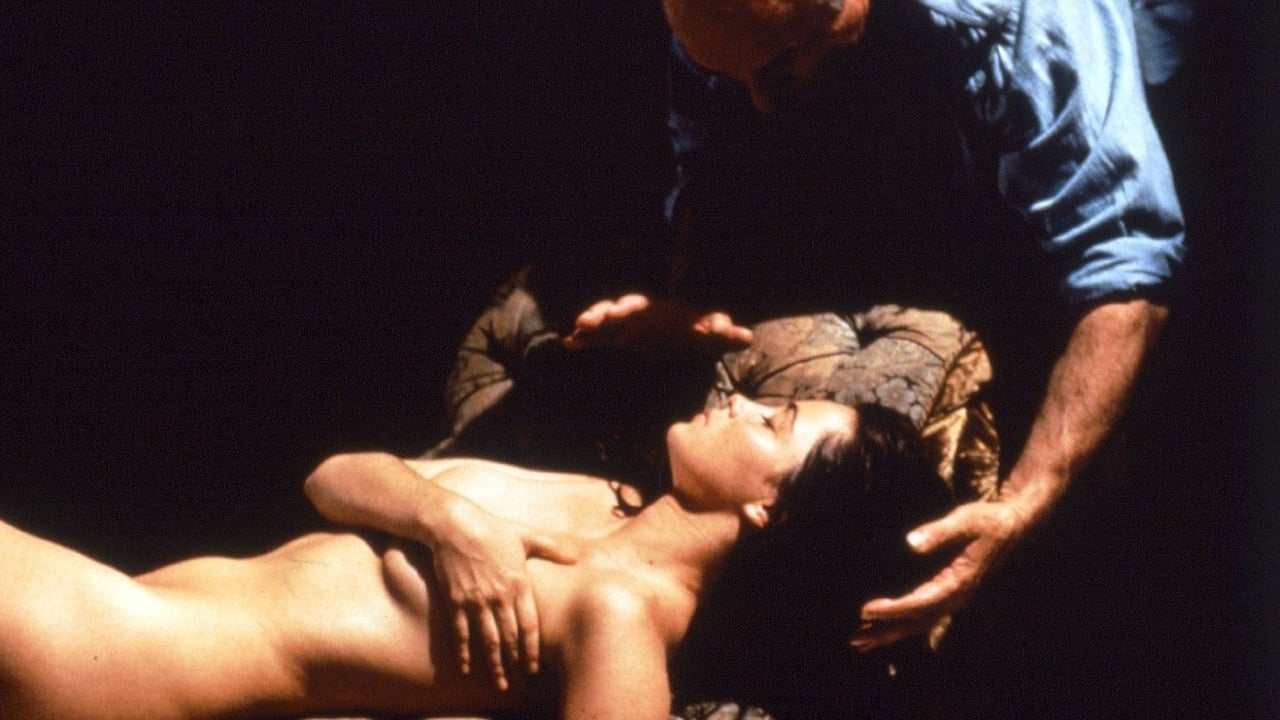
Director Jacques Rivette, a key figure of the French New Wave known for films like Celine and Julie Go Boating (1974), employs long, often real-time takes. We watch Frenhofer sketch, paint, scrape away, reconsider. We see Marianne hold poses, her body subjected to the artist's scrutinizing gaze, her initial apprehension slowly shifting through boredom, frustration, defiance, and a complex form of collaboration. Emmanuelle Béart's performance is nothing short of breathtaking. It’s a role demanding extraordinary vulnerability, not just physically – though the extended nude scenes are integral and presented without sensationalism – but emotionally. Her face registers every flicker of thought, every shift in the charged dynamic between artist and model. Is she merely an object, a vessel for his vision? Or is she an active participant, pushing back, shaping the encounter as much as he does? The film forces us to contemplate these questions, refusing easy answers.
The actual painting we see being created was done by the artist Bernard Dufour, whose hands often double for Piccoli's. This adds a layer of authenticity to the long sequences in the studio, making the act of creation feel tangible, immediate. You can almost smell the turpentine, feel the scratch of charcoal on paper. Piccoli, a titan of French cinema, is equally compelling. His Frenhofer is a man wrestling with his own genius, his doubts, and the potentially destructive nature of his artistic drive. There's a weariness about him, but also a predatory focus when inspiration finally strikes. The relationship between him and his wife Liz (Jane Birkin, wonderfully grounded and observant) provides a crucial counterpoint, hinting at the personal cost of his artistic obsession.
The Weight of Four Hours
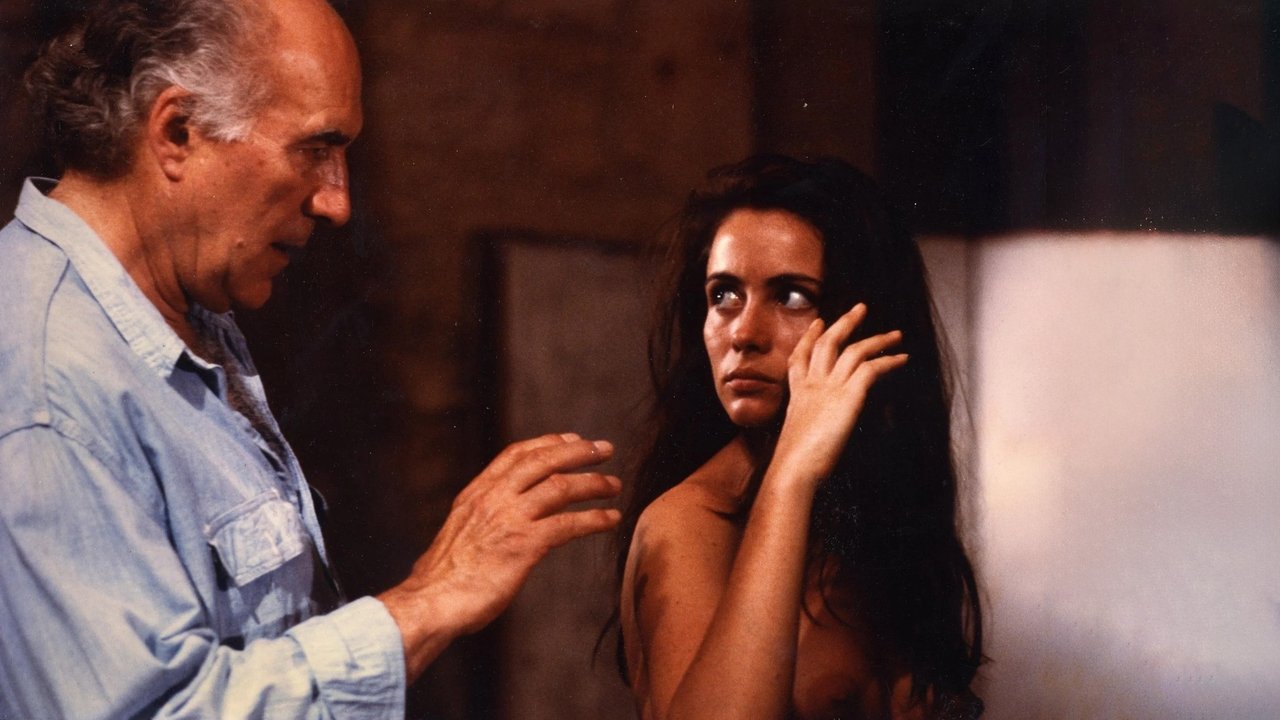
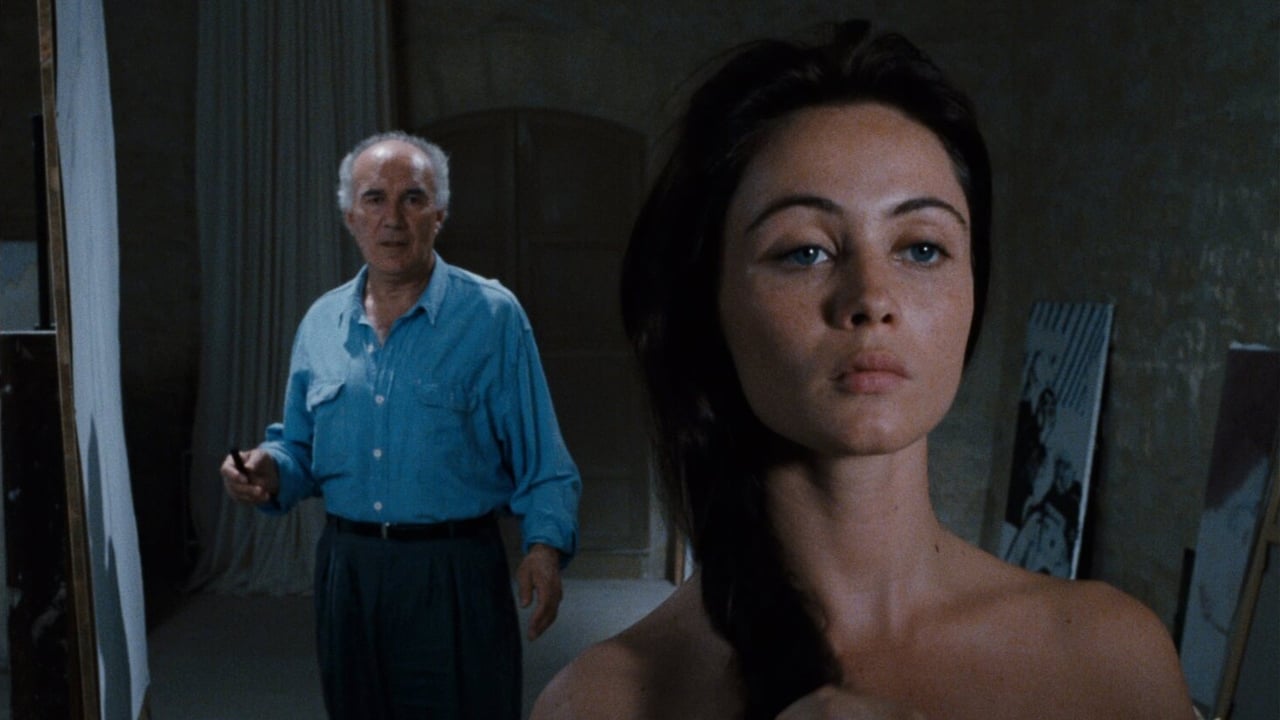
Let’s talk about that runtime. Four hours is a commitment. On VHS, it meant swapping tapes, a built-in intermission that perhaps allowed for reflection (or just a much-needed stretch). Rivette uses this duration deliberately. He forces us to experience the slow, sometimes tedious, sometimes electric process alongside the characters. There's no rushing it. The tension builds not through explosions or chases, but through the subtle shifts in power, the unspoken challenges, the gradual revealing of inner truths as lines are drawn on canvas and boundaries are tested in the studio. It mirrors the meticulous, often frustrating reality of making art. It's worth noting that Rivette also released a two-hour version titled Divertimento, but the full version, while demanding, is the truly immersive experience. It’s fascinating that a film this challenging won the Grand Prix at the Cannes Film Festival – a testament to its perceived power even amidst more accessible fare.
Does it feel dated? In some ways, the central dynamic – the older male artist, the young female muse – invites contemporary critique. Yet, the film itself seems aware of this complex power imbalance, exploring it rather than simply accepting it. Marianne is never just a passive object; her agency, her reactions, her own inner life become central to the unfolding drama. The film isn't about nudity; it's about the gaze, the act of looking, the transformation of life into art, and the human cost involved.
The Lasting Impression
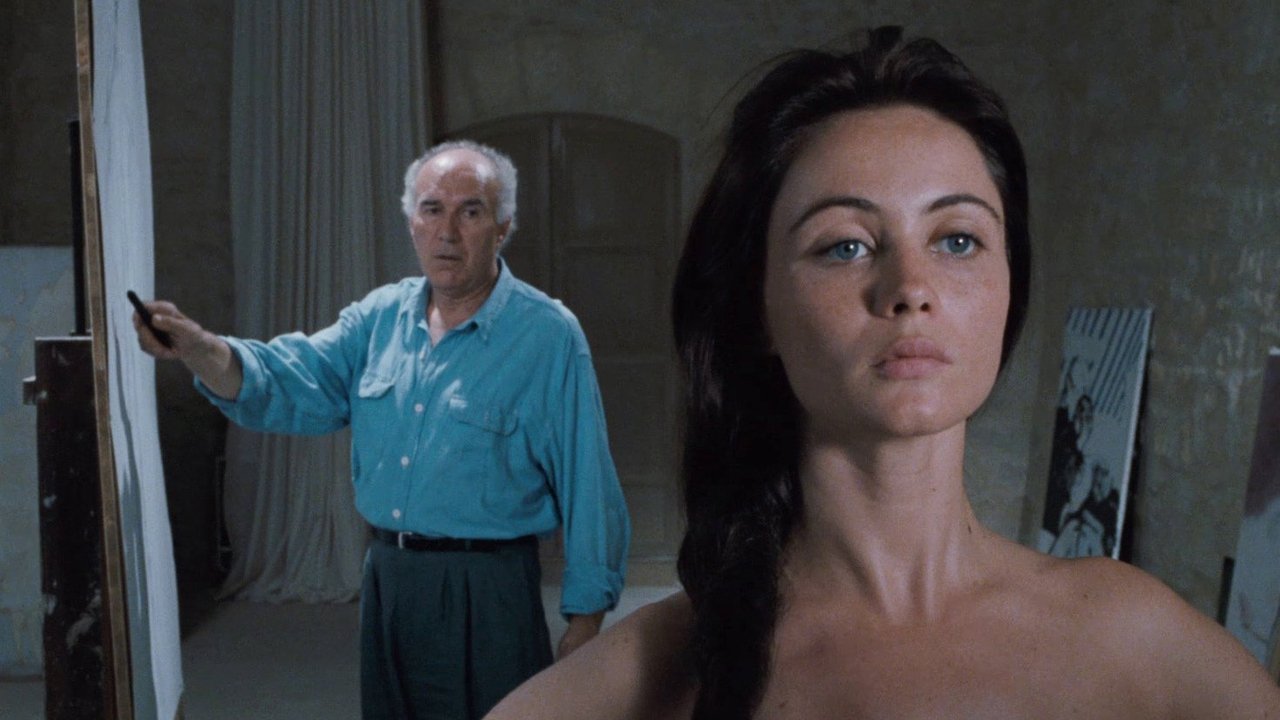
La Belle Noiseuse isn't for everyone. It’s a film you surrender to, rather than one that aggressively entertains. It asks profound questions about the nature of art, inspiration, obsession, and the complex relationship between the creator and the created. What lingers long after the credits roll (and you've rewound both tapes) isn't a specific plot point, but the feeling of having been in that studio, witnessing something intensely private and profoundly human unfold. It’s a slow burn, a challenging masterpiece that burrows under your skin.
Rating: 9/10
This rating reflects the film's artistic ambition, its demanding but ultimately rewarding nature, and the powerhouse performances, particularly from Béart and Piccoli. It loses a point only for the undeniable barrier its length and deliberate pace present to some viewers. It's a film that requires effort but offers immense depth in return. For the patient viewer, it remains an unforgettable exploration of the beautiful, dangerous dance between artist and muse. What does it truly mean to capture life in art, and what pieces of ourselves are inevitably lost – or gained – in the process?