Oscar
Alright, fellow tapeheads, let's rewind to 1991. Picture this: you’re scanning the comedy section at Blockbuster, past the usual suspects, and your eyes land on a familiar, chiseled jawline... but wait. It's Sylvester Stallone, mugging furiously on the cover of a movie called Oscar. Not Rambo V: Buttoned Up, not Rocky VI: Tax Evasion, but Oscar. If your reaction back then was anything like mine, it was probably a cocktail of confusion, intrigue, and maybe a dash of "Did Sly lose a bet?" But grabbing that tape? That was often the start of discovering something unexpectedly delightful, a quirky detour from the action aisle we usually raided.

Oscar, directed by the maestro of mayhem John Landis (the guy who gifted us Trading Places (1983) and Coming to America (1988)), isn't your typical early 90s fare. It’s a deliberate, almost theatrical throwback to the screwball comedies and rapid-fire farces of the 1930s and 40s. Set entirely within the opulent, increasingly chaotic mansion of Angelo "Snaps" Provolone (Sylvester Stallone) on the day he promises his dying father (a cameo by Kirk Douglas, initially considered for the Don Ameche role!) he'll go straight, the film unfolds like a meticulously staged play – which makes sense, as it's based on a French stage farce by Claude Magnier.
Doors Slamming, Identities Swapping
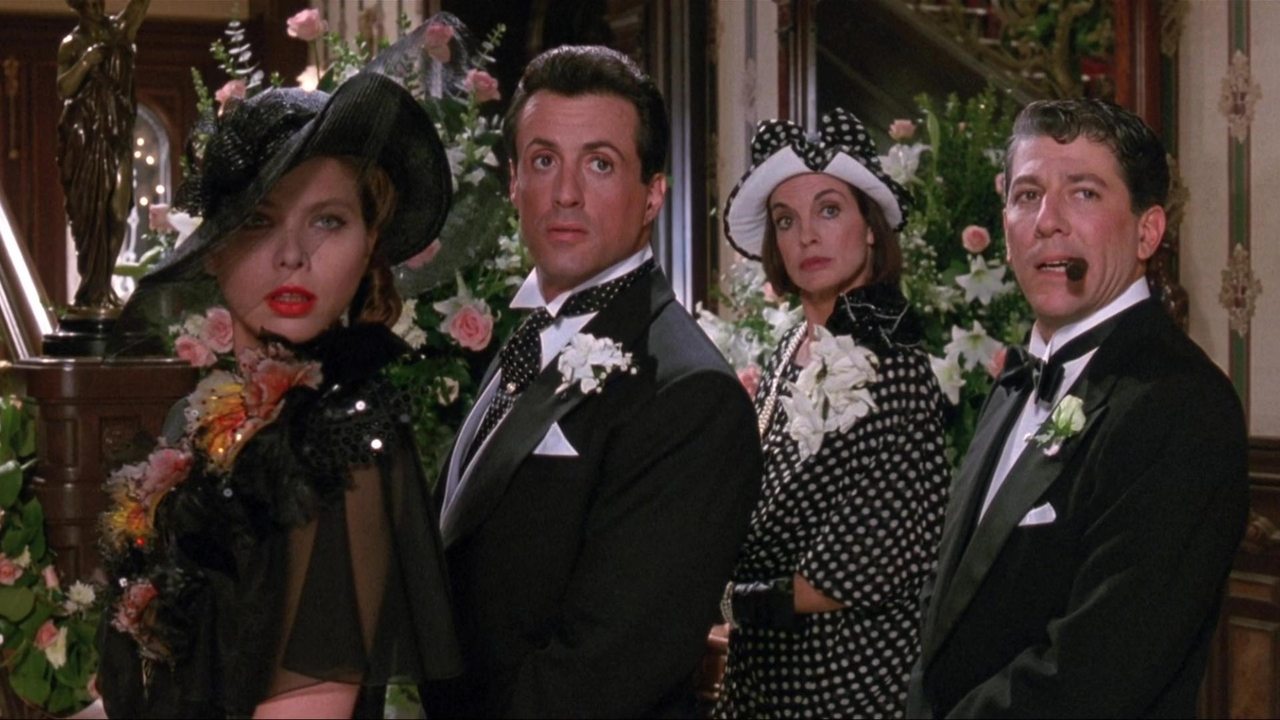
The premise is simple: Snaps wants to become a legitimate banker. The execution? Anything but. Within minutes, his carefully planned day spirals into utter pandemonium involving mistaken identities, overlapping romantic entanglements, demanding elocution coaches, oblivious tailors, rival gangsters, and the perennial problem of what to do with multiple identical black bags containing... well, different things. Landis orchestrates this chaos with a conductor's precision, using the single location not as a limitation, but as a pressure cooker. The energy isn't from explosions, but from escalating absurdity and perfectly timed entrances and exits. Remember how stagey but sharp those old comedies felt? Oscar nails that feeling, a whirlwind of movement confined to meticulously designed sets that scream "1931 Art Deco." Much of this was filmed on controlled soundstages at Universal Studios Hollywood, essential for managing the split-second timing the farce demands.
Sly Steps Out of the Ring
Let's talk about the elephant in the room, or rather, the Italian Stallion in the tailored suit. Stallone, bless his heart, throws himself into the role of Snaps with gusto. It's a performance built on exasperation, double-takes, and slow burns that constantly threaten to erupt into his familiar action-hero intensity, but are brilliantly reined in by the comedic demands. It's not subtle, but it's committed. Reportedly, Stallone took a significant pay cut (down to $12 million from his usual $15 million+) specifically for the chance to stretch his comedic muscles, and while the world wasn't exactly clamoring for 'Stallone Does Farce,' you have to admire the effort. He’s the bewildered eye of the storm, and his mounting frustration is the engine driving much of the humor. Is it jarring seeing Rocky Balboa navigate mistaken fiancées instead of uppercuts? Absolutely. Is it strangely compelling? You bet.
An Ensemble That Pops
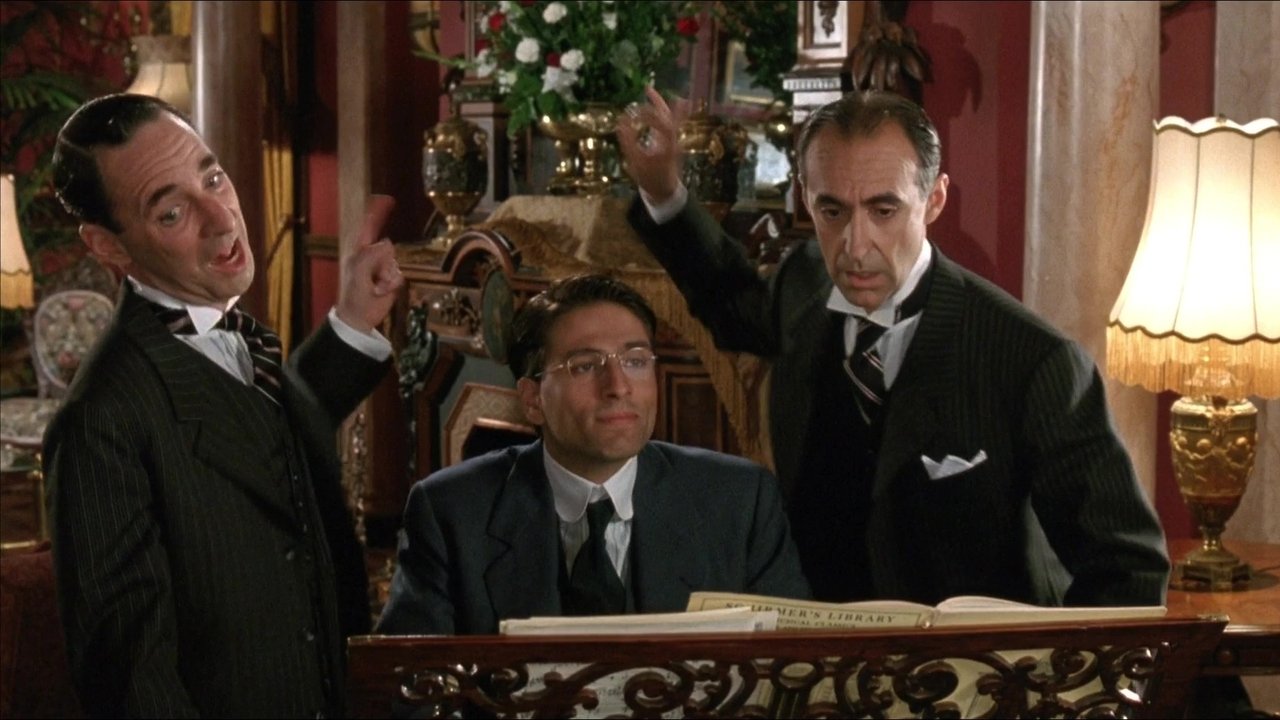
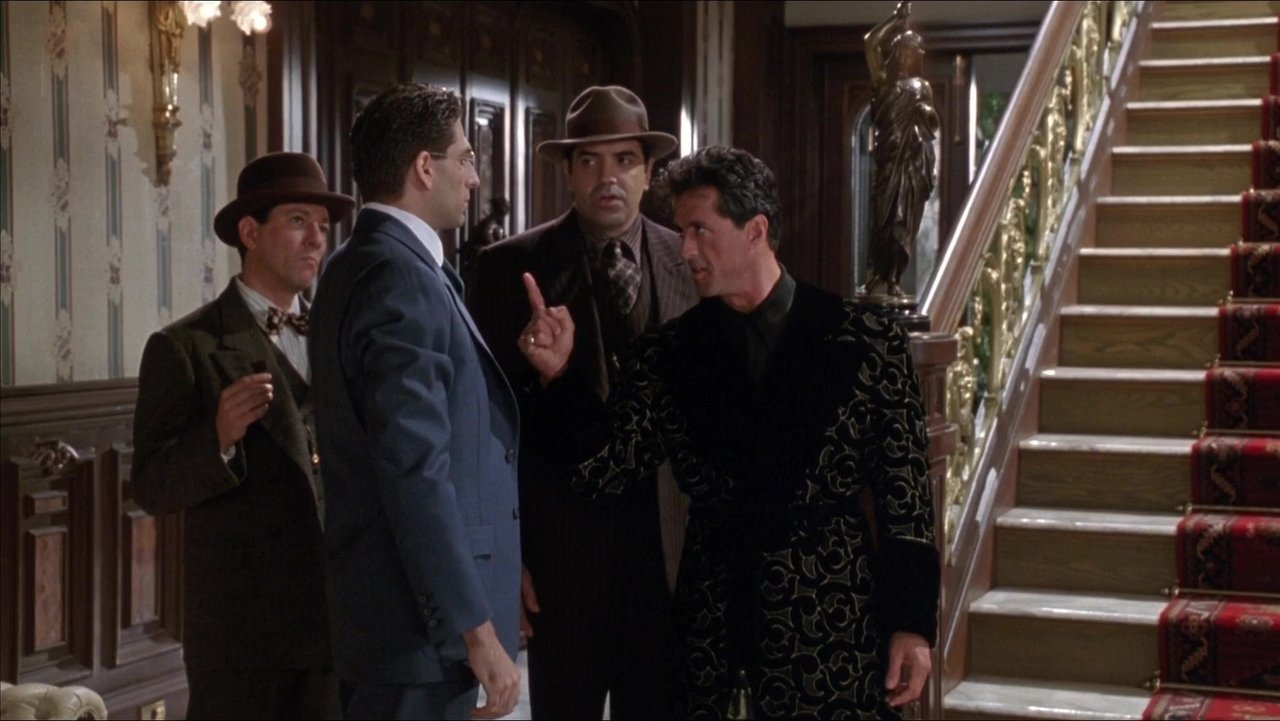
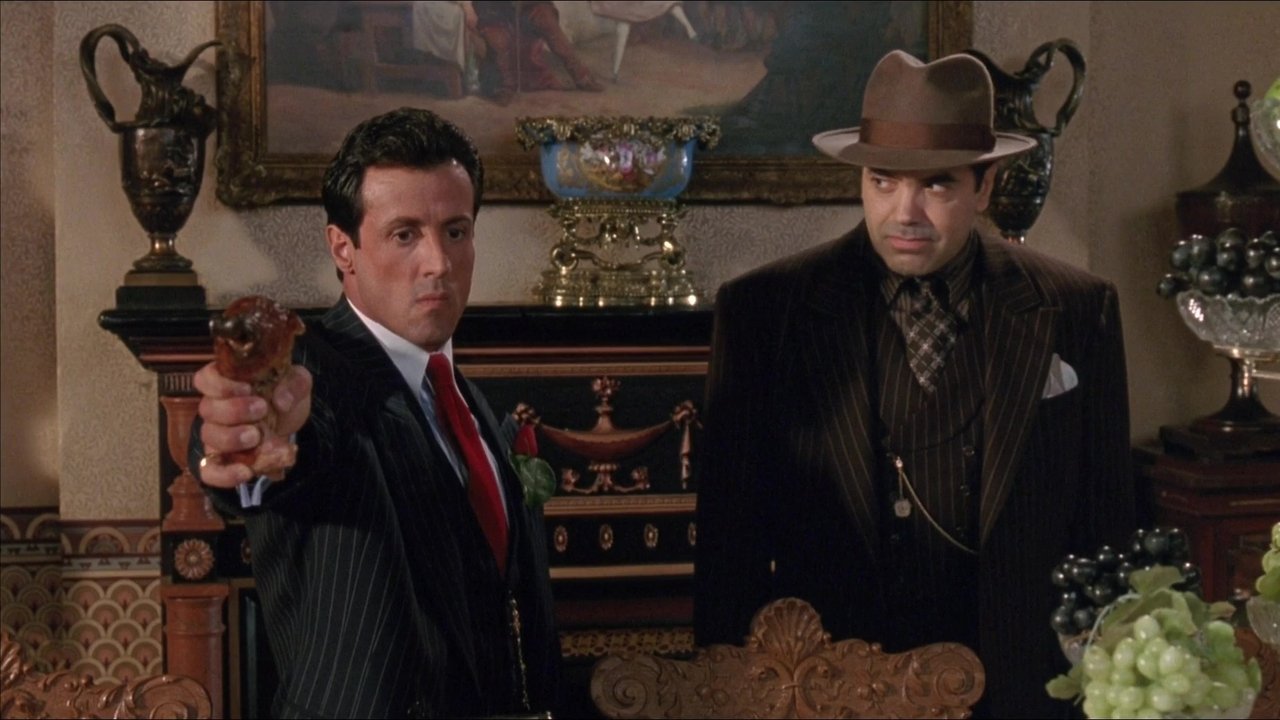
While Stallone is the anchor, Oscar truly shines thanks to its ridiculously stacked supporting cast, each playing their part in the comedic symphony. Ornella Muti is luminous and hilariously melodramatic as Snaps' wife Sofia. A young Marisa Tomei absolutely steals scenes as the perpetually confused and demanding daughter Lisa. Then there's the glorious Tim Curry as Dr. Thornton Poole, the aforementioned elocution coach, delivering every line with relish. Peter Riegert and Chazz Palminteri provide perfect gangster foils.
But the secret weapon? The legendary Don Ameche as Father Clemente. Fresh off his actual Oscar win for Cocoon (1985), Ameche brings effortless charm and impeccable timing, gliding through the chaos with a serene smile, utterly befuddled yet somehow always present. He’s the embodiment of the classic Hollywood style the film emulates. Every actor understands the assignment: play it big, play it fast, and hit your marks. The costumes, by the way, designed by Landis's frequent collaborator (and wife) Deborah Nadoolman Landis – who also gave us Indiana Jones's iconic look – are period-perfect and add another layer to the visual flair.
A Throwback Gem in a Fluorescent Era
Oscar didn't exactly set the box office on fire back in '91 (grossing around $23.6 million domestically against a hefty $35 million budget) and critics were somewhat baffled, perhaps unsure what to make of this stylized throwback in an era leaning towards grunge and Gen-X irony. But like so many films from that time, it found a second life on VHS and cable. It was the kind of movie you stumbled upon, maybe rented on a whim because Stallone was on the cover, and were either utterly charmed or completely bewildered by its frantic, old-fashioned energy.
Watching it now, the rapid-fire dialogue and door-slamming antics feel like a specific kind of practical effect – the effect of pure performance and timing. There’s a certain realness to the chaos because it’s generated by actors bouncing off each other in real space, nailing complex choreography. It’s a different kind of thrill than a car chase, but requires just as much precision. Doesn't that intricate comedic timing feel like its own kind of stunt work?
Rating: 7/10
The score reflects a film that successfully executes a very specific, challenging comedic style with a game cast and sharp direction. It's not groundbreaking, and Stallone's comedic turn might not convert everyone, but the commitment to the throwback premise is admirable and the ensemble work is frequently brilliant. It earns its points for sheer audaciousness and skillful execution of classic farce mechanics.
Oscar is a delightful anomaly from the VHS era – a slick, funny, and surprisingly warm-hearted homage to comedies of yore, tucked away in an action star's filmography. It's a reminder that sometimes, the most unexpected rentals delivered the most unexpected smiles, even if the picture was a little fuzzy around the edges. A charming curiosity absolutely worth revisiting.
You Might Also Enjoy
Innocent Blood
1992
Beverly Hills Cop III
1994
The Blues Brothers
1980
Into the Night
1985
Tango & Cash
1989
Stop! Or My Mom Will Shoot
1992
Amazon Women on the Moon
1987
Bad Boys
1995
Things Change
1988
A Shock to the System
1990
My Cousin Vinny
1992
Once Upon a Crime
1992
Coldblooded
1995
Armed and Dangerous
1986