Sometimes They Come Back
The hiss of the tape, the low hum of the VCR… some ghosts aren't just on the screen. Some cling to the magnetic strip itself, whispering tales of dread from decades past. And then there are the ghosts within the stories, the ones born from trauma so deep it refuses to stay buried. That’s the chilling territory we tread with Stephen King’s Sometimes They Come Back, a 1991 made-for-TV chiller that punched well above its weight, leaving a lasting impression long after the static cleared. It wasn't just another adaptation; it felt personal, intimate, like revisiting a wound that never quite healed.
The Unburiable Past
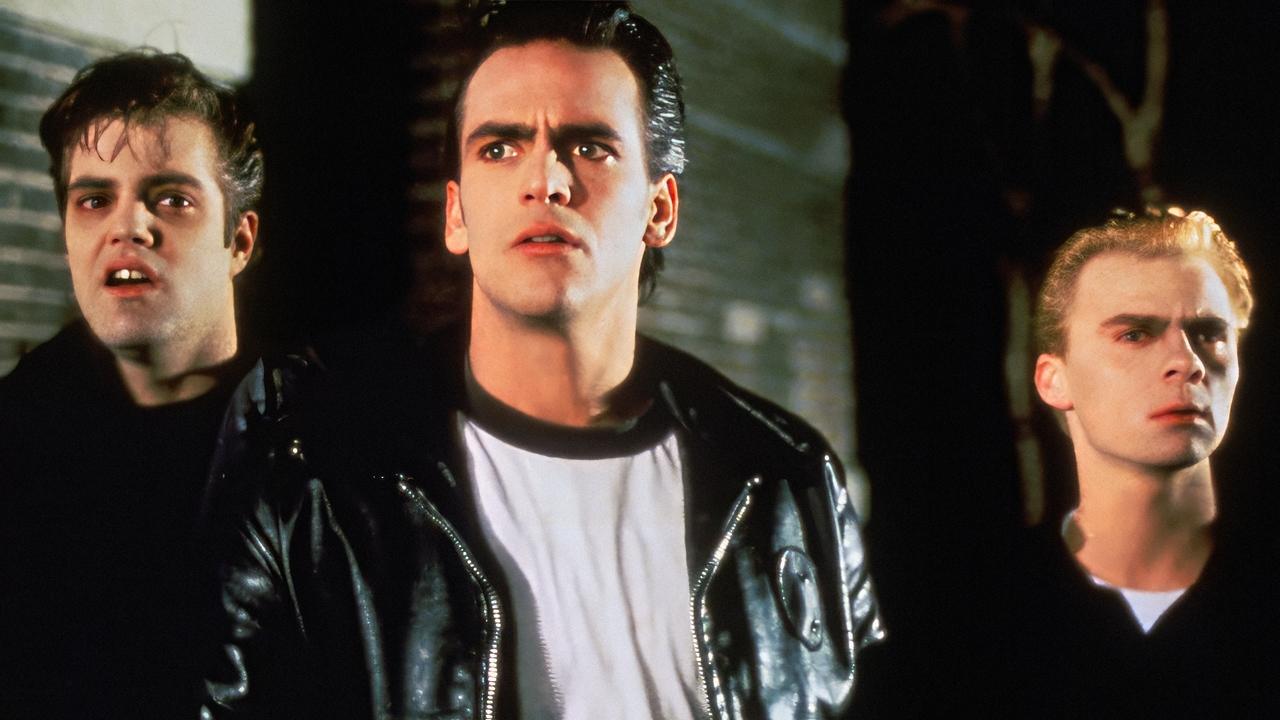
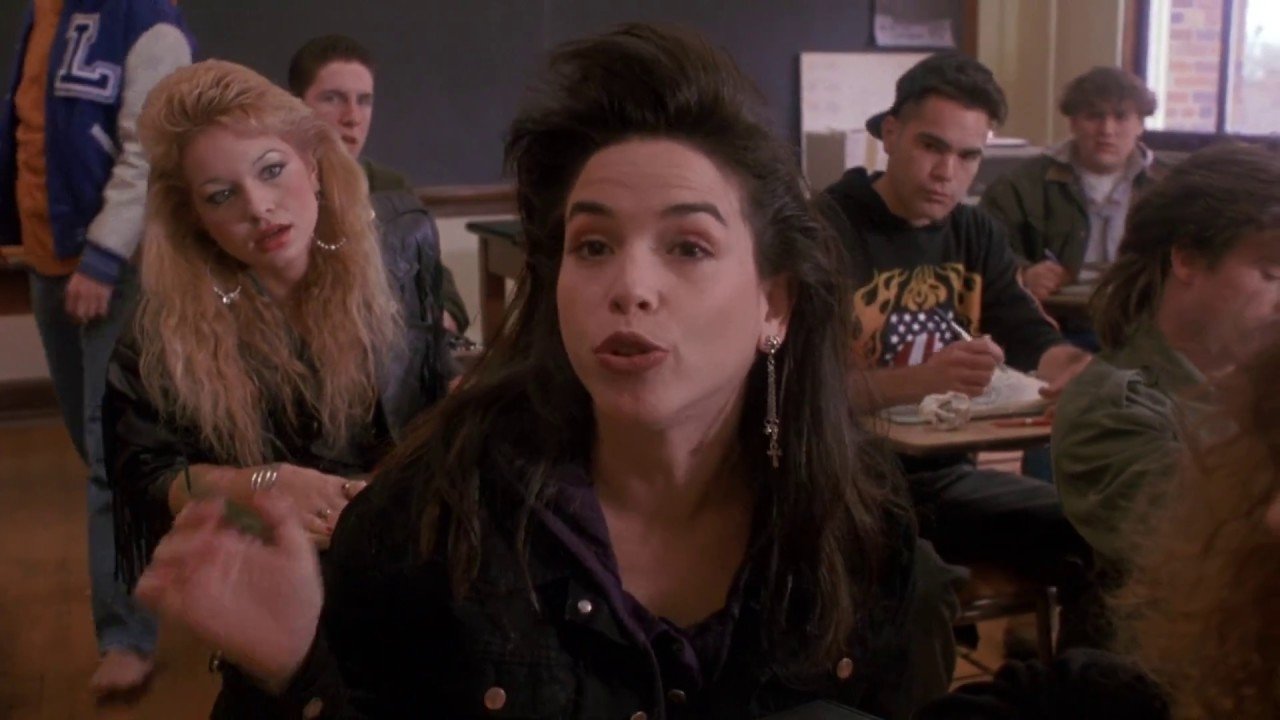
The premise itself resonates with that familiar King melancholy: Jim Norman (Tim Matheson, bringing a weary gravity to the role) returns to his sleepy hometown years after a horrific childhood tragedy. His brother was murdered by teenage greasers, who were then killed themselves by a train moments later. Now, Jim’s back to teach high school, hoping for a fresh start with his wife Sally (Brooke Adams) and son Scott (Robert Hy Gorman). But this town holds its grudges. The past isn't just knocking; it's kicking down the door. One by one, Jim’s students start dying under mysterious circumstances, only to be replaced in his classroom by the very specters of the hoods who destroyed his youth, led by the menacing Richard Lawson (Robert Rusler). They haven’t aged a day, and they want something Jim possesses – something tied to that terrible night.
Small Town Dread, Made-for-TV Terrors
Director Tom McLoughlin, who’d already proven his knack for atmospheric horror with the surprisingly clever Friday the 13th Part VI: Jason Lives (1986), brings a palpable sense of unease to the proceedings. He understands the King landscape – the deceptively calm surface of small-town America hiding a festering darkness beneath. Filmed largely in Missouri, the locations feel authentic, grounding the supernatural horror in a relatable reality that makes the intrusions even more jarring. This wasn't a glossy studio picture; it carried the specific texture of early 90s television horror – slightly muted colors, intimate framing, and a reliance on suspense over spectacle. It’s interesting to note that this story was initially slated to be a segment in the King anthology film Cat's Eye (1985), but producer Dino De Laurentiis saw its potential as a standalone piece. A wise move, allowing the narrative the breathing room it needed.
Greasers from Beyond the Grave
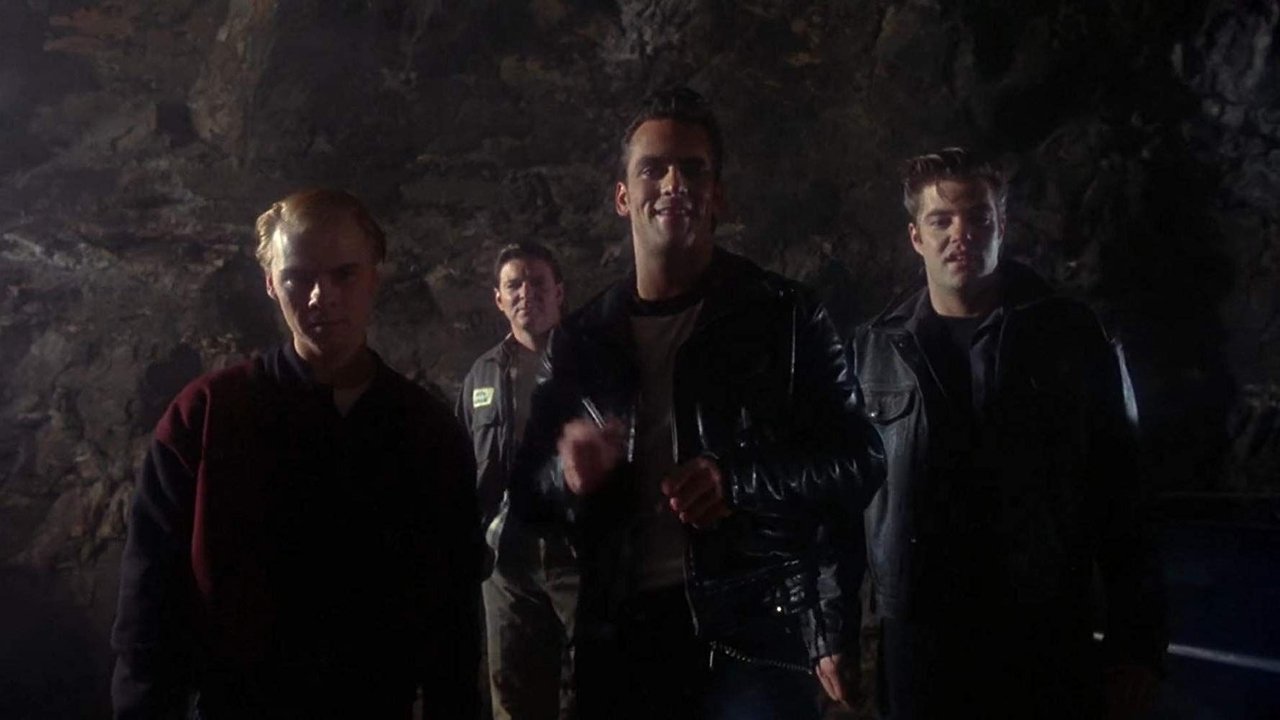
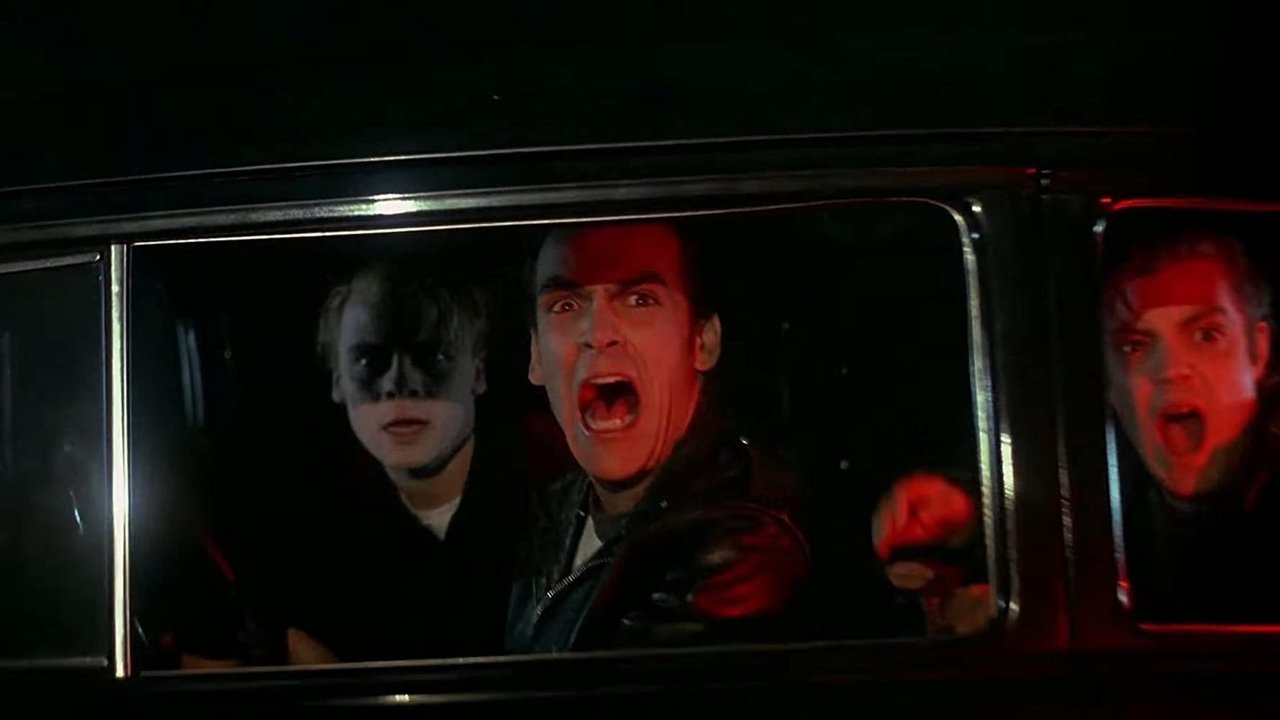
The antagonists are key to the film's chilling success. Robert Rusler, already familiar to genre fans from his roles in A Nightmare on Elm Street 2: Freddy's Revenge (1985) and Weird Science (1985), embodies Lawson with a sneering, dead-eyed menace that’s genuinely unsettling. His cohorts, Vinnie and Chip, are equally effective phantoms of teenage malice. Their spectral reappearances aren't flashy CGI affairs – this was the era of practical ingenuity. Simple makeup, eerie lighting, and the actors' unnerving stillness convey their otherworldly nature far more effectively than modern digital trickery often manages. Doesn't that grounded approach somehow make them feel more real, more threatening? Their gradual infiltration of Jim's life, picking off his students and taking their places, builds a specific kind of siege mentality, a claustrophobic dread that tightens its grip scene by scene.

Adapting the King
Adapting Stephen King for television always presented challenges, navigating network standards while trying to retain the source material’s edge. Penned by Lawrence Konner and Mark Rosenthal, Sometimes They Come Back largely succeeds. It captures the core themes of King’s short story – grief, survivor's guilt, the paralyzing grip of the past – translating them into a compelling visual narrative. While it inevitably softens some edges compared to the written word, the emotional core remains potent. Broadcast on CBS with a reported budget around $4.5 million, it performed well enough to gain traction, even securing theatrical releases overseas. King himself was apparently quite pleased with the result, a rarity sometimes in the world of his adaptations. It proved that thoughtful, atmospheric horror could thrive even within the confines of the small screen.
Lingering Chills and Lasting Impact
What makes Sometimes They Come Back endure, tucked away in the memory banks of VHS collectors and King aficionados? It’s the potent blend of supernatural horror and psychological drama. Tim Matheson sells Jim’s quiet desperation, the slow crumbling of a man forced to confront demons both literal and figurative. Brooke Adams provides the essential anchor of worried empathy. The film doesn't just want to scare you; it wants you to feel the weight of Jim's trauma, the impossible burden of a past that refuses to die. While perhaps lacking the iconic status of the IT miniseries (1990) or the theatrical might of Misery (1990), it carved out its own niche. Sure, watching it today reveals some of the limitations of its TV origins, but the atmosphere holds, the core concept remains chilling, and the performances resonate. The less said about the direct-to-video sequels (Sometimes They Come Back... Again (1996) and Sometimes They Come Back... for More (1998)), the better; they mostly served to dilute the quiet power of the original.
***
VHS Heaven Rating: 7/10
Justification: Sometimes They Come Back earns a solid 7 for its effective atmosphere, strong central performances from Matheson and Rusler, and its faithful, emotionally resonant handling of Stephen King's core themes. It successfully translates the dread of the short story to the screen, delivering genuine chills despite its made-for-TV budget and constraints. While some aspects feel dated and the pacing occasionally betrays its television roots, its sustained mood of unease and the strength of its central conflict make it a standout King adaptation from the era and a cherished piece of 90s TV horror.
Final Thought: More than just a ghost story, this is a potent reminder that the most terrifying hauntings often come not from beyond the grave, but from the unresolved darkness within ourselves – a truth that still echoes long after the tape stops rolling.
You Might Also Enjoy
Friday the 13th Part VI: Jason Lives
1986
Poltergeist II: The Other Side
1986
Ænigma
1987
The Unholy
1988
After Midnight
1989
Mirror Mirror
1990
Silent Night, Deadly Night 5: The Toy Maker
1991
Candyman
1992
Children of the Corn IV: The Gathering
1996
Pinocchio's Revenge
1996
Sometimes They Come Back... Again
1996
One Dark Night
1982
Christine
1983
Cujo
1983