The Five Heartbeats
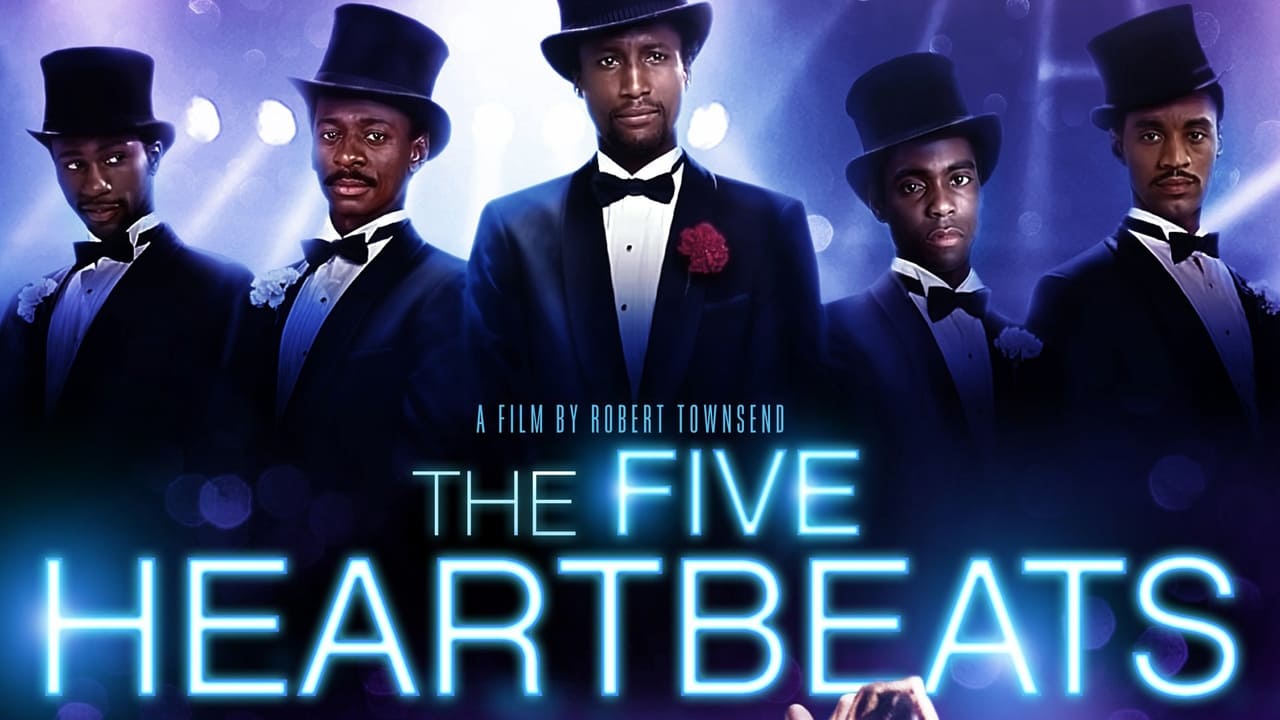
It’s rare for a film to feel simultaneously like a joyous celebration and a profound cautionary tale, but Robert Townsend’s The Five Heartbeats (1991) manages just that. Pulling this tape from the shelf back in the day always felt like settling in for something substantial, something with more heart and soul than your average flick. Co-written with Keenen Ivory Wayans (fresh off In Living Color’s explosive debut), this wasn't just a movie; it felt like a passion project poured onto celluloid, a chronicle of soaring highs and devastating lows spun from the fabric of music history. Townsend, already beloved for his sharp indie debut Hollywood Shuffle (1987), bet big on this one, reportedly pouring his own money and maxing out credit cards to bring this ambitious story to life. You feel that personal investment in every frame.
The Rise and the Rhythm
The film charts the decades-spanning journey of a fictional R&B vocal group, from their humble beginnings at a talent show in the mid-60s through the dizzying heights of fame and the inevitable fractures that follow. We meet Donald "Duck" Mack (Robert Townsend himself, playing the group's songwriter and sensitive core), the charismatic lead singer Eddie Kane Jr. (Michael Wright, in a truly unforgettable performance), the smooth ladies' man J.T. Matthews (Leon, who many would recognize from Cool Runnings two years later), the dependable bass Anthony "Choirboy" Stone (Tico Wells), and the sensible older brother figure, Terrence "Dresser" Williams (Harry J. Lennix). Their initial energy is infectious; the camaraderie feels genuine, their harmonies tight, their dreams almost palpable. Townsend captures the excitement of that early climb beautifully – the small victories, the shared jokes, the dawning realization that they might actually make it.
Shadows in the Spotlight
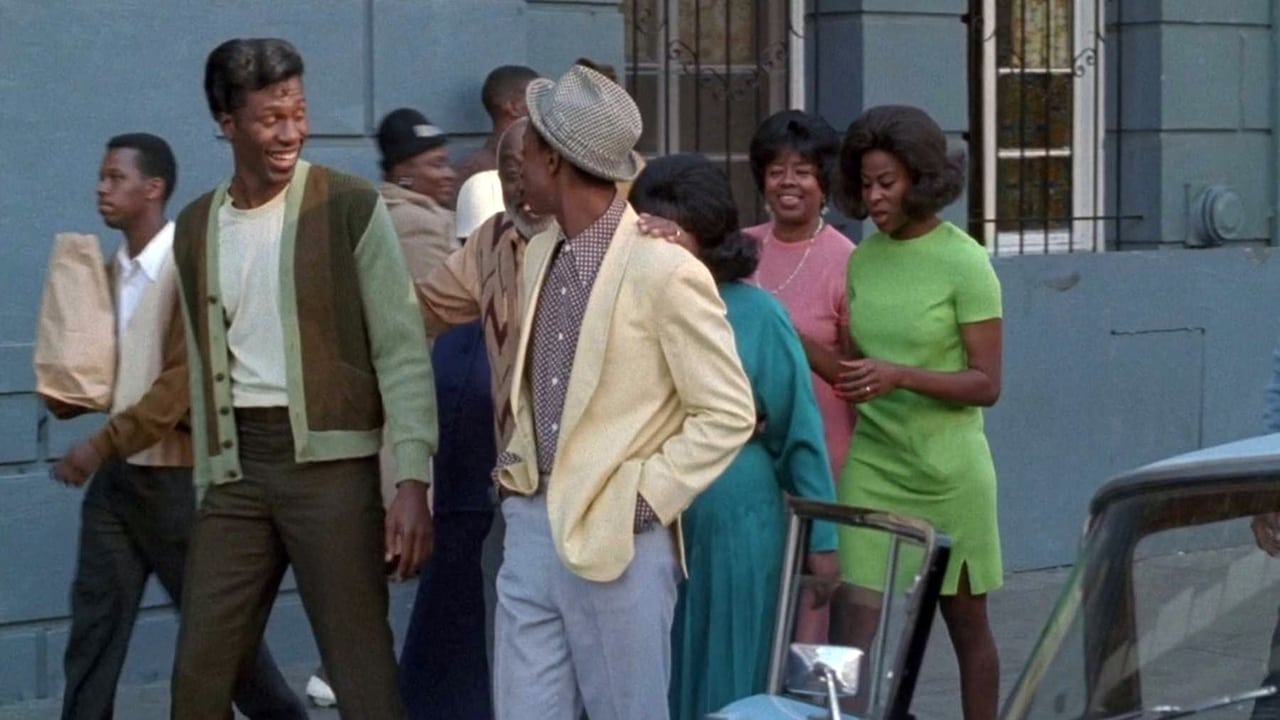
Of course, the spotlight casts long shadows. The Five Heartbeats doesn't shy away from the harsh realities often lurking beneath the shiny surface of the music industry. We see the insidious creep of addiction, particularly in Eddie's tragic spiral fueled by cocaine and ego. Michael Wright’s portrayal is simply magnetic; it's raw, painful, and utterly convincing. He embodies the vulnerability beneath the swagger, the desperation clinging to the fading notes of stardom. It’s a performance that lingers long after the credits roll, a stark reminder of talent squandered and potential lost. The film also touches upon the systemic racism faced by Black artists, the predatory managers (Harold Nicholas of the legendary Nicholas Brothers is chillingly effective as the exploitative Jimmy Potter), and the internal conflicts that strain the bonds of brotherhood. These aren't just plot points; they feel like lived experiences, infused with an authenticity likely gleaned from Townsend's deep dive into the stories of real-life groups. In fact, R&B legends The Dells served as technical advisors on the film, adding a layer of lived-in truth to the group’s dynamics and the industry pitfalls depicted.
More Than Just the Music
While the music is undeniably fantastic – featuring the breakout hit "Nights Like This" – The Five Heartbeats transcends the standard musical biopic structure. Townsend, as director, shows a real flair for capturing the changing eras, not just through costumes and sets, but through the subtle shifts in mood and music. The film spans roughly three decades, and you feel the passage of time, the weight of accumulated history pressing down on the characters. It’s ambitious storytelling, especially considering the initial box office reception was somewhat lukewarm (grossing just over its $8.5 million budget). Yet, like so many gems from the VHS era, it found its audience later, becoming a beloved cult classic passed around on worn-out tapes, its reputation growing through word-of-mouth. It’s a testament to the film's emotional resonance that it refused to fade away. It tapped into something real about friendship, ambition, and the bittersweet nature of looking back.
Behind the Harmony
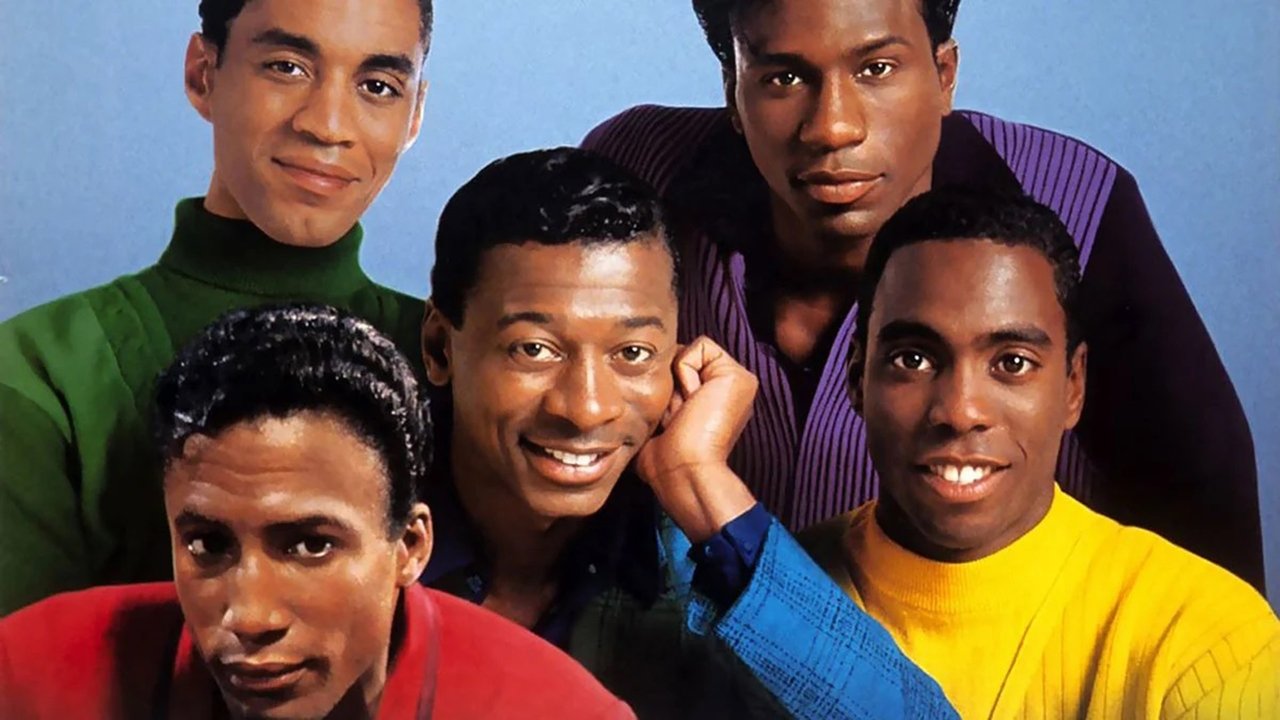
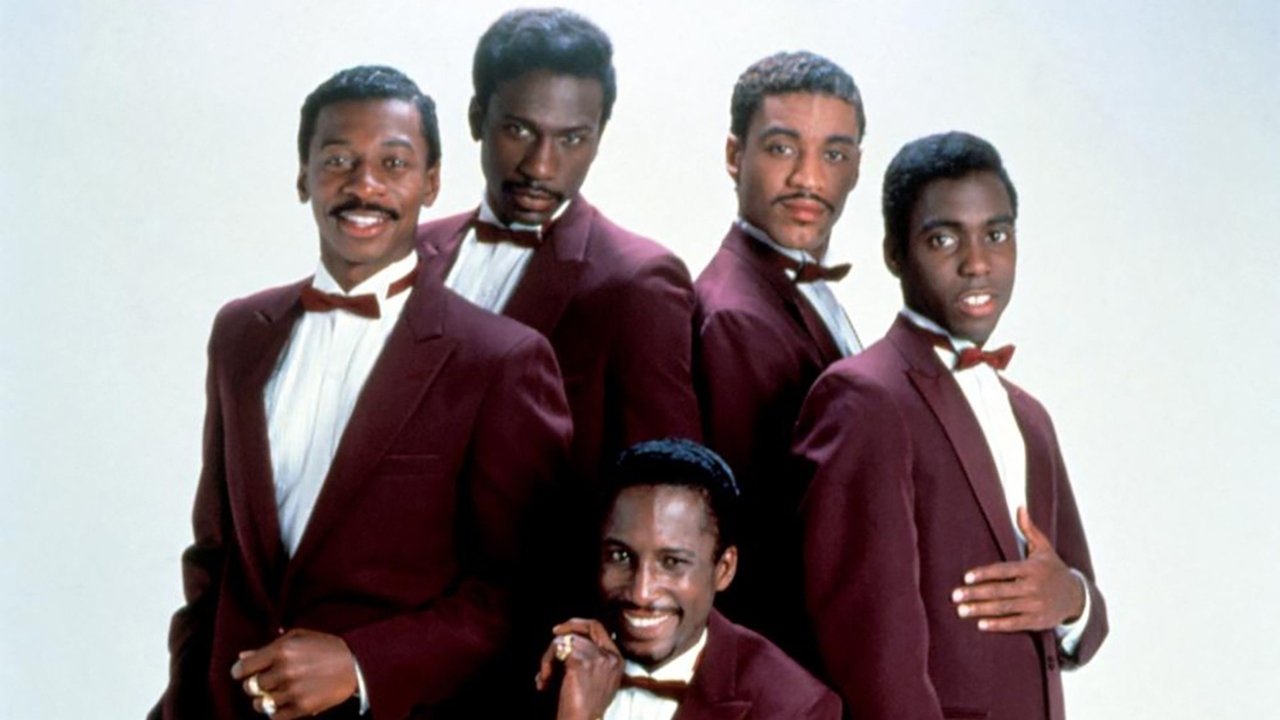
Digging into the film's creation reveals the sheer tenacity involved. Townsend faced skepticism about tackling such a large-scale period piece after his scrappy debut. Securing funding was a battle, and the commitment from him and Wayans to get the story right is evident. They weren't just making a movie; they were trying to honor a legacy, reflecting the experiences of groups like The Temptations, The Four Tops, and, of course, The Dells. There's a palpable sense of respect for the artists who paved the way, even while depicting the industry's darker side. The casting feels perfect; each actor embodies their role so completely, contributing to the feeling that we're watching a real group implode and, perhaps, find a way back to each other. Even smaller roles, like Diahann Carroll as the supportive wife Eleanor Potter, add significant weight and grace.

Rating: 8.5/10
This score reflects the film's powerful emotional core, unforgettable performances (especially Wright's), authentic portrayal of the music world's highs and lows, and its enduring cult status. While perhaps occasionally leaning into melodrama, its ambition, sincerity, and knockout soundtrack make it a standout achievement. The Five Heartbeats earns its place in VHS Heaven not just for the nostalgia factor, but because it tells a timeless story about brotherhood, betrayal, and the complex price of dreams with genuine heart and soul.
What lingers most is the bittersweet ache of it all – the echo of harmonies fractured by fame, the ghost of potential realized and tragically lost. It leaves you pondering the fine line between success and self-destruction, and the enduring power of forgiveness, even decades later. A true gem worth revisiting.