The Stranger
Who are we, really, beneath the layers of societal expectation and accumulated identity? What happens when someone appears, claiming a connection that disrupts our carefully constructed lives, forcing us to confront not just their identity, but our own capacity for trust and suspicion? This unsettling question lies at the heart of Satyajit Ray's final film, Agantuk (1991), released internationally as The Stranger. It might not have been the tape blasting explosions from your rented VCR every Friday night, but for those who stumbled upon it, perhaps in the 'World Cinema' section of a particularly well-stocked video store, it offered a different kind of profound, lasting impact.
An Arrival and an Unsettling Question
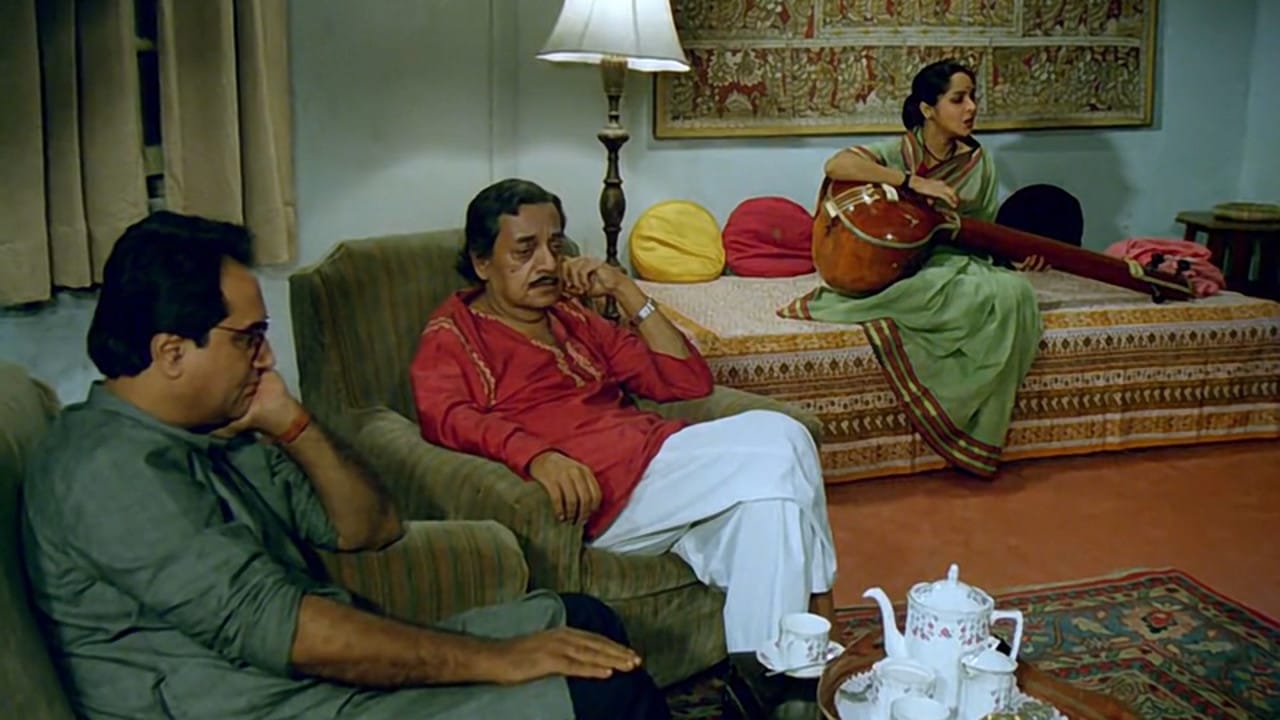
The premise is deceptively simple. Anila Bose (Mamata Shankar) receives a letter from a man claiming to be her long-lost maternal uncle, Manomohan Mitra, who vanished decades earlier. He announces his impending arrival in Calcutta after years spent travelling the world, much of it among indigenous communities. Anila barely remembers him, and her practical husband, Sudhindra (Deepankar De), is immediately suspicious. Is this man truly family, or an imposter after their comfortable middle-class inheritance? The visitor arrives – articulate, worldly, slightly mysterious, played with masterful ambiguity by the great Utpal Dutt. What follows isn't a thriller in the conventional sense, but a quiet, intense chamber drama unfolding primarily within the Bose family apartment, fueled by dialogue, doubt, and the slow peeling back of assumptions.
The Unfolding Human Drama
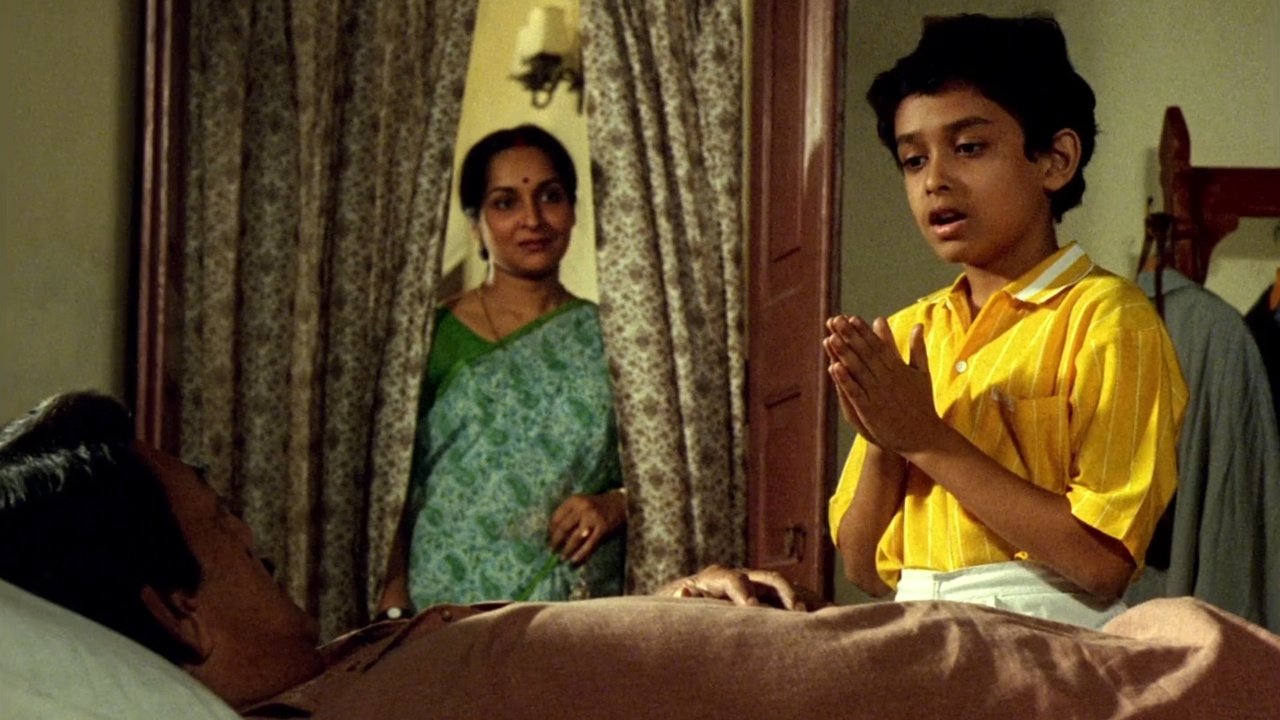
Forget car chases and shootouts; the action here is purely psychological and intellectual. Ray, adapting his own short story, crafts scenes built on conversation, observation, and the subtle shifts in power and perception between the characters. Sudhindra grills the supposed uncle about his past, his travels, his philosophies, seeking inconsistencies. Anila watches, torn between ingrained skepticism and a flicker of familial curiosity, perhaps even longing. Mamata Shankar portrays this internal conflict beautifully; her expressive eyes convey volumes of doubt, hope, and eventual dawning understanding. Deepankar De is equally effective as the pragmatic modern man, representing a certain kind of urban cynicism, wary of anything that doesn't fit neatly into his rational worldview.
But it's Utpal Dutt, a titan of Bengali theatre and cinema, who anchors the film. His Manomohan Mitra is captivating – is he a charlatan weaving elaborate tales, or a genuinely enlightened soul who has shed the trappings of conventional 'civilization'? Dutt plays him with a gentle confidence, a twinkle in his eye, parrying Sudhindra's pointed questions with thoughtful, sometimes provocative, reflections on anthropology, societal norms, and the meaning of progress. His performance is a masterclass in nuance, never tipping his hand entirely, leaving the audience, along with the Bose family, constantly reassessing their judgments. Does his worldliness feel authentic, or is it a carefully constructed facade?
Ray's Quiet Mastery
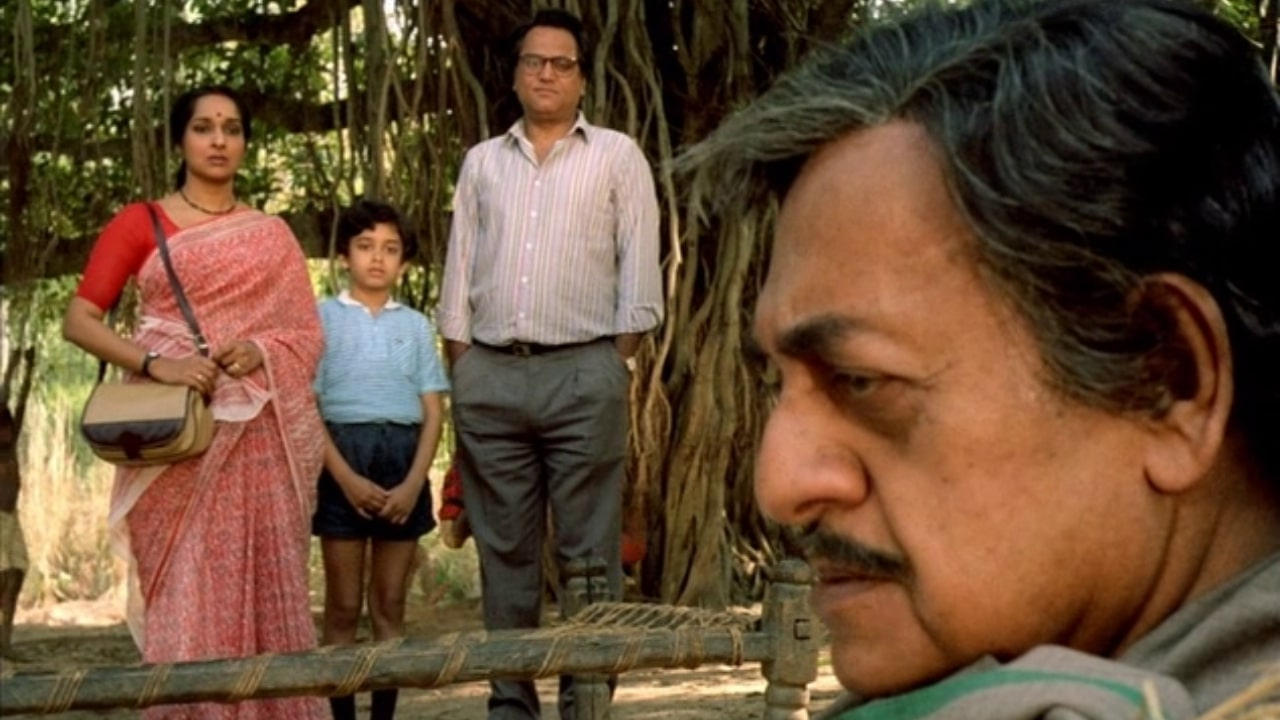
This being Satyajit Ray's swan song – a poignant fact, given he was reportedly quite ill during production, sometimes directing from a wheelchair – the film resonates with the quiet humanism and understated elegance that defined his legendary career (think Pather Panchali or Charulata). There's no stylistic flourish for its own sake. The camera observes patiently, focusing on faces, gestures, the spaces between words. Ray trusts his actors and his script implicitly. The tension builds not through overt threats, but through the weight of unspoken questions and the slow erosion of certainty. He forces us, the viewers, into the same position as Anila and Sudhindra: scrutinizing the stranger, searching for truth in his stories and his demeanor. It’s a testament to Ray’s skill that a film built largely on drawing-room conversations feels so utterly compelling. It even snagged India's National Film Award for Best Feature Film in 1992, a fitting final accolade.
A Different Kind of VHS Discovery
Finding The Stranger on VHS back in the day might have felt like uncovering a hidden gem. Amidst the louder, faster fare dominating the shelves, its quiet intelligence stood out. It wasn't aiming for broad appeal; it was offering something richer, more contemplative. It asks us to consider: what constitutes 'civilization'? Is the urban professional more advanced than the tribal elder Manomohan speaks of with such reverence? These aren't easy questions, and Ray provides no simple answers. The film subtly critiques the materialism and skepticism of modern life, championing instead a sense of wonder, curiosity, and the value of human connection beyond blood ties or bank balances. It’s the kind of film that doesn’t just entertain; it lingers, prompting reflection long after the tape clicked off and the TV screen went dark. I remember finding a copy at a university library's film archive – a stark white sleeve with simple lettering, a world away from the lurid covers nearby, promising something entirely different.
Legacy and Final Thoughts
The Stranger is a deceptively simple film with profound depth. It’s a character study, a philosophical debate, and a gentle interrogation of societal values, all wrapped in a compelling human drama. The performances are uniformly excellent, grounded in a realism that makes the central mystery all the more intriguing. While its deliberate pace and dialogue-heavy nature might differ from the usual high-octane retro favorites celebrated here at VHS Heaven, its quality and thematic resonance are undeniable. It's a powerful final statement from one of cinema's true masters.
Rating: 9/10
This near-perfect score reflects the film's masterful direction, superb acting (especially from Utpal Dutt), and the enduring power of its central questions. It achieves precisely what it sets out to do with grace and intelligence, even if its contemplative style makes it a different kind of viewing experience than, say, Die Hard.
The Stranger leaves you pondering not just the identity of the visitor, but the very nature of identity itself, and perhaps questioning how readily we accept, or reject, the unexpected arrivals in our own lives. What truths do we miss when barricaded behind suspicion?
You Might Also Enjoy
The Name of the Rose
1986
Chronicle of a Death Foretold
1987
Flowers in the Attic
1987
Man Facing Southeast
1987
White Mischief
1987
Appointment with Death
1988
The Murdered House
1988
Music Box
1989
Out 1
1990
Reversal of Fortune
1990
The Comfort of Strangers
1990
The Reflecting Skin
1990
The Two Jakes
1990
Homicide
1991