Voyager
Okay, settle in. Sometimes, browsing those remembered aisles of the video store, past the flashy action covers and neon-splashed comedies, your hand would land on something different. A cover with perhaps a thoughtful gaze, a hint of far-off places, promising something… weightier. Volker Schlöndorff’s Voyager from 1991 was often that tape – perhaps rented on a whim, maybe recommended by the clerk who knew their stuff. It wasn't a film that grabbed you by the lapels; instead, it settled over you, a slow, atmospheric drift towards an unnerving destination. What lingers most, decades later, isn't spectacle, but the haunting quietness of its central tragedy.
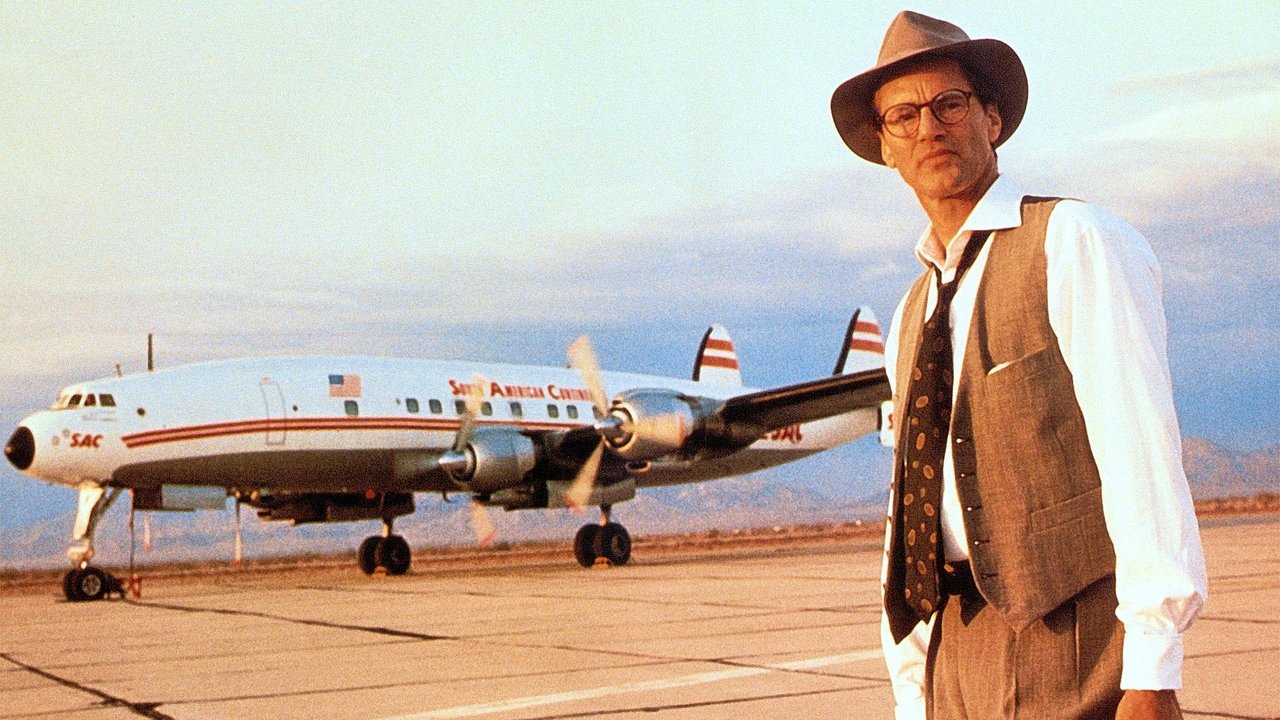
The Engineer and the Unfolding Map
At its heart, Voyager is the story of Walter Faber, played with a compelling, weathered restraint by the late, great Sam Shepard. Faber is an engineer, a man who trusts in probabilities, technology, the tangible. He views the world through a lens of cool logic, believing life can be calculated, managed. His work takes him across the globe, reinforcing a sense of detached observation. But the film, based on Max Frisch’s dense, philosophical novel Homo Faber, is about the terrifying intrusion of the irrational, the coincidental, the fated, into this carefully constructed world. Doesn't that clash between order and chaos feel deeply familiar, even now?
Schlöndorff, who already had the monumental Palme d'Or and Oscar winner The Tin Drum (1979) under his belt, brings a European arthouse sensibility to the proceedings. The film unfolds with a deliberate, almost meditative pace. We follow Faber from a plane crash in the Mexican desert – an event he survives with almost unnerving calm – through chance encounters in New York, a transatlantic voyage, and sun-drenched explorations of Greece and Italy. The geography itself becomes a character, contrasting the starkness of Faber's worldview with the ancient, undeniable beauty and mystery of the places he finds himself in.
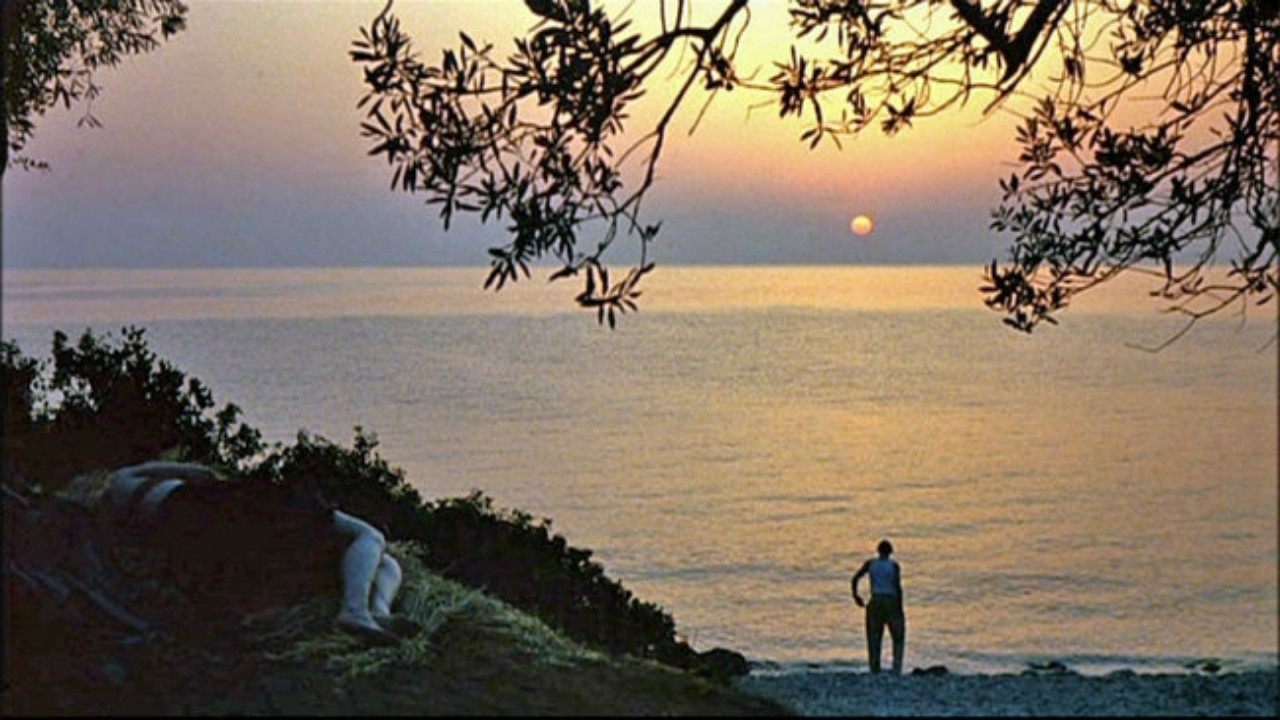
A Fateful Encounter
The crux of Faber's unraveling begins aboard that ship, where he meets Sabeth, a young woman full of life and curiosity, portrayed with luminous intelligence by a then-emerging Julie Delpy. Their connection is immediate, sparking something dormant within Faber. He’s drawn to her vitality, her unburdened perspective. Shepard and Delpy create a fascinating dynamic – his guarded weariness meeting her open radiance. It's a relationship that feels both inevitable and deeply unsettling, particularly as Faber begins to piece together fragments of his own past, including a long-lost love, Hanna (a typically strong performance from Barbara Sukowa, another Schlöndorff regular).
Here, the film treads into dark territory. Spoiler Alert! The gradual revelation that Sabeth is the daughter Faber never knew he had with Hanna, and the horrifying ignorance under which their bond deepens, forms the devastating core of the narrative. Schlöndorff handles this with a kind of muted horror. There are no histrionics, no dramatic pronouncements in the moment of realization, which somehow makes the eventual emotional fallout even more potent. It's a slow-motion car crash of the soul, observed through Faber's increasingly fractured perspective.
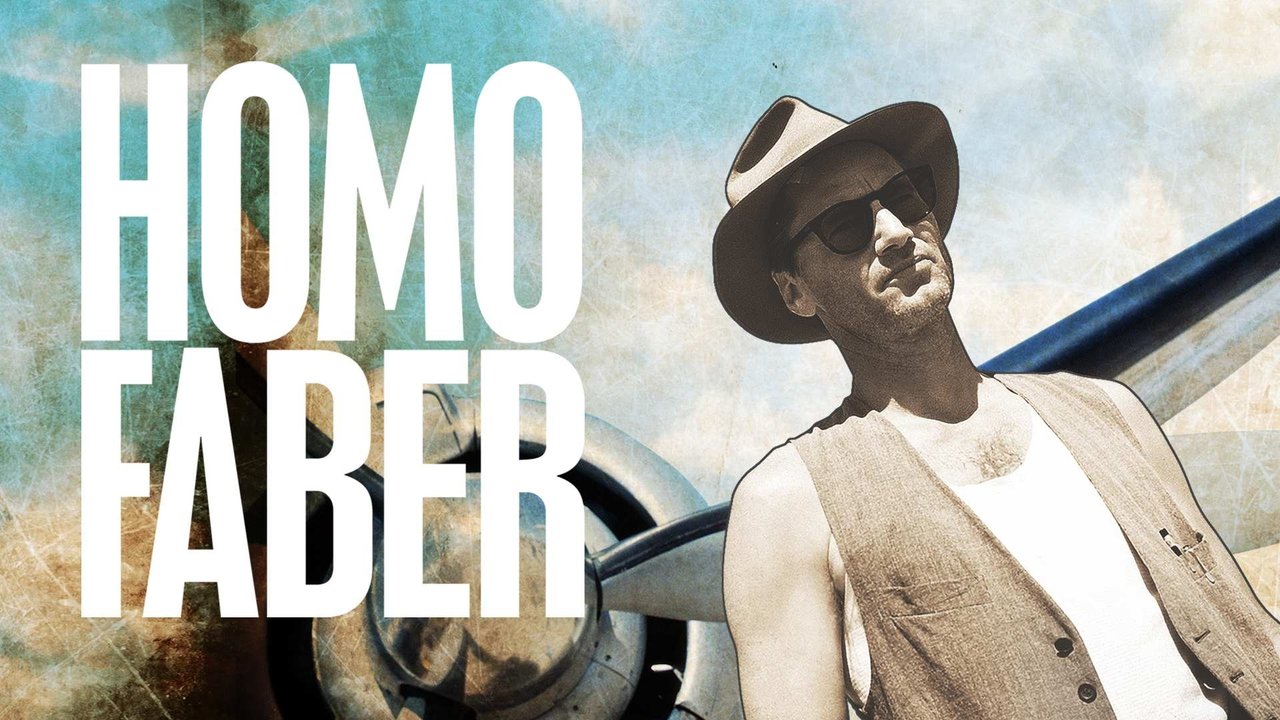
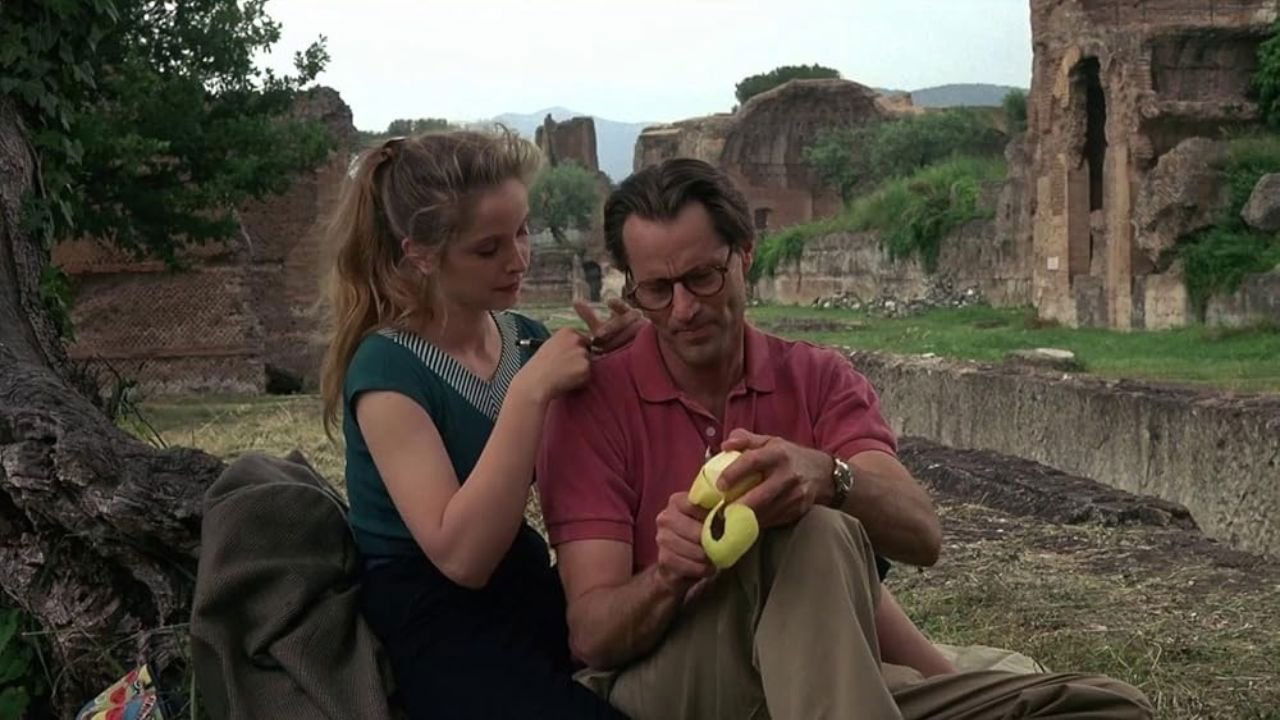
The Weight of Performance and Place
Sam Shepard's performance is central to the film's success. He embodies Faber's internal conflict – the engineer warring with the man, the past asserting itself against a determinedly forward-looking present. It's a performance built on small gestures, weary glances, and a palpable sense of someone deeply uncomfortable in their own skin, especially when confronted with genuine emotion. It's a fascinating choice, casting an actor so associated with rugged American individualism and myth-making as this controlled, almost tragically rational figure. Was it a deliberate counterpoint, highlighting the fragility beneath the surface?
Julie Delpy, years before her iconic role in Before Sunrise (1995), already possessed that captivating blend of intelligence and charm. She makes Sabeth more than just a catalyst for Faber’s downfall; she's a vibrant character in her own right, making the story's turn even more heartbreaking. The way Schlöndorff and cinematographer Yorgos Arvanitis capture the landscapes, from the dusty plains of Mexico to the sun-bleached ruins of Greece, adds another layer. These aren't just backdrops; they feel like silent witnesses to Faber's existential journey, ancient settings that dwarf his modern belief in control.
Adapting the Unfilmable?
Adapting Frisch's Homo Faber was no small feat. The novel relies heavily on Faber's internal monologue, his philosophical justifications and rationalizations. Schlöndorff translates this visually and through Shepard's nuanced performance, capturing the feeling of Faber's worldview crumbling rather than just stating it. It’s a testament to Schlöndorff’s skill that the film retains the novel's intellectual weight while functioning as compelling cinema. Interestingly, the film was nominated for the Palme d'Or at the 1991 Cannes Film Festival, signalling its serious artistic intentions – this wasn't just another drama dumped onto VHS shelves, but a piece of considered filmmaking. While perhaps not a massive box office success (reports suggest a budget around $15 million, substantial for a European co-production then, but returns were modest), its presence in thoughtful video stores offered a different kind of cinematic nourishment.
Voyager wasn't the kind of tape you'd grab for a Friday night party. I remember picking it up from the ‘Drama’ section, intrigued by Shepard’s face on the cover, vaguely aware of Schlöndorff's reputation. It demanded patience, attention. It wasn’t ‘entertaining’ in the conventional sense, but it was deeply affecting. It stuck with me, that sense of inescapable fate, the quiet tragedy of a man undone by the very randomness he sought to deny.
Rating: 8/10
Justification: Voyager earns its high marks for its thoughtful direction, stunning cinematography, and powerhouse performances, especially from Sam Shepard who delivers a masterclass in understated turmoil. It tackles profound themes with intellectual honesty and emotional weight. The pacing is deliberate, which might test some viewers, and it deviates slightly from the novel's full complexity, but as a cinematic experience, it’s haunting and beautifully crafted.
Final Thought: It’s a film that reminds us that beneath our plans and calculations, life often has other, more ancient and unsettling designs in store. A quiet gut-punch of a movie, perfectly suited for a reflective evening when you’re ready to grapple with something substantial.