Chaplin
How do you capture lightning in a bottle, twice? First, the lightning strike that was Charlie Chaplin himself – a global icon born from poverty, the Little Tramp who spoke volumes without uttering a word. Then, the near-impossible task of bottling that life, that complex genius, into a feature film. Richard Attenborough’s 1992 biopic Chaplin attempts just this, anchored by a performance that remains astonishing decades later. Watching it again now, on a format far removed from the grand cinema screen it aimed for, feels like revisiting a meticulously crafted portrait, one where the brilliance of the subject and the central performance nearly eclipse the frame itself.
More Than Mimicry
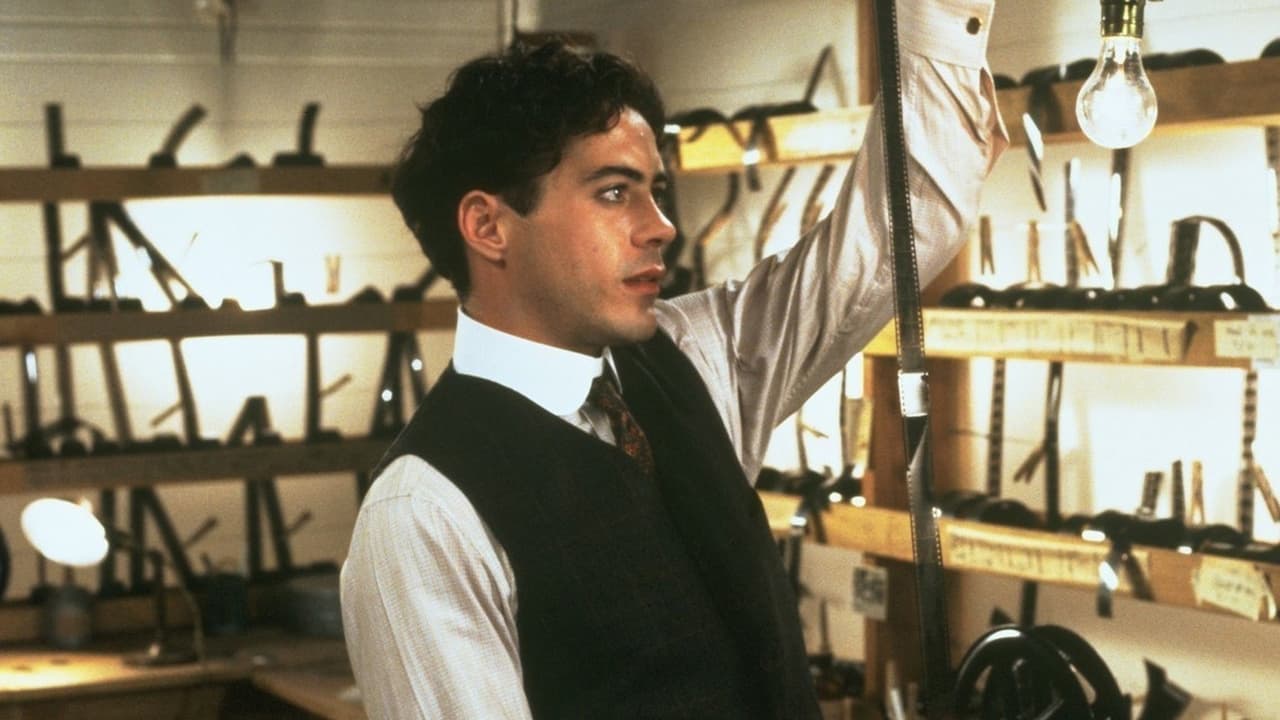
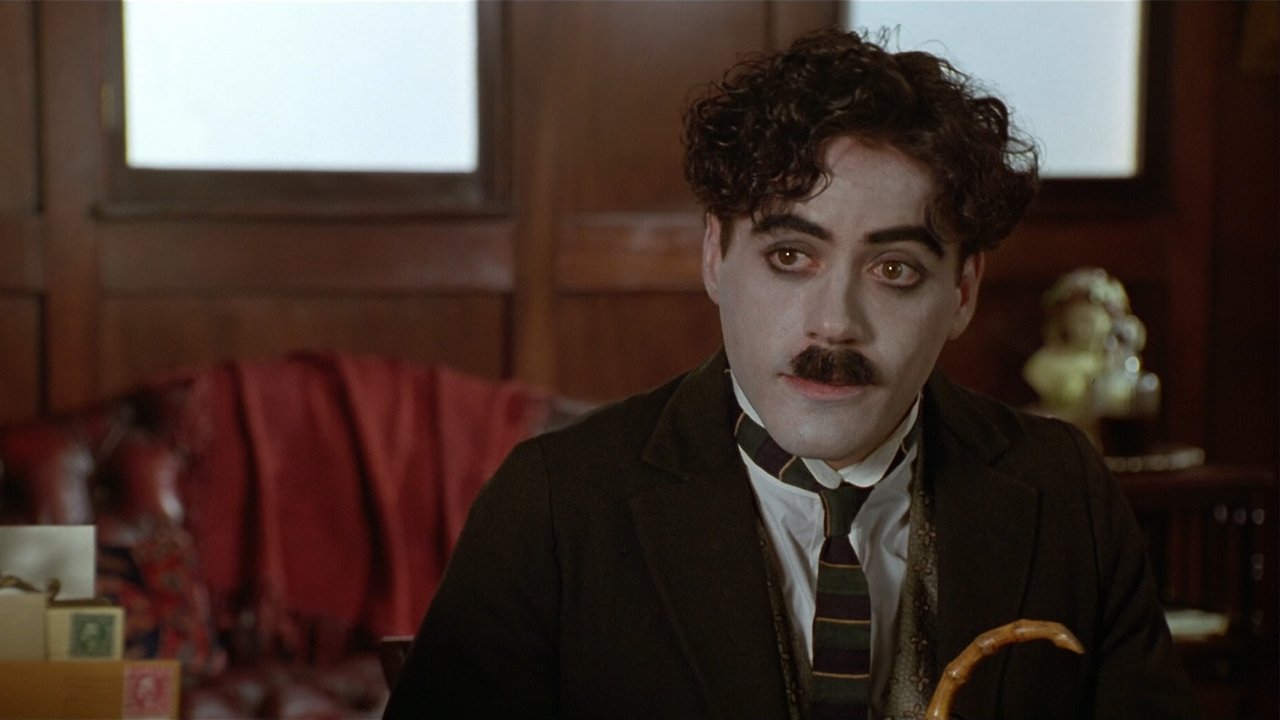
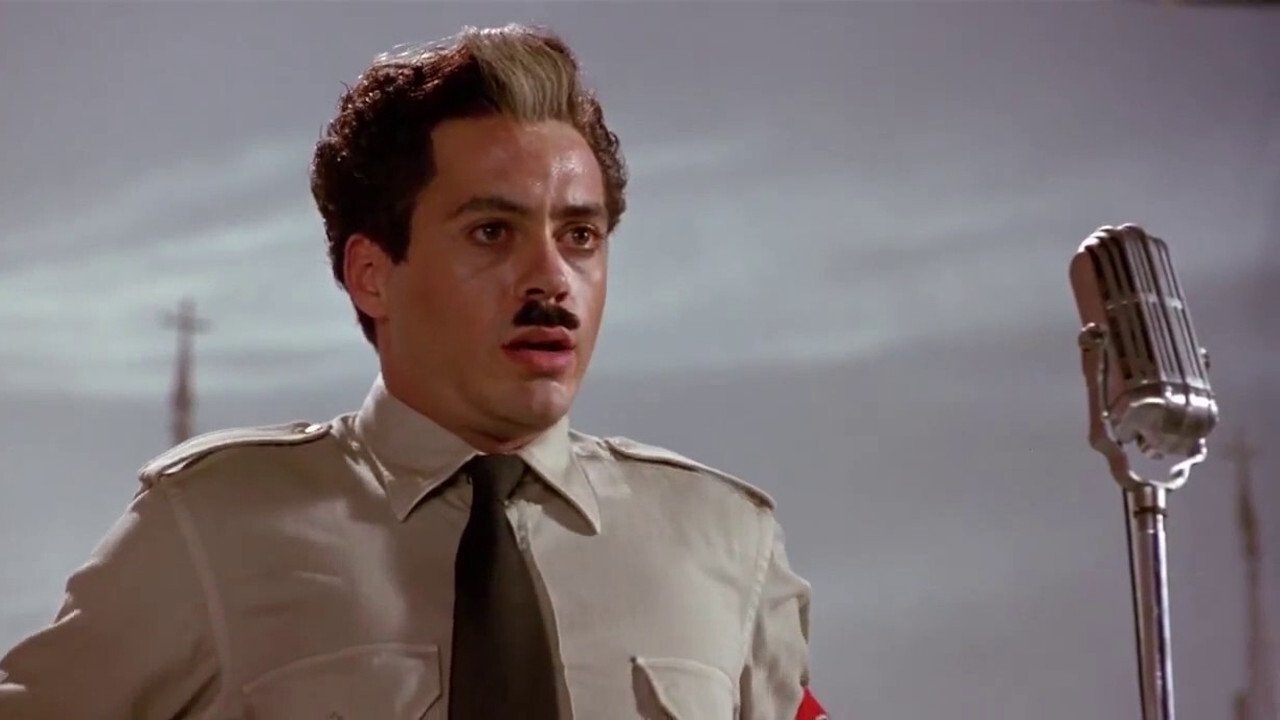
Let's be clear: the gravitational center of Chaplin is Robert Downey Jr. It’s a performance that transcends imitation, though the physical resemblance and recreation of the Tramp's movements are uncanny. Downey Jr. reportedly threw himself into the role with ferocious dedication – learning to play violin and tennis left-handed, mastering the distinct physicality, studying hours of Chaplin's footage. But what truly resonates, what makes this portrayal lodge itself in your memory, is the vulnerability he finds beneath the bowler hat and mustache. He captures the demanding perfectionist, the insecure artist haunted by his mother's tragic life, the magnetic personality, and the increasingly isolated political figure. It’s a tightrope walk between reverence and revelation, and Downey Jr. navigates it with breathtaking skill, earning him a much-deserved Oscar nomination. It felt like watching an actor fully inhabit a legend, a transformation that was particularly striking for those of us who remembered him primarily from his charismatic, often looser, roles in 80s films like Less Than Zero or Weird Science.
Framing a Monumental Life
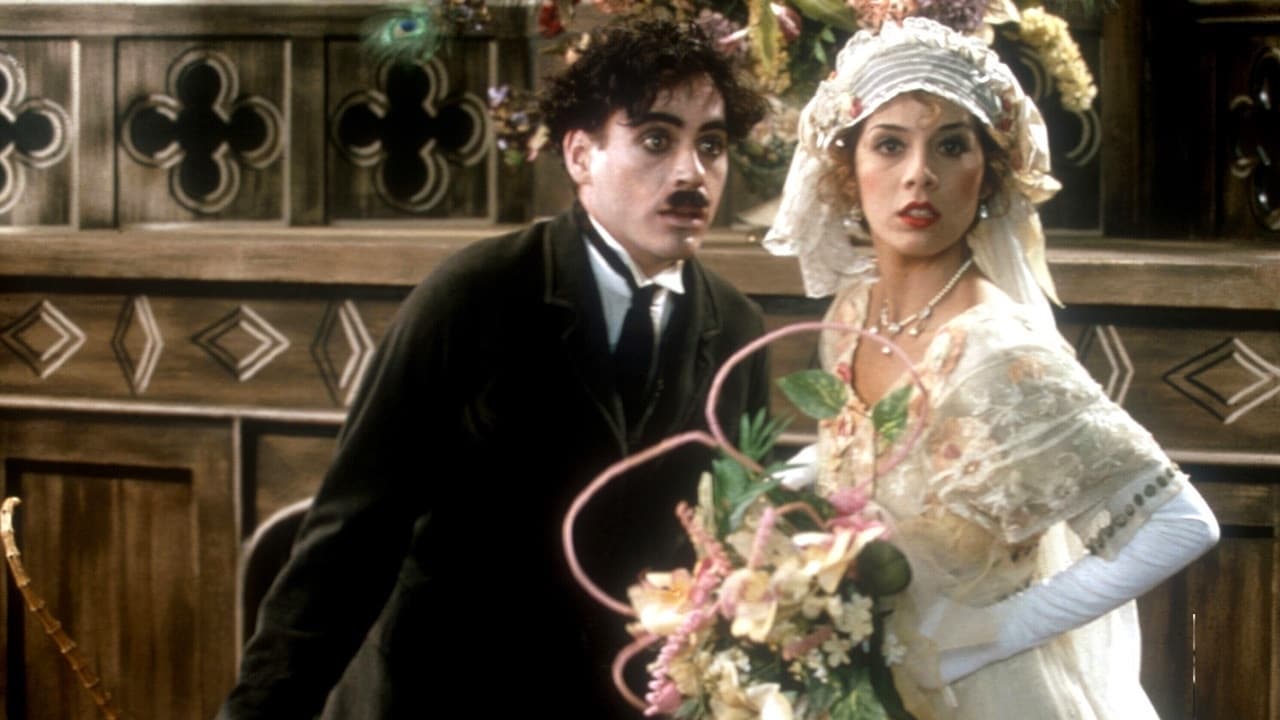
Attenborough, no stranger to ambitious biopics after Gandhi, employs a framing device: an elderly Chaplin dictates his autobiography to a fictional editor, George Hayden, played with sturdy presence by Anthony Hopkins. This structure allows the film to journey through Chaplin's incredible life – from Dickensian London poverty with his mentally ill mother, Hannah (played with heartbreaking resonance by Chaplin’s own daughter, Geraldine Chaplin), through his early days in British music hall, his discovery by Mack Sennett (Dan Aykroyd) in Keystone Studios, the invention of the Tramp, stratospheric fame, founding United Artists with peers like Douglas Fairbanks (Kevin Kline), his tumultuous relationships and marriages (featuring Milla Jovovich, Marisa Tomei, Penelope Ann Miller, and Diane Lane in key roles), his controversial political leanings, and eventual exile from the United States.
The sheer scope is daunting, and perhaps the film’s greatest challenge. Condensing nearly 90 years of such a densely packed, revolutionary life into under two and a half hours inevitably means some periods feel rushed, some complex issues smoothed over. While the parade of famous faces playing Hollywood royalty is entertaining, some feel like fleeting cameos rather than fully explored relationships. Yet, Attenborough’s direction brings a classical elegance and obvious affection for the subject. The recreations of scenes from Chaplin’s own films are handled with care, a reminder of the source of his genius.
The Weight of the Cane
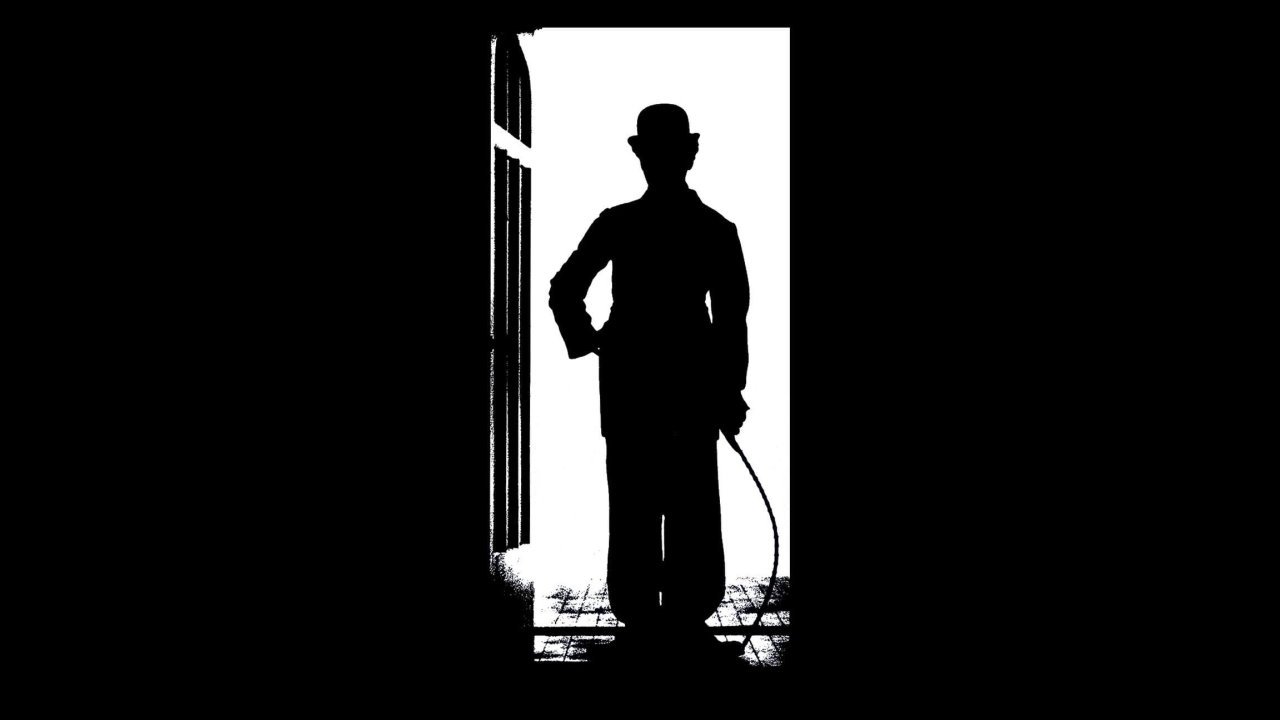
Beyond the dazzling performance and historical sweep, Chaplin touches upon the fascinating, often contradictory, nature of its subject. How could the man who created the universally beloved Tramp, a symbol of resilience and humanity, become such a divisive figure? The film doesn’t shy away entirely from his controversial aspects – his attraction to very young women, his alleged communist sympathies during the Red Scare, his demanding nature as a filmmaker – but it perhaps handles them with a softer touch than a more modern biopic might. What lingers is the sense of an artist grappling with the changing world, a world that eventually turned on him, fueled by FBI Director J. Edgar Hoover’s relentless campaign.
It's worth noting that the film itself faced its own hurdles. Attenborough had nurtured the project for years, considering actors like Dustin Hoffman and Robin Williams before settling on the then-risky choice of Downey Jr. Despite RDJ's critical acclaim, the film, budgeted around $31 million, didn't find a massive audience, pulling in only about $9.5 million domestically. Perhaps the subject matter, or the film's classical, less sensational approach, didn't align with mainstream tastes in the early 90s. Watching it on VHS back then, it felt like a significant event release, the kind of weighty drama that demanded your full attention – maybe even spread across two sittings if you rented the double-tape version!
Lasting Impressions
Does Chaplin capture the entirety of the man? Likely an impossible feat for any film. It functions more as a grand, admiring overview, a tribute powered by an extraordinary central performance. It sparks curiosity, encouraging viewers to delve deeper into Chaplin’s own films and complex history. The casting of Geraldine Chaplin adds a layer of poignant authenticity, a bridge between the film and the family legacy. And John Barry's sweeping, melancholic score perfectly complements the film's blend of triumph and tragedy.
Rating: 8/10
The score reflects the undeniable power of Robert Downey Jr.'s towering performance and Attenborough's earnest, well-crafted direction. While the sheer breadth of Chaplin's life sometimes stretches the narrative framework thin, the film succeeds as both a compelling introduction to a cinematic giant and a showcase for an actor operating at the peak of his powers (at that time). It’s a film that reminds us that behind every icon, there's a complex, flawed, and fascinating human being, wrestling with their own genius and the world that celebrates, and sometimes condemns, them. What stays with you isn't just the Tramp's waddle, but the searching eyes of the man beneath the makeup.