Christopher Columbus: The Discovery
Sometimes, a film becomes memorable not for its triumphs, but for the sheer audacity of its ambition, even – perhaps especially – when it stumbles. Cast your mind back to 1992, the quincentennial of a certain famous voyage. It was a year marked by a peculiar cinematic arms race, with not one, but two lavish epics vying to tell the story of Christopher Columbus hitting the big screen. One was Ridley Scott’s visually rich 1492: Conquest of Paradise. The other? Well, the other was this one: Christopher Columbus: The Discovery. And pulling this tape from the shelf today feels like unearthing a strange, slightly dusty, yet undeniably fascinating artifact.
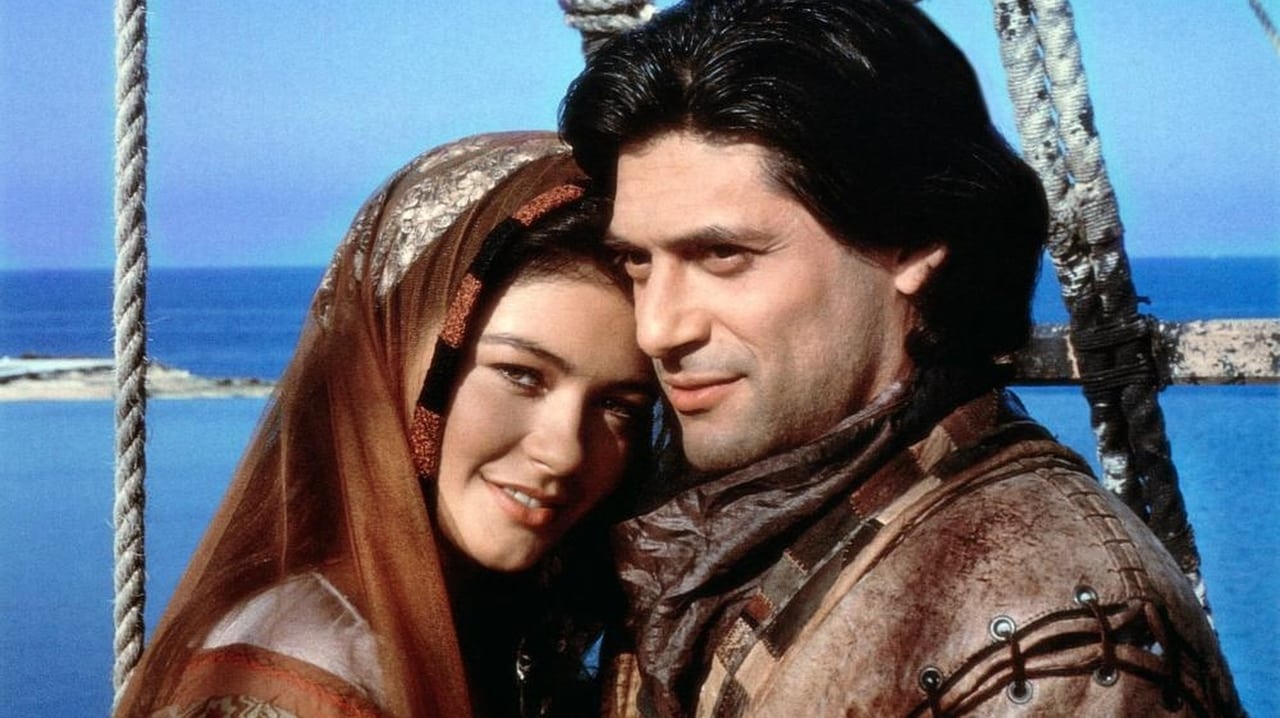
Charting a Course Through Troubled Waters
Produced by the father-son team of Alexander and Ilya Salkind, who previously brought us the high-flying spectacle of Superman (1978), The Discovery certainly didn't lack ambition or pedigree. The screenplay credits boast names like Mario Puzo, the legendary scribe behind The Godfather (1972), and John Briley, who penned the Oscar-winning script for Gandhi (1982), alongside comic book veteran Cary Bates. At the helm was John Glen, a director synonymous with the slick action and globe-trotting escapades of five James Bond films, from For Your Eyes Only (1981) through Licence to Kill (1989). On paper, it sounds like a recipe for historical grandeur.
Yet, watching the film now, there’s a palpable sense of disconnect. The narrative aims for sweeping historical drama, charting Columbus's struggle for funding, his encounters with the Spanish monarchy, and the perilous journey across the Atlantic. However, the execution often feels strangely episodic and hurried, juggling plot threads without always weaving them into a compelling whole. It touches upon the political intrigue, the religious fervor, and the dawning age of exploration, but frequently opts for broad strokes over nuanced characterization. Does the multi-writer approach hint at a script pulled in too many directions? It’s a question that lingers as the story unfolds, sometimes feeling less like a cohesive vision and more like a highlights reel of historical bullet points.
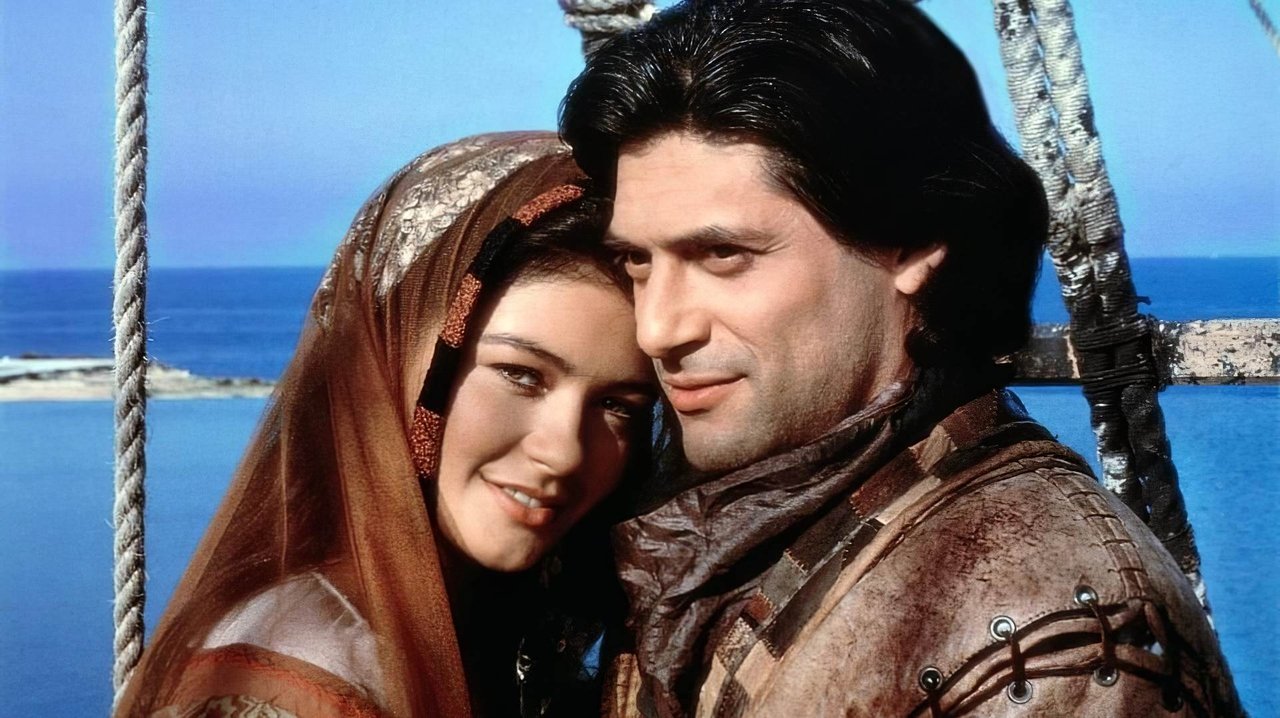
An Unexpected Crew
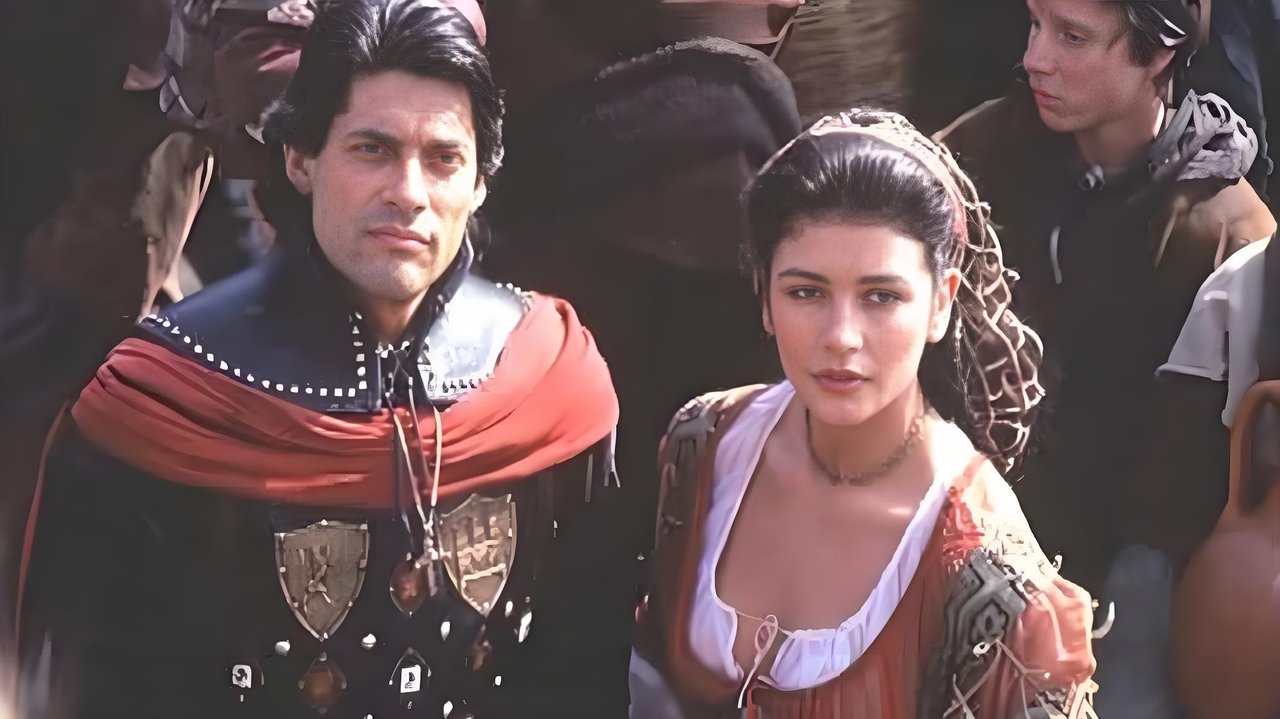
The casting is where The Discovery truly enters the realm of the unforgettable, though perhaps not always for the intended reasons. Leading the expedition is Greek actor Georges Corraface as Columbus. He brings a certain earnest intensity to the role, portraying the explorer's unwavering conviction, but he’s often overshadowed by the sheer star power – and eccentricity – surrounding him.
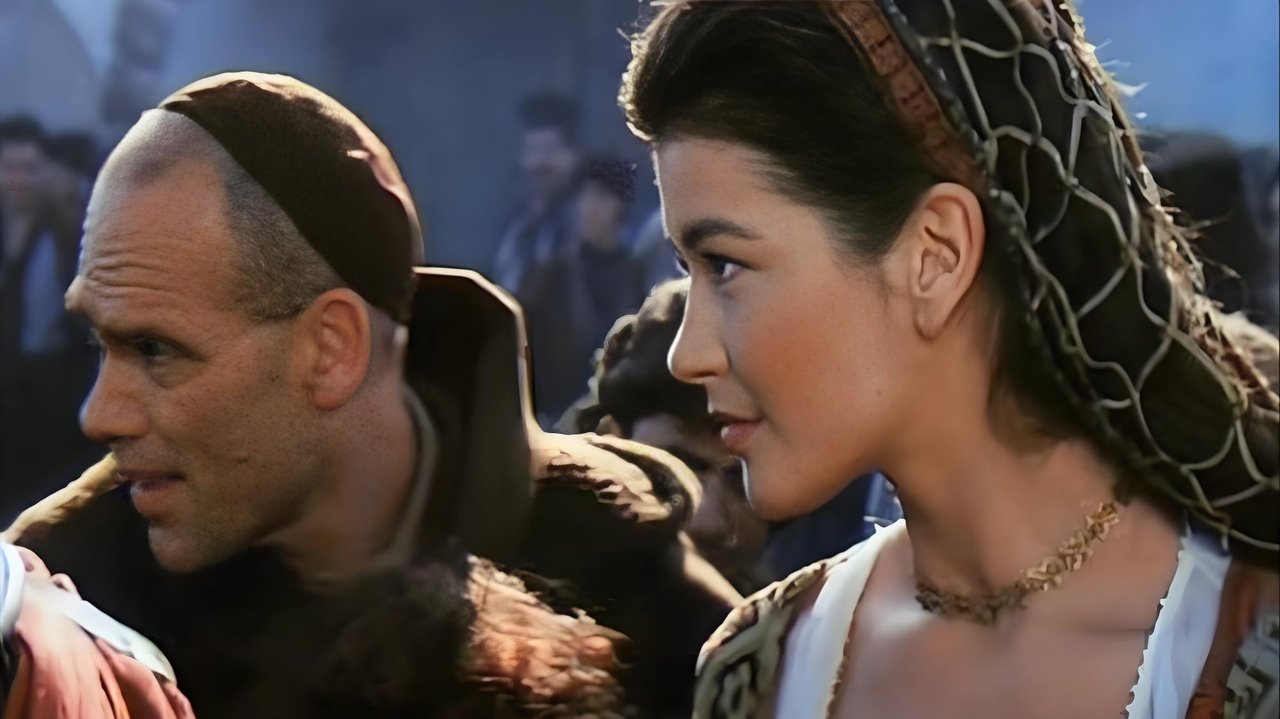
Tom Selleck, stepping away from the charming rogue persona of Magnum, P.I., dons the regal robes of King Ferdinand. It’s certainly… a choice. Selleck gives it his professional best, lending a stern authority to the monarch, but it’s hard to shake the feeling of seeing Thomas Magnum negotiating nautical miles instead of chasing bad guys in Hawaii. Opposite him, Rachel Ward brings elegance and a quiet determination to Queen Isabella, providing a necessary grounding presence amidst the more bewildering casting decisions. And keep an eye out for a young Catherine Zeta-Jones in an early role as Beatriz, Columbus’s lover, showcasing the charisma that would later make her a major star.
But let's be honest, the performance everyone remembers – or perhaps struggles to forget – is Marlon Brando as the chilling Grand Inquisitor Tomás de Torquemada. Appearing in what amounts to an extended cameo, Brando is… well, he’s Brando. Reportedly paid a king's ransom ($5 million for roughly two weeks' work, a figure that would be over $10 million today!), his Torquemada is less a historical figure and more a surreal, almost theatrical presence. With his peculiar hairstyle, whispered delivery (rumors persisted he used an earpiece for his lines), and undeniable screen gravity, he transforms his scenes into something uniquely mesmerizing, albeit completely detached from the rest of the film. It’s a performance that exists in its own orbit, a bizarrely compelling spectacle that has to be seen to be believed.
Navigating Production Squalls
The film's journey to the screen was reportedly as turbulent as Columbus's Atlantic crossing. With a hefty budget estimated at around $45 million (a significant sum in 1992, translating to nearly $100 million today), the pressure was immense, especially going head-to-head with Scott’s 1492. Unfortunately, The Discovery failed to find its audience, recouping only a fraction of its cost at the US box office (around $8 million).
Critics at the time were largely unkind, and the film earned a rather notorious haul at the Golden Raspberry Awards, including Worst Picture. Looking back, you can see John Glen’s Bond-honed efficiency in some of the staging, particularly the sequences aboard the ships, but the transition from tightly plotted espionage thrillers to sprawling historical epics seems to have been a challenging one. The practical effects and production design aim for authenticity, capturing the feel of the era's ships and courts, but they sometimes struggle under the weight of the narrative's shortcomings. It’s a film caught between wanting to be a serious historical account and a star-studded event picture, never fully succeeding as either.
The VHS Verdict
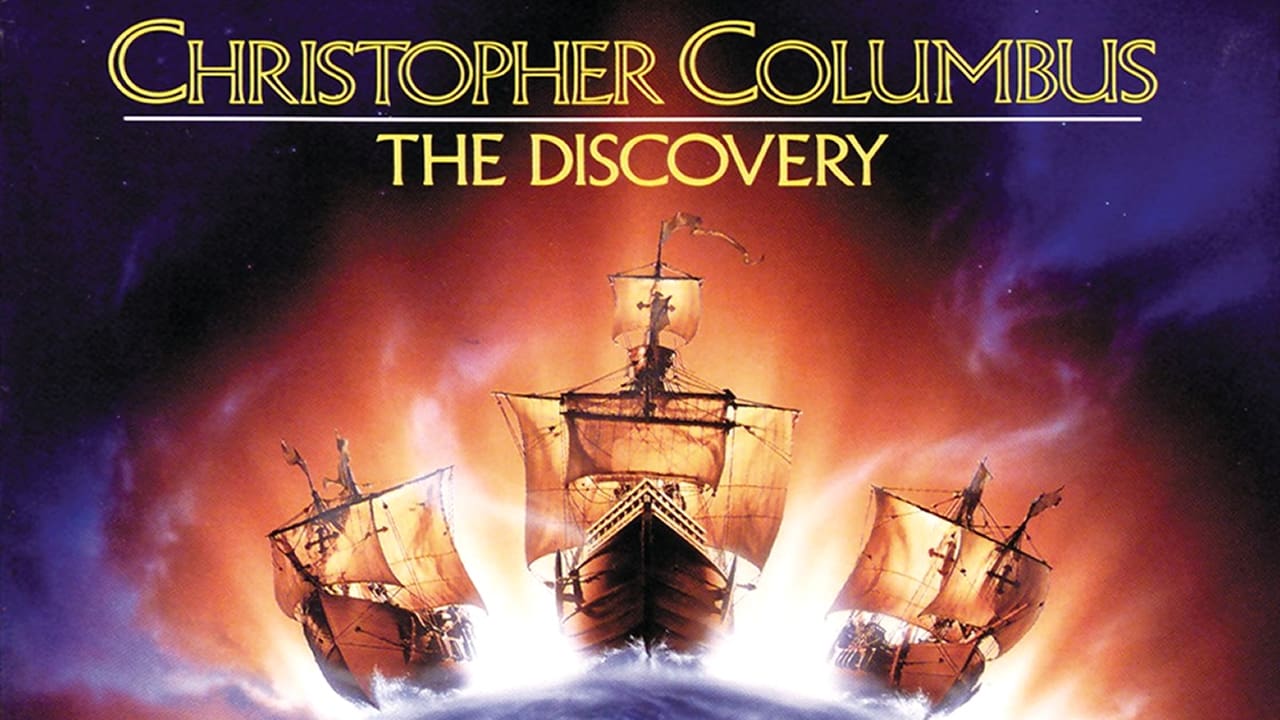
So, what are we left with when the credits roll on Christopher Columbus: The Discovery? It’s not a lost classic, nor is it likely to top anyone’s list of favorite 90s films. Yet, there’s a certain charm to its earnest, slightly clumsy ambition. It’s a fascinating example of a big-budget gamble that didn’t pay off, featuring truly bewildering casting choices (Brando!) and a sense of early 90s cinematic scale that feels both grand and oddly dated. I remember seeing the imposing VHS box art in the rental store, promising an epic adventure, and the film delivers… well, something memorable, if not precisely what was intended. For fans of cinematic curiosities, Salkind productions, or just baffling moments in film history (hello, Torquemada!), it offers a unique viewing experience. It’s a reminder that sometimes, the most interesting voyages are the ones that go spectacularly off course.
Rating: 3/10
The score reflects the film's significant shortcomings in narrative coherence, uneven performances (despite the star power), and overall clumsy execution. However, it avoids a lower score due to the undeniable curiosity factor, the sheer spectacle of Brando's cameo, and its status as a fascinatingly flawed piece of early 90s event filmmaking – a historical footnote in its own right.
Final Thought: It stands as a monument to grand ambition meeting baffling execution, leaving one to ponder how so much talent and money could result in something so uniquely… perplexing.
You Might Also Enjoy
Mountains of the Moon
1990
Black Robe
1991
1492: Conquest of Paradise
1992
Alive
1993
Rob Roy
1995
The Horseman on the Roof
1995
Seven Years in Tibet
1997
The Right Stuff
1983
A Passage to India
1984
King David
1985
Revolution
1985
The Mission
1986
The Messenger: The Story of Joan of Arc
1999
Cobra Verde
1987