Gladiator
Okay, pull up a beanbag chair, maybe crack open a slightly warm can of something fizzy you found at the back of the fridge – let's talk about a film that probably caused more than a few double-takes at the video store counter back in the day. No, not the swords-and-sandals epic that swept the Oscars years later. We're dialing the VCR tracking knob back to 1992 for Gladiator, a gritty slice of early 90s urban drama that traded Roman arenas for the blood-slicked canvas of illegal underground boxing rings.
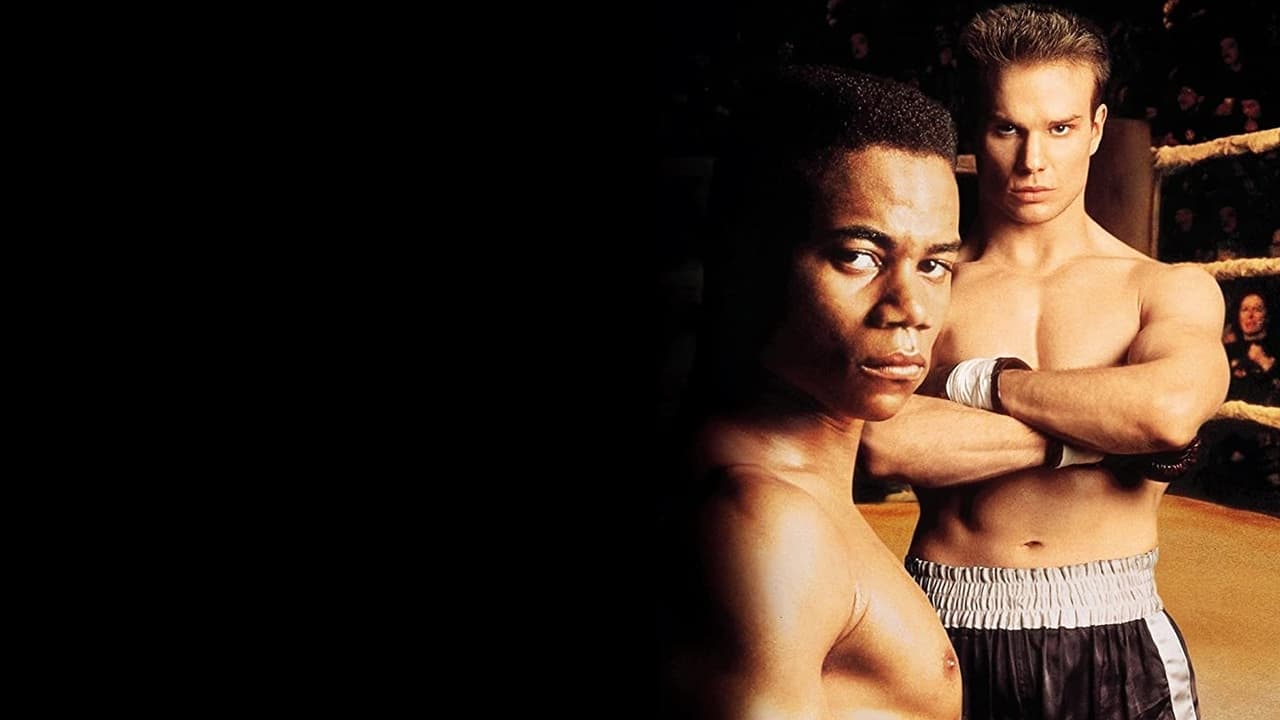
Before Crowe, There Was Riley
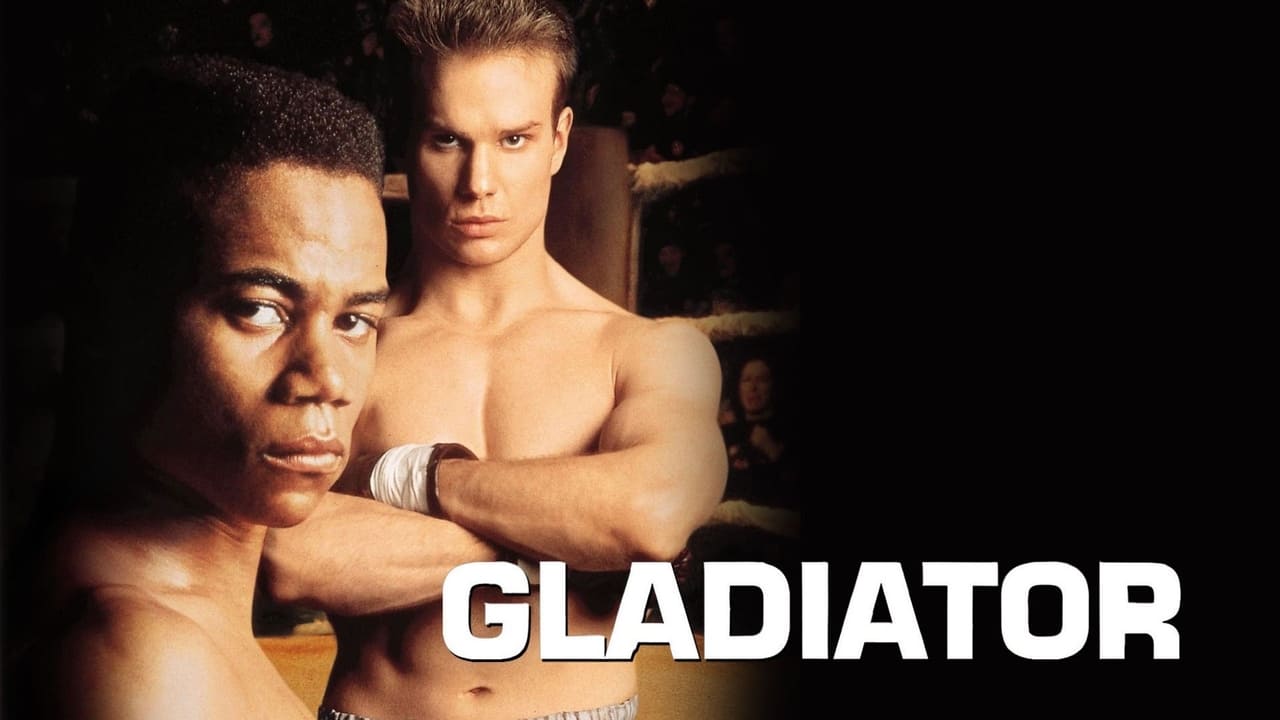
It's almost impossible now not to preface any discussion of this film with that clarification, isn't it? Released eight years before Ridley Scott's historical epic, director Rowdy Herrington's (Road House, 1989) Gladiator tells a much more intimate, street-level story. It follows Tommy Riley (James Marshall), a quiet, seemingly unassuming teenager transplanted to a rough Chicago neighbourhood after his father racks up crippling gambling debts. He just wants to keep his head down, maybe find a place to fit in, but trouble finds him fast. When his prowess in a schoolyard scrap catches the eye of Pappy Jack (Robert Loggia, bringing his signature gravitas), Tommy is drawn into the orbit of Jimmy Horn (Brian Dennehy), a manipulative and utterly ruthless promoter running a brutal underground boxing circuit.
The Sweat and the Stakes
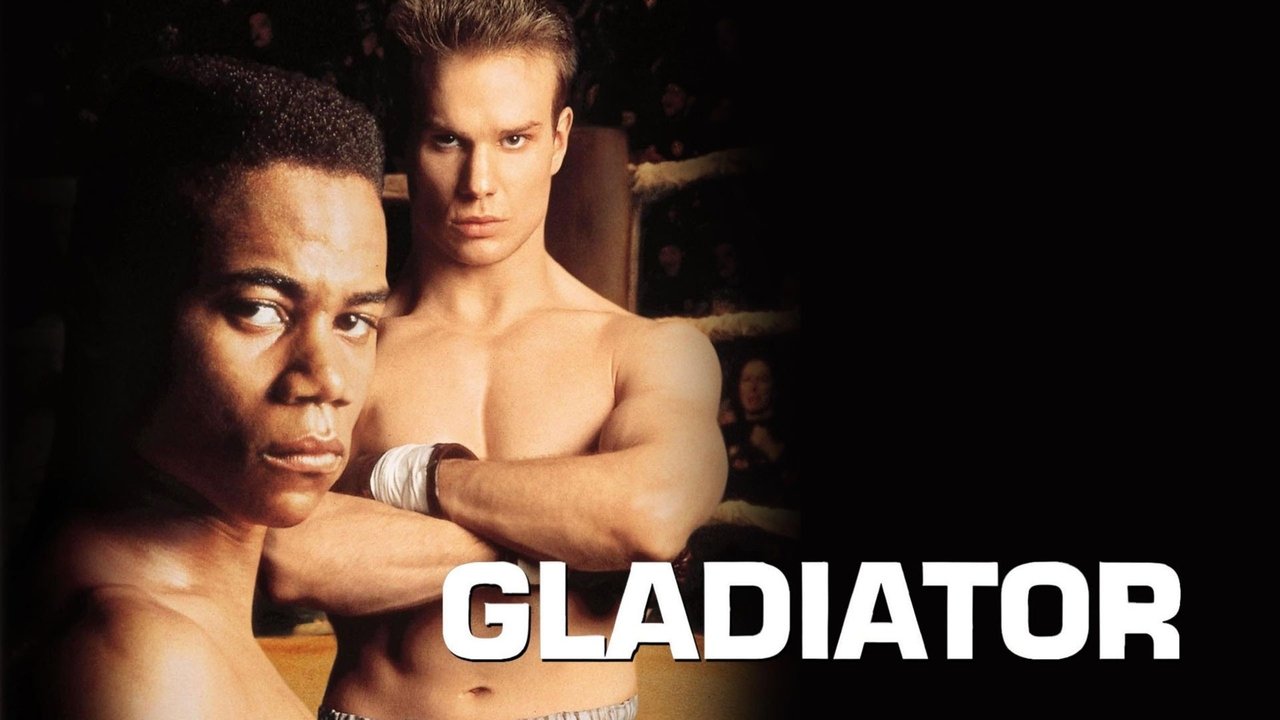
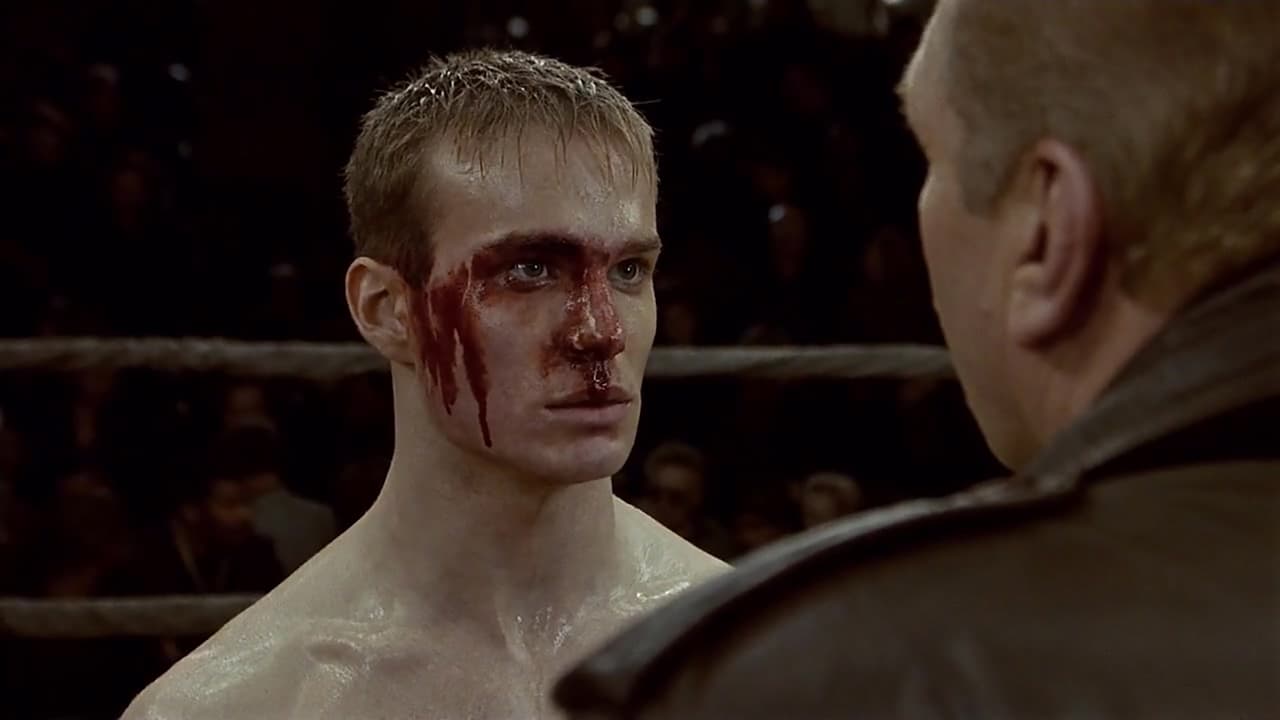
What Gladiator captures so effectively, especially watching it now through the haze of nostalgia, is that specific early 90s blend of teenage angst and heightened, almost operatic stakes. Herrington crafts a world that feels genuinely dangerous. The underground fights aren't glamorous; they're desperate, ugly affairs held in dimly lit warehouses and abandoned spaces, soundtracked by the roar of a bloodthirsty crowd baying for knockouts. You can almost smell the stale beer and sweat. The film doesn't shy away from the physical toll, the damage inflicted not just by fists, but by the crushing weight of circumstance.
Tommy isn't fighting for glory; initially, he's fighting to protect himself, then later, manipulated into fighting to clear his father's debts and ultimately, for the survival of himself and his friends. James Marshall, who perhaps never quite reached the leading man status this role might have suggested, delivers a performance steeped in quiet intensity. He makes Tommy's reluctance believable, his transformation from withdrawn newcomer to hardened fighter earned rather than instantaneous. You feel the pressure building within him, the lines he's forced to cross.
Bonds Forged in Bruises
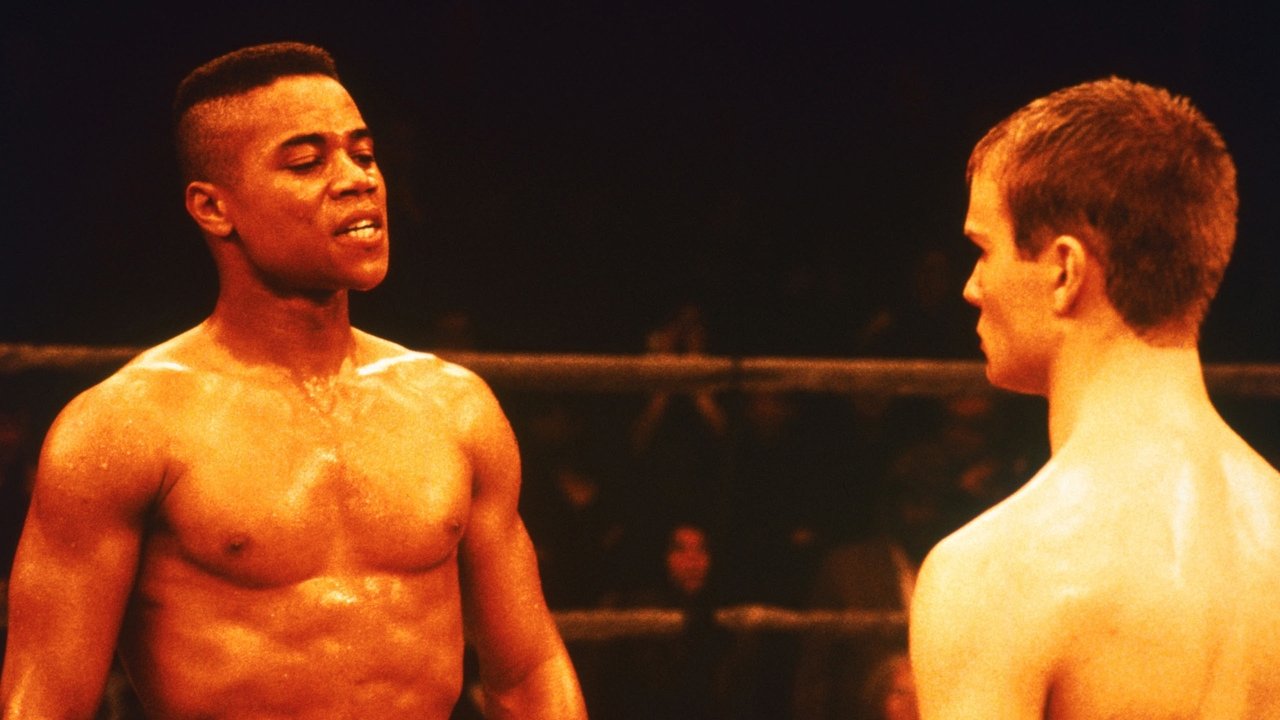
Crucially, the film isn't just about the punches thrown. At its heart, it’s about the relationships Tommy forms, particularly with Lincoln (Cuba Gooding Jr.) and Romano (Jon Seda). Gooding Jr., years before his Oscar-winning turn in Jerry Maguire (1996), crackles with the charisma and energy that would define his early career. Lincoln becomes Tommy's guide, his friend, and eventually, his conscience in this brutal new world. Their chemistry is genuine, providing the film's emotional anchor. The loyalty and camaraderie between these young men, standing against the predatory adults pulling the strings, feels authentic and provides the narrative's necessary warmth amidst the grit.
And speaking of predatory adults, Brian Dennehy is simply phenomenal as Jimmy Horn. He doesn't play Horn as a cackling caricature; instead, Dennehy imbues him with a chillingly pragmatic malevolence. Horn sees these young fighters not as people, but as assets, commodities to be used, abused, and discarded. His folksy charm barely conceals the viper beneath, making him a truly unsettling antagonist. Every scene Dennehy is in crackles with tension. It’s a masterclass in understated menace, the kind he delivered so well throughout his career.
Grit Over Gloss: Behind the Scenes
Filmed largely on location in Chicago, Gladiator benefits immensely from its authentic urban backdrop. It contributes significantly to the film's grounded feel, even when the plot veers towards more melodramatic territory. The fight choreography is worth noting too – it aimed for impact and realism over flashy acrobatics, emphasizing the sheer punishment involved. While maybe not a technical marvel by today's standards, it felt raw and immediate on those fuzzy CRT screens.
Interestingly, Gladiator arrived with a decent budget (reportedly around $22.5 million, a respectable sum then) but ultimately underperformed at the box office, pulling in just over $9 million domestically. Perhaps the grim tone, or maybe even that potentially confusing title, kept wider audiences away. Yet, for those of us who found it on the shelves of Blockbuster or the local mom-and-pop rental shop, it often became a solid, memorable favorite – a tough, earnest drama with characters you genuinely rooted for. I distinctly remember renting this one, drawn in by the promise of action, and being surprised by the depth of the story and the strength of the performances, especially Dennehy's chilling turn.
The Lasting Punch
Does Gladiator hold up perfectly? Perhaps not entirely. Some plot elements feel a touch predictable by modern standards, and the dialogue occasionally dips into standard genre territory. Yet, its core strengths remain potent: the palpable atmosphere, the committed performances (especially from Dennehy and Gooding Jr.), and its unflinching look at the exploitation lurking beneath the surface of desperation. It explores themes of loyalty, corruption, and the brutal choices forced upon young people backed into a corner. What does it truly take to stand up to a system designed to break you?
It might not be the Gladiator most people immediately think of, but this 1992 version carved out its own space. It’s a testament to that specific era of filmmaking – gritty, character-focused dramas that weren’t afraid to get their hands dirty. It captures a certain feeling, a raw energy that feels distinctly of its time, yet the core struggles remain resonant.
Rating: 7/10
Justification: While some plot points are conventional and it didn't break new ground, Gladiator (1992) earns its score through its potent atmosphere, genuinely strong performances (especially Dennehy's chilling villain and Gooding Jr.'s charisma), and its earnest, gritty portrayal of underground boxing and youthful desperation. It’s a solid, well-crafted 90s drama that delivers more emotional weight than its simple premise might suggest, making it a memorable find from the VHS era.
Final Thought: It’s a film that reminds us that sometimes the toughest fights aren't for titles or glory, but simply for the right to walk away with your soul intact. A definite recommendation for anyone digging through the cinematic crates of the early 90s.
You Might Also Enjoy
Runaway Train
1985
Road House
1989
Over the Top
1987
The Principal
1987
Best of the Best
1989
God of Gamblers
1989
Kickboxer
1989
No Holds Barred
1989
The Karate Kid Part III
1989
Agneepath
1990
Island of Fire
1990
No Retreat, No Surrender 3: Blood Brothers
1990
The King of the Kickboxers
1990
Once Upon a Time in China
1991