Of Mice and Men
It’s a bond forged not just in the dust bowl desperation of Steinbeck’s imagination, but in the very real crucible of live theater, years before the cameras rolled. When you slid that Of Mice and Men tape into the VCR back in the early 90s, you weren't just getting a movie; you were witnessing the culmination of a long-shared journey between Gary Sinise and John Malkovich. Their history with these roles, stretching back to their formative years at Chicago's legendary Steppenwolf Theatre Company, permeates every frame of this quietly devastating 1992 adaptation. It lends an authenticity, a lived-in weariness, that elevates it beyond mere adaptation into something deeply felt.
Hope Against a Harsh Horizon
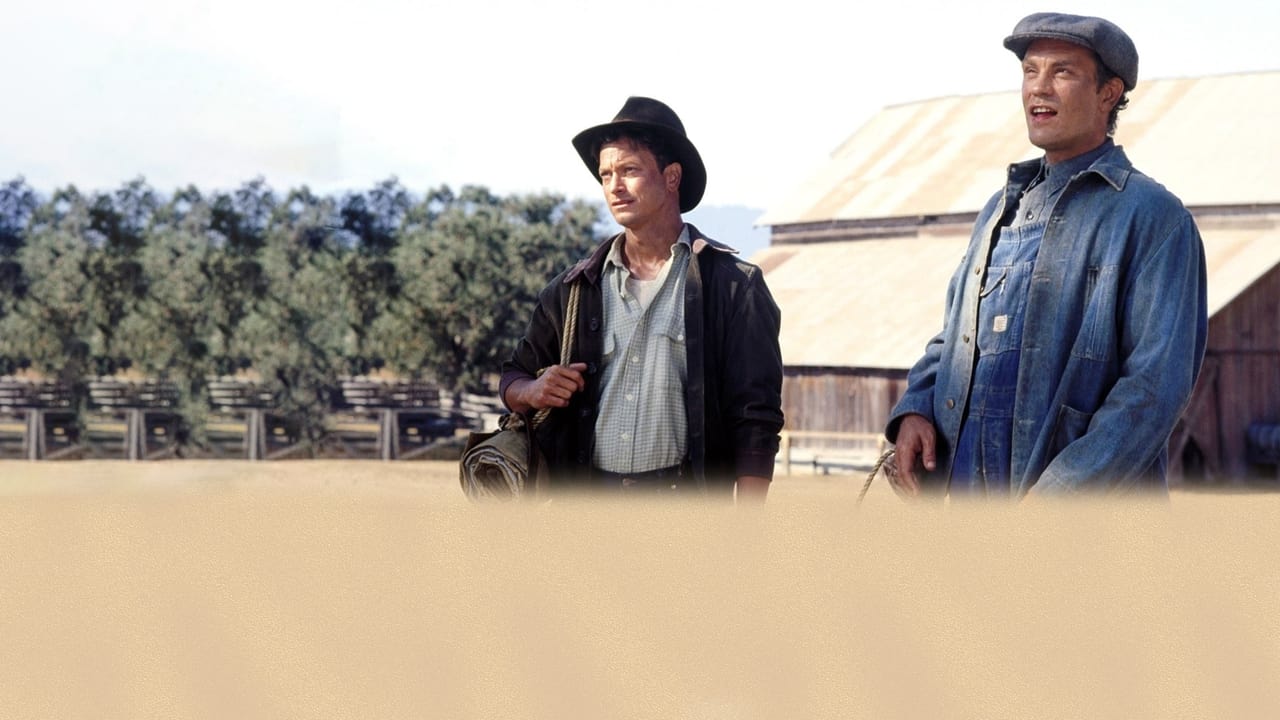
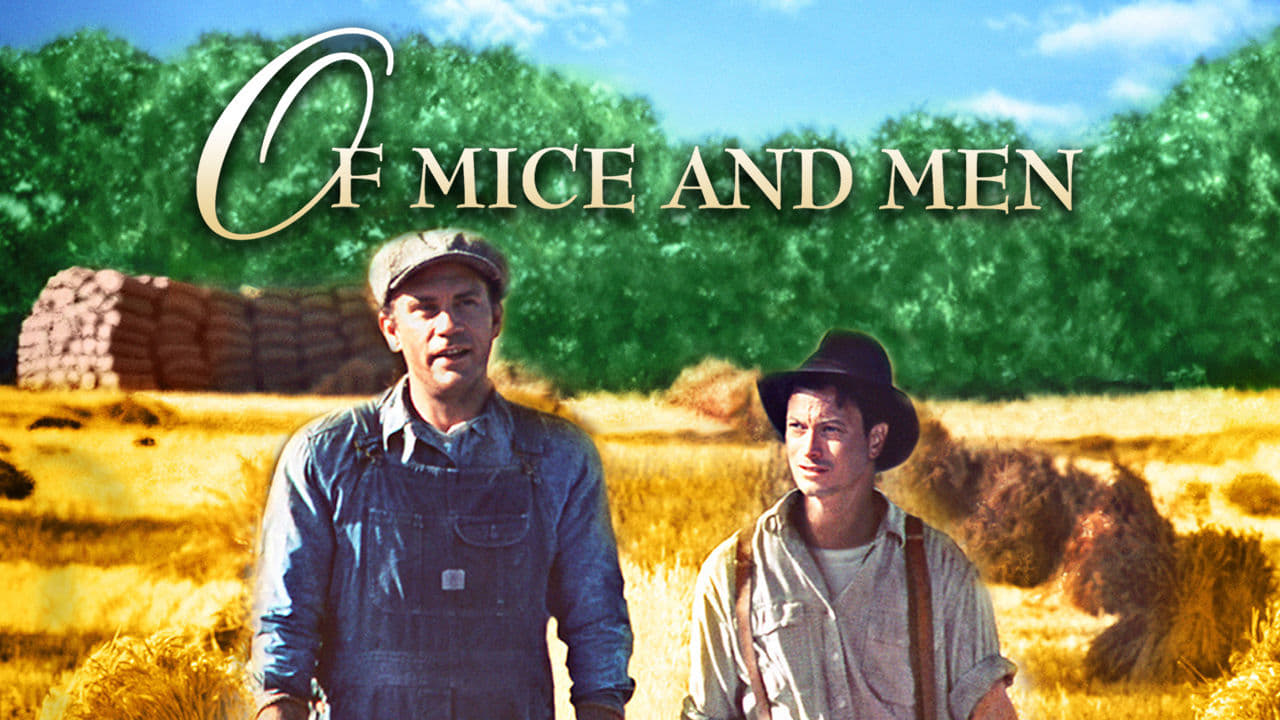
From the opening moments, Sinise, pulling double duty as director and star, immerses us in the sun-baked, unforgiving landscape of Depression-era California. This isn't just scenery; it’s a character in itself – vast, beautiful, yet utterly indifferent to the small, fragile dreams of the itinerant workers who drift through it. The central dream, of course, belongs to George Milton (Sinise) and Lennie Small (Malkovich): a little patch of land, rabbits to tend, a place to finally belong. It's a simple, potent fantasy, a shield against the crushing loneliness and transience of their lives. We feel the weight of that dream, the desperate hope invested in it, making its inherent fragility all the more poignant. Sinise masterfully captures the atmosphere Steinbeck conjured – the dust, the sweat, the simmering tensions of the bunkhouse, the fleeting moments of camaraderie under an unforgiving sun.
Acting Forged in Friendship
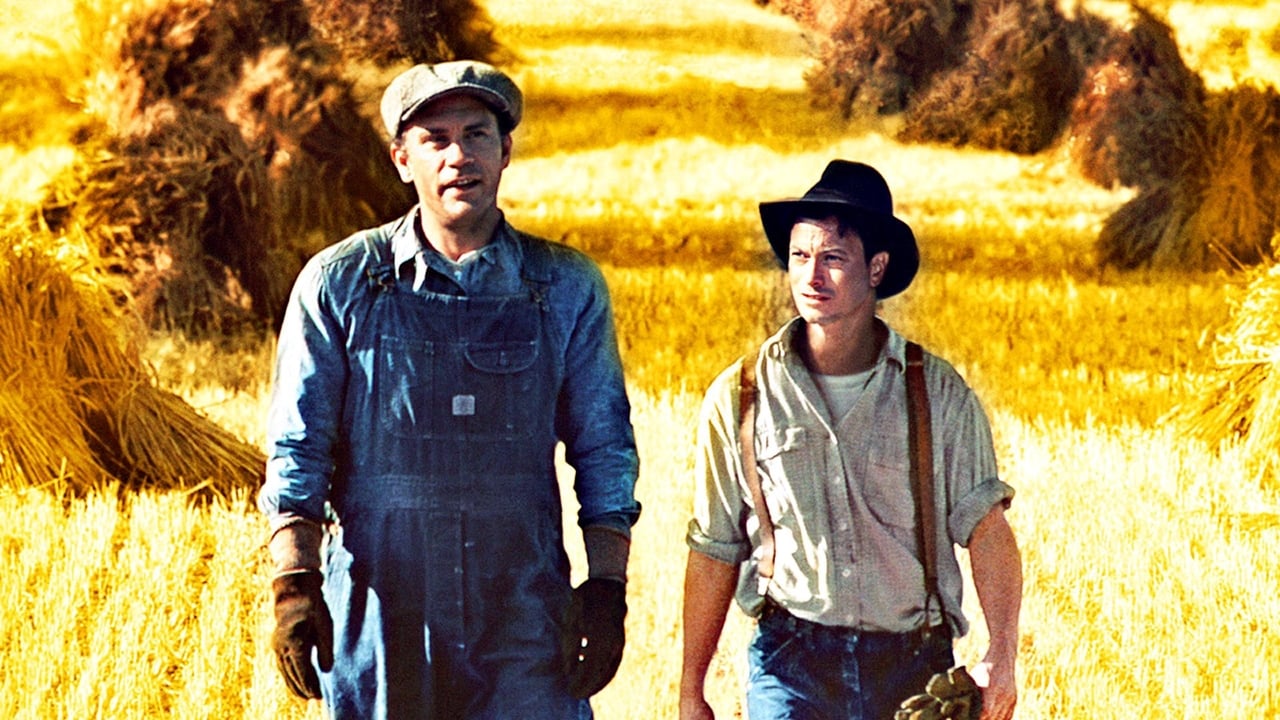
The absolute heart of this film lies in the central performances. Gary Sinise embodies George with a profound sense of weary responsibility. You see the constant calculation in his eyes, the exhaustion of always needing to think for two, the fierce, protective love warring with exasperation. It’s a performance built on nuance, restraint, and an understanding that feels bone-deep. Opposite him, John Malkovich delivers a Lennie for the ages. It would be so easy to tip into caricature, but Malkovich finds the innocence, the terrifying incomprehension of his own strength, and the aching desire to please George. His physicality, the way he holds himself, the childlike wonder mixed with latent danger – it's mesmerizing and utterly heartbreaking. Their shared history is palpable; the shorthand, the unspoken understanding, the rhythm of their interactions feels less like acting and more like bearing witness to a real, complex relationship refined over years. Supporting players, like the wonderfully melancholic Ray Walston as Candy, clinging to his own version of the dream with his aging dog, only deepen the film's emotional resonance.
A Director's Respectful Hand
Adapting a beloved literary classic is a tightrope walk, but Sinise directs with immense respect for the source material. Working from a screenplay by the legendary Horton Foote (who penned the adaptation for To Kill a Mockingbird (1962)), Sinise opts for faithfulness and emotional truth over directorial flash. The pacing is deliberate, allowing Steinbeck’s potent themes of loneliness, prejudice, and the destruction of innocence to land with quiet force. Kenneth MacMillan’s cinematography captures the golden light and harsh shadows of the Salinas Valley beautifully, while Mark Isham's score provides a haunting, melancholic counterpoint without ever overwhelming the drama. There's a sense that Sinise saw his primary job as creating the space for these characters and their story to breathe, a choice that serves the material exceptionally well.
From Stage Dust to Screen Dust
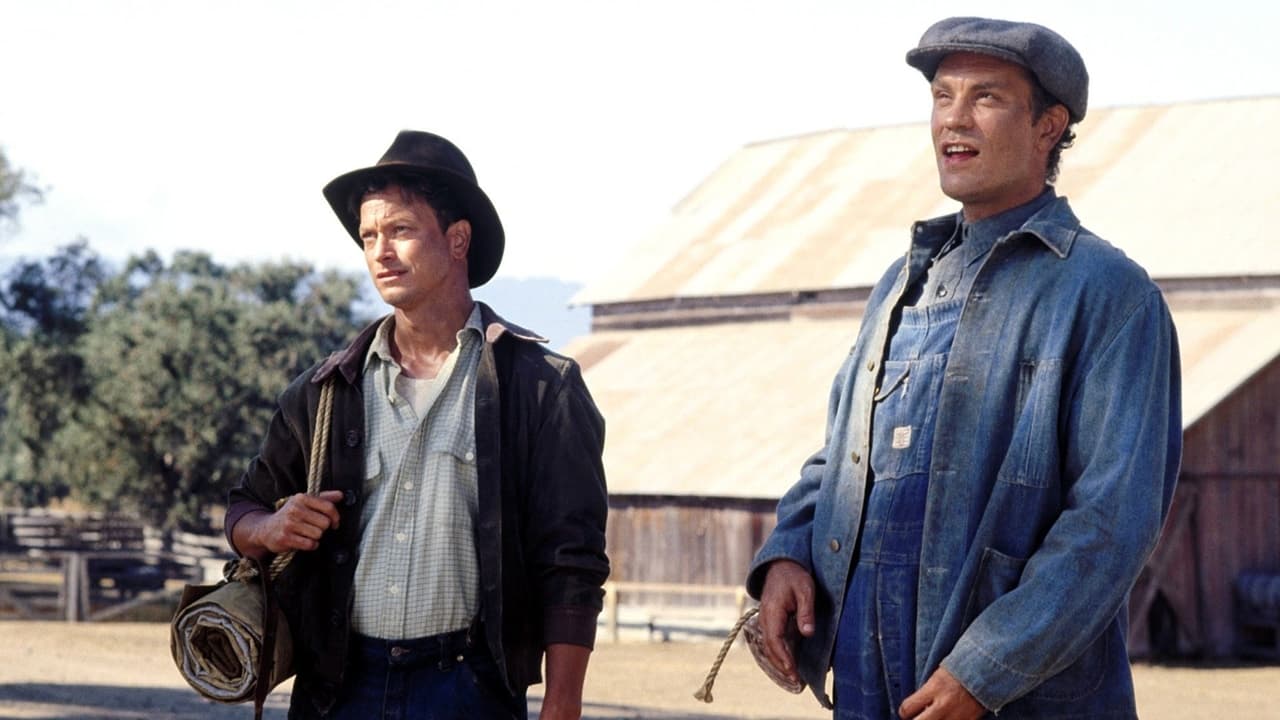
The journey from Steppenwolf to screen is arguably the most compelling behind-the-scenes story here. Sinise and Malkovich first performed the play together in 1980, embodying these characters long before Hollywood beckoned. This deep familiarity undoubtedly streamlined the filming process, allowing for that incredible on-screen chemistry. Interestingly, despite critical acclaim, the film wasn't a huge box office success, earning only around $5.4 million on an estimated $11 million budget. Perhaps its literary pedigree and tragic trajectory felt out of step with the prevailing cinematic winds of 1992? It’s a shame, as watching it now, it feels like precisely the kind of thoughtful, character-driven drama that often finds a more appreciative audience over time, especially among those of us who discovered its quiet power on home video. It stands in contrast to the more stylized 1939 version starring Burgess Meredith and Lon Chaney Jr., offering a grittier, more naturalistic take.
The Unshakeable Weight
What lingers long after the tape spools to its end? It's the profound sadness, certainly, but also the stark portrayal of how easily dreams can be shattered by misunderstanding, prejudice, and simple, tragic accidents. Doesn't George's agonizing choice resonate with the impossible dilemmas life sometimes throws our way? The film forces us to confront uncomfortable truths about human nature, the need for connection, and the devastating consequences of isolation. It’s not an easy watch, but its power lies in its honesty and the unforgettable performances that anchor its tragedy.
Rating: 9/10
This score reflects the film's exceptional strengths: the towering, definitive performances from Sinise and Malkovich, Sinise's sensitive and faithful direction, the superb adaptation by Horton Foote, and its potent emotional impact. It captures the essence of Steinbeck's novella with heartbreaking clarity. While perhaps lacking the commercial punch of other early 90s fare, its artistic integrity and emotional depth are undeniable, solidifying its place as a truly essential adaptation.
It remains a film that settles deep in your bones, a quiet testament to the power of friendship and the cruelty of a world that often has no place for gentle souls. A true gem from the shelves of VHS Heaven.