Dangerous Game
Okay, fellow travelers through the magnetic tape maze, let's dim the lights, maybe pour something strong, because tonight we're wrestling with a film that doesn't offer easy comforts or warm fuzzies. Pulling Abel Ferrara's Dangerous Game (1993) from its sleeve often felt less like choosing entertainment and more like bracing for impact. This isn't a casual watch; it's a raw, uncomfortable exploration that dares to ask where the performance ends and the person begins, especially when the performance itself is about damage.

The Unblinking Eye of the Camera
The film presents a movie-within-a-movie: Harvey Keitel, in a turn of ferocious, almost unbearable intensity, plays Eddie Israel, a director pushing his actors to the breaking point for his domestic drama, Mother of Mirrors. His leads are Sarah Jennings (Madonna, stepping far outside her pop persona) and Francis Burns (James Russo), portraying a couple locked in a cycle of brutal emotional and physical abuse. Ferrara, working from a script by his frequent collaborator Nicholas St. John (the pair having just unleashed the seismic Bad Lieutenant the previous year), uses this setup not just as a narrative frame, but as a scalpel. The lines blur immediately and deliberately. Are we watching Sarah and Francis, or are we watching Madonna and James Russo pushed by Keitel's Eddie, who himself feels like a volatile extension of Ferrara?
A Descent Into Method Madness
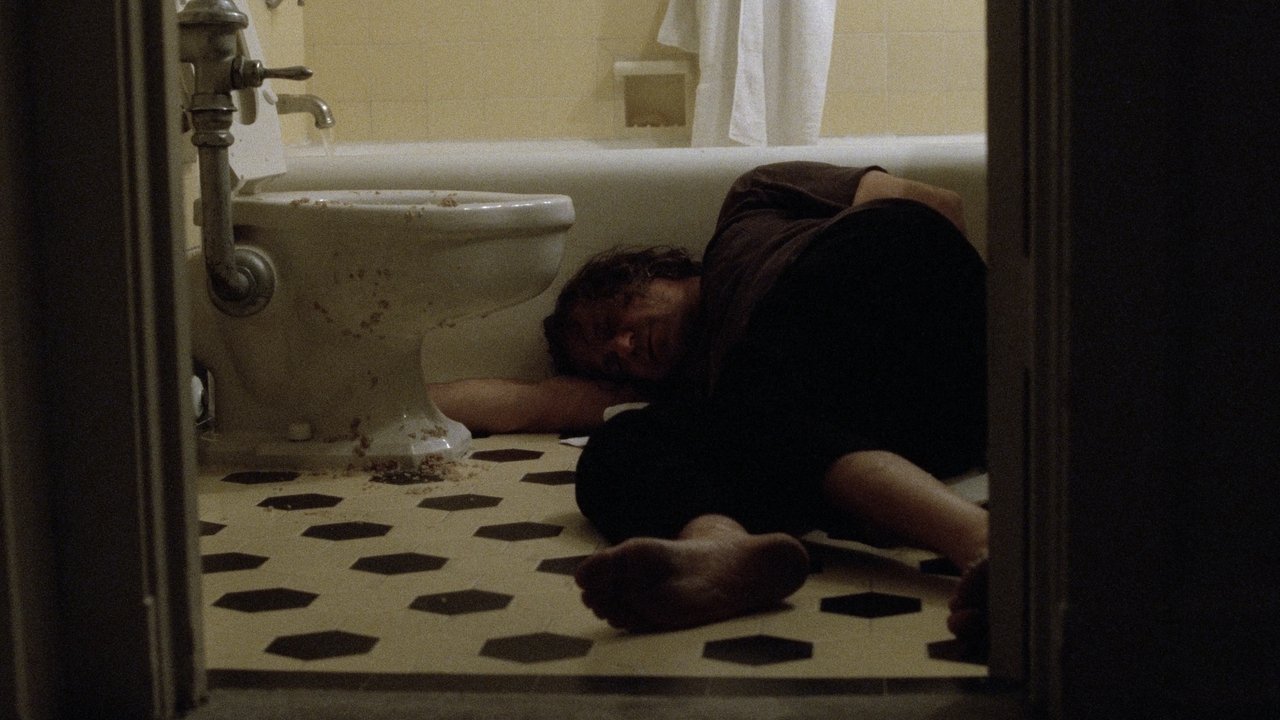
Ferrara's direction here is signature stuff: claustrophobic interiors, long, often handheld takes that feel invasive, and a willingness to linger on moments of profound discomfort. There’s a grainy, almost vérité quality to the film-within-the-film scenes, mirroring the low-fi aesthetic many of us remember from certain challenging VHS finds. He traps his characters – and by extension, the audience – in these airless rooms filled with recrimination and simmering violence. There's little visual relief, forcing us to confront the ugliness head-on. It’s a deliberate choice, mirroring the psychological entrapment of the characters in Mother of Mirrors, and perhaps reflecting the perceived pressures on the actors themselves. The effect is potent, sometimes repellent, but undeniably powerful. It makes you question the very act of watching. What are we complicit in when we witness such manufactured (or is it?) suffering?
Performances on the Precipice
This film lives or dies on its performances, and they are staggering, albeit exhausting. Harvey Keitel as Eddie Israel is a force of nature – manipulative, brilliant, self-destructive, and utterly consumed by his artistic vision, regardless of the human cost. It’s a portrait of directorial obsession that feels frighteningly real, blurring the line between auteur and abuser. There were rumours, unsurprising given Ferrara's reputation for pushing boundaries, of genuine tension on set, particularly between Keitel and Madonna, which seems almost baked into the film's DNA.


And Madonna? This was a period where she was actively trying to shed her pop skin for serious acting cred, and Dangerous Game was perhaps her most demanding role. As Sarah Jennings, she is raw, vulnerable, and volatile, displaying a willingness to explore deeply uncomfortable territory. While critical reception to her performance was mixed at the time (some finding it compelling, others uneven), watching it now reveals a brave, if perhaps sometimes uncontrolled, dive into the abyss. She famously distanced herself from the film upon its rather fraught premiere at the Venice Film Festival, reportedly disliking the final product intensely. Yet, there's an undeniable authenticity to her portrayal of an actress grappling with the psychological toll of inhabiting such a damaged character, mirroring the film's central themes. James Russo, too, deserves credit for his committed portrayal of Francis, embodying a bruised masculinity that curdles easily into menace.
The Nerve It Touched
Dangerous Game (which apparently carried the much cooler title Snake Eyes until late in the game, possibly changed by the studio for marketability, a profound irony given the film's content) wasn't exactly a crowd-pleaser. It made little splash at the box office, perhaps understandably. It’s a difficult, demanding film that refuses easy answers or catharsis. It pokes at uncomfortable truths about the nature of filmmaking, the potential for exploitation within the creative process, and the psychological residue left behind when actors delve too deep. Is Eddie Israel a genius coaxing truth, or a monster feeding on pain? Does Sarah find liberation or further trauma through her work? Ferrara leaves these questions hanging, heavy in the air.
I remember finding this one on the shelf, maybe drawn by the star power, maybe by Ferrara's growing cult reputation after King of New York (1990) and Bad Lieutenant. It wasn’t what I expected. It stayed with me, not necessarily in a pleasant way, but in the way truly challenging art sometimes does – forcing introspection, sparking debate. It’s a film that almost weaponizes the viewer's gaze, making you complicit in the claustrophobia and the cruelty unfolding on screen.
Final Thoughts: A Bruising Encounter

This is not a film for everyone, and certainly not one to revisit lightly. It's confrontational, emotionally draining, and often unpleasant. Yet, for those interested in boundary-pushing independent cinema of the 90s, or in witnessing actors giving incredibly raw, nerve-shredding performances, Dangerous Game remains a significant, if deeply flawed, piece of work. It’s a film that feels dangerous, not just in its title, but in its execution and its lingering questions.
Rating: 7/10 - This score reflects the film's undeniable power, its provocative nature, and the committed, often harrowing performances. It's docked points for its relentlessly bleak tone and a certain indulgence that can make it a punishing viewing experience, ultimately feeling more like a fascinating, brutal experiment than a fully satisfying narrative.
It’s a stark reminder from the VHS era that sometimes, the most memorable rentals weren't the easiest ones to watch, but the ones that refused to let you look away, leaving you wrestling with what you'd just seen long after the tape clicked off.