Fearless
What happens after the miracle? It's a question that haunts the edges of Peter Weir's profoundly unsettling 1993 drama, Fearless. Forget the immediate spectacle of disaster; this film burrows deep into the strange, dislocated landscape of survival, exploring the psychic tremors that follow when one person walks away relatively unscathed from an event that claims so many others. It’s a film I distinctly remember pulling off the rental shelf, perhaps expecting something more straightforwardly heroic, only to be confronted with a challenging, deeply human story that lingered long after the tape clicked off.
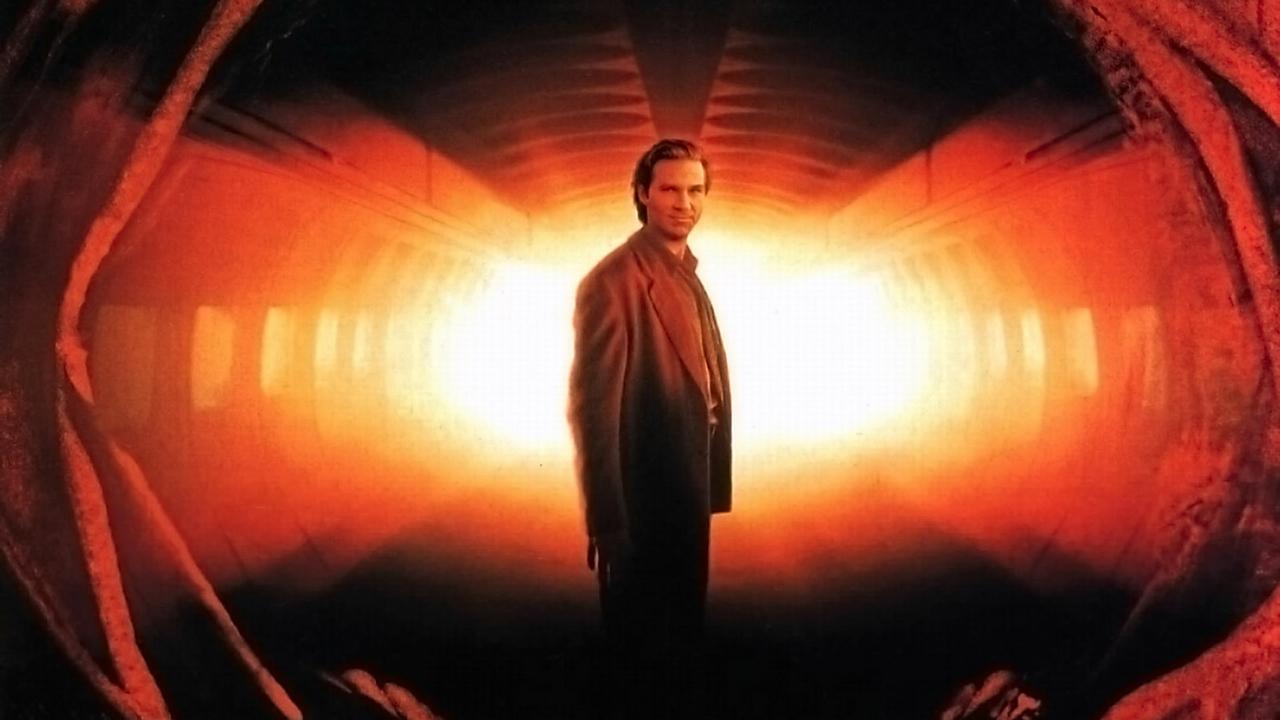
Walking Through the Wreckage
The setup is stark: architect Max Klein (Jeff Bridges) survives a catastrophic plane crash. In the chaotic aftermath, he appears calm, almost beatific, guiding other survivors through the inferno with an unnerving serenity. He seems reborn, touched by an experience that has fundamentally altered his perception of reality, stripping away his fear of death but also, terrifyingly, his connection to the life he knew – his wife Laura (Isabella Rossellini) and his former self. The airline wants to label him a hero; his wife wants her husband back; a psychiatrist (John Turturro) wants to understand him. But Max seems to exist on a different plane entirely, testing the boundaries of his newfound 'fearlessness' in ways that are both baffling and dangerous.
Weir's Atmospheric Disquiet

Coming off successes like Witness (1985) and Dead Poets Society (1989), Peter Weir wasn't known for shying away from complex human emotions, but Fearless feels like a deliberate descent into darker, more ambiguous territory. Weir masterfully crafts an atmosphere thick with disorientation. He uses subjective camerawork, sudden shifts in sound design, and, most notably, the haunting strains of Henryk Górecki's Symphony No. 3 ("Symphony of Sorrowful Songs"), to plunge us directly into Max's altered state. The crash itself isn't depicted with gratuitous sensationalism; instead, Weir focuses on the fragmented, terrifying intimacy of the experience, making the psychological aftermath feel utterly earned. It's a testament to Weir's skill that a film dealing with such immense trauma avoids melodrama, opting instead for a quiet, persistent unease.
Bridges at His Peak
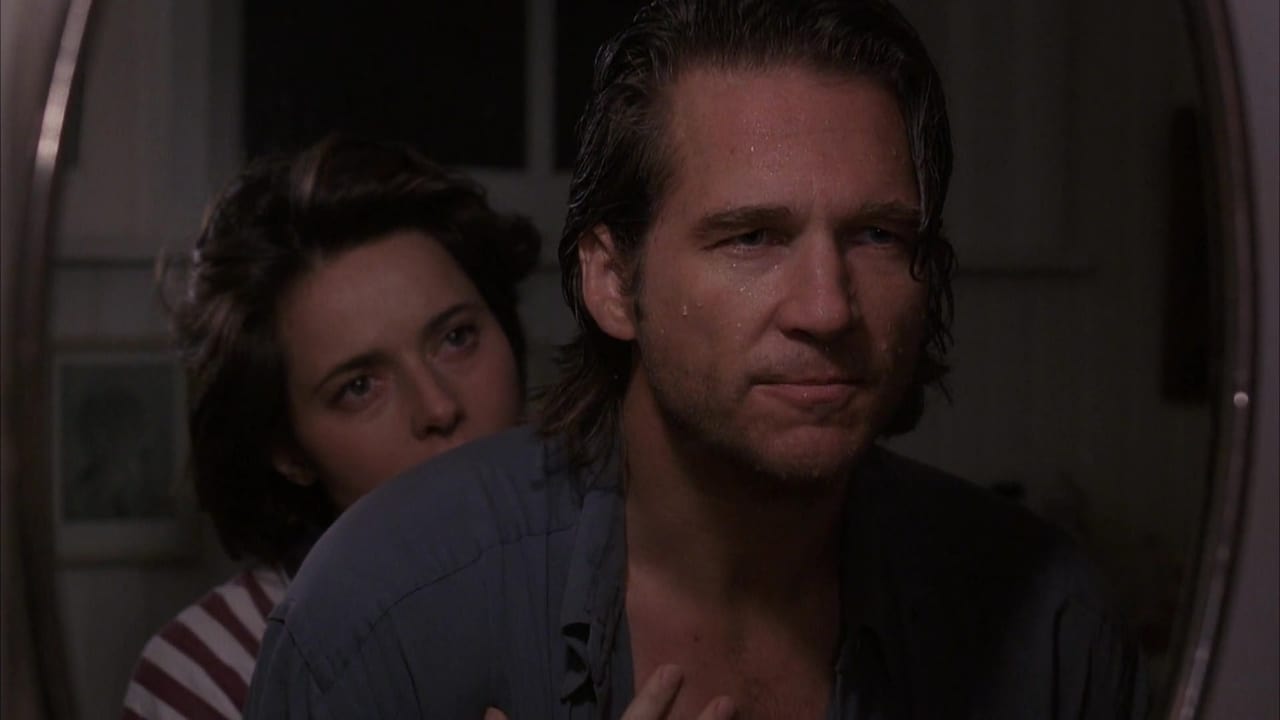
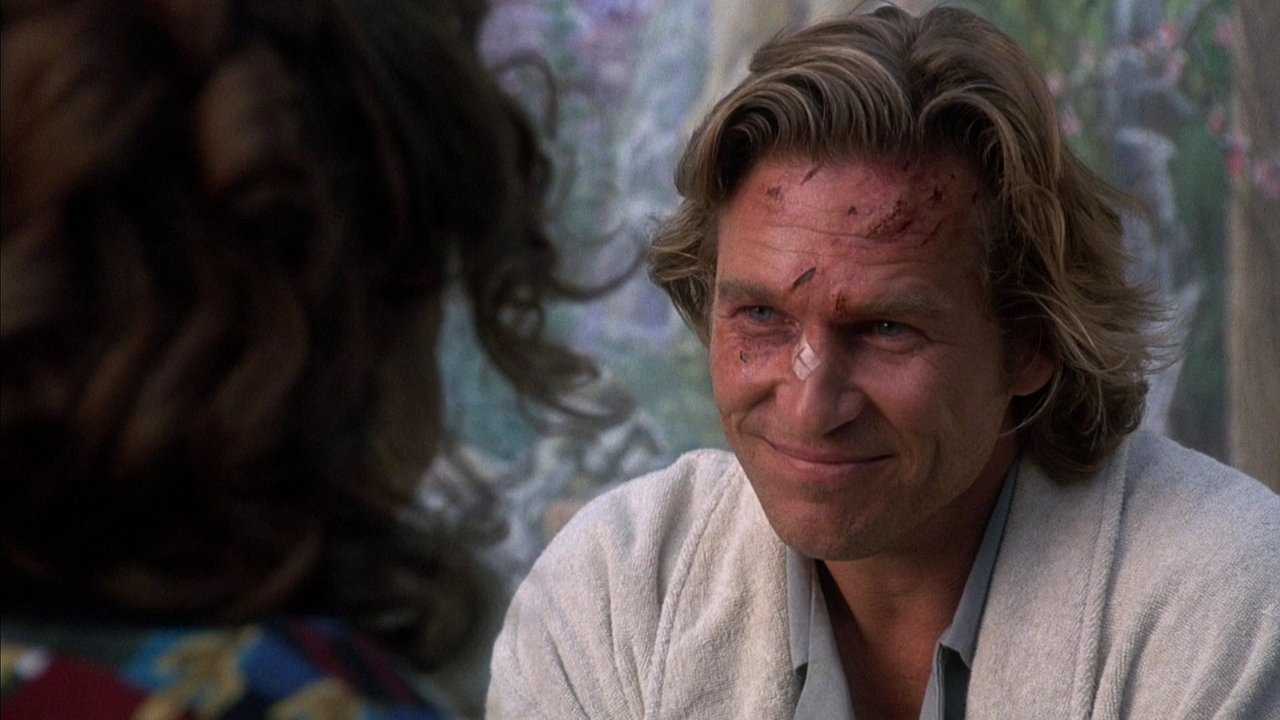
At the heart of it all is Jeff Bridges, delivering what remains one of the most compelling and layered performances of his career. Max isn't simply traumatized; he's transformed. Bridges embodies this with an almost unnerving physical and emotional stillness. Watch his eyes – there's a distance there, a sense of observing the world from behind glass. He doesn't play Max as overtly disturbed, but as someone operating under a completely different set of rules, convinced of his own invincibility. A key piece of trivia often shared is that Bridges immersed himself in research on PTSD and met with survivors to capture this state authentically. It shows. His journey is magnetic, even as it alienates those around him. The famous scene where Max eats a strawberry, convinced his fatal allergy has vanished along with his fear, is a perfect encapsulation of his dangerously altered reality – is it enlightenment or a terrifying delusion?
A Counterpoint of Raw Grief
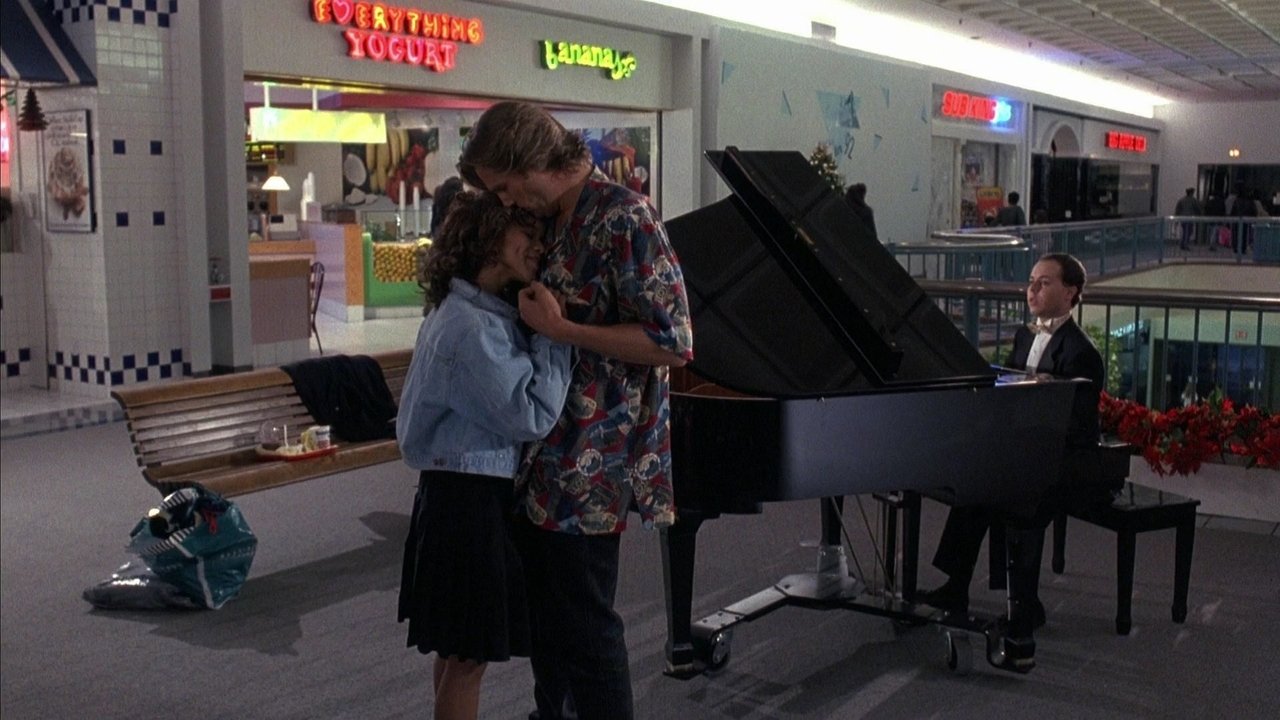
If Max represents a strange, almost mystical detachment from trauma, Carla Rodrigo (Rosie Perez) embodies its devastatingly raw, human cost. Also a crash survivor, Carla is consumed by grief and guilt over the death of her infant son. Perez, primarily known then for vibrant, often comedic roles in films like Spike Lee's Do the Right Thing (1989) or White Men Can't Jump (1992), is simply shattering here. Her performance is a whirlwind of unprocessed pain, anger, and desperation. The scenes between Bridges and Perez are the film's emotional core – two souls grappling with the same event in wildly different ways, forging a connection born of shared catastrophe. Perez rightfully earned an Academy Award nomination for Best Supporting Actress, a turn that proved her dramatic range beyond any doubt. It's fascinating to learn that Rafael Yglesias, who adapted his own novel for the screen, drew partly from the emotional fallout of his own serious car accident, lending a palpable sense of lived experience to the characters' struggles.
The Unseen Scars
Isabella Rossellini provides the crucial anchor to the 'normal' world, her portrayal of Laura filled with love, confusion, and aching helplessness as she tries to reach a husband who seems lost to her. John Turturro adds another layer as the psychiatrist trying to apply clinical labels to something that feels almost spiritual, or perhaps pathological. The film asks profound questions: What does it truly mean to survive? Can profound trauma lead to a form of enlightenment, or is it merely a profound dislocation? How do we reconnect with life after staring death so directly in the face? These aren't easy questions, and Fearless offers no simple answers.
Legacy of a Difficult Gem
Fearless wasn't a blockbuster by any means. Its challenging themes and contemplative pace likely made it a tougher sell for mainstream audiences expecting a different kind of disaster movie (it reportedly grossed just under $7 million on a $20 million budget). Yet, its critical acclaim was significant, and it remains a potent example of thoughtful, adult drama from the early 90s – the kind of film you might have stumbled upon on VHS and found yourself deeply affected by. It stands as a powerful exploration of the psychological labyrinth of survival, anchored by truly exceptional performances. It’s the kind of film that reminds you how mainstream cinema, even back then, could sometimes take significant risks to explore the complexities of the human spirit.
Rating: 9/10
This score reflects the film's courageous exploration of difficult themes, Peter Weir's masterful direction, and, above all, the towering performances from Jeff Bridges and Rosie Perez. It's not always an easy watch, deliberately avoiding catharsis in favour of lingering questions, but its emotional honesty and psychological depth are undeniable. Fearless doesn't just show survival; it makes you feel the strange, unsettling contours of what comes after, leaving you contemplating the thin veil between life, death, and the altered states in between.
You Might Also Enjoy
The Mosquito Coast
1986
White Squall
1996
Dead Poets Society
1989
Green Card
1990
Lord of the Flies
1990
Alive
1993
Apollo 13
1995
Robinson Crusoe
1997
The Truman Show
1998
Rocky II
1979
The Year of Living Dangerously
1982
The Old Man and the Sea
1999
Cast Away
2000
Tucker: The Man and His Dream
1988