House of Cards
Okay, settle in, grab your beverage of choice, and let's rewind the tape to 1993. Remember those quieter dramas that used to populate the video store shelves, nestled between the action blowouts and goofy comedies? The ones with intriguing cover art that promised something a little deeper, a little more challenging? Michael Lessac's House of Cards was precisely that kind of film – a movie grappling with grief, trauma, and the bewildering landscape of a child's mind that felt both ambitious and, in retrospect, perhaps a little lost itself.
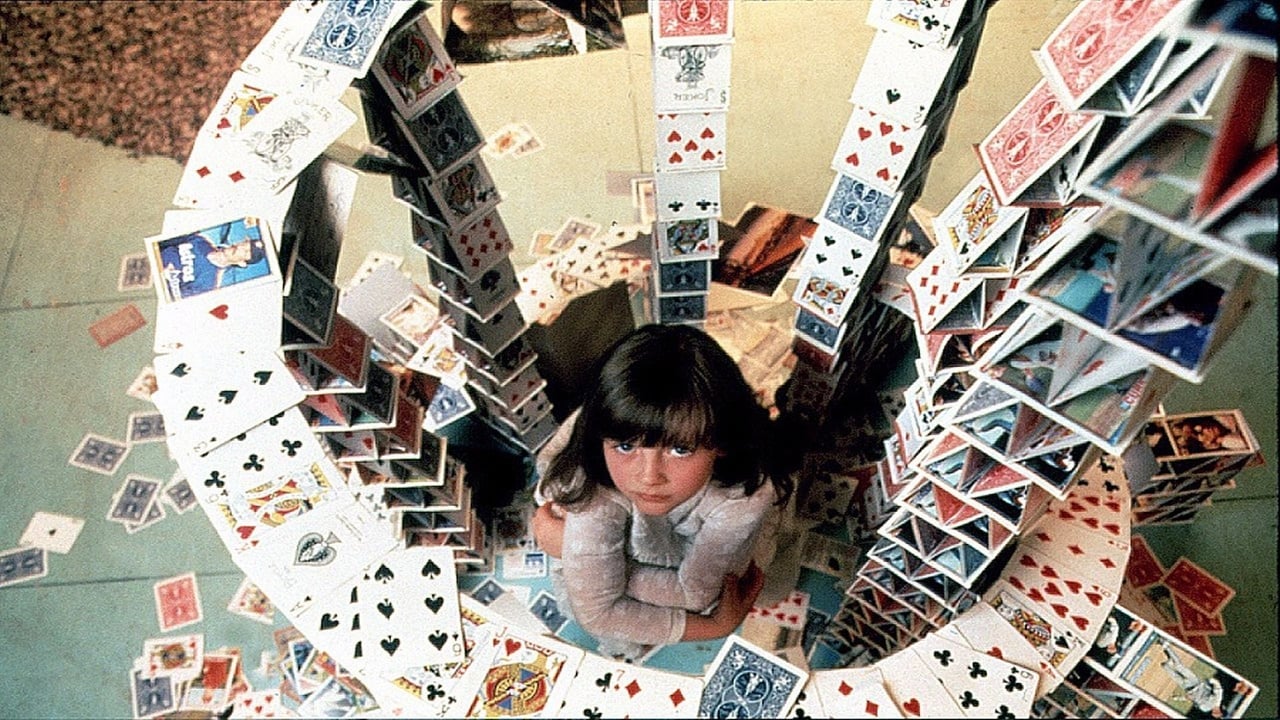
What stays with you long after the credits roll isn't a plot twist or a grand declaration, but the haunting image of young Sally Matthews (Asha Menina) meticulously, almost architecturally, constructing an enormous, intricate house of cards. It's a potent visual metaphor that anchors the entire film: a structure of immense complexity built from the flimsiest of materials, mirroring the delicate, perhaps shattered, psyche of a child reeling from her father's accidental death. How do you reach someone who has retreated so far into their own world that silence and ritual become their only language?
A Mother's Desperate Search
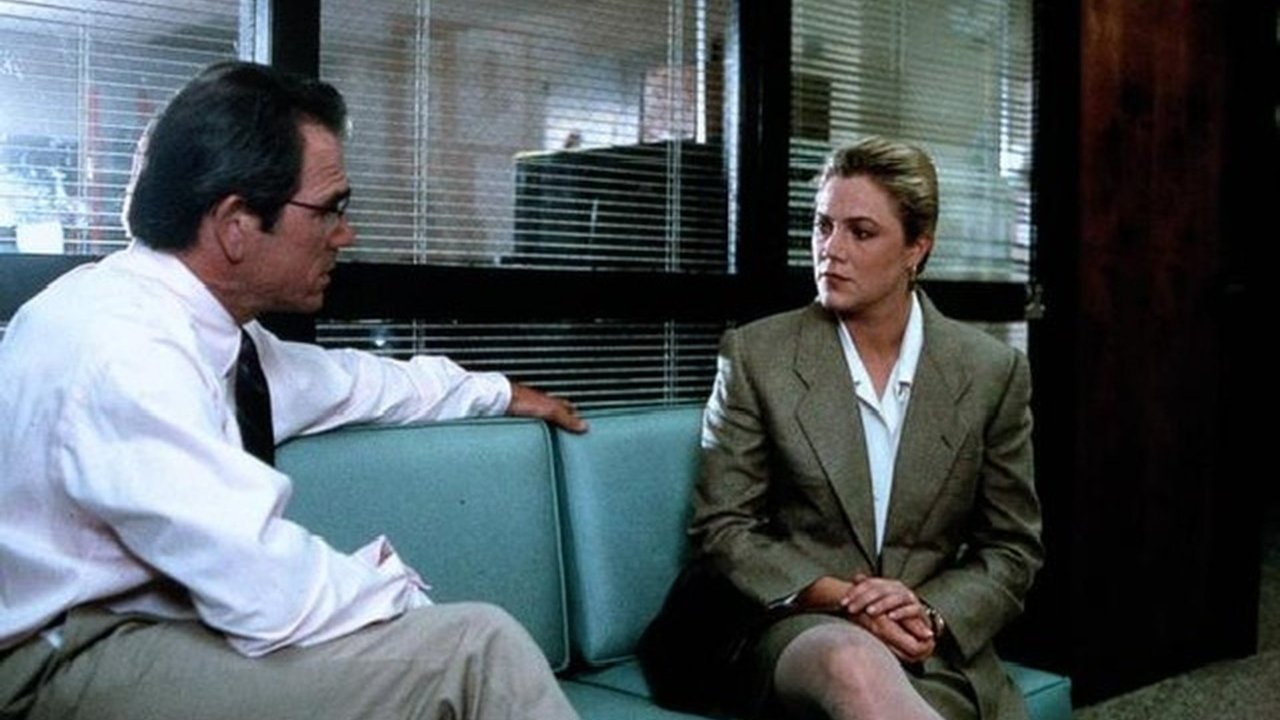
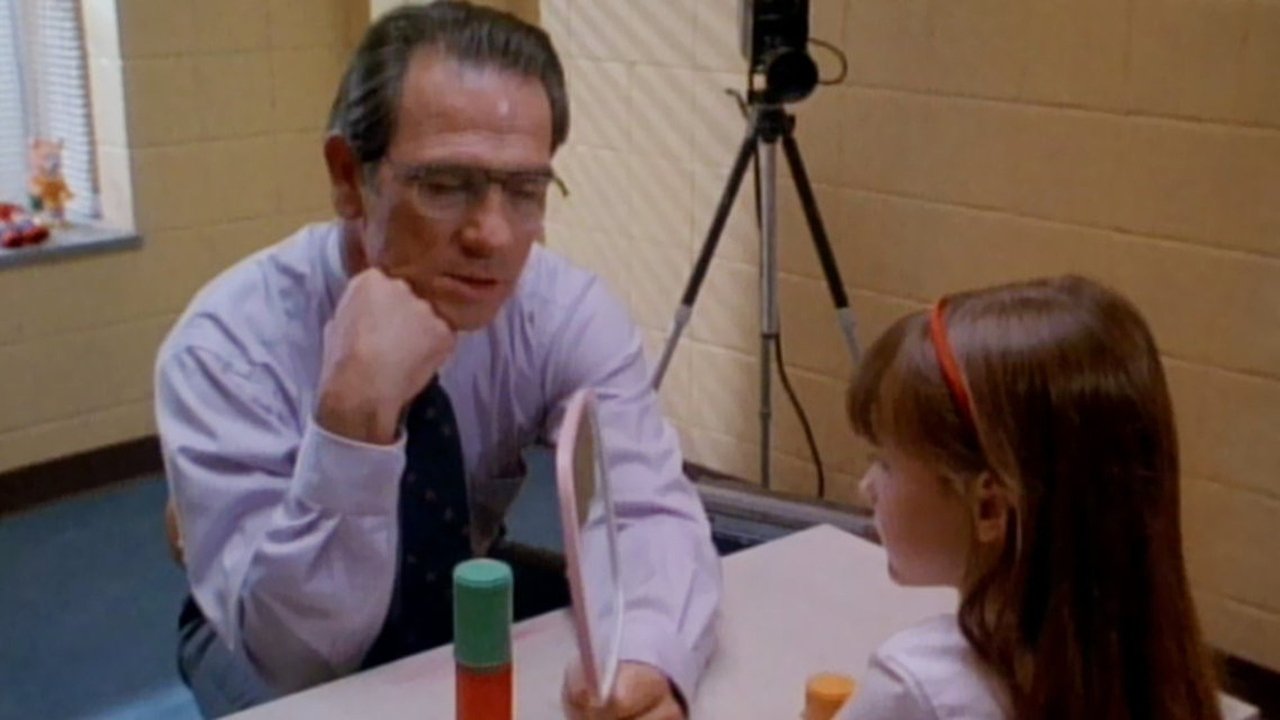
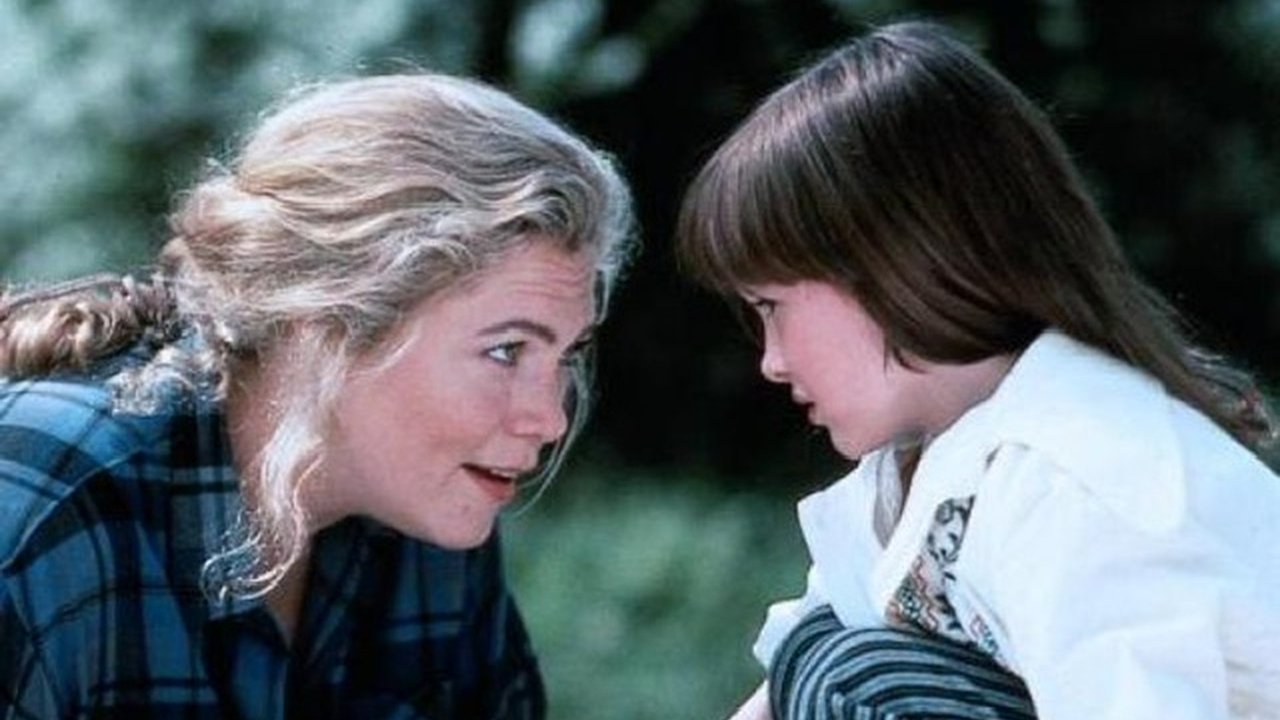
The story follows Ruth Matthews (Kathleen Turner), an architect herself, struggling to comprehend her daughter's sudden withdrawal into selective mutism and increasingly strange, almost mystical behaviors following the fatal fall. Turner, stepping away from the powerhouse roles of the 80s like Body Heat (1981) or Romancing the Stone (1984), delivers a performance steeped in raw maternal anxiety and fierce determination. You feel her desperation as conventional medicine fails, leading her to seek out the unconventional child psychiatrist, Dr. Jake Beerlander (Tommy Lee Jones). Jones, always a magnetic screen presence even before his Oscar win for The Fugitive the same year, brings a grounded intensity to Jake, a man willing to explore unorthodox methods to connect with Sally. Their dynamic forms the emotional core – two intelligent, wounded adults trying to navigate the labyrinth of a child's trauma.
Navigating Difficult Terrain
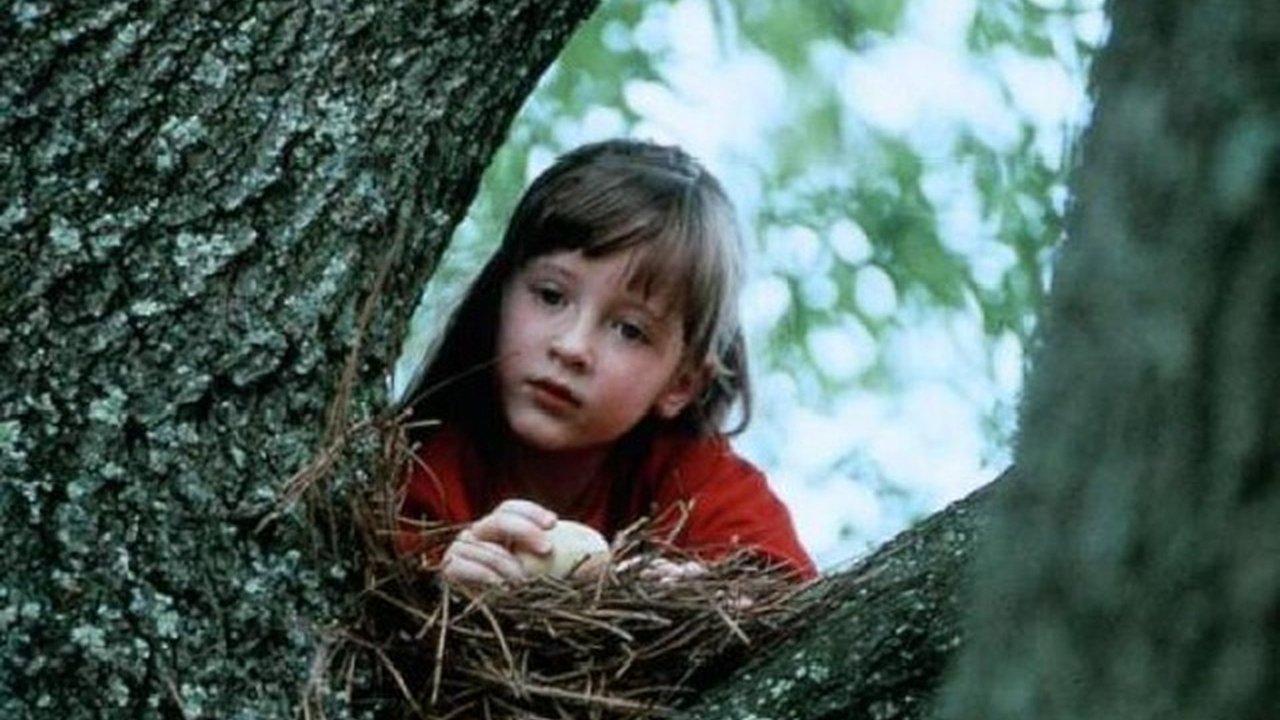
House of Cards attempts to tackle profound themes: the impact of sudden loss, the limits of conventional psychology, and the non-verbal ways children process grief. Sally's condition, blending elements that might today be understood within the autism spectrum alongside trauma responses, is portrayed with sensitivity, largely thanks to a remarkable performance from young Asha Menina. It's a challenging role for any actor, let alone a child, relying almost entirely on expression and physicality. Director Michael Lessac, primarily known for his work in theatre, clearly focused on eliciting this nuanced performance.
However, the film sometimes stumbles in its exploration. The script, co-written by Lessac and Robert Jay Litz, occasionally veers into territory that feels less like grounded psychology and more like convenient movie mysticism, particularly during the sequences involving Mayan ruins where Sally's father died. While visually striking (filming took place in North Carolina and parts of Mexico), these elements can feel like narrative shortcuts rather than earned insights into Sally's state. It's a reflection, perhaps, of the era's cinematic language for depicting complex inner worlds – sometimes reaching for the symbolic when the purely psychological felt less visually compelling on screen.
A Forgotten Gem or Flawed Experiment?
It’s fascinating how some films resonate through the decades while others fade. House of Cards wasn’t a box office success – reportedly grossing just over $2.3 million against a $3.3 million budget – and critical reception at the time was decidedly mixed. Perhaps the subject matter was too difficult, or the slightly ambiguous, less-than-tidy resolution didn't satisfy mainstream audiences expecting clear answers. It never quite found the cult following of other quirky 90s dramas.
Finding specific behind-the-scenes tidbits for films like this, ones that didn't make a huge splash, can be tougher than uncovering secrets about blockbusters. But knowing Lessac came from theatre might explain the focus on performance and contained emotional spaces, even when the plot ventures outdoors. The casting itself is noteworthy – Turner playing against type, Jones solidifying his thoughtful-but-tough persona. One wonders about the challenges of directing Menina through such demanding, non-verbal scenes, requiring a deep trust between director and young actor. Was the elaborate card structure a practical build, or clever movie magic? These are the kinds of details fellow VHS hunters love to ponder.
The Echoes Remain
Watching House of Cards today evokes a certain nostalgia not just for the format, but for a time when mid-budget dramas tackling complex family issues were more common studio fare. Its approach to child psychology might feel somewhat dated now, viewed through the lens of thirty years of increased understanding and evolving diagnostic criteria. Yet, the core emotional struggle remains potent. The desperation of a parent unable to reach their child, the search for understanding beyond words, the way trauma can reshape a young mind – these are timeless concerns. Doesn't Ruth's journey mirror the lengths any parent would go to? Doesn't Sally's intricate inner world remind us how little we sometimes understand about those closest to us?
The film isn't perfect. Its narrative choices are sometimes questionable, and the pacing occasionally drags. But it possesses a quiet integrity, anchored by strong lead performances and a central visual metaphor that truly lingers. It dares to explore the spaces where language fails and connection must be forged through empathy, observation, and a willingness to step outside the conventional.
Rating: 6/10
This rating reflects the film's ambition, its powerful central performances (especially Turner and Menina), and its willingness to tackle difficult themes, balanced against a script that sometimes loses its way in quasi-mysticism and a resolution that may feel unsatisfying to some. It's a flawed film, certainly, but a genuinely thoughtful one that deserves rediscovery by those who appreciate character-driven 90s drama.
It’s one of those tapes you might have rented on a quiet Tuesday night, drawn in by the serious faces on the cover, and found yourself thinking about long after the VCR clicked off – a poignant, if imperfect, construction of grief and healing.
You Might Also Enjoy
The Deep End of the Ocean
1999
Fifteen and Pregnant
1998
Clara's Heart
1988
Distant Voices, Still Lives
1988
Rain Man
1988
Running on Empty
1988
The Bear
1988
A City of Sadness
1989
All About Ah-Long
1989
Dad
1989
Decalogue I
1989
Decalogue IV
1989
Decalogue VII
1989
Don't Let Them Shoot the Kite
1989