Kitchen with Apartment
There's a peculiar intimacy forged in the heat and chaos of a kitchen during a dinner party, isn't there? Away from the curated smiles and polite conversation of the dining room, the kitchen becomes a confessional, a battlefield, a refuge. It’s this pressure-cooker environment that forms the heart of Philippe Muyl's 1993 film Cuisine et dépendances (often found under the more descriptive, if less elegant, title Kitchen with Apartment on UK/US VHS releases), a film that strips away social niceties to reveal the messy, complicated truths simmering beneath. Watching it again now, decades later, it feels less like a dated relic and more like a timeless X-ray of human relationships and insecurities.
Behind the Swinging Door
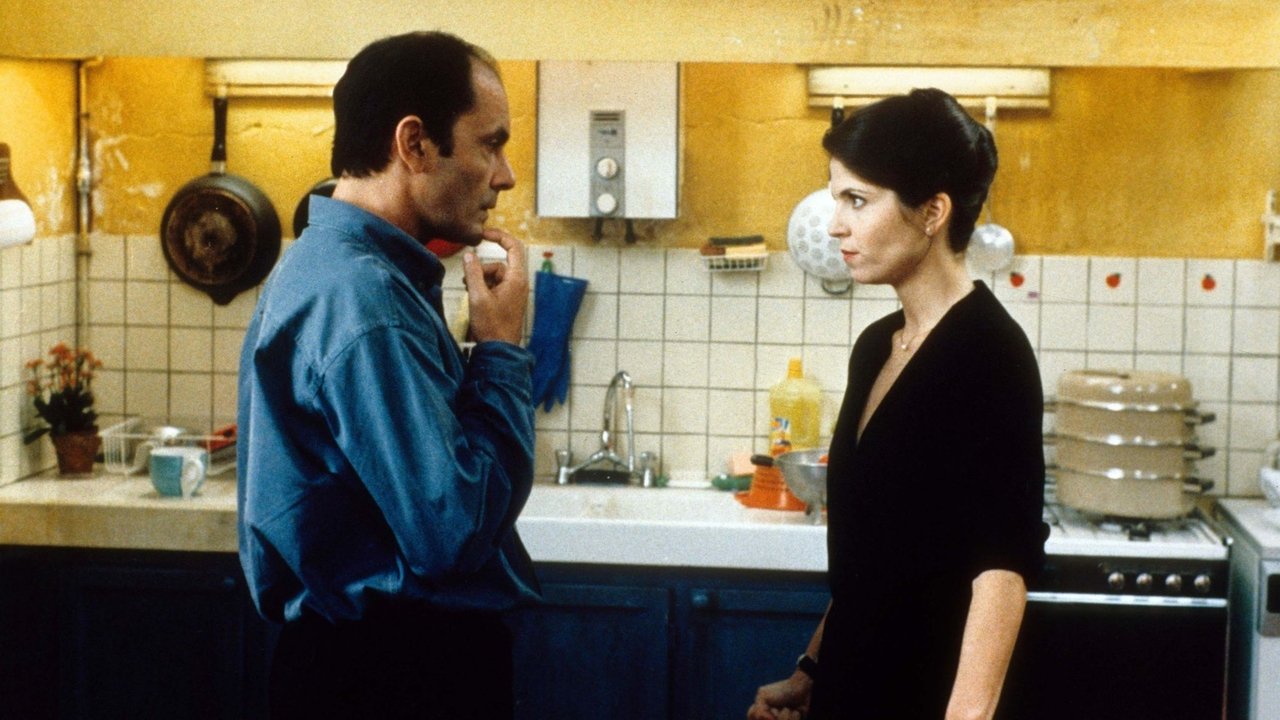
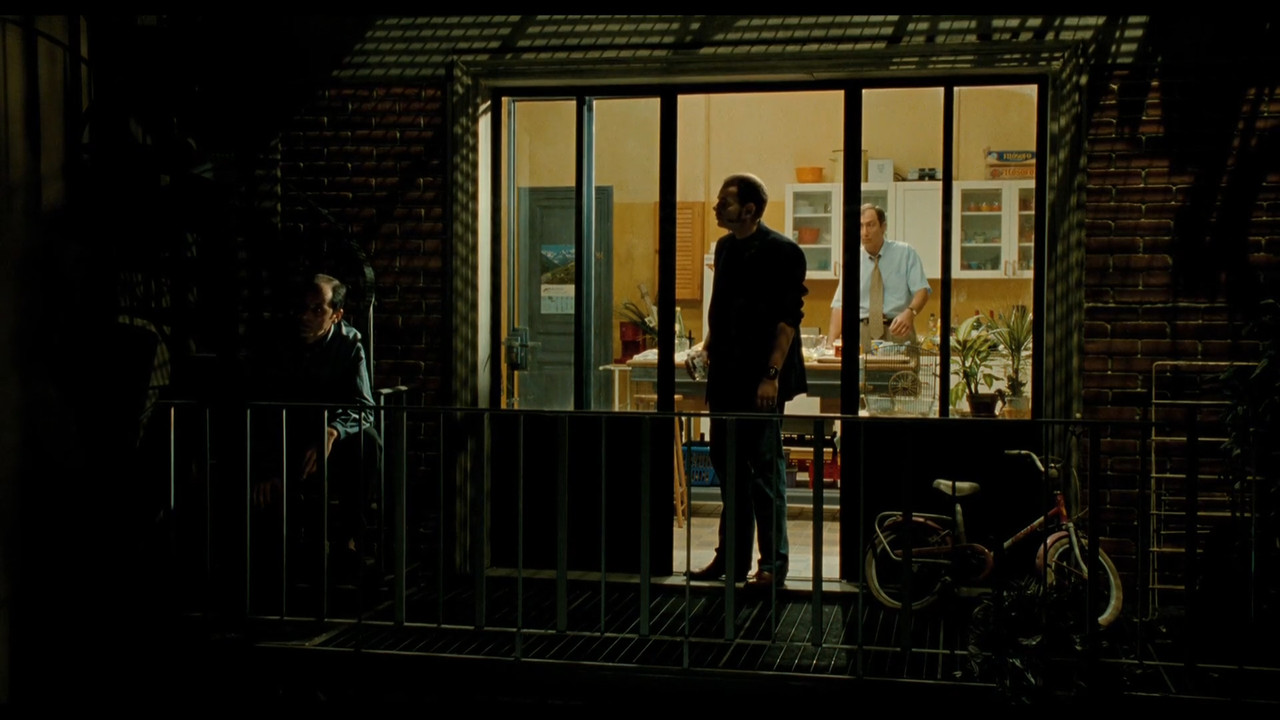
The premise is deceptively simple: Martine (Zabou Breitman, wonderfully conveying frazzled energy) and Jacques (Sam Karmann) are hosting a dinner party. The guest of honour is a now-famous writer, a former flame of Martine's, bringing his current partner along. Also present is Jacques's best friend Georges (Jean-Pierre Bacri), perpetually single, cynical, and observing the proceedings with a world-weary eye. Almost the entire film unfolds within the confines of their apartment, primarily oscillating between the formal dining area and the functional, cluttered kitchen. This restriction, far from feeling stagey, becomes the film’s greatest strength. It forces confrontations, magnifies awkwardness, and allows the sharp dialogue – penned by stars Agnès Jaoui and Jean-Pierre Bacri, adapted from their own successful stage play – to truly shine.
Indeed, knowing its theatrical origins illuminates much of the film's power. Jaoui and Bacri, who would become one of French cinema's most celebrated writing duos (later gifting us gems like Le Goût des autres / The Taste of Others), masterfully use the enclosed space. The kitchen isn't just where food is prepared; it's where masks slip. Characters retreat there to vent frustrations, reignite old arguments, share secrets, or simply escape the suffocating pleasantries next door. The swinging door between the two rooms acts as a physical and metaphorical barrier between performance and reality.
A Symphony of Small Gestures
What truly elevates Cuisine et dépendances beyond a filmed play is the ensemble cast's lived-in performances. Breitman is pitch-perfect as the hostess trying desperately to keep everything (and everyone) under control, her anxiety palpable in every rushed movement and forced smile. Karmann embodies the slightly oblivious, well-meaning husband, caught between loyalty to his wife and admiration for the successful guest.
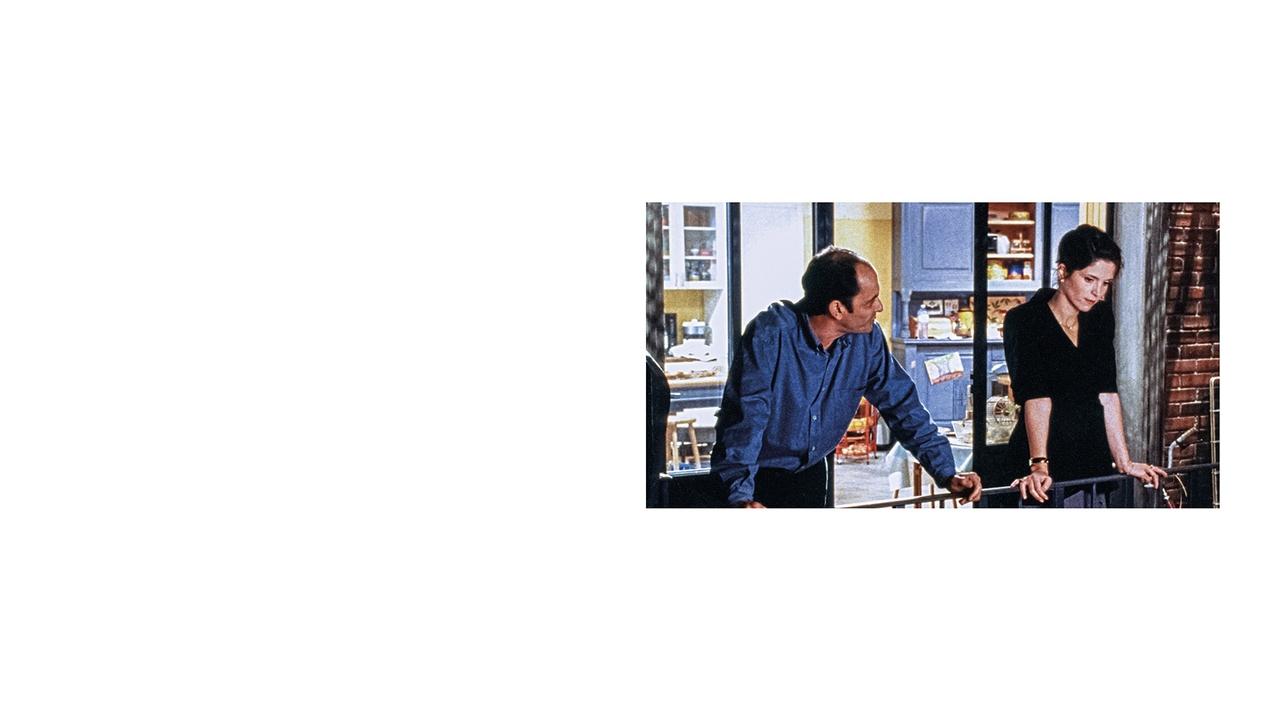
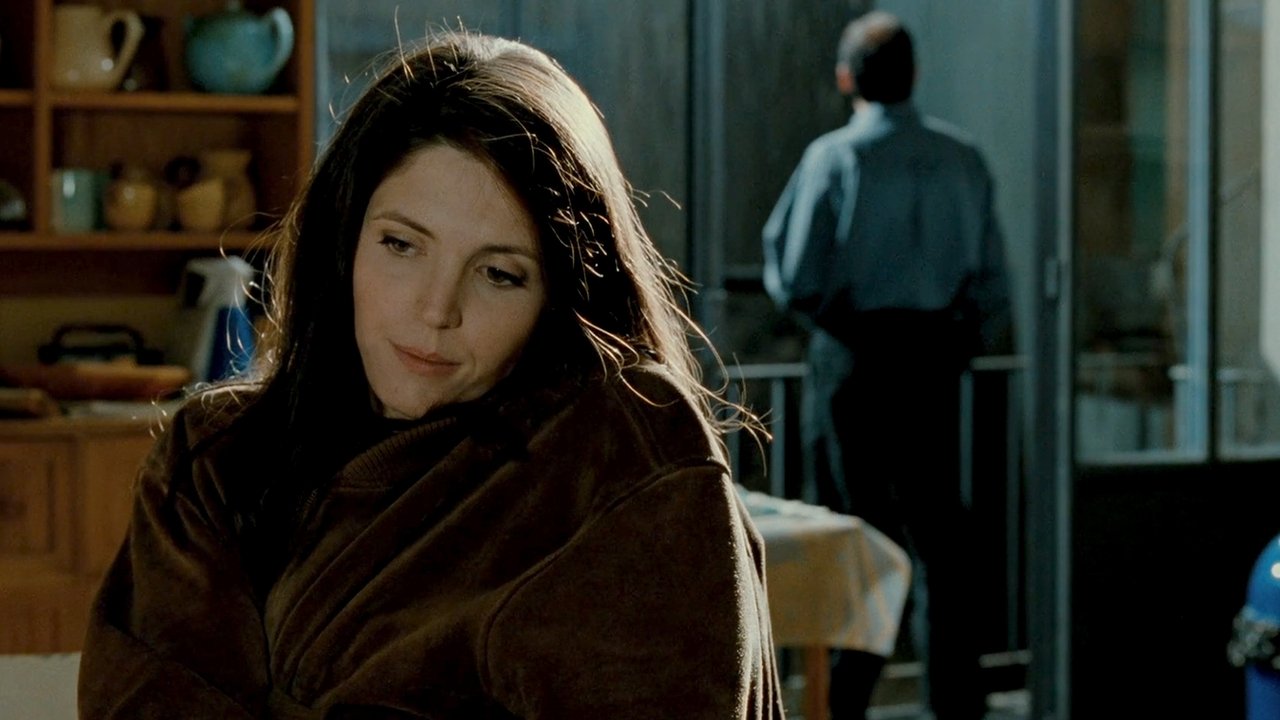
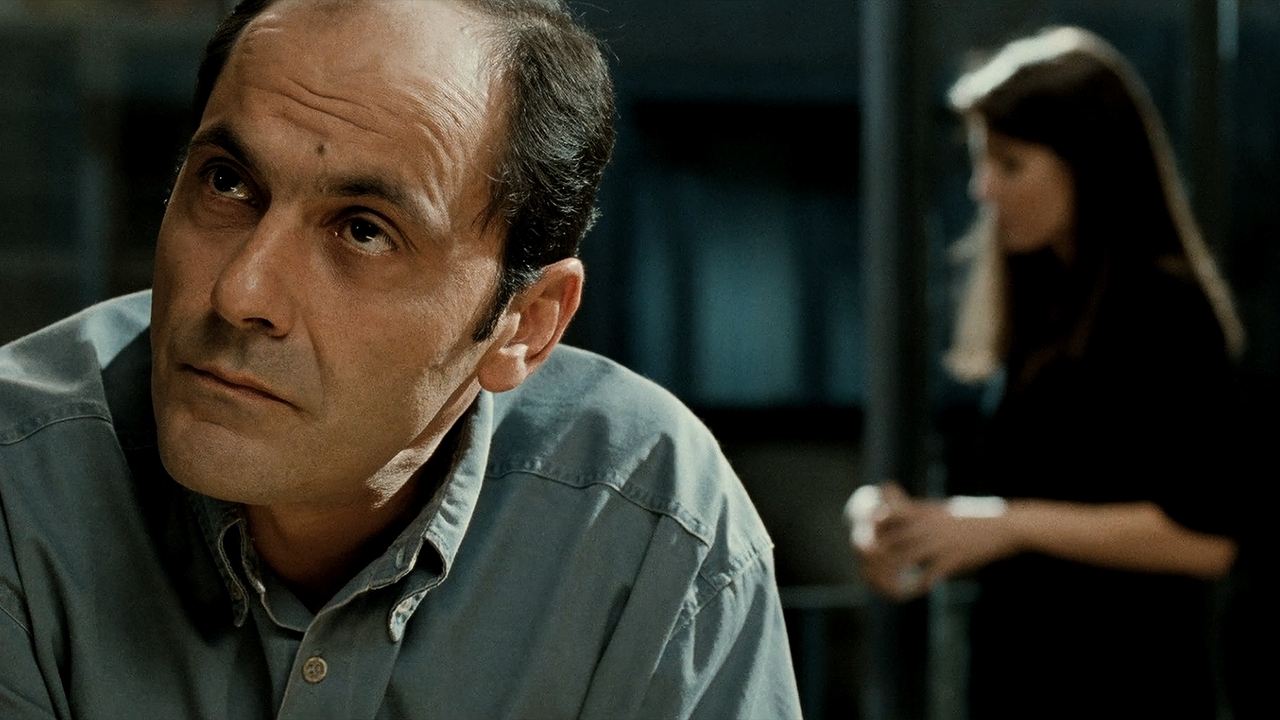
But it's often Jean-Pierre Bacri as Georges who steals the show, earning a César Award for Best Supporting Actor for his performance. His character is the sardonic observer, the one who sees through the pretensions and isn't afraid (at least in the relative safety of the kitchen) to voice uncomfortable truths. Bacri delivers his lines with a deadpan timing that’s both hilarious and deeply melancholic. He represents the anxieties of mediocrity and loneliness that often lurk beneath the surface of social gatherings. Agnès Jaoui herself appears in a smaller but crucial role, showcasing the effortless chemistry and shared understanding that defined her screen partnership with Bacri. The way these characters interact – the glances, the sighs, the half-finished sentences – feels incredibly authentic, capturing the complex dance of long-term friendships and simmering resentments.
More Than Just Dinner
This isn't a film driven by plot twists or grand dramatic gestures. Its power lies in the accumulation of small moments, overheard conversations, and telling silences. Muyl’s direction is unobtrusive, wisely trusting the material and the actors. He lets the claustrophobia of the apartment mirror the emotional confinement of the characters. It’s a film about the passage of time, the paths not taken, the compromises made, and the often-painful gap between youthful dreams and adult reality. How many of us have attended gatherings where unspoken histories hang heavy in the air?
Finding this on VHS back in the day, perhaps nestled in the foreign film section of a well-stocked rental store, felt like uncovering a hidden gem. It lacked the pyrotechnics of blockbusters but offered something richer, more resonant: a slice of life, albeit a particularly awkward and revealing one. It's a reminder that compelling drama doesn't always need explosions or car chases; sometimes, the most intense conflicts happen over lukewarm hors d'oeuvres and whispered conversations near the stove. The film reportedly cost very little to make, relying entirely on the strength of its script and performers – a testament to the power of smart writing that resonates far beyond its budget.
Rating: 8/10
Cuisine et dépendances earns its strong rating through its razor-sharp writing, impeccable ensemble acting, and its masterful use of a confined setting to explore universal human frailties. The dialogue crackles with wit and insight, while the performances ground the potentially theatrical premise in relatable emotion. It might feel low-key compared to louder 90s fare, but its observations on friendship, envy, and the performance of social life are timeless.
It leaves you pondering not just the fate of the characters, but the hidden dramas playing out in kitchens everywhere, long after the guests have gone home. What truths hide behind your swinging door?