Madadayo
It arrives not with the clash of swords or the thunder of cannons, but with the quiet warmth of shared sake and the gentle cadence of lifelong affection. Akira Kurosawa's final film, Madadayo (1993), feels like a serene exhalation after a career often defined by monumental struggles and epic canvases. Watching it again, perhaps pulling that well-worn tape from a shelf where it sat beside Seven Samurai (1954) or Ran (1985), is to encounter a different kind of masterpiece – one concerned not with grand battles, but with the profound victory of a life lived with grace, humor, and enduring connection.
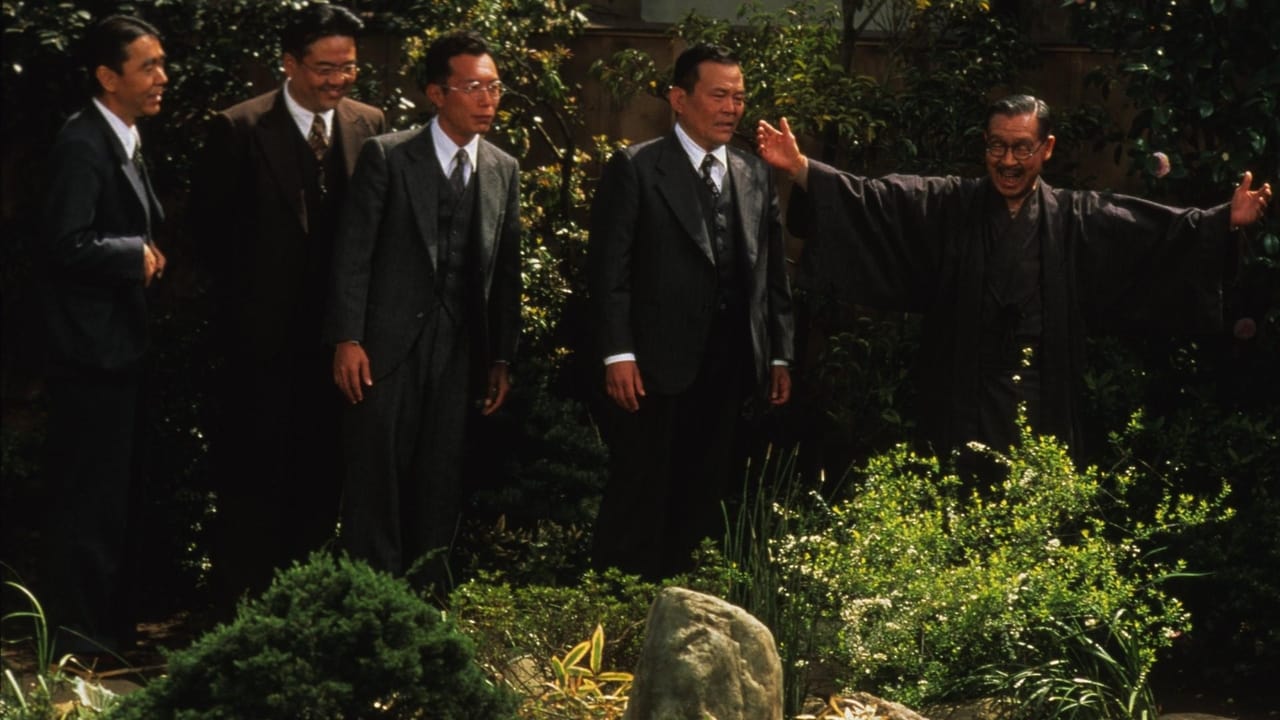
The title itself, "Māda da yo!" translates to "Not yet!" It's the defiant, almost playful cry uttered by the film's heart, Professor Hyakken Uchida (Tatsuo Matsumura), during his annual birthday celebrations when his former students ask if he's ready for the next world. It becomes a ritual, a toast not just to longevity, but to the enduring spirit against the encroaching twilight. Based on the life and essays of the real Uchida, a German professor and writer, the film feels deeply personal, a summation perhaps, from Kurosawa himself in his own twilight years.
A Tapestry Woven from Decades
Unlike the tightly plotted narratives Kurosawa is often famed for, Madadayo unfolds episodically, mirroring the rhythm of life itself. We follow Professor Uchida from his retirement in 1943 through the tumultuous post-war years and into old age. The constants are his unwavering optimism, his slightly eccentric charm, and, most crucially, the unwavering devotion of the generations of students who gather around him. These gatherings, particularly the elaborate birthday parties ("Māda kai?"), form the film's structural pillars. They aren't just celebrations; they are living testaments to the impact one teacher can have, a ripple effect of kindness and respect extending across decades.
There's a tangible warmth to these scenes, a sense of genuine community rarely captured so effectively on film. We see the students grow older alongside their beloved teacher, their lives unfolding in the background, yet always anchored by their connection to him. The film subtly portrays the changing face of Japan through their experiences, but the focus remains steadfastly on the human element, on the bonds that endure war, loss, and the simple passage of time.
The Soul of the Professor
At the center of it all is Tatsuo Matsumura's luminous performance as Uchida. He embodies the professor with such effortless grace and twinkling humor that it feels less like acting and more like inhabiting a soul. Uchida isn't presented as a flawless saint; he can be stubborn, slightly vain, even childlike in his attachments (particularly concerning his cherished cats). But Matsumura ensures his core decency, his profound appreciation for life, and his quiet wisdom shine through. It’s a performance built on subtle gestures, gentle smiles, and eyes that hold the weight of years with remarkable lightness. We believe entirely in the affection he inspires in his former pupils, played with understated loyalty by actors like Kyôko Kagawa and Hisashi Igawa. Their interactions feel lived-in, comfortable, carrying the easy shorthand of decades-long relationships.
Interestingly, Kurosawa reportedly considered this his most personal film. Seeing Uchida navigate loss – the destruction of his home during the war, the heartbreaking disappearance of his beloved cat Nora – feels like witnessing reflections on resilience and the acceptance of life's inevitable sorrows. The extended sequence dedicated to the search for Nora might seem minor to some, but it’s pivotal. It reveals Uchida's vulnerability beneath the cheerful exterior and highlights the profound connections we can form, even with our animal companions. Finding that tiny stray kitten later isn't just finding a pet; it's finding a reason to keep his heart open.
Kurosawa's Gentle Hand
While lacking the dynamic action sequences of his earlier work, Kurosawa's masterful eye is still evident. The compositions are beautiful, often painterly, capturing the changing seasons and the quiet dignity of domestic life. There's a patience to the filmmaking, allowing moments to breathe, letting the emotional weight accumulate gradually. The score is similarly understated, complementing the mood without overwhelming it. It's the work of a director completely confident in his material and his actors, needing no visual pyrotechnics to convey deep feeling.
It’s worth noting that Madadayo was Japan’s official submission for the Best Foreign Language Film at the Academy Awards that year, though it ultimately wasn't nominated. Perhaps its gentle nature and episodic structure felt less impactful to Academy voters compared to more overtly dramatic fare. Yet, its power lies precisely in that quietude, in its celebration of the ordinary moments that constitute an extraordinary life. It asks us, doesn't it, what truly matters in the end? Is it grand achievements, or the warmth of shared moments and lasting friendships?
This wasn't a tape you rented for a jolt of adrenaline. It was the kind of film you might have picked up from the "Foreign Films" section of the video store, intrigued by the Kurosawa name, and discovered something unexpectedly moving. It requires a certain patience, a willingness to settle into its gentle rhythm, but the reward is a profound sense of warmth and a deep appreciation for the enduring power of human connection. It’s a film that lingers, like the echo of laughter shared among old friends.
Rating: 9/10
This near-perfect score reflects the film's profound success in achieving its specific aims. While its deliberate pacing and focus on character over plot might not resonate with all viewers expecting typical Kurosawa fare, Madadayo is a masterful, deeply moving portrayal of aging, legacy, and community. Matsumura's performance is exceptional, and Kurosawa's direction is imbued with gentle wisdom. It stands as a beautiful, heartfelt coda to an unparalleled cinematic career, perfectly capturing the quiet triumph of a life well-loved.