The Beverly Hillbillies
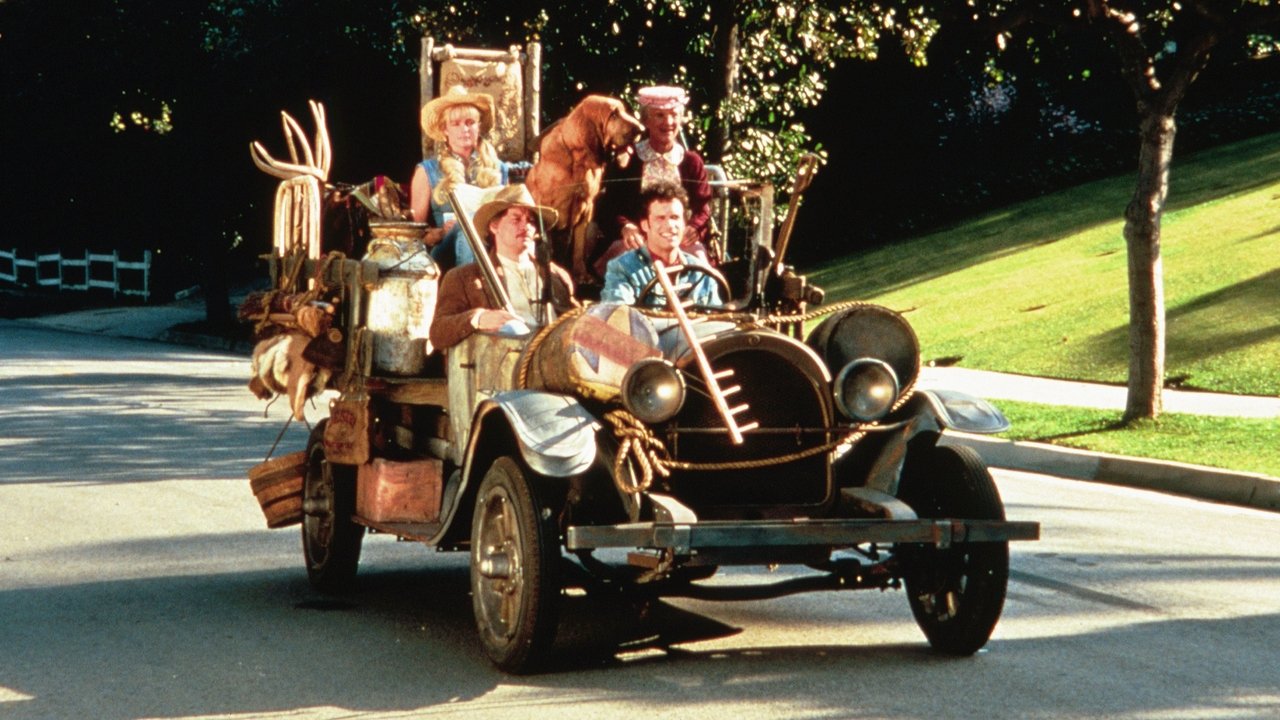
Alright folks, settle onto the ol' sofa, maybe crack open a Jolt Cola if you’re feeling really retro, because we're diving into a curious little time capsule from 1993: Penelope Spheeris’ big-screen adaptation of The Beverly Hillbillies. Now, picture this: you're wandering the aisles of the local video store, the smell of plastic cases and slightly stale popcorn in the air. You see that familiar Clampett clan peering out from a VHS box, but wait... is that Ernest P. Worrell under Jed's hat? Yep, peak 90s Hollywood, right there. Adapting a beloved TV classic is always a gamble, and this one landed with a peculiar, goofy charm that feels perfectly preserved on fuzzy videotape.
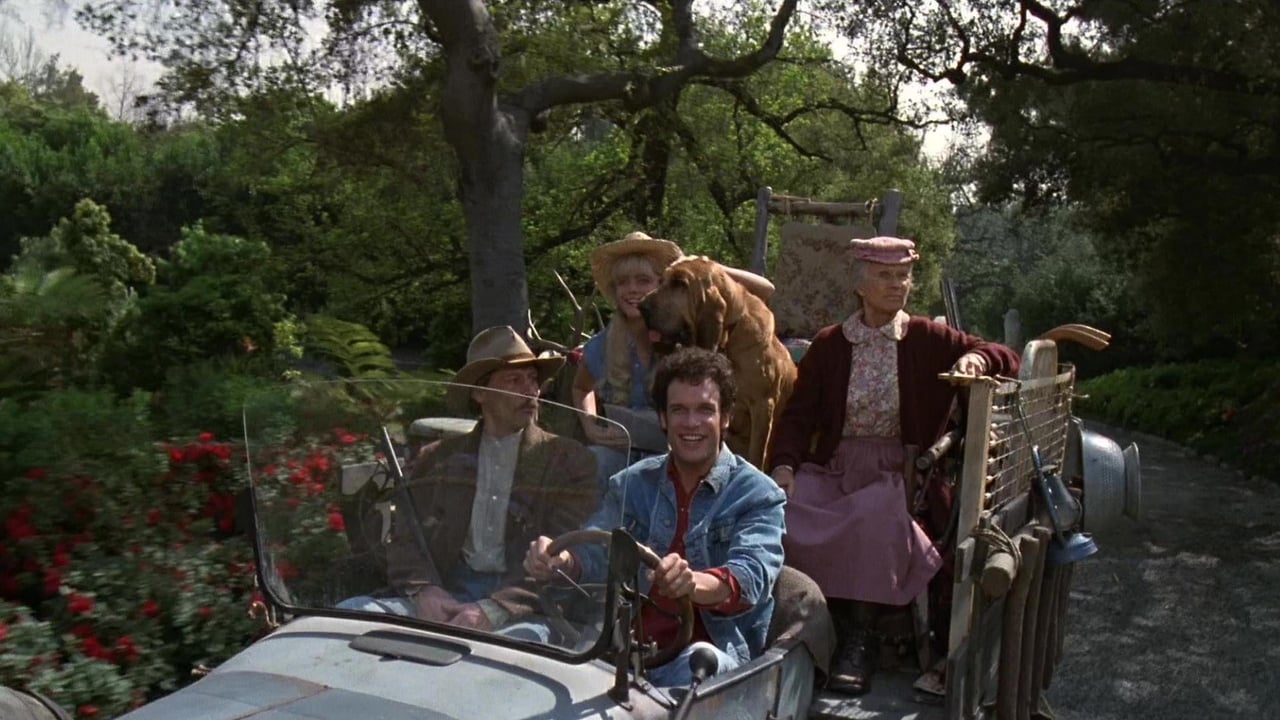
Welllll, Doggy! From Tube to Screen
Let's be honest, translating the low-key, character-driven charm of the original 60s sitcom, created by Paul Henning, into a 90s movie comedy was a tall order. The original show coasted on the gentle culture clash and the inherent decency of the Clampetts. The movie, directed by Penelope Spheeris fresh off her massive success with Wayne's World (1992), understandably leans into broader strokes and more frantic energy. Spheeris brought a certain rock 'n' roll sensibility to filmmaking, often finding humour in the absurdity of American culture, which actually fits the Clampetts' predicament surprisingly well. The challenge was making these fish-out-of-water feel funny again to an audience decades removed from their debut.
Meet the New Clampetts (Same as the Old Clampetts?)
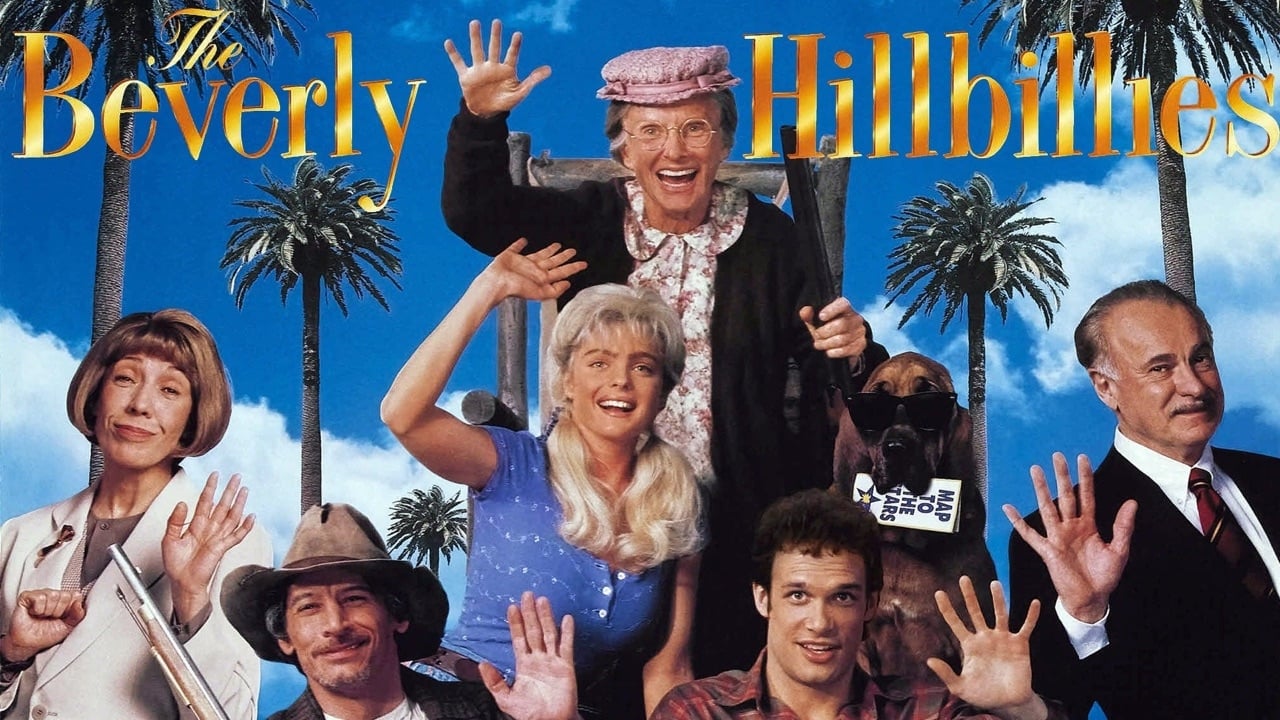
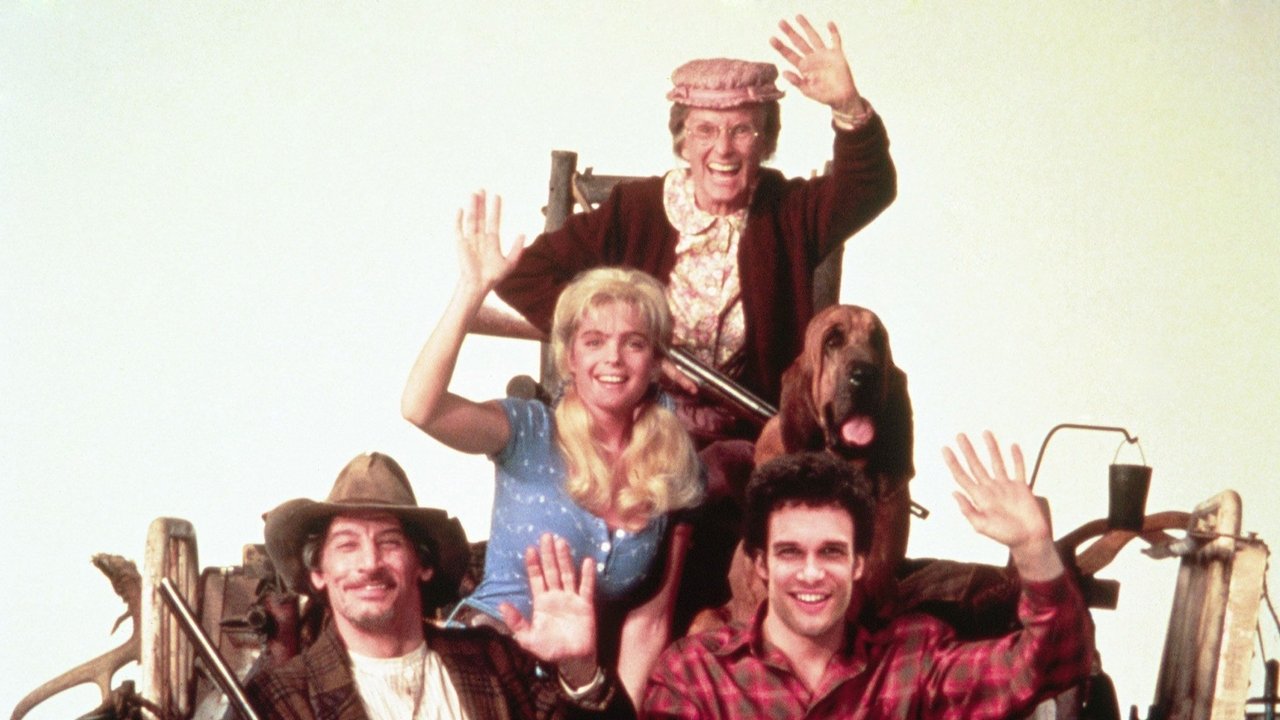
The casting is where this movie really lives or dies, and honestly, it's a fascinating mix. Seeing Jim Varney step into Jed Clampett's boots, famously filled by Buddy Ebsen on TV, was initially jarring for many. Varney, forever known as the rubber-faced Ernest, dials it way down here, delivering a surprisingly warm and grounded performance as the humble patriarch. It’s not Ebsen, but Varney finds his own quiet dignity in the role. Interestingly, Buddy Ebsen himself was reportedly offered a cameo role as Barnaby Jones (his other famous TV character), but declined; rumour has it he wasn't thrilled with the script's faithfulness, or lack thereof, to the original spirit.
Surrounding Varney is a cast clearly having a ball. Cloris Leachman is predictably fantastic as Granny, chewing the scenery with infectious energy – she feels like she walked right off the original set. Erika Eleniak, known to many then from Baywatch, brings the right mix of sweetness and naive toughness to Elly May. But perhaps the MVP is Diedrich Bader, pulling double duty as the dim-witted Jethro Bodine and, in a bizarrely funny subplot, his equally dense twin sister Jethrine. Bader commits fully to the absurdity, delivering some of the film's biggest laughs. And let's not forget Lily Tomlin as the perpetually stressed Miss Jane Hathaway and the legendary Dabney Coleman perfectly cast as the greedy, scheming Milburn Drysdale. Their interactions alone are worth the rental fee.
Sittin' By the Ceement Pond
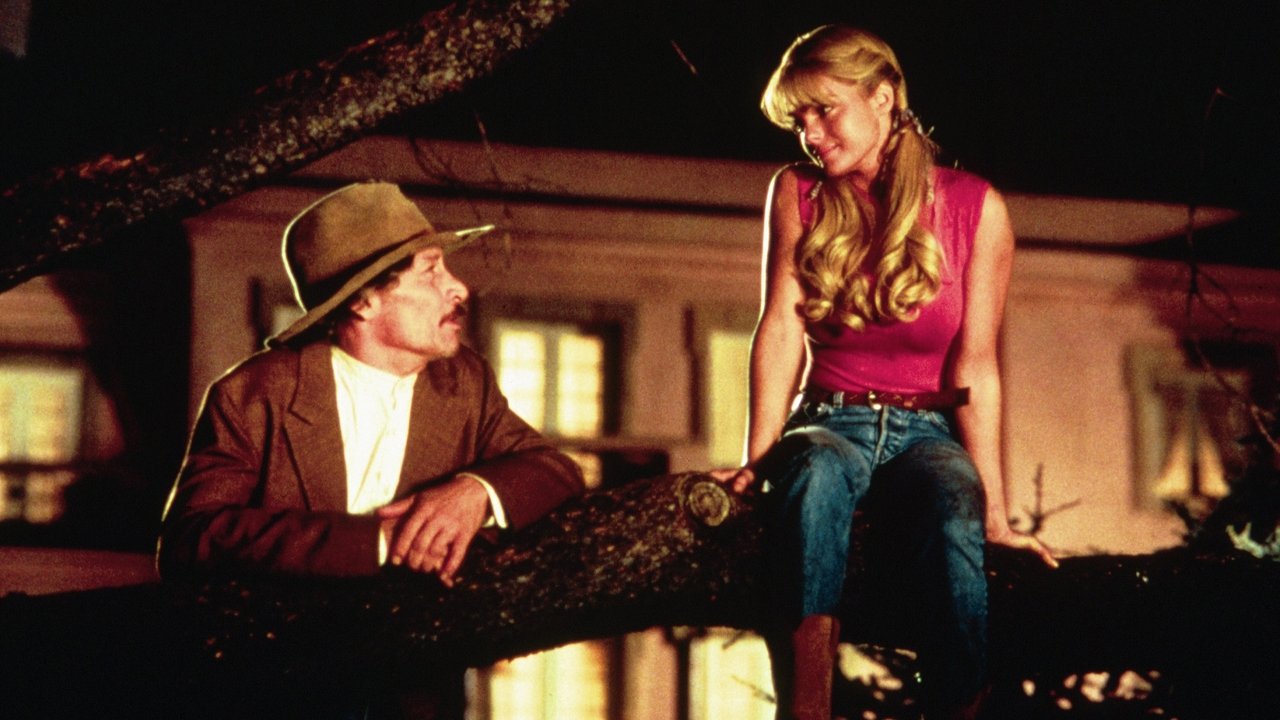
The plot itself is fairly standard stuff: opportunistic villains (played with slimeball glee by Rob Schneider and Lea Thompson) try to swindle the Clampetts out of their billion-dollar fortune. It’s an excuse to string together familiar gags – mistaking the swimming pool ("ceement pond") for a giant wash basin, the pool table becoming the "fancy eatin' table," and generally causing chaos amongst the Beverly Hills elite. Does it reach the comedic heights of the original? Probably not. But does it deliver some solid 90s slapstick and sight gags? Absolutely.
Remember that feeling of watching elaborate physical comedy back then? It wasn’t CGI trickery; it was timing, performance, and sometimes just plain old props getting smashed. There's a comforting practicality to the humour here, even when it's utterly silly. The production design does a decent job contrasting the Clampetts' rustic sensibilities with the opulent absurdity of their new surroundings – often filmed at the iconic Greystone Mansion, a familiar Hollywood backdrop for wealthy estates. And yes, thankfully, they kept that unforgettable theme song!
Modest Millions and Critical Maulin'
While Penelope Spheeris' Wayne's World was a cultural phenomenon, The Beverly Hillbillies landed more modestly. Made for about $25 million, it pulled in around $57 million worldwide – not a flop, but certainly not the blockbuster some might have expected, especially compared to The Addams Family (1991) which really kicked off the 90s TV adaptation craze. Critics at the time? Oof. They weren't exactly kind, many finding it crude and unnecessary compared to the beloved original. But audiences seemed to find it a harmless enough diversion, a decent way to spend 90 minutes revisiting familiar characters, even in their slightly brasher 90s forms. It even includes a memorable cameo from Zsa Zsa Gabor playfully referencing her real-life cop-slapping incident, a very '90s moment of meta-humour.
Watching it now, there’s an undeniable layer of nostalgia. It’s a specific flavour of 90s comedy – broad, a little loud, reliant on familiar faces doing familiar things, but ultimately good-natured. It doesn't try to reinvent the wheel (or the Clampett truck), it just wants to offer some uncomplicated laughs.
***
VHS Heaven Rating: 6/10
Justification: The rating reflects a film that's undeniably flawed and can't fully recapture the magic of its source material. Critics savaged it, and it lacks subtlety. However, the committed performances (especially from Varney, Leachman, and Bader), Spheeris' energetic direction, some genuinely funny gags, and the sheer nostalgic charm of seeing this oddball adaptation make it a perfectly decent watch for fans of 90s comedies or those curious about this specific era of TV-to-film translations. It delivers exactly what it promises: a goofy, harmless trip back to Beverly Hills, 90s style.
Final Thought: Like finding an old can of possum stew in the back of the pantry – you might hesitate, but ultimately, it’s a strangely comforting taste of a bygone era. Y'all come back now, y'hear?
You Might Also Enjoy
The Little Rascals
1994
Ernest Saves Christmas
1988
Ernest Goes to Jail
1990
Ernest Scared Stupid
1991
Ernest Rides Again
1993
Ernest Goes to School
1994
Slam Dunk Ernest
1995
Ernest Goes to Africa
1997
Ernest Goes to Camp
1987
Wayne's World
1992
Black Sheep
1996
Senseless
1998
Double, Double, Toil and Trouble
1993
Big Top Pee-wee
1988