The Unvarnished Truth, or Just Another Version?
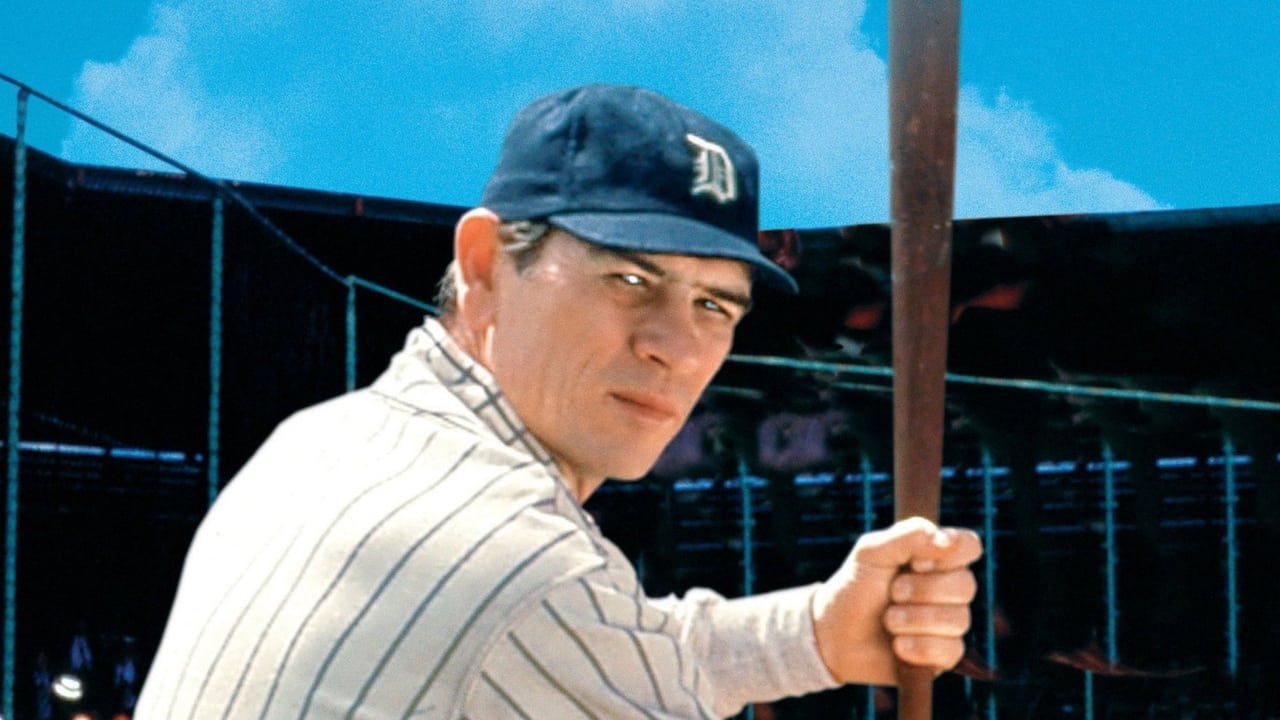
How do we square the circle of a legend? What happens when the towering figure we read about in history books, the name synonymous with unparalleled sporting achievement, turns out to be… well, frankly, a monster? Ron Shelton’s 1994 film Cobb doesn’t just ask this question; it grabs you by the collar, drags you into a dimly lit room rank with stale booze and regret, and forces you to stare unflinchingly at the ugliness beneath the myth. This wasn't the feel-good baseball flick some might have expected popping the tape into the VCR back then; this was something far more challenging, and perhaps, far more interesting.
Based on articles and a book by sportswriter Al Stump, the film finds the aging, cancer-ridden Tyrus Raymond Cobb (Tommy Lee Jones in a performance of truly monumental ferocity) summoning Stump (Robert Wuhl) to his remote Lake Tahoe lodge in 1960. Cobb wants Stump to ghostwrite his official, sanitized autobiography, cementing his legacy as the greatest baseball player who ever lived. But as Stump quickly discovers, the real story simmering beneath the surface is one of breathtaking bitterness, paranoia, violent racism, and profound loneliness.
A Portrait Etched in Acid
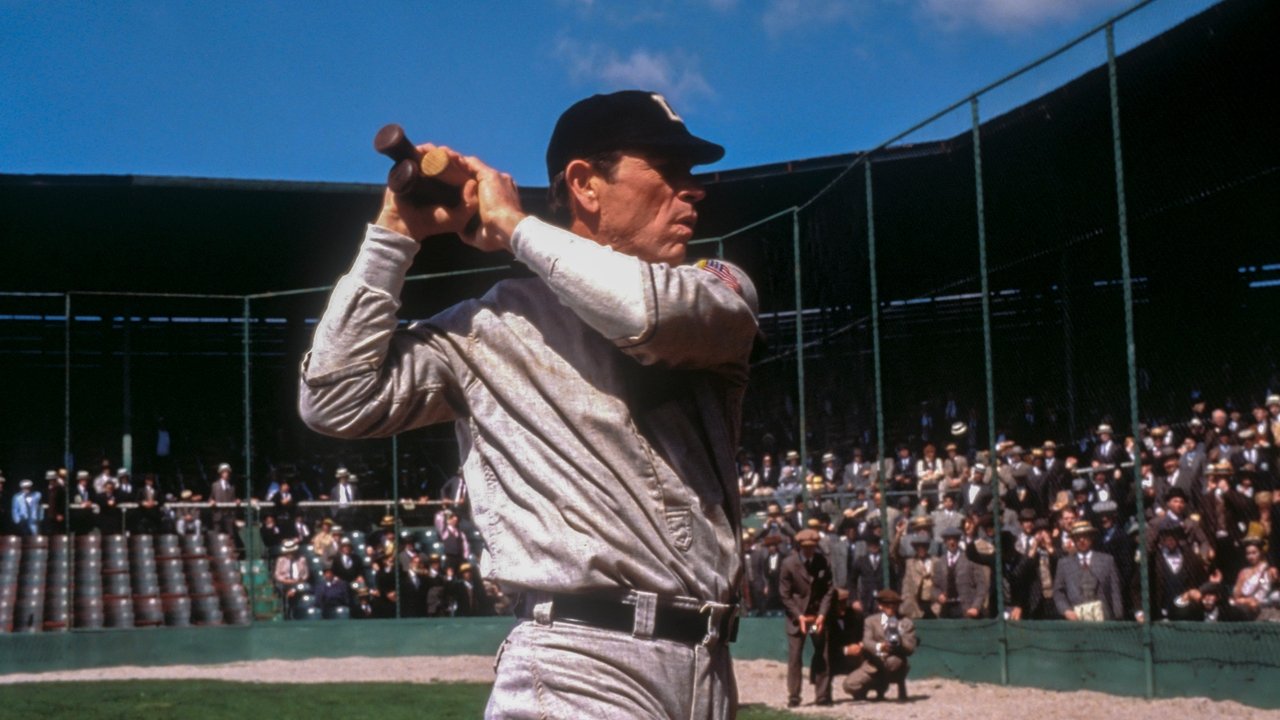
Forget the heroic slow-motion shots or swelling orchestral scores typical of sports biopics. Shelton, who knew his way around a baseball diamond after giving us the beloved Bull Durham (1988), crafts a deliberately claustrophobic and uncomfortable atmosphere. Much of the film unfolds within the confines of Cobb’s lodge or during booze-fueled road trips, mirroring the suffocating nature of living in the orbit of such a volatile personality. The film isn't about baseball, not really; it uses baseball as the backdrop against which Cobb’s immense talent and equally immense failings are thrown into sharp, brutal relief.
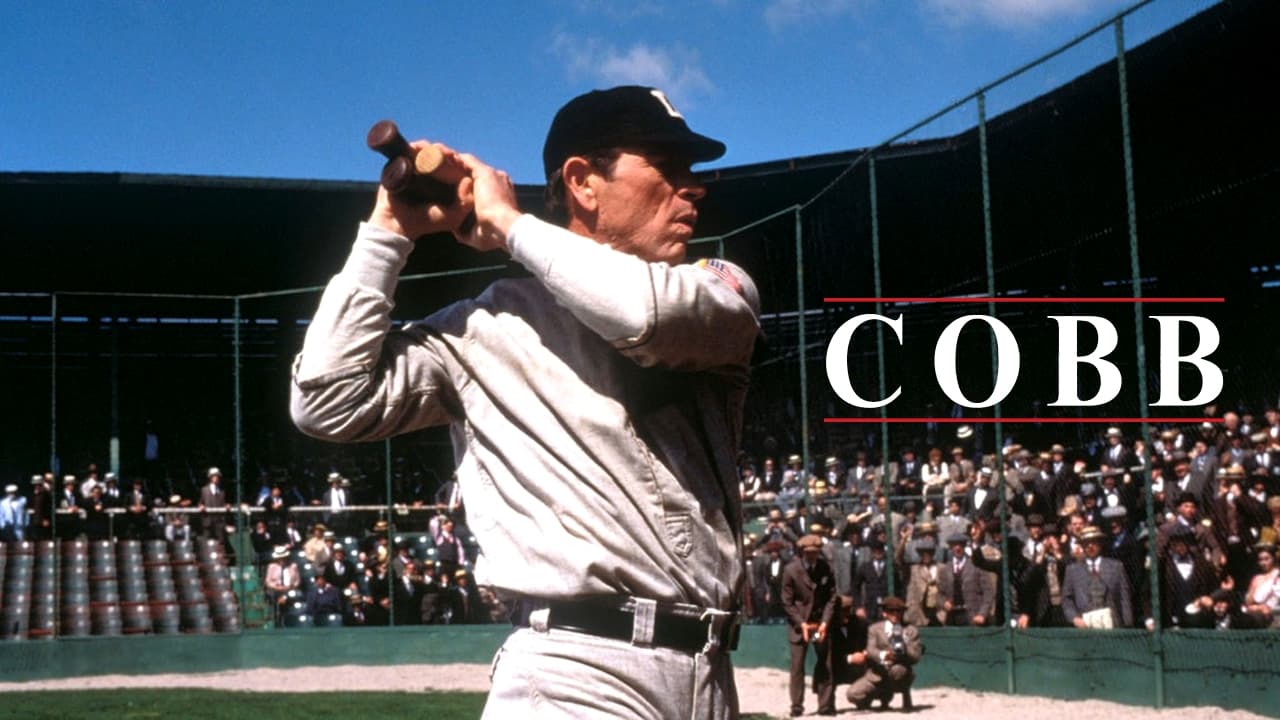
And at the center of it all is Tommy Lee Jones. Released the same year he won an Oscar for The Fugitive, his turn as Cobb is arguably even more powerful, certainly more terrifying. It’s not just the spitting, the snarling, the sudden explosions of violence – though those are certainly memorable. Jones captures the gnawing insecurity beneath the bluster, the desperate need for validation warring with an ingrained impulse to push everyone away. He embodies the physical decline, the rattling cough, the eyes flickering with suspicion, but also flashes of the competitive fire that made Cobb legendary on the field. It's a performance that doesn't ask for sympathy, but demands attention, daring you to look away from this deeply flawed, often repulsive, human being. It’s a masterclass in inhabiting a character utterly, without vanity or compromise.
The Storyteller's Shadow
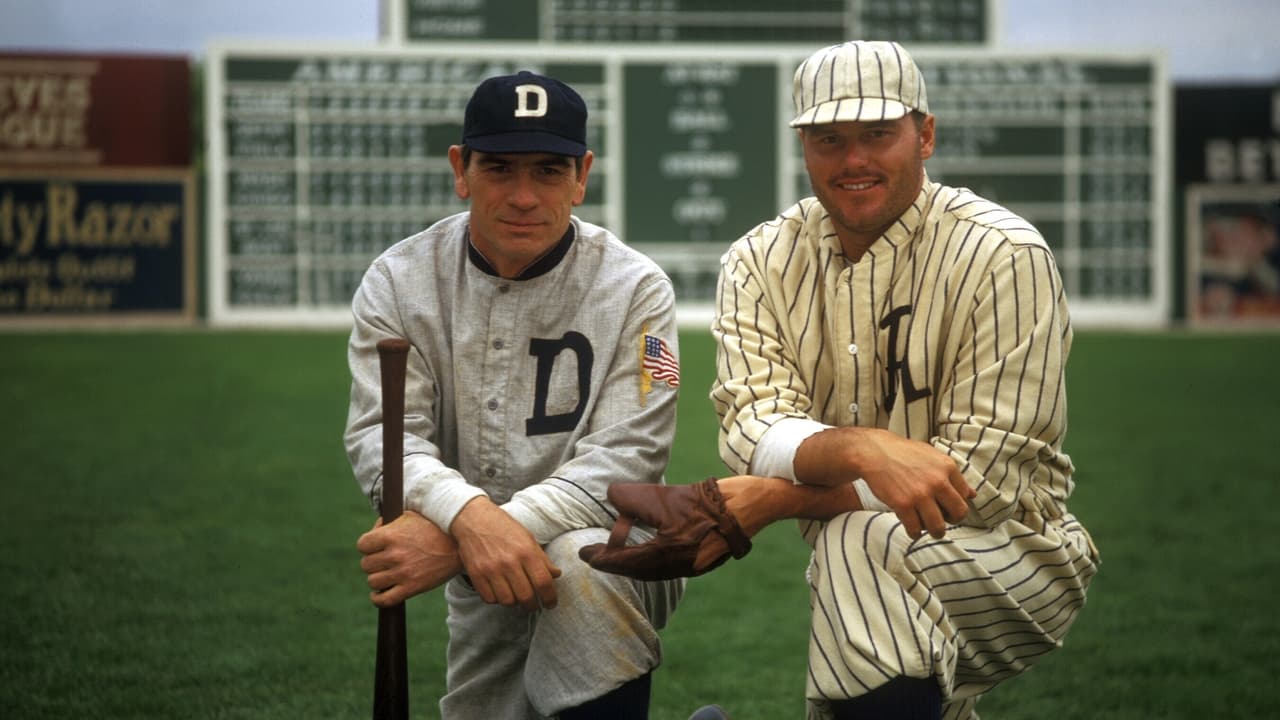
Caught in Cobb's destructive vortex is Al Stump, played with a nebbish charm and growing desperation by Robert Wuhl (perhaps best known then for Arli$$ or his stand-up). Stump is our surrogate, initially star-struck, then increasingly compromised. He wants the big story, the access, the payday, but he's constantly wrestling with the ethical nightmare Cobb presents. Does he print the legend, the carefully curated version Cobb wants the world to see? Or does he tell the horrifying truth, risking his career and potentially Cobb’s wrath? Wuhl effectively portrays the moral tightrope walk, the gradual erosion of his initial awe into a queasy complicity. His journey raises uncomfortable questions about biography itself – how much is truth, how much is interpretation, and how much is shaped by the desires of both subject and author?
It’s worth noting a fascinating layer of real-life complexity here: Al Stump's own accounts of Cobb have faced scrutiny over the years, with some historians arguing he exaggerated Cobb's villainy for sensational effect. This meta-narrative adds another wrinkle to the film's exploration of truth and legacy – are we watching Stump uncover the real Cobb, or are we watching Stump construct the monstrous Cobb he later became famous for chronicling? The film doesn't definitively answer this, leaving the viewer in a space of uneasy ambiguity.
Shelton's Curveball
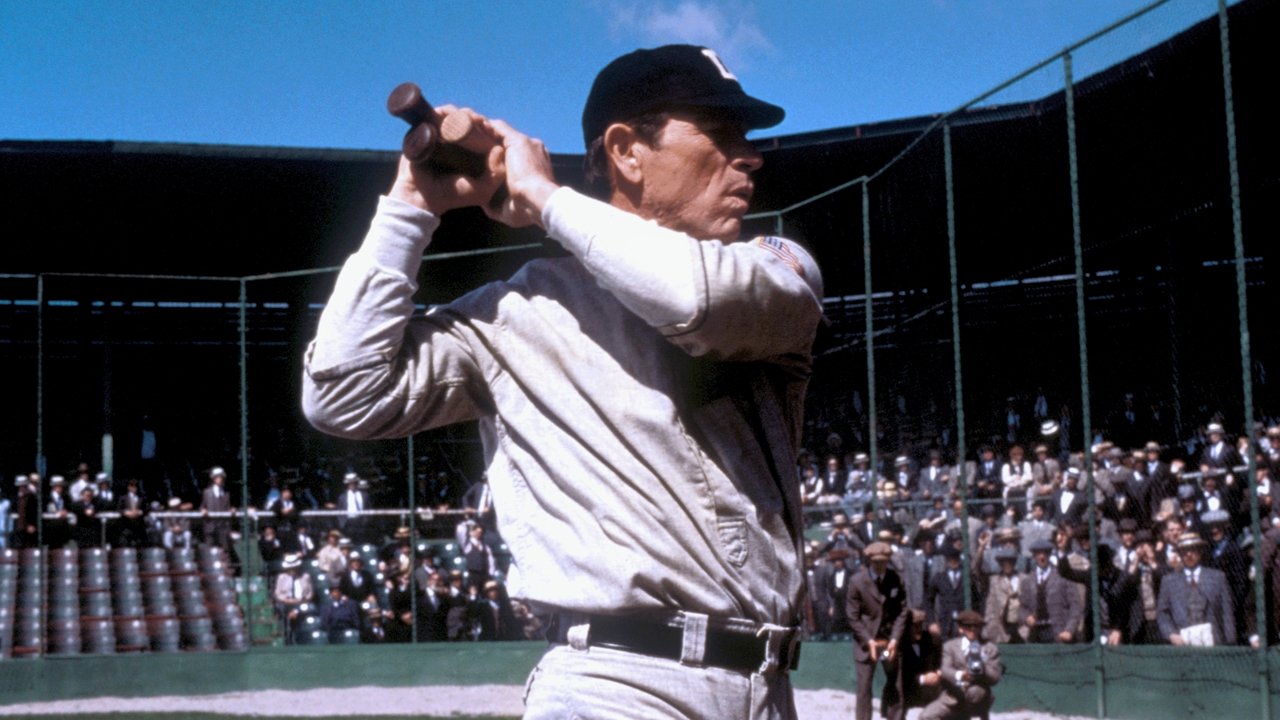
Director Ron Shelton deserves immense credit for tackling such difficult material. He resists the urge to sand down Cobb's sharp edges or offer easy explanations. The brief flashbacks to Cobb's playing days are functional rather than celebratory, serving mainly to illustrate the source of his fame. There are moments of dark humor, often stemming from the sheer audacity of Cobb's behavior, but they never soften the blow. The inclusion of Lolita Davidovich as Ramona, a Reno cigarette girl and performer who briefly enters Cobb and Stump's orbit, provides a necessary counterpoint – a glimpse of warmth and humanity outside Cobb’s suffocating world, though even she isn't immune to his destructive tendencies.
The film was notoriously a commercial failure, grossing barely $1 million against a reported $25 million budget. Perhaps audiences in 1994 weren't ready for such an unsparing portrait of an American icon, especially one associated with the national pastime. It's not an easy watch; the relentless negativity and Cobb's reprehensible views can be draining. I remember renting the VHS, expecting maybe something akin to Field of Dreams (1989) or even Shelton's own Bull Durham, and being utterly unprepared for the corrosive character study that unfolded on my CRT screen. It was baffling, unsettling, but undeniably potent.
The Lingering Shadow
Cobb isn't a film you "enjoy" in the conventional sense. It’s a film that confronts you, challenges you, and leaves you pondering the messy, often contradictory nature of greatness and monstrosity. It forces us to ask uncomfortable questions about who we choose to lionize and what truths we're willing to overlook in favor of a cleaner narrative.
Rating: 8/10
This score reflects the film's uncompromising vision, Ron Shelton's skilled direction, and above all, Tommy Lee Jones' towering, unforgettable performance. It’s a challenging, often unpleasant film that bravely depicts the darkness behind a sporting legend, justifying its high score through sheer artistic integrity and powerhouse acting. While its commercial failure and relentless bleakness might deter some, its power lies precisely in its refusal to compromise.
Cobb lingers long after the credits roll, less like a fond memory and more like a persistent, unsettling question mark hanging over the nature of heroes and the stories we tell about them. Did Al Stump capture the real Ty Cobb, or did he just create a different kind of myth? Maybe the film's ultimate point is that sometimes, the unvarnished truth is the hardest story to find, let alone tell.