Nostradamus
There's a certain weight that settles in when you contemplate a figure like Nostradamus, a name that echoes through centuries shrouded in mystery, prophecy, and the chilling possibility of foresight. Attempting to capture such a life on film is a monumental task, one that Roger Christian undertook with 1994's Nostradamus. Sliding that tape into the VCR back in the day often came with a sense of anticipation – would this unlock the secrets? Would it feel profound, or just like another period piece? The film itself, much like its subject, remains something of an enigma – ambitious, earnest, yet perhaps ultimately burdened by the sheer scale of its undertaking.
Whispers of the Future, Echoes of the Past
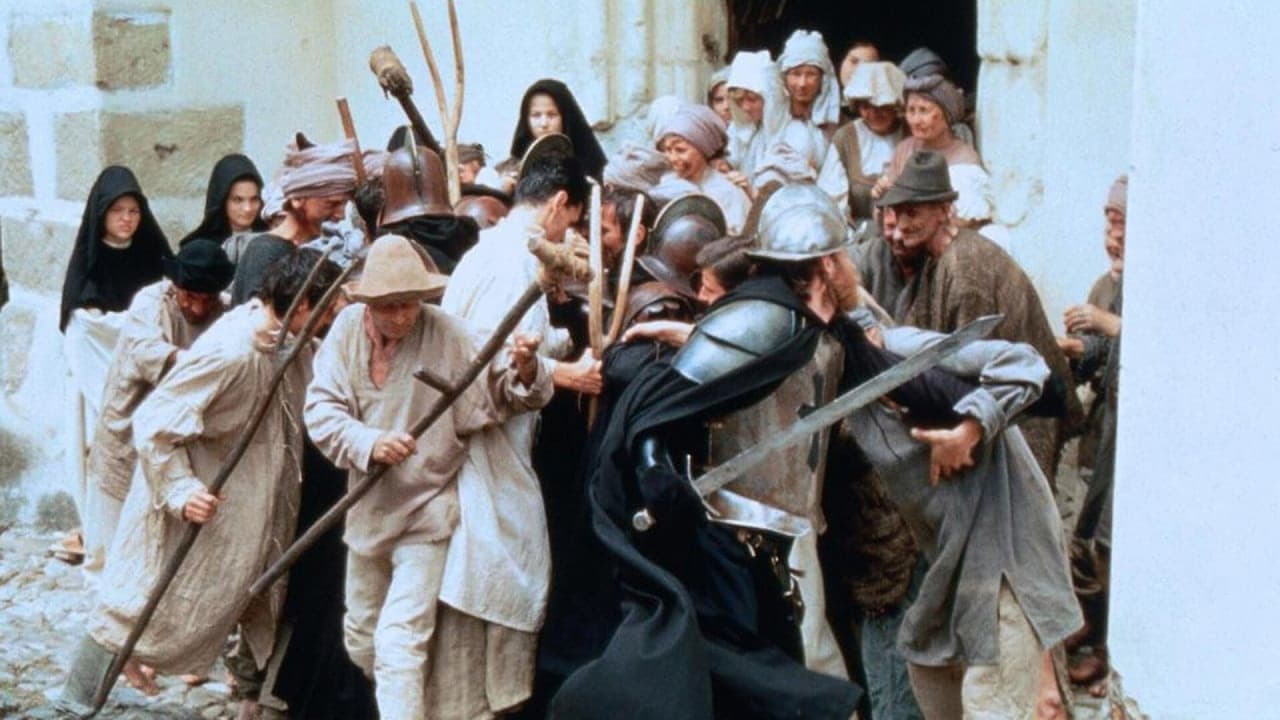
The film doesn't shy away from the expected beats of a biopic: Michel de Nostredame's early life as a physician battling the plague, his clashes with the Inquisition, his rise to prominence in the French court under Catherine de' Medici, and, of course, the visions that would make his name infamous. What sets it apart, or at least tries to, is its somber, almost fatalistic tone. This isn't a swashbuckling adventure through the 16th century; it's a portrayal of a man seemingly cursed with knowledge, wrestling with the implications of what he sees and the danger it brings. The atmosphere is thick with the grime, fear, and superstition of the era – plagues, religious persecution, and political instability form a grim backdrop to Nostradamus's personal journey.
A Seer's Burden
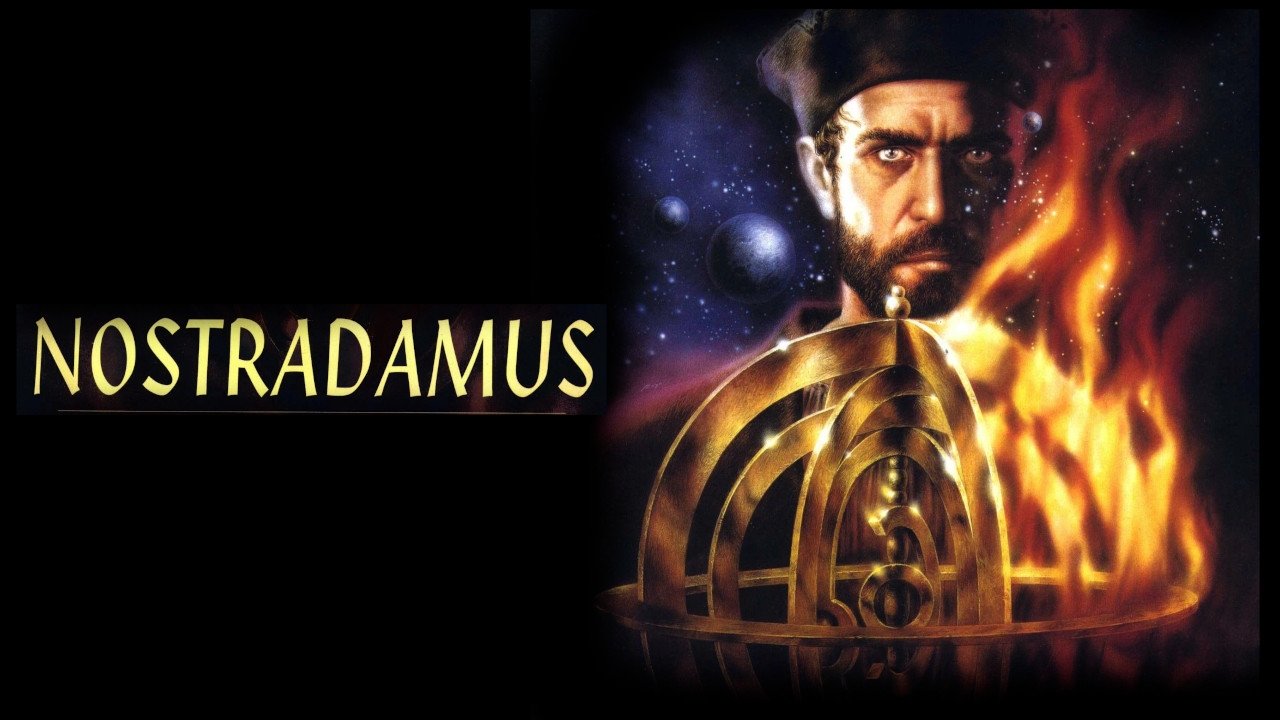
At the heart of the film lies the performance of Tchéky Karyo as Nostradamus. Karyo, a magnetic French actor perhaps best known to international audiences for roles like the villain in La Femme Nikita (1990) or later in The Patriot (2000), imbues the seer with a brooding intensity. He effectively conveys the weight of Nostradamus's visions – the physical toll, the intellectual curiosity warring with spiritual doubt, the isolation of knowing too much. It’s a compelling anchor for the film, capturing a sense of weariness and profound responsibility. Does his interpretation fully capture the historical figure? That's debatable, given how little we truly know, but Karyo makes Nostradamus feel undeniably human, flawed, and haunted.
Supporting him are actors who bring their own considerable presence. F. Murray Abraham, already legendary following his Oscar win for Amadeus (1984), appears as Julius Caesar Scaliger, an intellectual rival. Abraham lends immediate gravitas, embodying the skepticism and academic rigor that challenged Nostradamus. And then there's Rutger Hauer, in a smaller but memorable role as a mysterious monk who seems to understand the prophetic path. Even in brief appearances, Hauer, forever iconic after Blade Runner (1982) and The Hitcher (1986), possessed an almost otherworldly quality that fits perfectly here, adding a layer of mystical intrigue.
Crafting the 16th Century on a 90s Budget
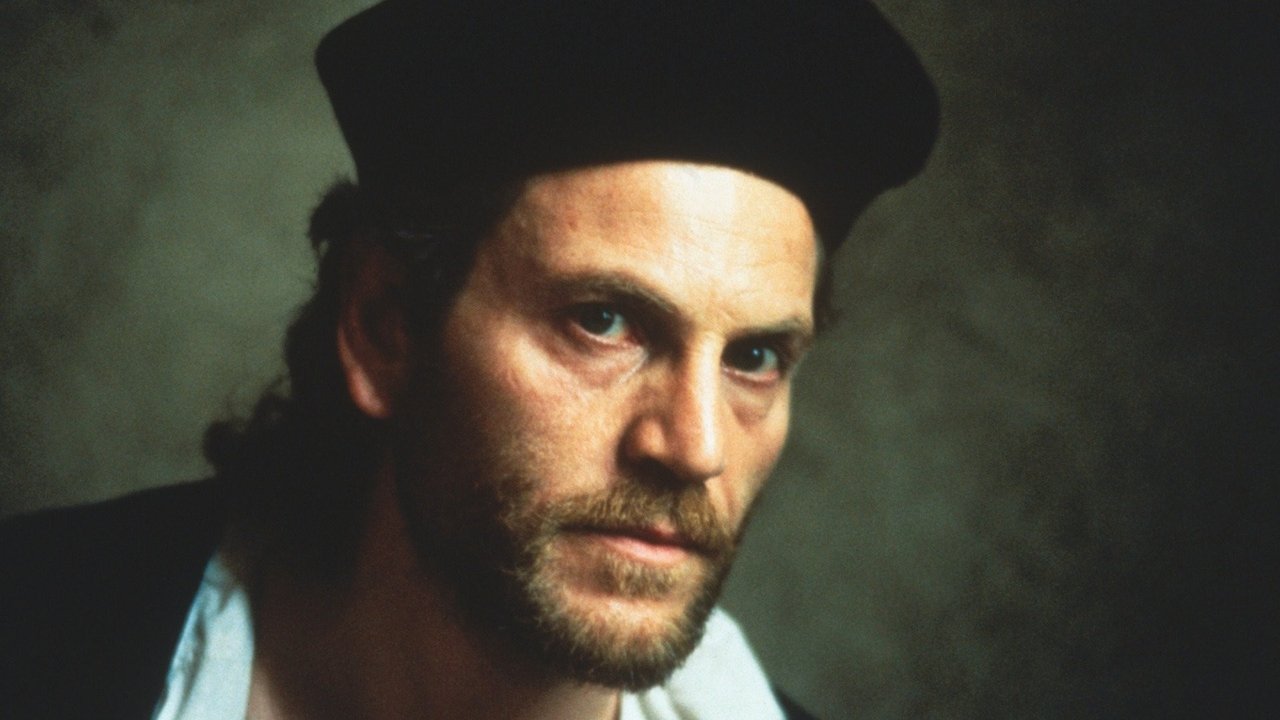
Director Roger Christian came to this project with an interesting pedigree. While he later directed the infamous Battlefield Earth (2000), his earlier work included winning an Oscar for set decoration on the original Star Wars (1977) and directing the atmospheric short Black Angel (1980). Nostradamus feels like a passion project, an attempt at a sweeping historical epic realized through a European co-production lens. Filmed primarily in Romania and France, it strives for authenticity in its locations and a certain gritty realism in its depiction of the period. You can see the ambition on screen – the crowded streets, the opulent courts, the plague-ridden villages.
However, one sometimes senses the constraints. While the production design is often effective, there are moments where the scale feels slightly limited, perhaps betraying a budget that couldn't quite match the vastness of the story being told. This wasn't a Hollywood mega-production, and occasionally it shows. Yet, there's an earnestness to the craft that's appealing. Christian aims for a serious, considered portrayal, avoiding sensationalism where possible, focusing instead on the psychological and historical context. The film feels like a product of its time – a pre-CGI historical drama relying on practical sets, costumes, and atmosphere, something increasingly rare today. I remember finding a copy at Blockbuster, nestled between bigger Hollywood titles, drawn in by the promise of history and mystery. It felt like a substantial, slightly formidable rental choice.
Prophecies on Page and Screen
Adapting Nostradamus's life and famously cryptic quatrains is inherently challenging. The screenplay, credited to Knut Boeser, Piers Ashworth, and Christian himself, makes choices about which historical events and prophecies to highlight. It attempts to link specific verses to events within Nostradamus's lifetime or the near future, offering interpretations that ground the prophecies within the narrative. This approach provides structure but inevitably involves speculation. Did the film perhaps lean too heavily on presenting the prophecies as straightforwardly accurate? It’s a fine line to walk between historical biography and hagiography.
The film didn't exactly set the world on fire upon release. Critically, it received a mixed reception, often praised for its ambition and Karyo's performance but sometimes criticized for its pacing or perceived historical liberties. It found a longer life on VHS and later DVD, becoming one of those titles you might discover years later, intrigued by the enduring legend of its subject. It certainly feels like a film made for an audience willing to engage with history and ideas, rather than seeking pure entertainment.
Final Thoughts: A Flawed but Fascinating Relic
Watching Nostradamus today evokes a specific kind of nostalgia – not just for the VHS era, but for a certain type of earnest, mid-budget historical drama that feels less common now. It’s a film that takes its subject seriously, perhaps to a fault, occasionally bogging down in its own somber weight. Karyo’s central performance remains a strong point, and the attempt to recreate the atmosphere of 16th-century France is commendable, even with visible limitations. It doesn’t fully unlock the mysteries of the man or his prophecies – how could it? – but it offers a thoughtful, atmospheric interpretation.
Rating: 6/10
Justification: The film earns points for its ambitious scope, Tchéky Karyo's compelling lead performance, the effective supporting cast (Abraham, Hauer), and its often convincing period atmosphere. However, it loses points for occasionally uneven pacing, moments where budget constraints seem apparent, and an approach that, while earnest, sometimes feels a little too ponderous or historically selective. It's a respectable effort, but not quite the definitive cinematic statement on its subject.
Lingering Question: More than just a historical figure, Nostradamus represents our enduring fascination with the unknown future. Does watching this film now, knowing all that has happened since 1994, change how we view its depiction of prophecy and uncertainty? It remains a curious artifact, a serious-minded journey back not just to the 16th century, but to the specific feel of 90s historical filmmaking.