The NeverEnding Story III
Okay, fellow tape travellers, let’s dim the lights, maybe grab a soda that’s long since lost its fizz, and rewind to a corner of the video store shelf that perhaps held… mixed memories. You knew The NeverEnding Story. Its magic was undeniable, a worn-out tape testament to countless viewings. You might even have ventured into The Next Chapter. But then there was the third one, The NeverEnding Story III, appearing in 1994, beckoning with familiar characters but feeling distinctly… different. It promised a return to Fantastica, but somehow ended up feeling more like a strange detour through mid-90s suburbia.
A Different Kind of Fantastica
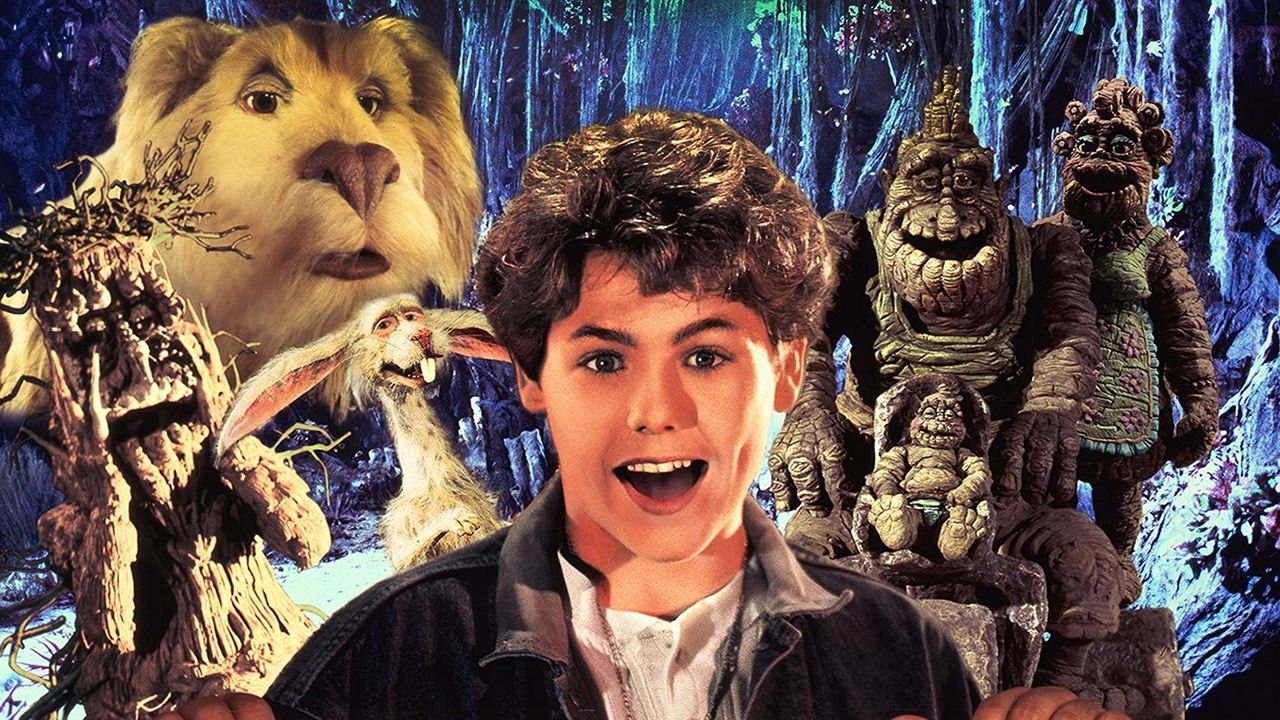
Picking up the story, we find Bastian Balthazar Bux – now played by Jason James Richter, fresh off his heartwarming success in Free Willy (1993) – dealing with a new school, a new stepsister Nicole (Melody Kay), and the general angst of teenage life. Naturally, the pull of his favourite book is too strong to resist. But this time, things go sideways fast. A gang of leather-clad troublemakers called the Nasties, led by the sneering Slip, steal the Auryn and use its wish-granting power to wreak havoc not just in Fantastica, but back on Earth. It’s a premise that immediately signals a shift: the existential threat of the Nothing or the manipulative darkness of Xayide is replaced by… well, bullies. Literal schoolyard bullies elevated to Fantastican villains.
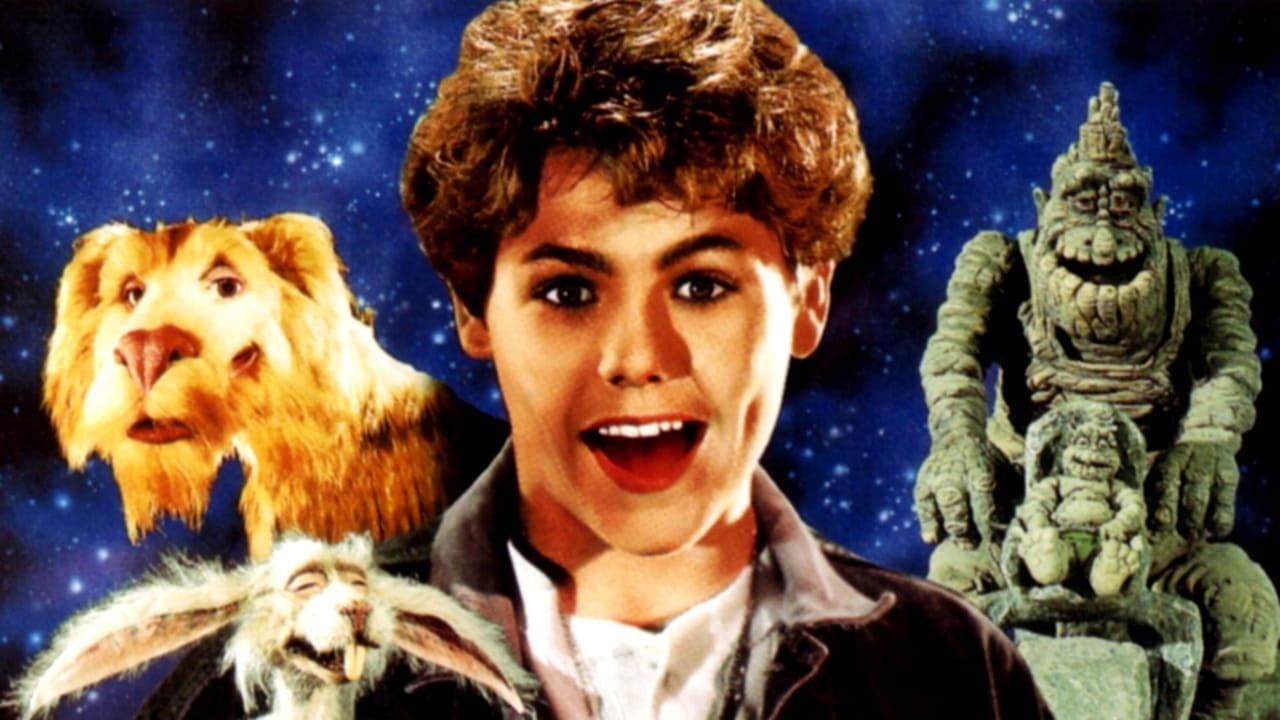
Directed by Peter MacDonald, whose background includes helming Rambo III (1988) and significant second-unit direction on action epics like The Empire Strikes Back (1980) and Tim Burton's Batman (1989), the film certainly has a different energy. Gone is much of the dreamlike, ethereal quality Wolfgang Petersen captured in the original. Instead, The NeverEnding Story III leans heavily into slapstick comedy and fish-out-of-water antics as beloved Fantastican characters like Falkor, Engywook and Urgl, and even Rock Biter (now with a bizarrely mobile baby Rock Chewer in tow) find themselves navigating shopping malls and suburban homes.
Creatures Comforts (or Discomforts?)
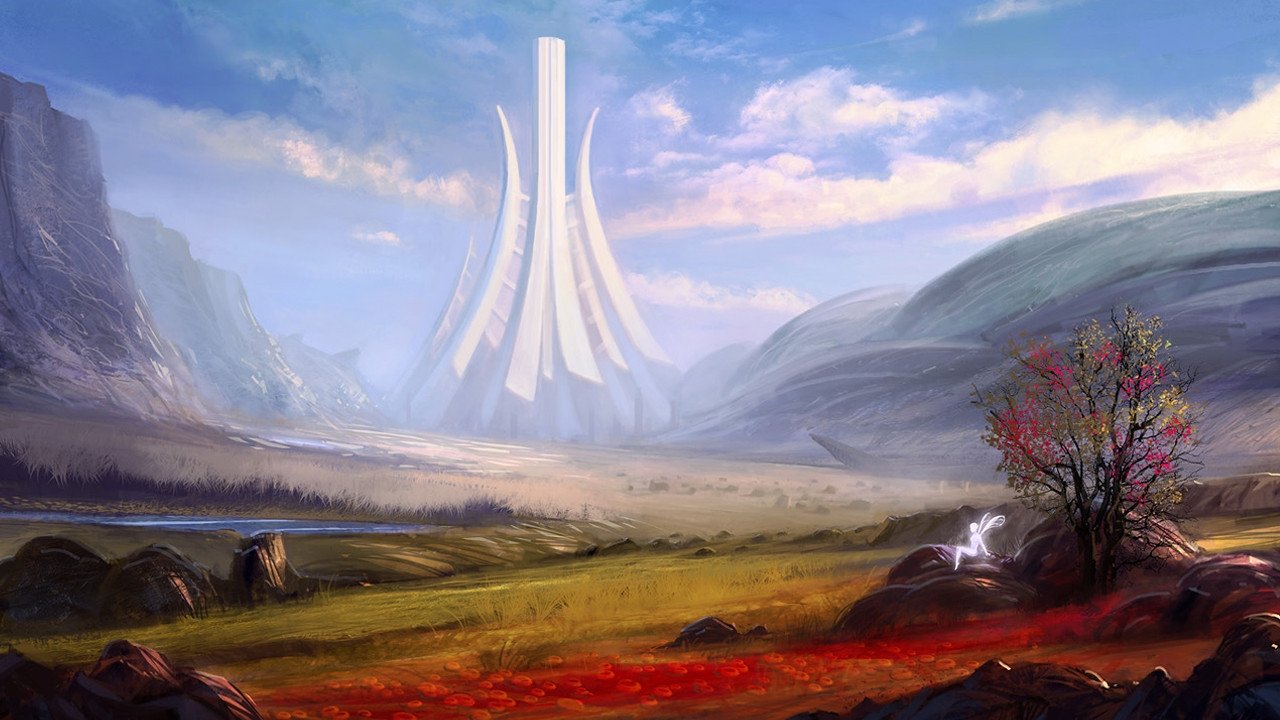
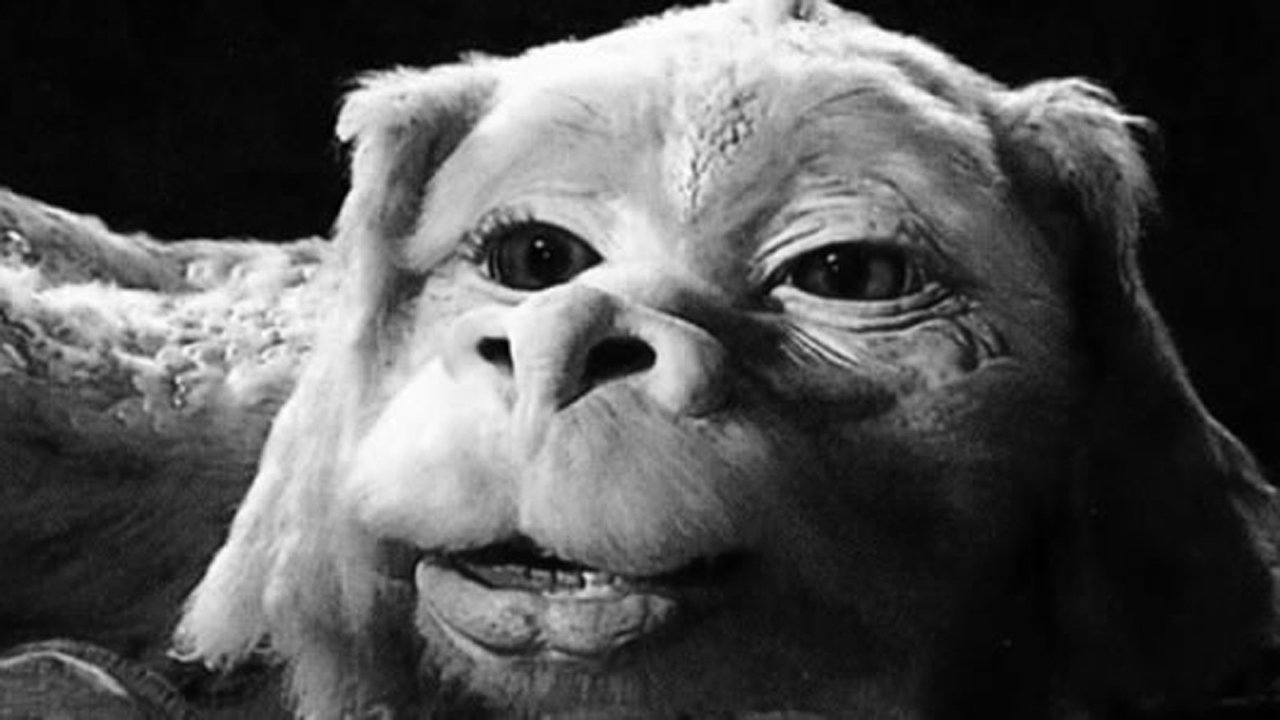
Let's talk puppets. The practical creature effects were a huge part of the first film's charm. Here, they return, but something feels… off. Falkor seems a bit less majestic, perhaps a touch more Muppet-like. Rock Biter’s design is similar, but the integration and movement occasionally dip into uncanny valley territory, especially with the addition of Junior. While the effort to keep these characters tangible in a pre-CG dominance era is appreciated, the execution sometimes lacks the weight and wonder of their earlier appearances. It feels symptomatic of a film perhaps working with fewer resources or a different artistic vision – aiming for broad comedy rather than mythical awe. The budget figures for NES III are elusive, unlike the original's hefty $27 million (a huge sum for a German film then), but the visual results suggest a more constrained production.
One fascinating "Retro Fun Fact" is the filming location. While partly shot in Germany like its predecessors, significant portions were also filmed in Vancouver, Canada, which might contribute to that slightly different visual texture compared to the Bavarian landscapes that defined the original Fantastica.
Enter the Nasties (and a Pre-Fame Jack Black)
The film's most discussed element now is undoubtedly the villains. The Nasties are less a force of nature and more like rejects from a bizarre 90s kids' show. Their motivations are simplistic (they're just… nasty), and their methods involve cartoonish mayhem rather than genuine menace. However, leading the charge is Slip, portrayed by a very young, very energetic Jack Black. Seeing the future comedy rock god here, years before Tenacious D or School of Rock (2003), is a genuine curiosity. He throws himself into the role with gusto, all sneers and exaggerated posturing. It’s not a subtle performance, but it’s undeniably Jack Black, already showcasing that raw, anarchic energy. For fans of his work, his appearance is probably the film's biggest draw, a fascinating glimpse of his early career.
When Worlds Collide (Awkwardly)
The plot hinges on the Fantastica characters trying to retrieve the Auryn on Earth while Bastian and Nicole navigate Fantastica. This leads to scenes like Falkor startling airline pilots, the gnomes attempting domestic chores, and Rock Biter discovering rock music (get it?). Some of these moments aim for charm, but often land as jarringly silly, diluting the magic rather than enhancing it through contrast. The writers, Jeff Lieberman (known for cult horrors like Squirm and Blue Sunshine) and Karin Howard, seem to be aiming for a lighter, more accessible adventure, perhaps targeting a younger audience directly, but the blend of worlds feels clumsy. The heart and thematic depth that Michael Ende's novel (or at least the first film's interpretation of it) possessed feels largely absent, replaced by episodic, often nonsensical gags.
Even the music, composed by Peter Wolf (not the J. Geils Band frontman!), lacks the iconic, soaring quality of the Klaus Doldinger/Giorgio Moroder score from the original. It serves the scenes adequately but rarely elevates them or captures that sense of boundless imagination.
A Curious Chapter, Best Left on the Shelf?
Let's be honest, pulling this tape off the shelf today evokes a different kind of nostalgia than the first film. It’s not the warm embrace of a timeless classic, but more like finding a weird, half-forgotten B-side. The NeverEnding Story III was met with largely negative reviews upon release (it currently sits at a frosty reception on sites like Rotten Tomatoes and IMDb) and didn't make much of a splash at the box office. It felt like a franchise running on fumes, straying too far from its magical source material.
Is it completely without merit? For hardcore Jack Black enthusiasts, it’s a must-see piece of juvenilia. For those who grew up in the 90s, there might be a strange, almost anthropological interest in its specific brand of awkwardness, its very particular aesthetic. And perhaps, for the youngest viewers back then who hadn't yet been enchanted by the original, its simpler, sillier tone might have connected. But viewed through the lens of the series' legacy, it's undeniably the black sheep.
VHS Heaven Rating: 3/10
The rating reflects the film's significant departure in tone, weaker execution compared to the original, less-than-magical effects, and a story that prioritizes goofy antics over genuine wonder. It earns a few points purely for the Jack Black curiosity factor and as a bizarre artifact of 90s children's cinema, but it ultimately fails to capture the spirit of Fantastica.
Think of it as that weird, unexpected sequel you rented once, maybe chuckled at, possibly cringed through, and then promptly returned, reaching instead for the worn-out magic of the original. A strange story, perhaps, but definitely not a neverending one.
You Might Also Enjoy
The NeverEnding Story II: The Next Chapter
1990
All Dogs Go to Heaven
1989
Kiki's Delivery Service
1989
Little Nemo: Adventures in Slumberland
1989
The BFG
1989
DuckTales the Movie: Treasure of the Lost Lamp
1990
The Rescuers Down Under
1990
Doraemon: Nobita's Dorabian Nights
1991
Hook
1991
Rock-A-Doodle
1991
The Cave of the Golden Rose
1991
Aladdin
1992
FernGully: The Last Rainforest
1992
The Cave of the Golden Rose 2
1992