The King of Masks
Sometimes, tucked away on the quieter shelves of the video store, nestled between the action extravaganzas and the teen comedies, you'd find a film that promised something different. A cover that hinted at artistry, not just explosions. The King of Masks (original title: Bian Lian), released in 1995, was one such discovery – a film that unfolds with the quiet grace of a painted scroll, revealing layers of profound human emotion beneath its seemingly simple surface. It wasn't the typical fare blasting from CRT screens back then, but watching it felt like uncovering a hidden piece of cinematic treasure, a story that lingers long after the VCR clicked off.
The Weight of Tradition
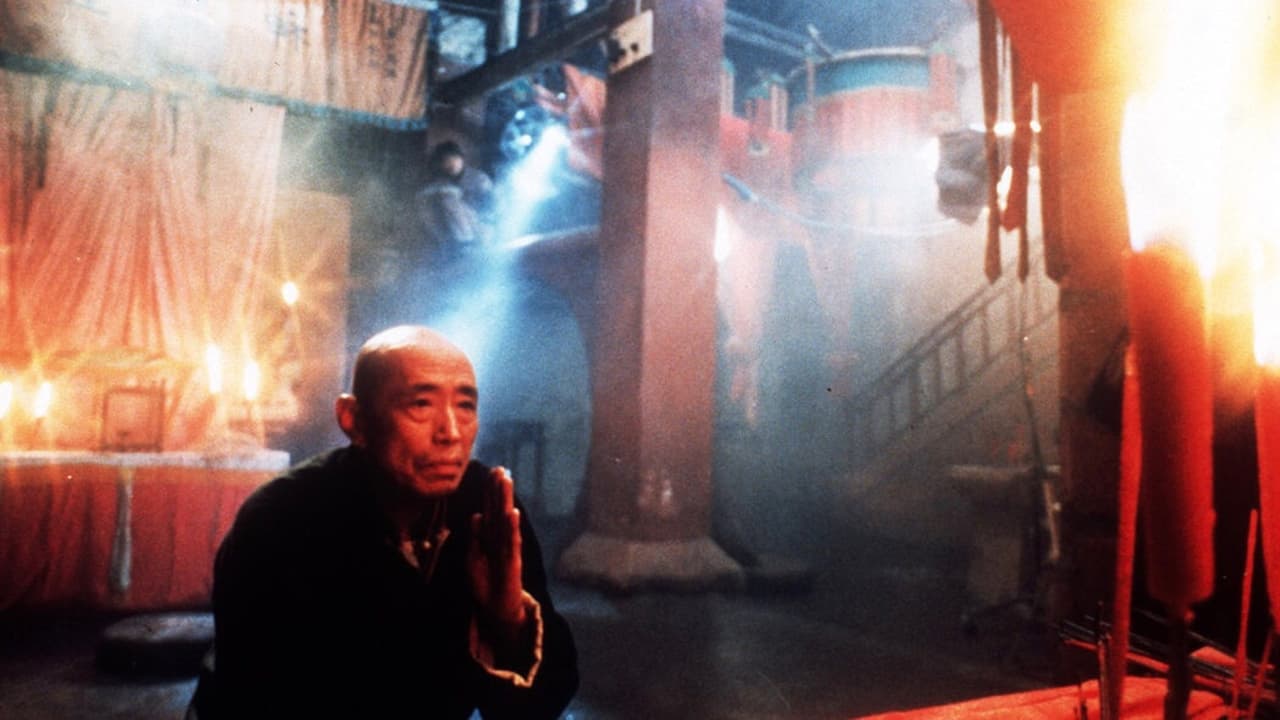
At the heart of the film is Wang Bianlian, the aging "King of Masks," portrayed with unforgettable dignity and nuance by the celebrated stage and screen actor Zhu Xu. Wang is a master of Bian Lian, the astonishingly swift Sichuan opera art of face-changing, a skill shrouded in secrecy and passed down only through the male line. Set against the backdrop of 1930s China, a time of immense social upheaval, Wang’s solitary existence is defined by his art and the desperate need to find a male heir to inherit his legacy before it vanishes forever. His lonely journey aboard his ramshackle boat mirrors the fading tradition he embodies – beautiful, unique, but increasingly isolated in a changing world. You feel the weight of his responsibility, the quiet desperation in his search.
This wasn't just a fictional dilemma. The film’s director, Wu Tianming, was himself a pivotal figure navigating tradition and change in Chinese cinema. Known as a mentor to the "Fifth Generation" filmmakers like Zhang Yimou (Raise the Red Lantern) and Chen Kaige (Farewell My Concubine), Wu had spent time in the US following the Tiananmen Square events of 1989. The King of Masks marked his poignant return to filmmaking in China. Knowing this adds another layer to the film's exploration of heritage and resilience; you can almost feel Wu pouring his own experiences and reflections into Wang's story.
An Unlikely Bond
Wang’s lonely quest leads him to purchase a young child he believes to be a boy, nicknamed "Doggie" (played with astonishing naturalism by newcomer Zhou Renying), hoping to finally secure his artistic lineage. The gradual unfolding of their relationship forms the emotional core of the film. Initially transactional, their bond deepens through shared hardship, unspoken understanding, and the subtle gestures that define genuine connection. Zhu Xu is simply magnificent, conveying a universe of emotion – pride, disappointment, tenderness, frustration – often with just a glance or a subtle shift in posture. His performance feels less like acting and more like inhabiting a soul worn smooth by time and solitude.
The discovery that Doggie is, in fact, a girl throws Wang’s entire world into turmoil, forcing him to confront the rigid traditions he holds so dear. Can he break the sacred rule? What matters more – the preservation of the art form exactly as dictated, or the powerful human connection he’s forged? It's here the film poses questions that resonate far beyond its specific cultural context. What defines family? How do societal expectations shape, and sometimes constrain, our lives? Zhou Renying, as Doggie, is a revelation – capturing the fierce survival instinct, vulnerability, and yearning for belonging that make the character so compelling.
Artistry Beyond the Masks
While the Bian Lian performances themselves are mesmerizing – a dazzling display of skill captured beautifully by the camera – the film's artistry extends far beyond these moments. Wu Tianming directs with a painterly eye, using the misty rivers and bustling marketplaces of Sichuan province not just as a backdrop, but as an integral part of the story's atmosphere. The cinematography often feels like a traditional Chinese landscape painting come to life, emphasizing the natural world's beauty and indifference against the small human dramas playing out within it.
There's a deliberate pacing here, a willingness to let moments breathe, that might have felt slow compared to the rapid-fire editing common in Western films of the era, but it's essential to the film's reflective mood. It allows us to sink into Wang's world, to understand the rhythm of his life and the depth of his internal conflict. The film trusts its audience to connect with the emotional undercurrents, rather than spelling everything out.
A Legacy of Heart
The King of Masks didn't make huge waves commercially in the West, often overshadowed by louder, more easily marketable films. Yet, its impact is undeniable for those who sought it out. It swept major categories at China's Golden Rooster Awards, cementing its status as a significant work of national cinema. For viewers like us, browsing the aisles of "VHS Heaven," it offered something rare: a deeply moving, culturally specific story told with universal emotional honesty. It’s a film about the masks we wear – literal and metaphorical – and the courage it takes to reveal the true face beneath. It explores the tension between preserving the past and embracing the future, the restrictive nature of tradition, and the transcendent power of love and compassion in unexpected places.
Finding this tape felt special back then, like being let in on a secret. It wasn't about spectacle; it was about soul. It reminded you that cinema could be quiet, intimate, and still leave an indelible mark.
Rating: 9/10
This score reflects the film's profound emotional resonance, the powerhouse performances (especially Zhu Xu's masterful turn), its beautiful, atmospheric direction by Wu Tianming, and its thoughtful exploration of complex themes. It earns its place as a near-perfect piece of intimate filmmaking, only missing that final point perhaps due to a pacing that, while deliberate, might occasionally test the patience of viewers accustomed to faster narratives.
Final Thought: The King of Masks is a gentle powerhouse of a film, a poignant reminder that the most intricate performances often hide the deepest truths, both on stage and in life. It’s a treasure that rewards rediscovery, its artistry and heart shining just as brightly now as they did on that flickering CRT screen years ago.