Uncovered
That faint chemical scent of worn plastic mingling with the slightly musty aroma of magnetic tape... settling into the couch as the tracking adjusted on screen... some films just feel intrinsically tied to that whole ritual. And digging out Uncovered from 1995 feels exactly like uncovering one of those slightly forgotten titles from the back shelves of the video store, the kind whose intriguing cover art promised something a little different, a little more thoughtful than the usual blockbuster fare. It wasn't screaming for attention, but it whispered of secrets held within old canvases and the quiet intensity of obsession.
Whispers from the Varnish
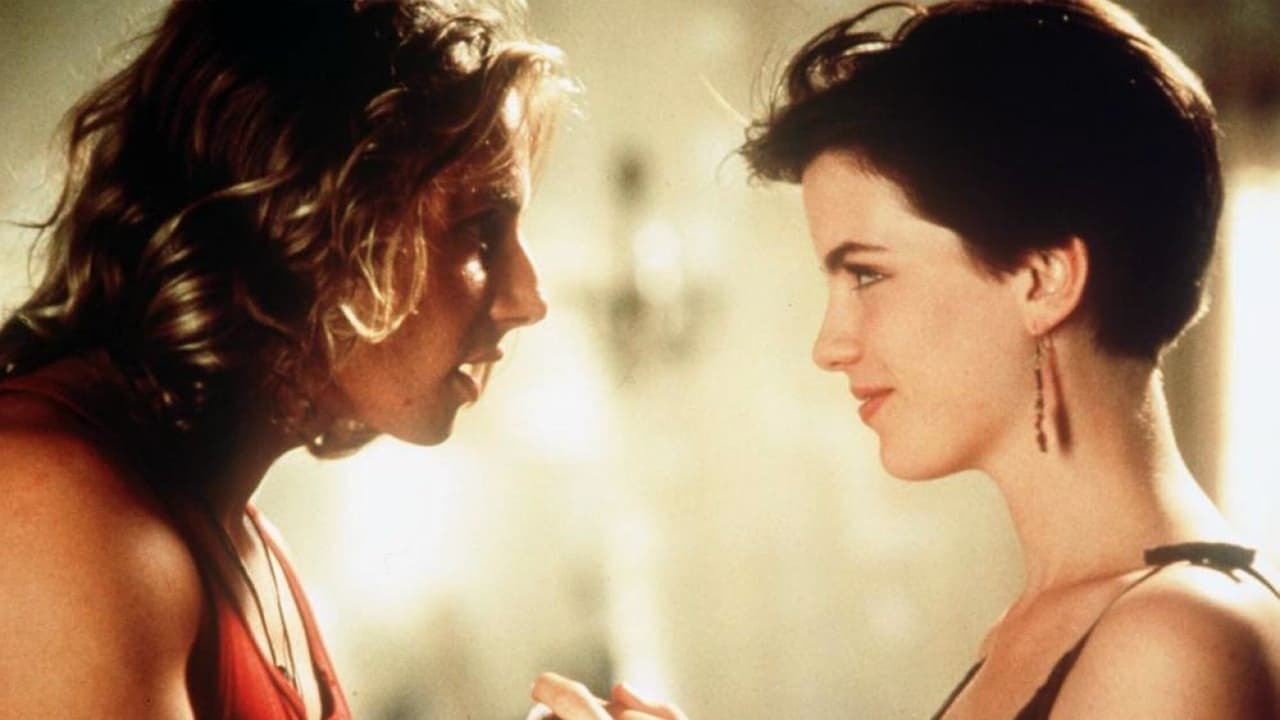
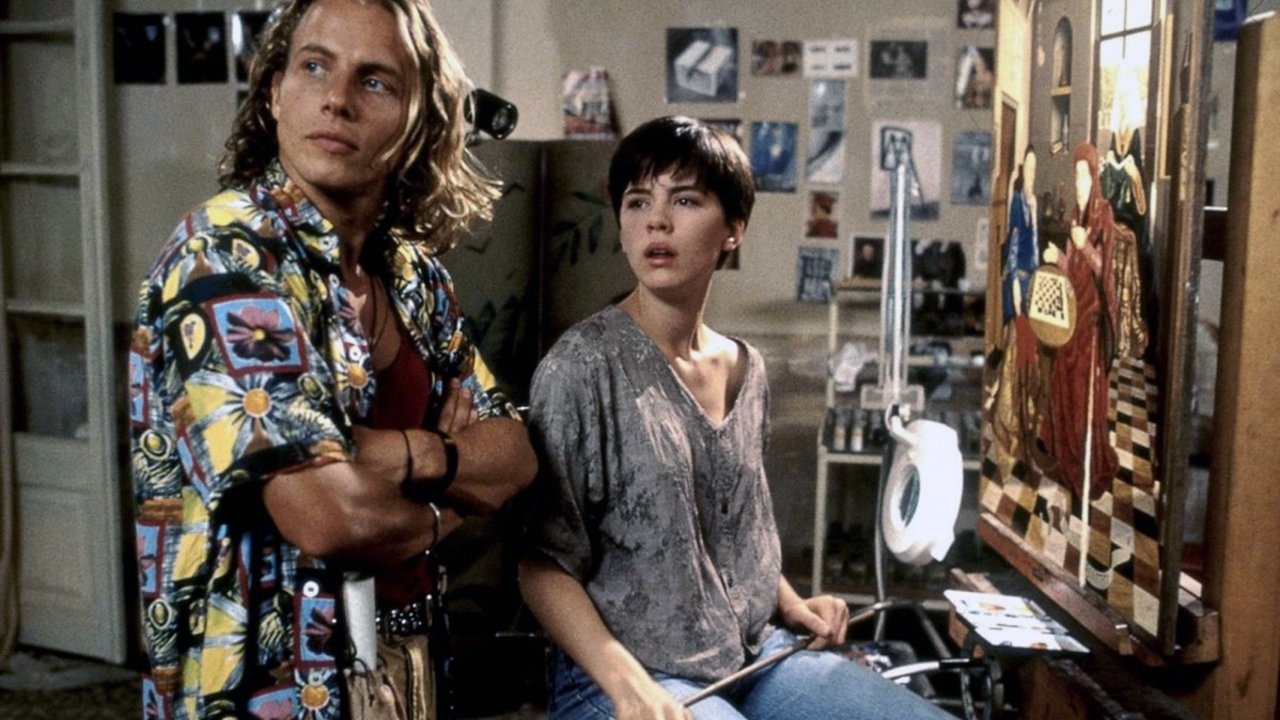
What immediately pulls you into Uncovered isn't a car chase or an explosion, but something far quieter and, in its way, more potent: a hidden inscription. Julia (Kate Beckinsale), a young, meticulous art restorer in Barcelona, is working on a 15th-century Flemish masterpiece, "The Game of Chess." While cleaning centuries of grime, she finds beneath the paint layers the Latin phrase Quis Necavit Equitem – "Who killed the knight?" It’s a tantalizing hook, transforming a routine restoration into a historical cold case embedded within the artwork itself, depicting nobles locked in a seemingly innocent chess match. This discovery sets in motion a plot that cleverly attempts to weave together art history, deductive reasoning, and a mounting sense of present-day danger. The film is based on the compelling novel The Flanders Panel by Spanish author Arturo Pérez-Reverte, known for his intelligent, intricate thrillers, and you can feel that literary DNA trying to assert itself on screen.
A Cerebral Game Unfolds
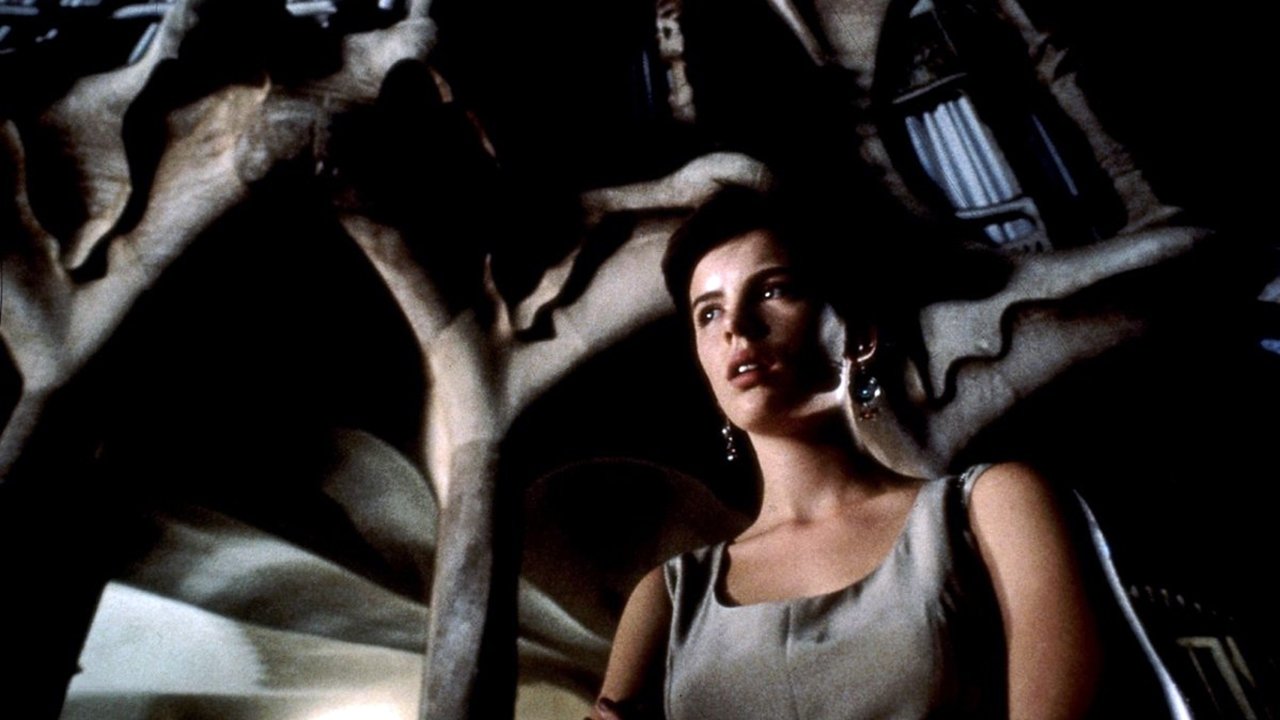
The core concept is undeniably fascinating. The painting isn't just a backdrop; it's the key, the map, and potentially, the murder weapon. As Julia delves deeper, consulting with the eccentric, aging chess master César (John Wood) and the painting's aloof owner Menchu (Sinéad Cusack), she realizes the chess game depicted mirrors not just the 500-year-old mystery, but also a series of ominous events unfolding around her. People connected to the painting begin to meet untimely ends, their deaths echoing the pieces captured on the painted board. It's a premise that requires a certain suspension of disbelief, perhaps, but the allure lies in its intellectual puzzle-box nature. Director Jim McBride, who gave us the sultry Southern noir of The Big Easy (1986), brings a certain European sensibility here, aiming for atmosphere over action. The pacing is deliberate, allowing the mystery to breathe, focusing on Julia's methodical investigation rather than frantic set pieces. Does it always succeed in maintaining tension? Perhaps not quite, but the commitment to its central conceit is admirable.
Beckinsale Before the Blockbusters
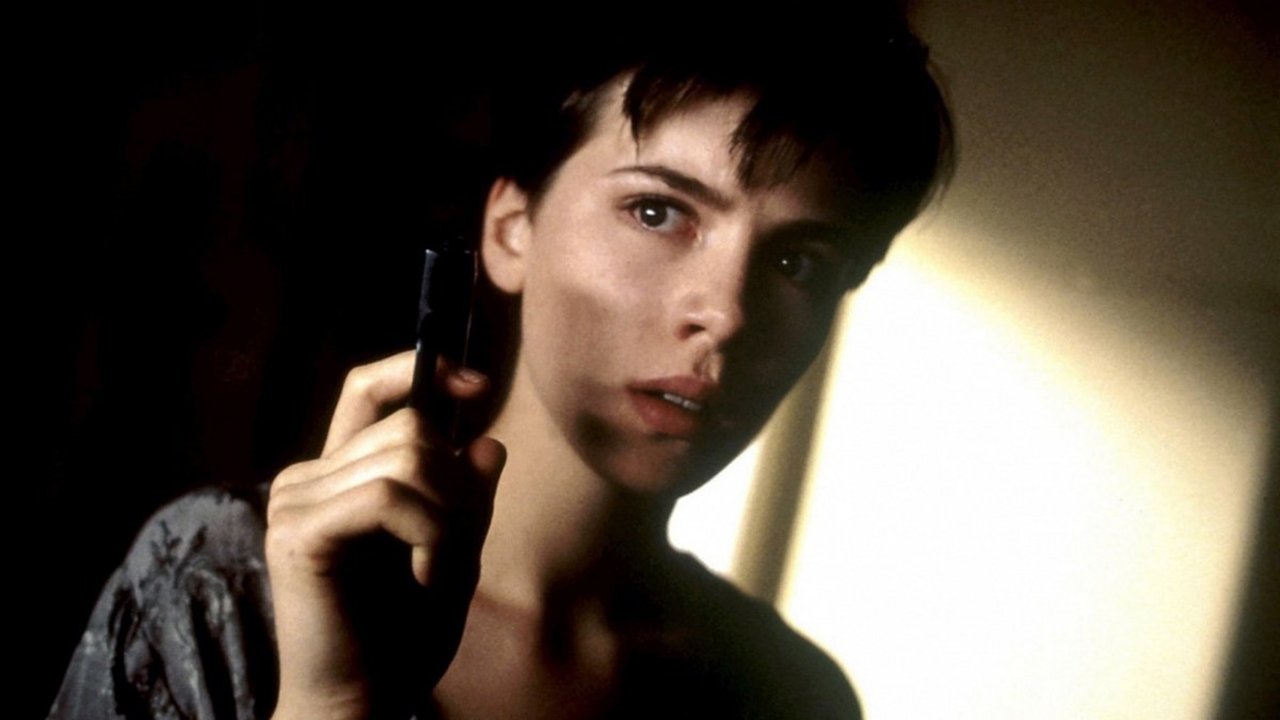
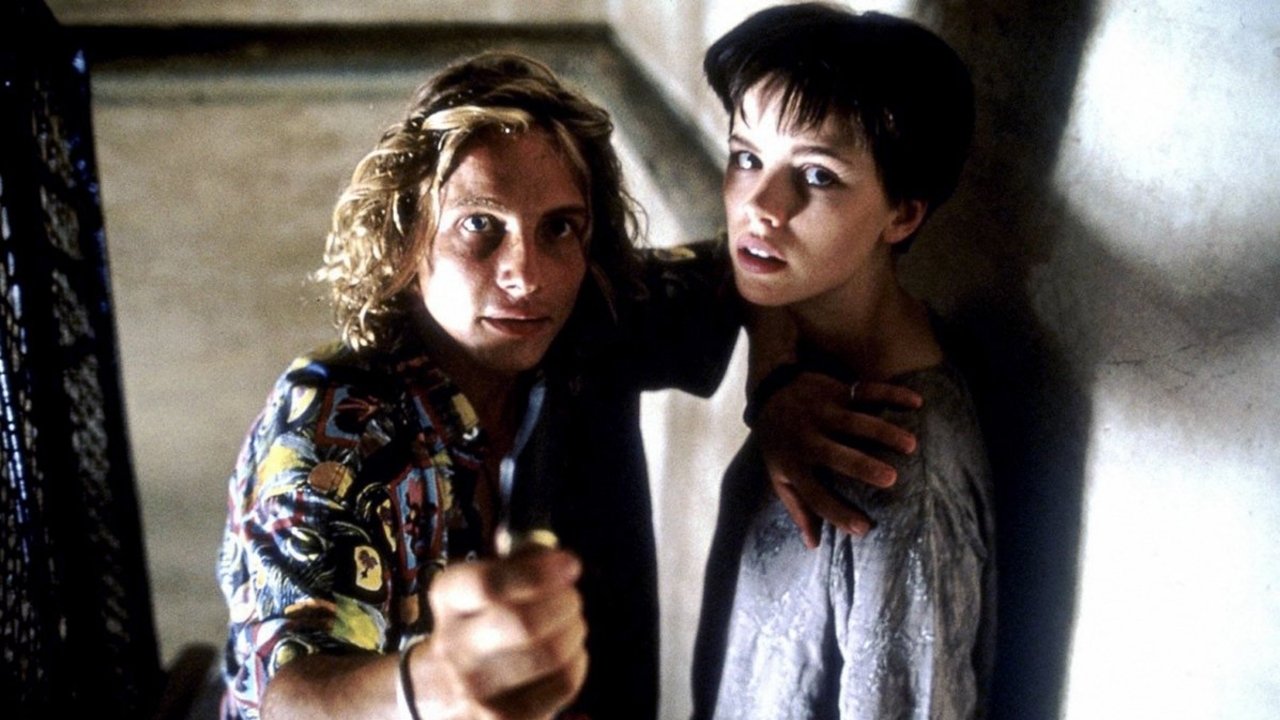
Watching Uncovered now offers a fascinating glimpse of Kate Beckinsale early in her career, years before she became synonymous with action franchises like Underworld (2003). Here, she embodies Julia with a quiet intelligence and believable vulnerability. You see the gears turning as she pieces together clues, the initial academic curiosity slowly morphing into genuine fear as the stakes become terrifyingly real. It’s a performance grounded in thoughtfulness rather than overt physicality, and she carries the film convincingly, providing a relatable anchor amidst the somewhat convoluted plot machinations. Opposite her, the late, great John Wood is perfectly cast as César, the wise, slightly detached chess guru who helps decipher the painting's deadly game. His performance adds a necessary touch of gravitas and intellectual weight. Sinéad Cusack brings an enigmatic quality to Menchu, hinting at secrets held just beneath her sophisticated exterior.
Behind the Canvas
Filmed largely on location in Barcelona, Uncovered (also known under its Spanish title La Tabla de Flandes) certainly benefits from the authentic setting, lending the proceedings a sense of place and history that enhances the mystery. Adapting Pérez-Reverte's detailed novel, known for its complex historical layers and chess theory, was likely no small feat. Screenwriters Michael Hirst (who would later find huge success writing historical dramas like Elizabeth (1998) and TV's Vikings), Jim McBride, and Jack Baran streamline the narrative, inevitably losing some of the novel's density but aiming for a more cinematically paced thriller. While not a box office smash, finding this on VHS felt like discovering a niche pleasure – a thriller that demanded you engage your brain alongside your nerves. It’s the kind of mid-budget, adult-oriented mystery that seemed more common in the 90s, before the market became quite so dominated by tentpoles.
Does the Endgame Satisfy?
While the premise is strong and the performances engaging, Uncovered isn't without its flaws. The plot, particularly towards the climax, can feel a touch contrived, relying on characters making connections or taking actions that stretch credulity somewhat. The intertwining of the 15th-century murder mystery with the present-day killings occasionally feels less like a seamless weave and more like two threads running parallel, sometimes tangling awkwardly. The ultimate reveal might not land with the shocking impact the setup promises, feeling perhaps a little rushed or convenient after the careful build-up. Yet, despite these bumps, there's an undeniable charm to its ambition. It respects its audience's intelligence, offering a puzzle wrapped in history and art, delivered with a moody, European flair.
Rating: 6.5/10
This score reflects a film brimming with intriguing ideas and featuring a compelling early lead performance, let down slightly by a somewhat uneven execution of its complex plot. It doesn't quite reach the heights of the best 90s thrillers, but its unique blend of art history, chess strategy, and murder mystery makes it far more interesting than many blander offerings from the era. It might require a bit of patience, and perhaps a forgiving eye for some narrative leaps, but the central mystery is captivating enough to hold your attention.
Uncovered remains a worthwhile discovery for fans seeking something beyond the standard VHS fare – a thinking person's thriller that, much like the hidden message in its central painting, rewards a closer look. It lingers not as a pulse-pounding shocker, but as a curious artifact, a reminder of a time when mysteries could unfold at the deliberate pace of a well-played chess match.