Bed of Roses
Okay, pull up a comfy chair, maybe pour yourself something warm. Let's talk about a film that feels like a quiet conversation whispered amidst the often louder cinematic landscape of the mid-90s: Michael Goldenberg's 1996 romance, Bed of Roses. It arrived on VHS shelves not with a bang, but with the gentle rustle of petals, offering something softer, perhaps more introspective, than many might have expected, especially starring Christian Slater at the height of his cool, slightly dangerous persona.
A Bloom in the Concrete Jungle
The film opens not on roses, but on the meticulously ordered, emotionally sterile world of Lisa Walker, played with a compelling, brittle guardedness by Mary Stuart Masterson. Lisa's a high-powered investment banker in New York City, successful by every external measure, yet clearly haunted by a past that keeps her heart under lock and key. I remember watching Masterson, who we knew from vibrant roles in films like Some Kind of Wonderful (1987) and Fried Green Tomatoes (1991), embody this contained sorrow so effectively. Her isolation feels palpable, a deliberate construction against further pain.
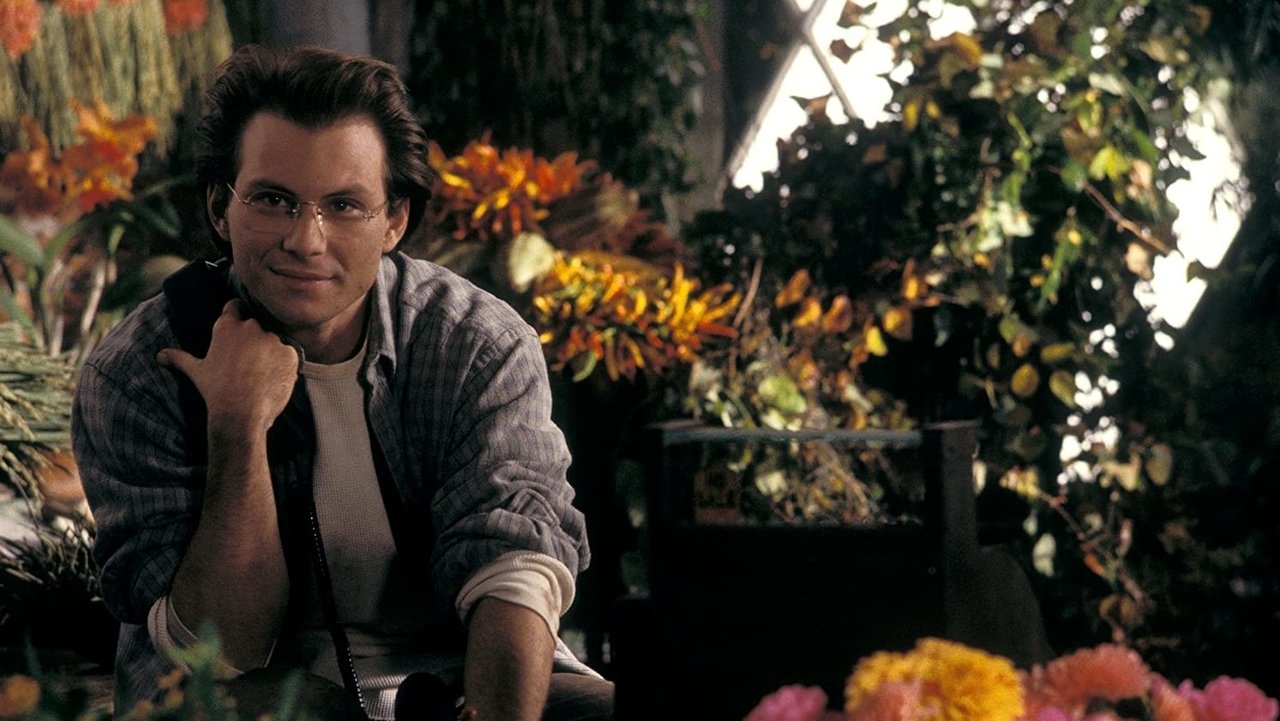
Then, one day, the unexpected happens. A stunning bouquet arrives at her office, anonymously. This isn't just a plot device; it’s the catalyst, the crack in the armor. The sender, we soon learn, is Lewis Farrell (Christian Slater), a florist who runs a charmingly cluttered neighborhood shop. He reveals he saw Lisa grieving alone one night through her apartment window and felt compelled to reach out. It's a premise that teeters on the edge of creepy, doesn't it? Yet, somehow, the film, and Slater's performance, steer it towards gentle romanticism.

Not Your Typical Slater
And let's talk about Christian Slater here. Fresh off edgier roles in True Romance (1993) and Interview with the Vampire (1994), seeing him as the soft-spoken, almost magically devoted Lewis was certainly a shift. He reportedly took a significant pay cut specifically because he wanted to tackle a different kind of character, moving away from the rebellious figures he was known for. Lewis is all quiet understanding, patience, and, well, flowers. He doesn't just sell them; he seems to understand their language, using them as his primary mode of expression. Is he too perfect? That’s a question the film allows to linger. His unwavering devotion feels almost like a fairytale construct dropped into Lisa's very real pain. Does this idealized love offer healing, or is it another kind of escape?
Cultivating Connection Amidst the Thorns

What elevates Bed of Roses beyond simple sentimentality is its willingness to sit with Lisa's trauma. It doesn't shy away from the fact that healing isn't linear and trust isn't easily won. Masterson truly anchors the film, conveying the internal struggle – the flicker of hope warring with the ingrained fear of vulnerability. There's a scene where Lewis fills her apartment rooftop with flowers overnight; it's a grand romantic gesture, almost absurdly so, yet Masterson's reaction grounds it in emotional reality. You see the awe, but also the terror of letting someone get that close. It's a testament to Goldenberg's script (his first, before penning weightier fare like Contact (1997) and adapting Harry Potter and the Order of the Phoenix (2007)) that it prioritizes Lisa's emotional journey. Even Mary Stuart Masterson herself apparently had reservations about the script's more fairytale-like elements initially, wanting to ensure Lisa's difficult past wasn't glossed over.
Supporting them is the always welcome Pamela Adlon (credited then as Pamela Segall), playing Lisa's best friend and colleague, Kim. She provides not just comic relief, but a vital anchor to reality, often voicing the audience's own skepticism about the mysterious florist while remaining fiercely loyal to Lisa.
The Quiet Craft of Romance
As a directorial debut for Goldenberg, Bed of Roses shows a surprisingly steady hand, particularly in establishing its gentle, specific mood. The film looks beautiful, contrasting the cold glass and steel of Lisa's corporate world with the warm, vibrant chaos of Lewis's flower shop. Cinematographer Adam Kimmel finds a soft beauty in the New York City locations, making even the urban landscape feel potentially romantic. And keeping those flowers looking perfect under hot studio lights? That was apparently a constant logistical challenge for the production crew, requiring endless replacements to maintain the illusion of perpetual bloom.
The score by Michael Convertino, too, deserves mention. It’s lush and emotive without being overbearing, perfectly complementing the film's quiet sensitivity. It all contributes to an atmosphere that feels distinctly mid-90s – sincere, perhaps a touch naive by today's standards, but deeply felt. This wasn't a film aiming for edgy relevance; it aimed for the heart, even if its pacing sometimes felt as deliberate as a slowly opening rose. Critically, it received a mixed reception at the time, and its modest box office returns (around $19 million worldwide on a $15 million budget) suggest it found its audience more quietly, perhaps on those very VHS tapes we remember renting.
Blooming on the Small Screen
Watching Bed of Roses today evokes a certain kind of nostalgia. It’s a reminder of a time when mainstream romance could be this quiet, this focused on internal emotional landscapes without needing layers of irony or frantic comedic set pieces. It feels earnest, perhaps even a little old-fashioned, but its central performances remain deeply affecting. Masterson’s portrayal of guarded hope and Slater’s gentle counter-programming create a compelling core.
It doesn't try to solve the complexities of grief and love with easy answers. Instead, it suggests that connection, even flawed or seemingly improbable connection, holds the possibility of healing. It asks us to consider if vulnerability, however terrifying, is the necessary soil for love to grow.
Rating: 7/10
This score reflects the film's genuine heart, strong central performances, and beautiful atmosphere, acknowledging its somewhat slow pace and idealized portrayal of romance might not resonate with everyone. Masterson's performance elevates the material significantly, and Slater's against-type casting is intriguing. It successfully captures a specific, gentle mood that feels both of its time and quietly timeless. For those seeking a thoughtful, character-driven 90s romance that prioritizes emotional depth over grand drama, Bed of Roses remains a tender, if perhaps slightly thorny, viewing experience.
It leaves you pondering not grand gestures, but the quiet courage it takes to simply let someone in. And sometimes, isn't that the most romantic notion of all?