There's a certain kind of heat that radiates from the screen in Tran Anh Hung's Cyclo (1996), a damp, oppressive warmth that feels less like sunshine and more like the engine exhaust and simmering desperation of Ho Chi Minh City. It’s a film that doesn’t just depict urban struggle; it immerses you in its sensory overload – the relentless noise, the jostling crowds, the sudden downpours washing grime across pavement, only to leave behind a different kind of stain. Watching it again after all these years, it feels less like revisiting a movie and more like descending back into a fever dream I first encountered on a grainy rental tape, a stark contrast to the usual action fare stacked on the shelves back then.
The Streets Have No Mercy
Our entry point is an 18-year-old (Le Van Loc) known only by his profession: Cyclo. He pedals his bicycle rickshaw through the chaotic streets, earning pennies to support his family after his father's death. His existence is precarious, balanced on the thin wheels of his borrowed vehicle. When that cyclo is stolen, plunging his family into debt with the formidable Madam (Nguyen Nhu Quynh), he's offered a horrifying path to repayment: entry into the city's criminal underworld. It’s a simple setup, almost primal, kicking off a narrative that spirals downwards with the grim inevitability of a whirlpool.
Tran Anh Hung, who had already captivated audiences with the lush visuals of The Scent of Green Papaya (1993), employs a similar painterly eye here, but juxtaposes beauty with brutality in a way that’s deeply unsettling. There are moments of startling visual poetry – rain-slicked streets reflecting neon signs, intimate close-ups capturing fleeting expressions – set against acts of violence and degradation that are unflinching, almost clinical. It’s a deliberate choice, forcing us to confront the coexistence of grace and horror within this specific urban ecosystem. The film famously won the Golden Lion at the 1995 Venice Film Festival, a testament to its artistic power, even if its visceral content proved challenging for some audiences and reportedly faced hurdles with censors back in Vietnam.

Whispers of the Poet
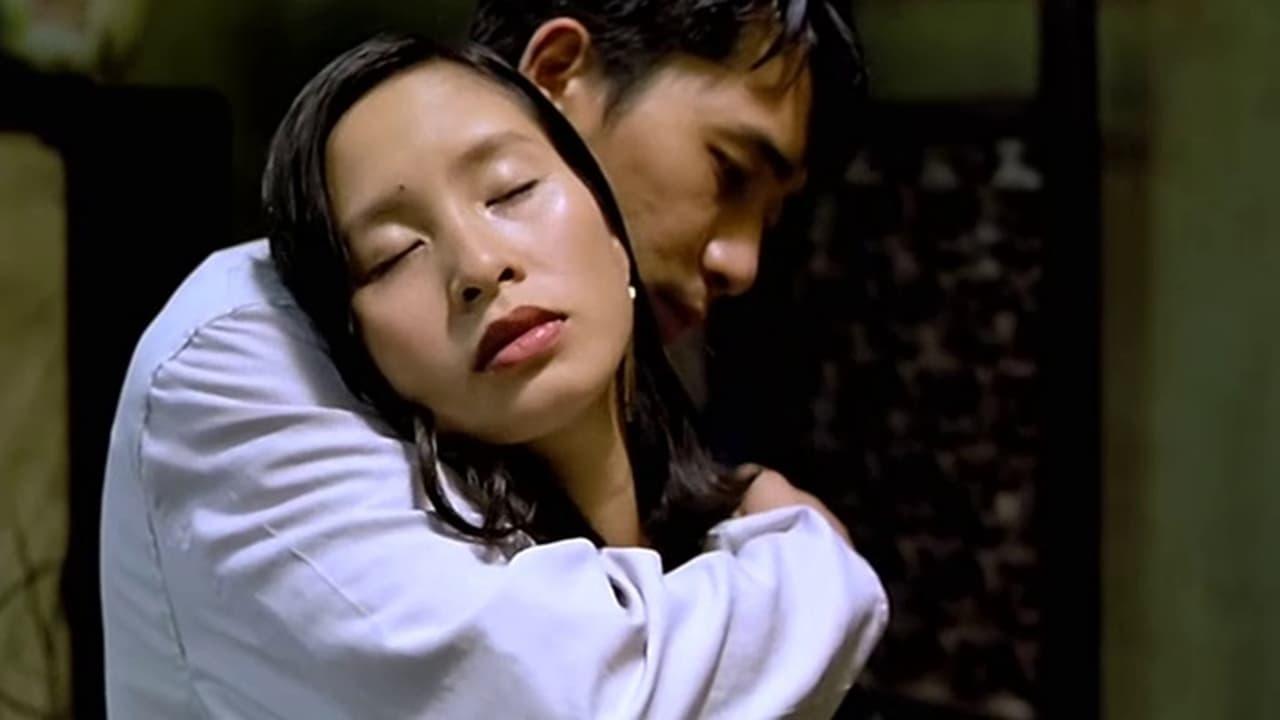
At the heart of the darkness stands the enigmatic figure known only as the Poet, played with magnetic, near-silent intensity by Hong Kong cinema legend Tony Leung Chiu-wai. Already a superstar thanks to films like Chungking Express (1994) and Hard Boiled (1992), Leung delivers a performance here that relies almost entirely on presence and subtle shifts in expression. Is he a tormented artist? A cold-blooded gangster? A pimp orchestrating the downfall of the Cyclo's sister? He is, unsettlingly, all of these things. His calm demeanor masks a deep well of potential violence, and his interactions, particularly with the Cyclo's Sister (Tran Nu Yên Khê, the director’s wife and frequent muse), are charged with a dangerous, ambiguous intimacy. Leung's character embodies the film's central tension: the capacity for sensitivity and cruelty residing side-by-side.
A Descent Shared
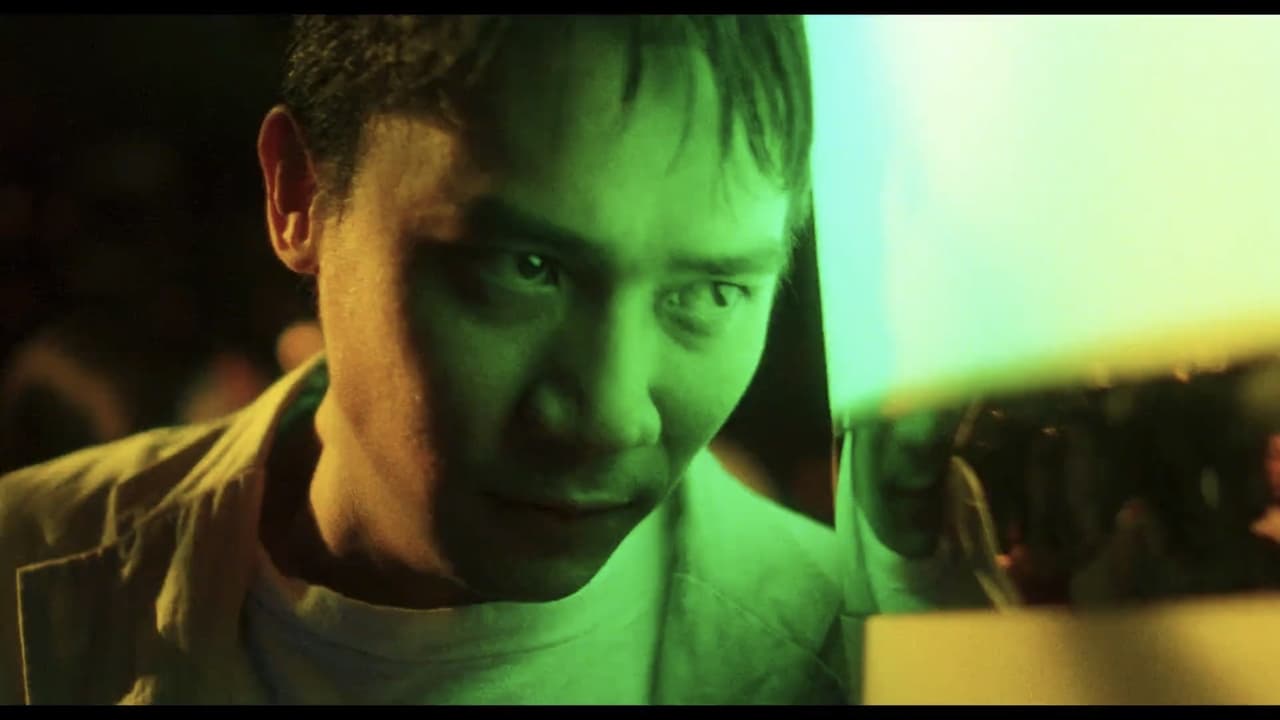

The film follows parallel descents. As the Cyclo is drawn deeper into violent servitude – transporting illicit goods, participating in brutal acts he barely comprehends – his Sister is lured by the Poet towards prostitution. Le Van Loc, reportedly a non-professional actor discovered by the director, brings a raw authenticity to the Cyclo. His face is often a mask of stunned incomprehension, his eyes reflecting the horrors unfolding around him. You feel his youth being stripped away, replaced by a hardened shell necessary for survival. Tran Nu Yên Khê is equally compelling as the Sister, her quiet dignity slowly eroded by circumstance and the Poet's corrosive influence. Their paths rarely intersect physically, yet their shared trajectory into the city’s underbelly forms the film's tragic core. Hung wanted to capture the feeling of being overwhelmed by the city itself, and through these characters, we truly feel that sensory and moral assault.
Not An Easy Ride
Let's be clear: Cyclo is not an easy watch. Its pacing is deliberate, sometimes meditative, punctuated by moments of shocking violence. It offers few easy answers and little in the way of conventional redemption. It shares thematic DNA with urban despair classics like Taxi Driver (1976) or the harrowing Brazilian film Pixote (1981), films that refuse to look away from the ways poverty and environment can corrupt innocence. Finding this on VHS back in the day, perhaps nestled in the "Foreign Films" section often relegated to a dusty corner, felt like uncovering something potent and challenging, a world away from the comfort food cinema often sought on a Friday night rental run. It demanded attention, provoked thought, and left images seared into memory long after the tape clicked off.
The meticulous location shooting in Ho Chi Minh City provides an undeniable layer of authenticity. You feel the chaos, the sheer density of life crammed into those streets. It’s a crucial element, making the city itself a character – indifferent, seductive, and ultimately consuming.
***

Rating: 8.5/10
Cyclo earns this high rating for its sheer artistic audacity, its unforgettable performances (especially Leung's mesmerizing turn), and its unflinching, visually stunning portrayal of desperation. Tran Anh Hung crafts a film that is both beautiful and brutal, a sensory immersion into a specific time and place that resonates with universal themes of survival and lost innocence. While its graphic content and deliberate pacing make it challenging, its power is undeniable. It’s a film that doesn’t fade easily.
Final Thought: What lingers most isn't just the violence, but the haunting beauty found amidst the squalor, and the aching question of what happens to the soul when survival demands its sacrifice.