Flow
Here we are again, fellow travellers through the analogue aisles of memory. Sometimes, digging through the virtual stacks for "VHS Heaven," you unearth a title that barely registers – a faint blip on the radar, a cover perhaps glimpsed once in the dusty corner of a long-gone rental store. Bogdan Ziółkowski's 1996 Polish film, Flow (original title: Przepływ), feels exactly like one of those enigmatic finds. It’s the kind of tape you might have rented purely out of curiosity, drawn by a vaguely unsettling cover art or a title hinting at something deeper, more fluid, than the usual blockbuster fare.
Into the Current
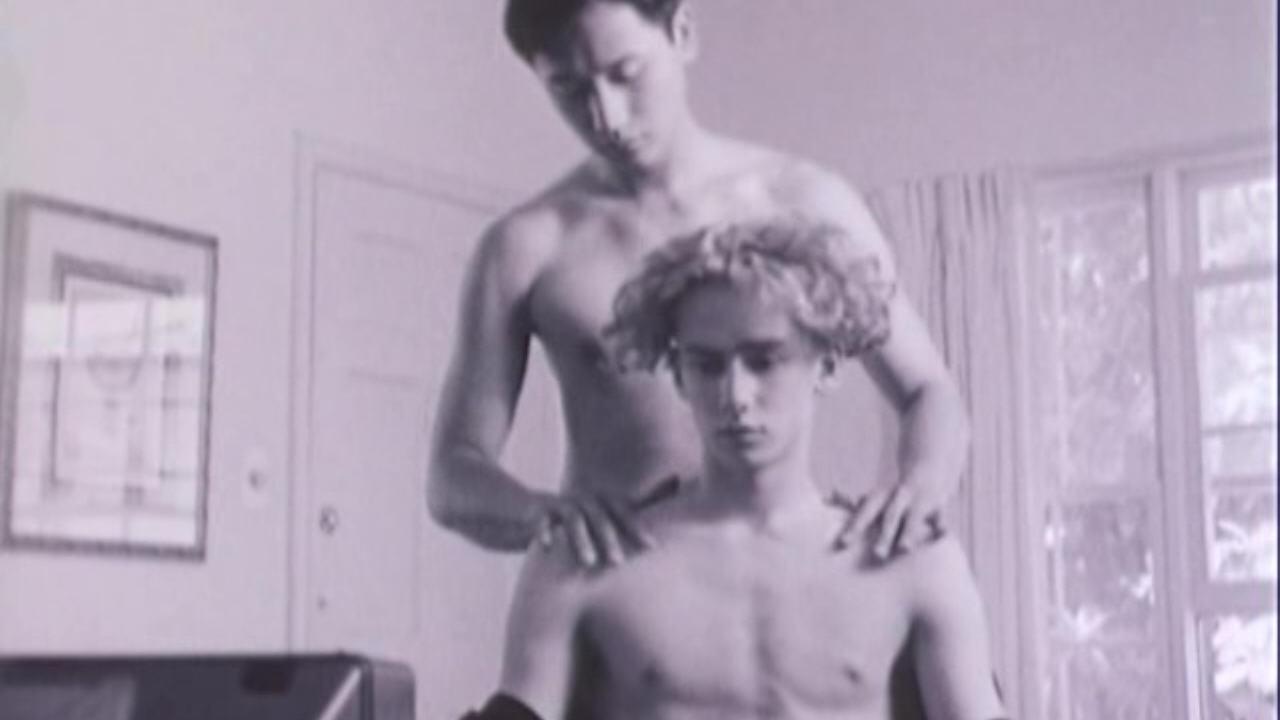
From the outset, Flow doesn't offer easy currents to follow. It plunges the viewer into what feels like the fractured consciousness of its protagonist, portrayed by Sławomir Federowicz. We gather he’s a man adrift, possibly grappling with a mid-life crisis, professional stagnation, or a profound existential unease. The narrative, much like the title suggests, refuses a linear path. Instead, it seems to ebb and flow between moments of stark reality – interactions with his wife (played with quiet intensity by Maria Gładkowska) or enigmatic encounters with figures like the one embodied by Piotr Kozłowski – and sequences that feel dredged from dream, memory, or hallucination. This isn't a film that holds your hand; it invites you to surrender to its often disorienting rhythm. Doesn’t that ambiguity itself echo the uncertainties that ripple beneath the surface of our own lives?
The Atmosphere of Ambiguity
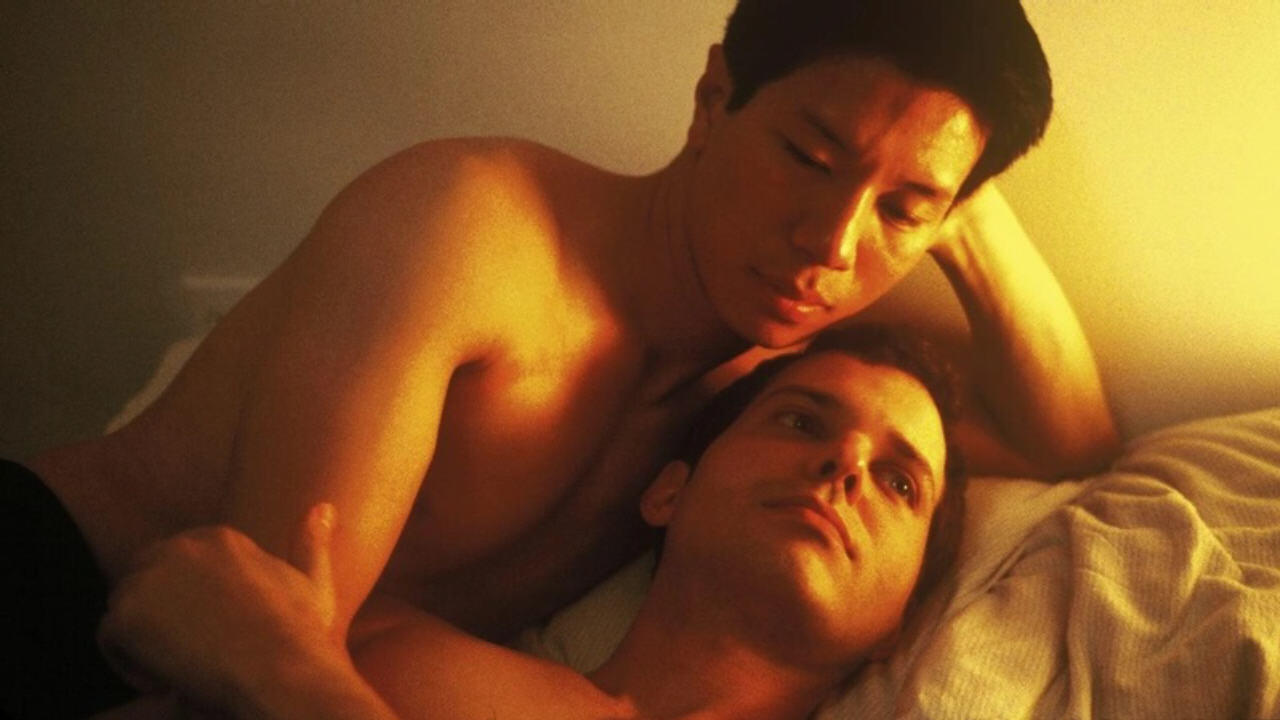
What lingers most powerfully from Flow isn't a specific plot point, but its pervasive atmosphere. Ziółkowski crafts a mood thick with introspection and a quiet sense of dread. The visual language seems geared towards internal states – lingering shots, spaces that feel both familiar and alienating, a colour palette that perhaps mirrors the protagonist's psychological landscape. It’s the kind of filmmaking that relies less on explicit action and more on suggestion, asking the viewer to piece together meaning from fragments. This approach, particularly for a mid-90s film finding its way onto VHS shelves alongside more conventional thrillers and dramas, marks it as something distinctively European, perhaps reflecting a Polish cinematic landscape still exploring new freedoms of expression, turning inwards to map the complexities of the individual psyche after decades focused on broader societal struggles.
Carrying the Weight
In a film seemingly so reliant on internal states, the burden on the actors is immense. While detailed accounts of their process are as elusive as the film itself, one can appreciate the challenge faced by Sławomir Federowicz. His performance needed to convey a universe of turmoil often without the benefit of extensive dialogue, relying on physicality, expression, and presence to communicate the character's unraveling. Maria Gładkowska, too, likely had the difficult task of reacting to a partner receding into himself, embodying the confusion and perhaps pain of witnessing that withdrawal. Piotr Kozłowski's role, often described as enigmatic, suggests a performance meant to unsettle, to represent an external manifestation of the protagonist's inner chaos or temptations. It's the kind of acting that aims for psychological truth over demonstrative emoting, a style that can feel incredibly potent when it connects.
The Allure of the Unknown Tape
Finding detailed "Retro Fun Facts" about Flow is, frankly, a challenge befitting its obscure nature. This wasn't a Hollywood production with easily accessible press kits and behind-the-scenes documentaries. Information regarding its budget, specific shooting locations beyond Poland, or even widespread international distribution seems scarce. Was it a passion project for Bogdan Ziółkowski, who both wrote and directed? Almost certainly. Did it face the typical constraints of independent filmmaking in mid-90s Eastern Europe? Likely. But perhaps this lack of surrounding information adds to its mystique. Unlike a film whose every production anecdote is known, Flow retains a certain purity. It exists primarily as the images and feelings it imparts, unburdened by trivia. Its obscurity becomes part of its identity, a true deep cut for the dedicated VHS hunter seeking something genuinely off the beaten path. This 1996 Polish psychological drama VHS find is a reminder that countless cinematic visions existed beyond the mainstream glare.
Surrendering to the Stream
Flow is undeniably challenging cinema. It demands patience and a willingness to engage with ambiguity. It won't satisfy viewers looking for clear resolutions or straightforward storytelling. Its power lies in its mood, its commitment to exploring a fractured psyche, and its refusal of easy answers. It’s a film that might leave you feeling unsettled, pondering its meaning long after the credits (or the static hiss of the tape ending) concludes. What does it truly mean to lose one's grip on the perceived flow of reality? The film doesn't dictate the answer, but forces us to consider the question.
Rating: 6/10
Justification: This rating reflects Flow's status as a niche, atmospheric piece of arthouse cinema rather than a broadly entertaining film. Its strength lies in its commitment to a challenging psychological exploration and its evocative mood. However, its deliberate ambiguity and obscurity inevitably limit its accessibility and rewatchability for a wider audience. It earns points for its artistic ambition and the potential resonance for viewers receptive to its introspective, unsettling style, but its pacing and lack of narrative clarity might frustrate others. It’s a commendable effort within its specific goals, a true artefact of its time and place.
Final Thought: Discovering a film like Flow on a forgotten tape embodies the quiet magic of the VHS era – the potential for stumbling upon something utterly unexpected, something that doesn’t shout for attention but whispers anxieties and questions, lingering in the mind like a half-remembered dream. It's a testament to the sheer diversity of stories committed to magnetic tape, waiting in the quiet dark for the curious viewer.