There's a certain quiet that settles over you after watching Lynne Stopkewich's Kissed. It’s not the silence of emptiness, but the heavy quiet of contemplation, the kind that follows a profound, if unsettling, revelation. Released in 1996, this Canadian indie gem wasn't screaming for attention amidst the louder cinematic voices of the era. Instead, it whispered, drawing you into a world both intimately familiar in its portrayal of human longing and profoundly alien in its central subject: necrophilia. It’s a film that dares you to look, not with judgment, but with a strange, empathetic curiosity.
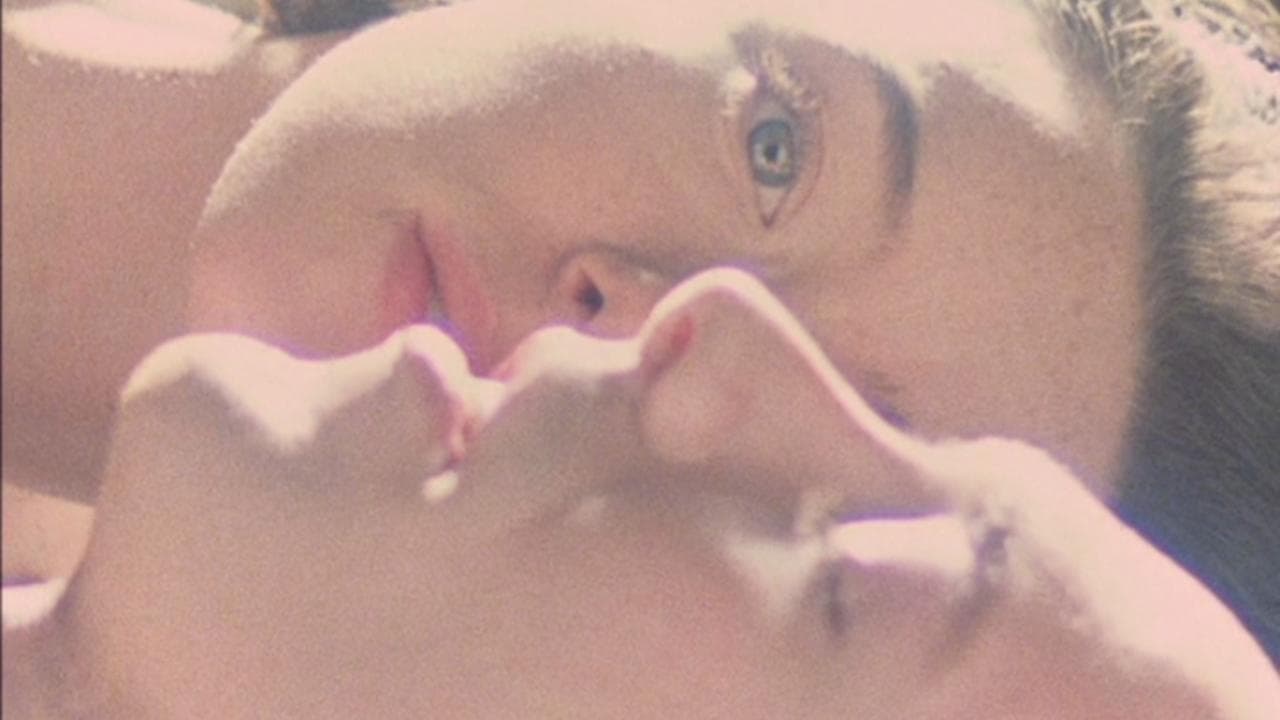
An Unconventional Awakening
Kissed traces the life of Sandra Larson, played with astonishing bravery and nuance by Molly Parker in what remains a defining role. From a morbidly curious childhood fascination with dead animals, Sandra’s path leads her, almost inevitably, to work in a funeral home. It's here, amidst the hushed preparations and the stillness of the deceased, that her unique path to intimacy unfolds. The film, adapted by Stopkewich from Barbara Gowdy's short story "We So Seldom Look on Love," approaches this potentially lurid material with remarkable restraint and sensitivity. It bypasses sensationalism entirely, focusing instead on Sandra’s internal landscape, her profound sense of isolation, and her unconventional means of finding connection.
The Gentle Gaze of the Camera
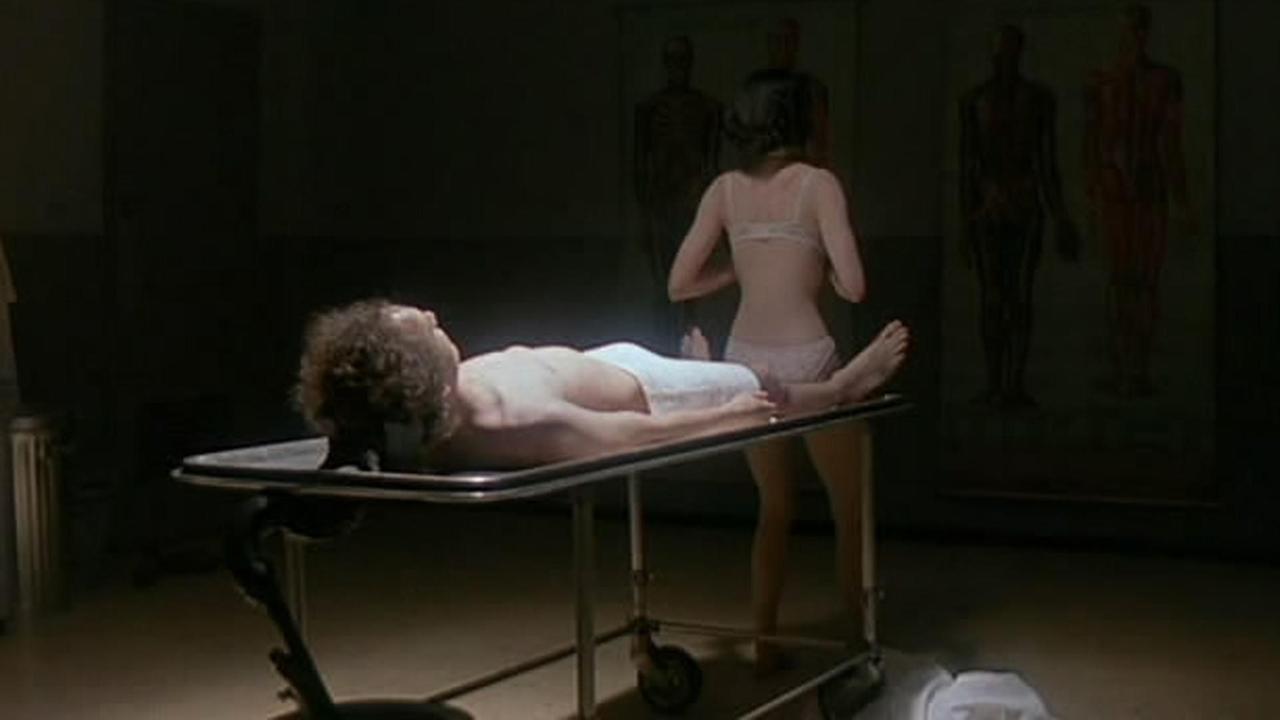
Director Lynne Stopkewich, making her feature debut, crafts a film that feels ethereal, almost dreamlike. The visuals often favor soft focus, muted colors, and claustrophobic interiors, mirroring Sandra's own contained world. There’s a deliberate tenderness in how the camera observes Sandra, particularly in the scenes depicting her interactions with the deceased. Stopkewich never exploits; she explores. The film poses difficult questions: can intimacy exist beyond the conventional bounds of life? What drives a person to seek solace in the company of the irrevocably departed? It’s a testament to the direction that these questions feel like genuine inquiries rather than provocations. The low budget (around $1.8 million CAD) likely contributed to this intimate feel, forcing a focus on character and atmosphere over spectacle – a constraint that ultimately became a strength.
Molly Parker's Transcendent Performance
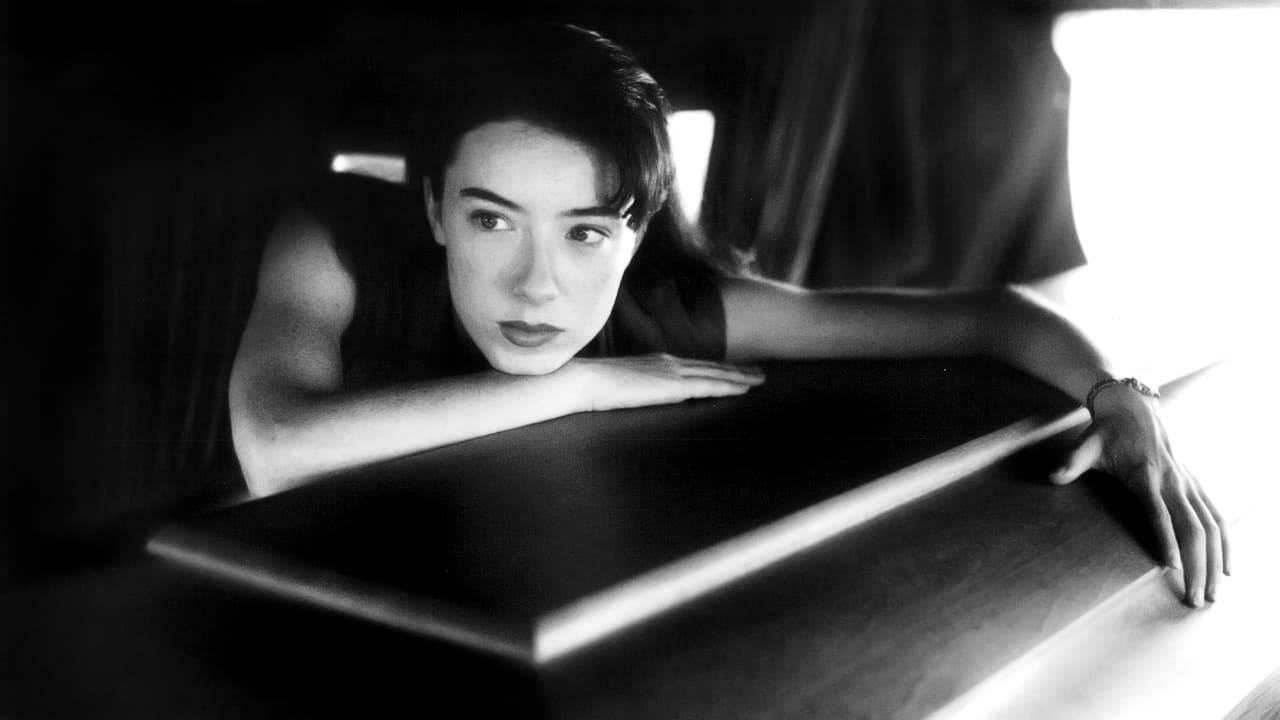
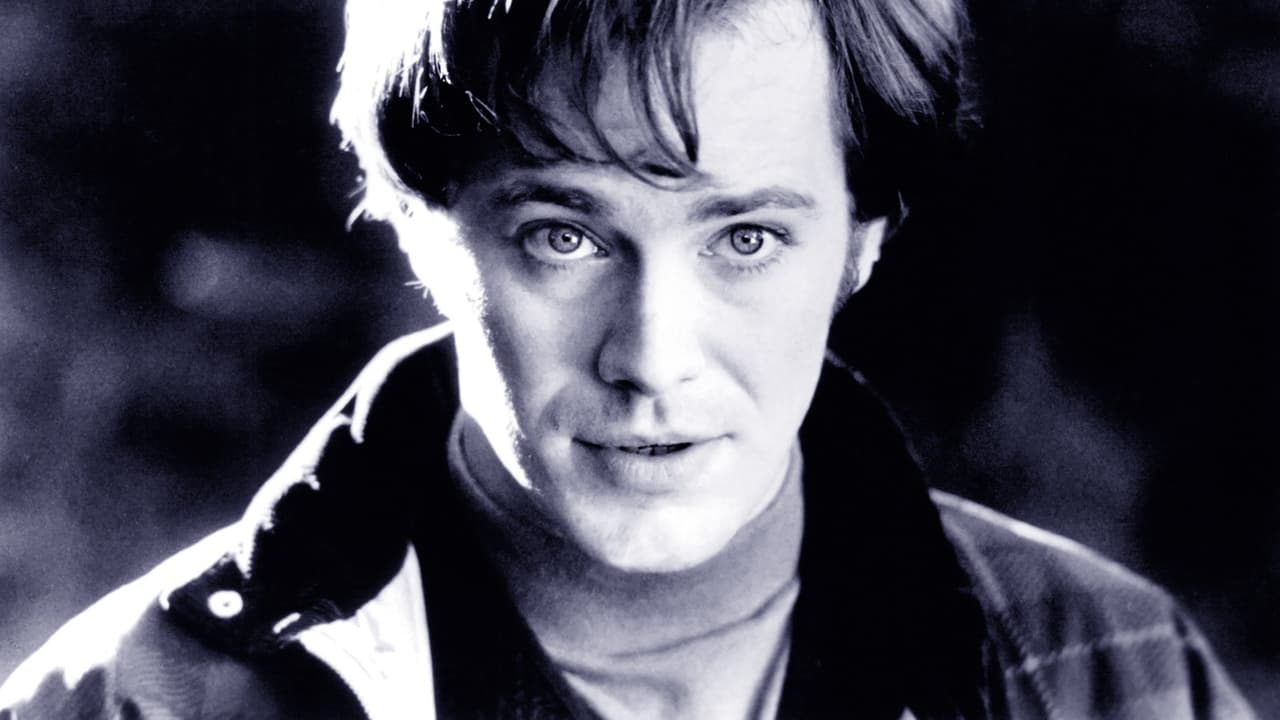
It’s impossible to discuss Kissed without focusing on Molly Parker. Her portrayal of Sandra is simply extraordinary. It’s a performance built on subtle shifts in expression, quiet gestures, and a profound vulnerability that radiates from the screen. Parker embodies Sandra not as a monster or a deviant, but as a deeply lonely soul searching for a connection she can’t find among the living. There’s a purity, almost an innocence, to her actions within the context of her own psyche, and Parker conveys this without a hint of melodrama. She makes you feel Sandra’s isolation, her quiet moments of perceived communion. It’s a performance that required immense courage and trust, and it launched Parker's career deservedly. Opposite her, Peter Outerbridge as Matt, a living medical student who becomes infatuated with Sandra, provides a necessary counterpoint – representing the world of conventional relationships and desires that Sandra struggles to navigate. His character highlights the chasm between Sandra's private world and the expectations of the society around her.
Echoes in the Quiet
Finding Kissed on a video store shelf back in the day felt like uncovering a secret. Its often stark cover art hinted at something unusual, perhaps filed away in the ‘Independent’ or ‘World Cinema’ section, far from the action blockbusters. Watching it then, as now, felt like stepping outside the mainstream. This wasn't a film designed for easy consumption; it demanded patience and empathy. It was part of a wave of 90s independent filmmaking that tackled challenging subjects head-on, often prioritizing psychological depth over narrative convention. Despite its controversial theme, Kissed garnered significant critical acclaim, particularly after screening at Cannes Directors' Fortnight, and picked up several Genie Awards in Canada, including Best Actress for Parker. It proved that difficult subjects could be handled with artistic integrity and emotional resonance.
Final Reflections
Kissed is undeniably a challenging film, and its subject matter will understandably be a barrier for some viewers. Yet, its power lies not in shock value, but in its quiet insistence on exploring the fringes of human experience with empathy. It asks us to consider the myriad ways individuals seek connection and confront their own mortality. Does Sandra’s journey repel, or does it evoke a strange Pity? What lingers most is the haunting portrayal of profound loneliness and the lengths one might go to alleviate it.
Rating: 8/10
This score reflects the film's artistic bravery, Lynne Stopkewich’s remarkably sensitive direction for a debut feature, and, above all, Molly Parker’s luminous and unforgettable performance. While the subject matter is inherently difficult and limits its broad appeal, the execution is masterful, creating a film that is both deeply unsettling and surprisingly moving. It’s a quiet film that leaves a loud echo in the mind, a true standout of 90s Canadian independent cinema that deserves to be remembered and discussed. What does it truly mean to connect with another soul, living or otherwise? Kissed offers no easy answers, only a hauntingly beautiful exploration of the question.