Last Dance
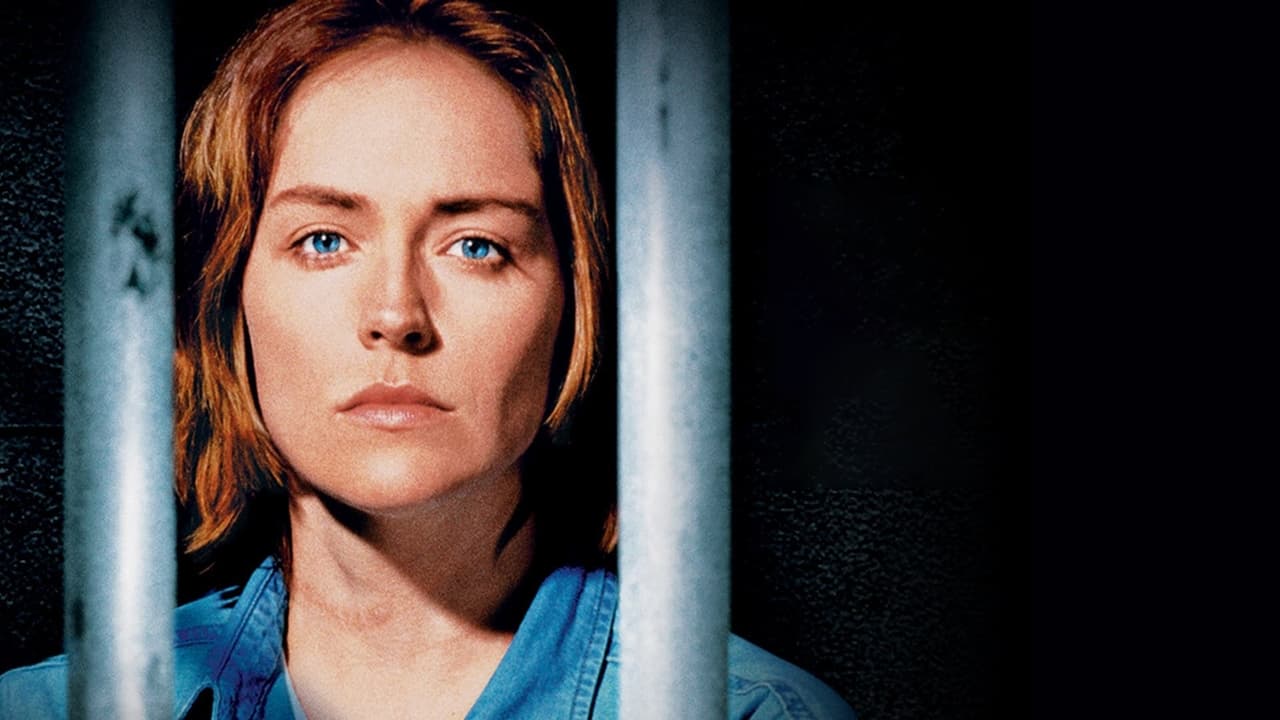
The stark reality of death row casts a long, cold shadow, doesn't it? It's a subject cinema has returned to, forcing us to confront uncomfortable questions about justice, humanity, and the possibility of redemption. Stepping into this heavy territory in 1996 was Bruce Beresford’s Last Dance, a film arriving with the considerable star power of Sharon Stone, then arguably at the peak of her global fame following 1992's Basic Instinct and 1995's Casino. I remember seeing the VHS box on the rental store shelf, Stone’s familiar face looking out, promising... well, what exactly? It certainly wasn't the glossy thrillers she was known for. This felt different, weightier.
Under a Shadow
It's impossible to talk about Last Dance without acknowledging the elephant in the room, or rather, the critically lauded masterpiece that had arrived just months earlier: Tim Robbins' Dead Man Walking (1995). That film, anchored by an Oscar-winning performance from Susan Sarandon and a career-defining turn by Sean Penn, set an incredibly high bar for death row dramas. Last Dance, dealing with similar themes – a convicted murderer facing execution and the efforts of someone from the outside to intervene – inevitably drew comparisons, and frankly, often suffered for it. Where Dead Man Walking felt raw, nuanced, and profoundly challenging, Last Dance sometimes felt... safer, perhaps a touch more conventional in its narrative beats. The film reportedly cost around $22 million but struggled significantly at the box office, pulling in just under $6 million domestically – a stark contrast to its predecessor's success.
A Bid for Serious Acclaim
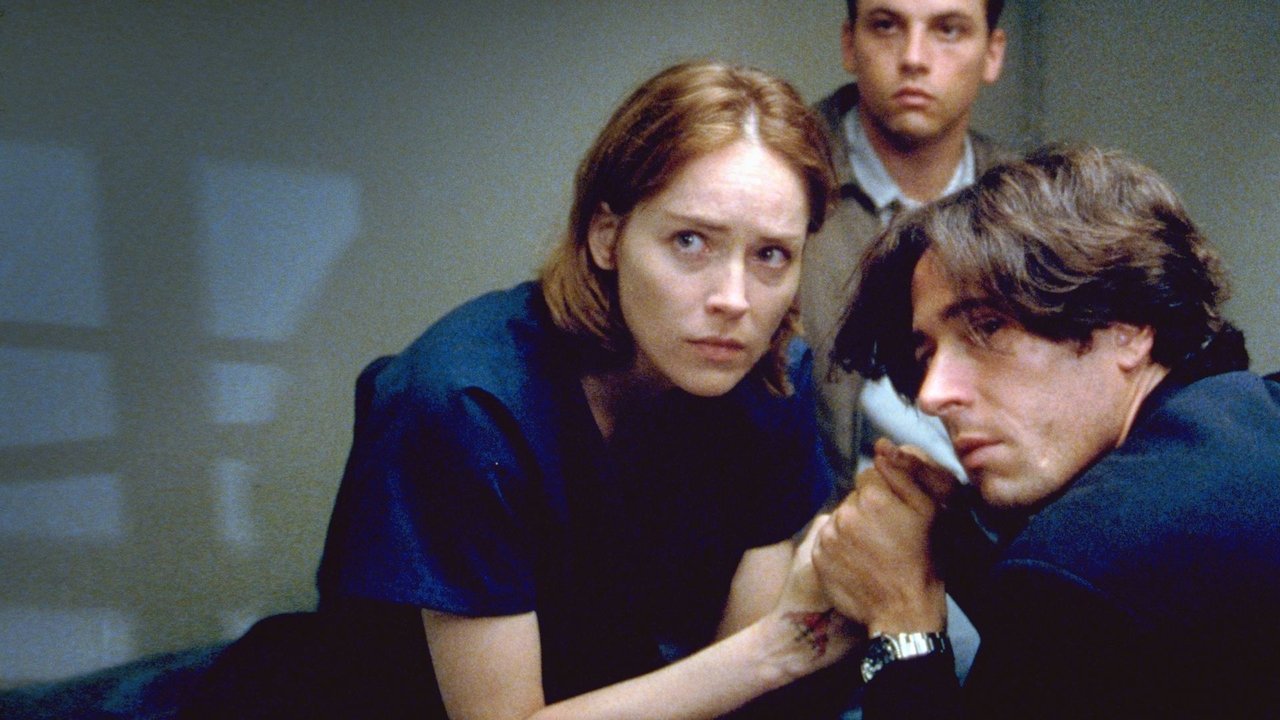
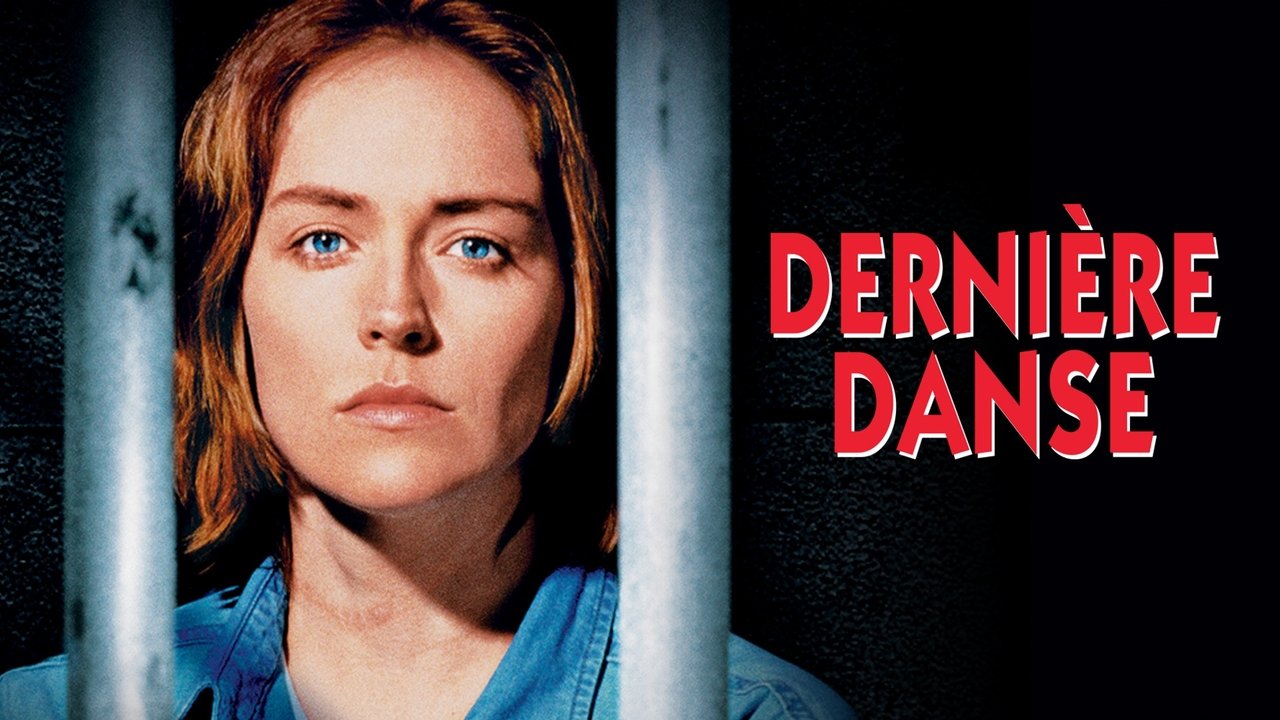
The story follows Cindy Liggett (Sharon Stone), a woman convicted of a brutal double murder twelve years prior, now facing her imminent execution date. Into her life comes Rick Hayes (Rob Morrow, familiar to many from TV's Northern Exposure), a young, initially unprepared lawyer from the clemency board assigned to review her case. Hayes, hailing from a privileged background thanks to his politically connected brother (Randy Quaid), finds himself drawn into the complexities of Cindy’s past and the ambiguities surrounding her conviction, questioning the fairness of her sentence and the system itself.
The clear intention here was for Sharon Stone to stretch her dramatic wings, to shed the femme fatale image and prove her versatility. It was a brave move, stepping into a role stripped of glamour, demanding vulnerability and grit. Stone certainly commits; she adopts a hardened exterior, a Southern accent (of varying consistency), and portrays Cindy’s simmering rage and deep-seated regrets with palpable effort. There are moments where her anguish feels genuine, particularly in the quieter scenes where the mask slips, revealing the terrified person beneath the tough facade. You see the desire to connect, to be understood, warring with years of institutional defensiveness. Did she entirely escape the shadow of Catherine Tramell? Perhaps not fully in the eyes of audiences or critics at the time, but it’s undeniably a performance driven by earnest ambition. It's said Stone spent time researching on death row, speaking with female inmates to inform her portrayal, a detail that underscores her commitment to grounding the character.
Wrestling with Heavy Themes
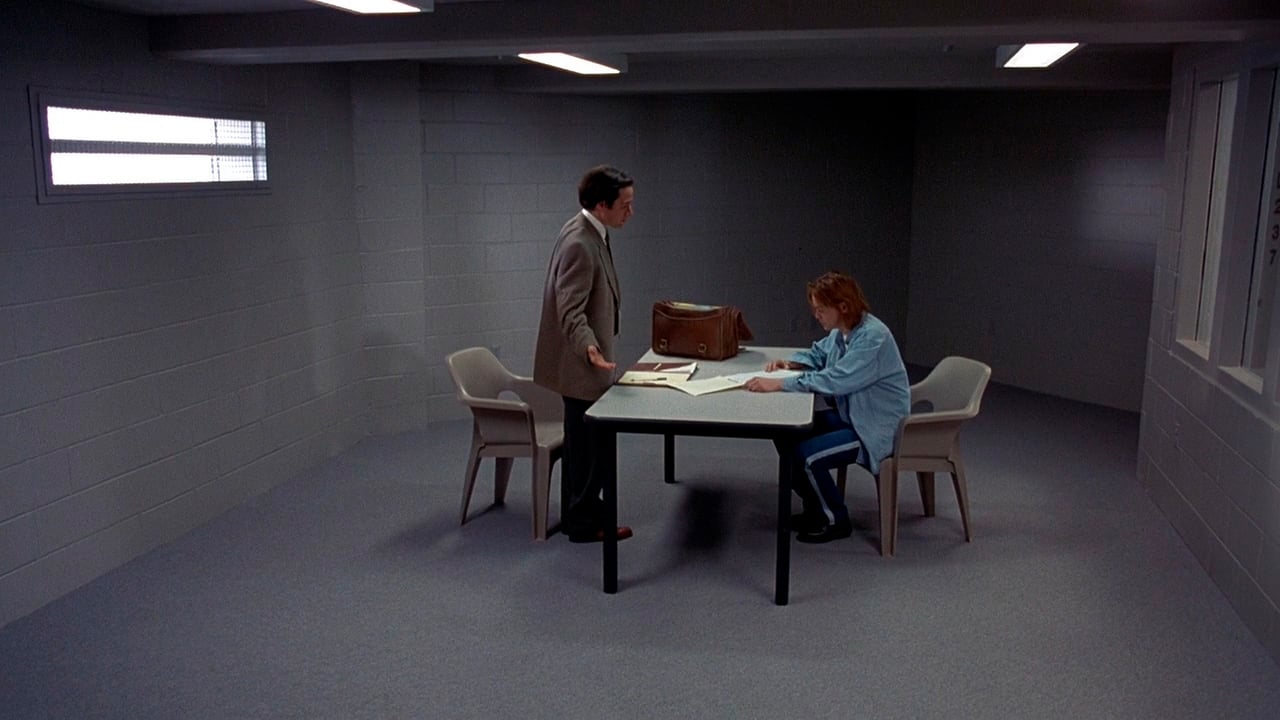
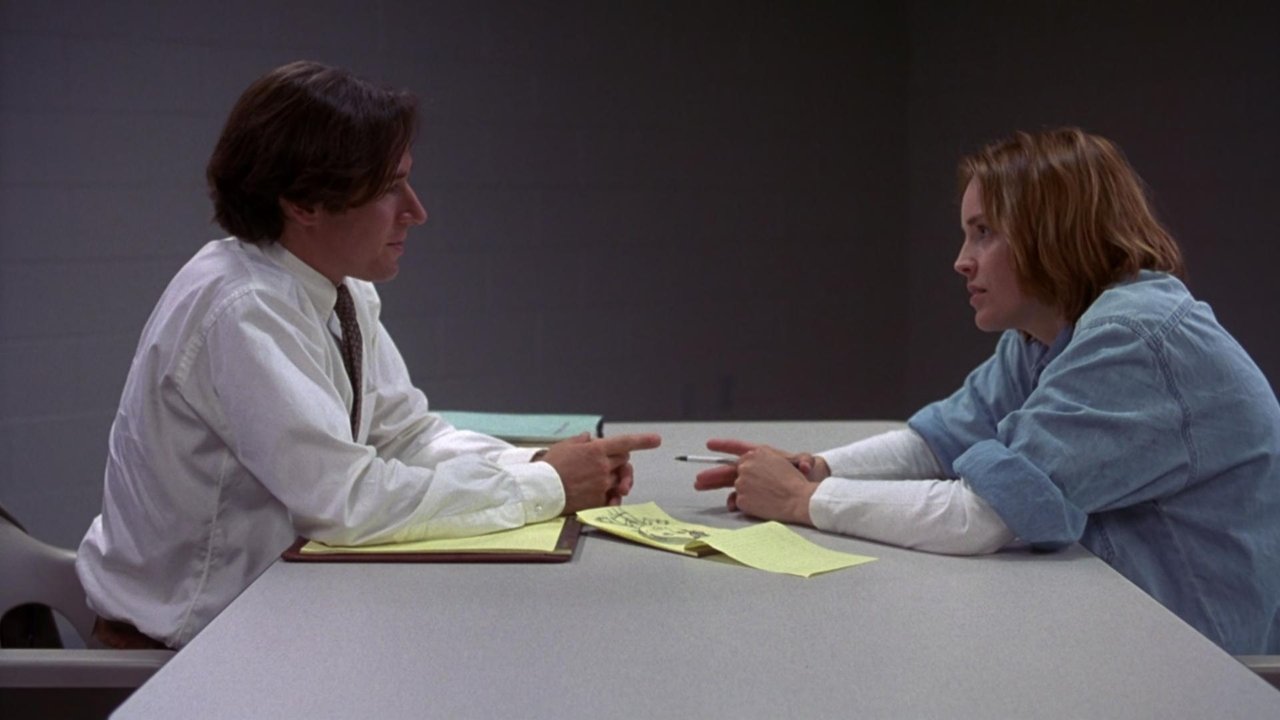
Bruce Beresford, who skillfully guided Driving Miss Daisy (1989) to Oscar glory, brings a certain sensitivity and classical approach to the direction. The film doesn’t shy away from the grim realities of prison life or the mechanics of state-sanctioned death, but it frames them within a more traditional dramatic structure. The atmosphere is appropriately somber, focusing on the emotional toll on both Cindy and Rick. Rob Morrow provides a solid counterpoint as the initially naive lawyer whose worldview is irrevocably altered. His journey from detached functionary to impassioned advocate forms the film's emotional core, exploring how proximity to such profound stakes can change a person.
However, the script, penned by Ron Koslow (creator of TV's Beauty and the Beast) sometimes leans into familiar tropes. The burgeoning, albeit complex, connection between inmate and lawyer feels somewhat predictable, and the exploration of the legal arguments for clemency occasionally lacks the intricate depth seen in Dead Man Walking. It raises important questions about the fallibility of the justice system and the potential for rehabilitation, but doesn't always delve into the moral ambiguities with the same piercing insight. What does it truly mean to seek forgiveness when facing the ultimate penalty? The film touches on this, but perhaps doesn't linger long enough in the uncomfortable spaces.
A Forgotten VHS Shelf Neighbor
Watching Last Dance again after all these years, pulled from the metaphorical shelf of memory rather than a dusty Blockbuster, evokes a specific kind of 90s cinematic feeling. It represents a time when major studios still invested in star-driven, mid-budget dramas aimed at adults, even if they didn’t always hit the mark commercially or critically. It sits somewhere between a genuine attempt at thoughtful filmmaking and a slightly formulaic issue picture. There’s an undeniable sincerity to it, particularly in Stone's dedicated performance and Beresford's steady hand. It doesn’t quite achieve the raw power of its obvious contemporary, but dismissing it entirely feels unfair. It functions as a compelling character study, anchored by an actress determined to be seen differently.
Maybe its greatest legacy is as a fascinating artifact of Sharon Stone's career trajectory and the kind of challenging, adult-oriented stories that seemed more commonplace on studio slates back then. Remember finding these dramas nestled amongst the action and comedy tapes? They offered a different kind of viewing experience, sometimes leaving you quiet and thoughtful long after the VCR clicked off.
Rating: 6/10
This score reflects a film with honorable intentions and a committed central performance that ultimately struggles to escape the shadow of a superior contemporary and a somewhat conventional script. Sharon Stone gives it her all in a demanding role, and Bruce Beresford directs with competence, creating moments of genuine pathos. However, the unavoidable comparisons to Dead Man Walking highlight its shortcomings in depth and nuance, and its box office failure speaks to its struggle to connect with audiences at the time. It remains a worthwhile watch, particularly for Stone completists or those interested in 90s dramas tackling difficult subjects, but it falls short of being truly essential.
It leaves you pondering not just the weighty themes it presents, but also the unpredictable paths of stardom and the films that become footnotes rather than headlines in cinematic history.