Ponette
It starts with a gaze, doesn't it? A look so direct, so unblinking from the face of a four-year-old, that it feels less like watching a performance and more like witnessing something profoundly real, almost unbearably intimate. That’s the immediate, lingering power of Ponette (1996), a film that arrived like a quiet thunderclap amidst the louder cinematic booms of the mid-90s. Finding this one on a rental shelf, perhaps tucked away in the foreign film section, felt different – the simple cover art hinting at a seriousness far removed from the usual weekend fare. It promised something demanding, and it delivered.

Confronting the Unthinkable
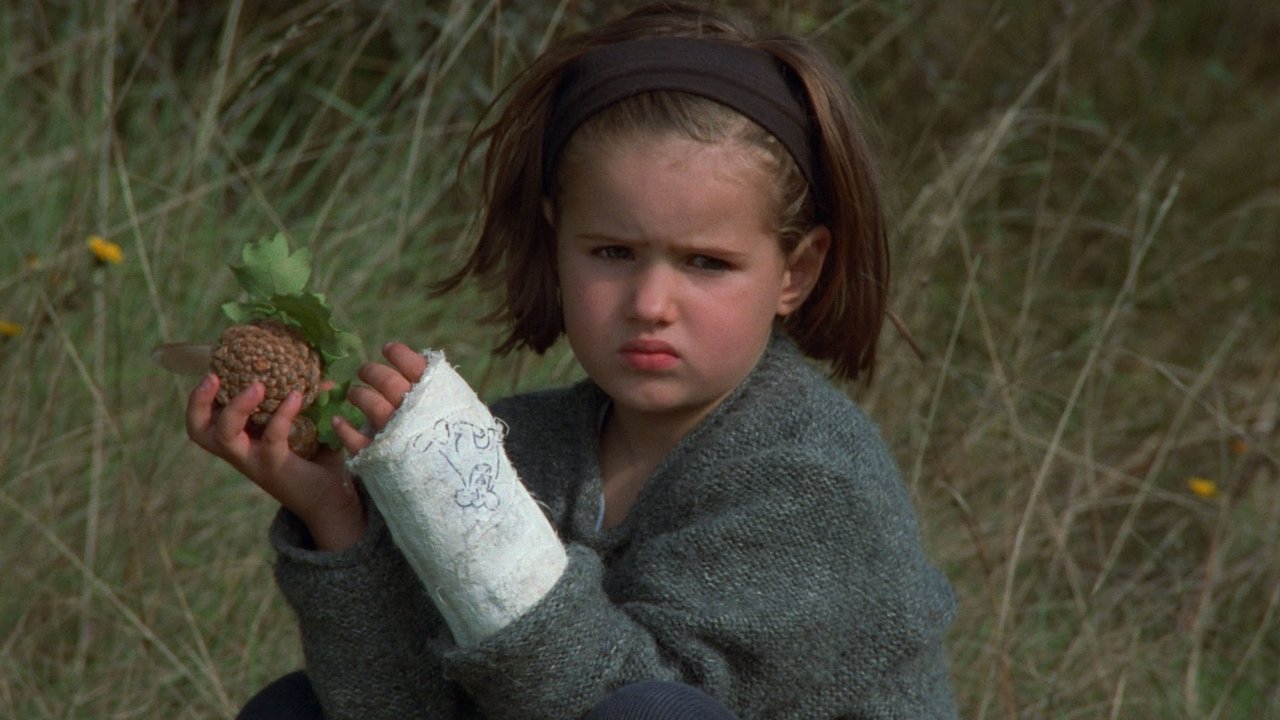
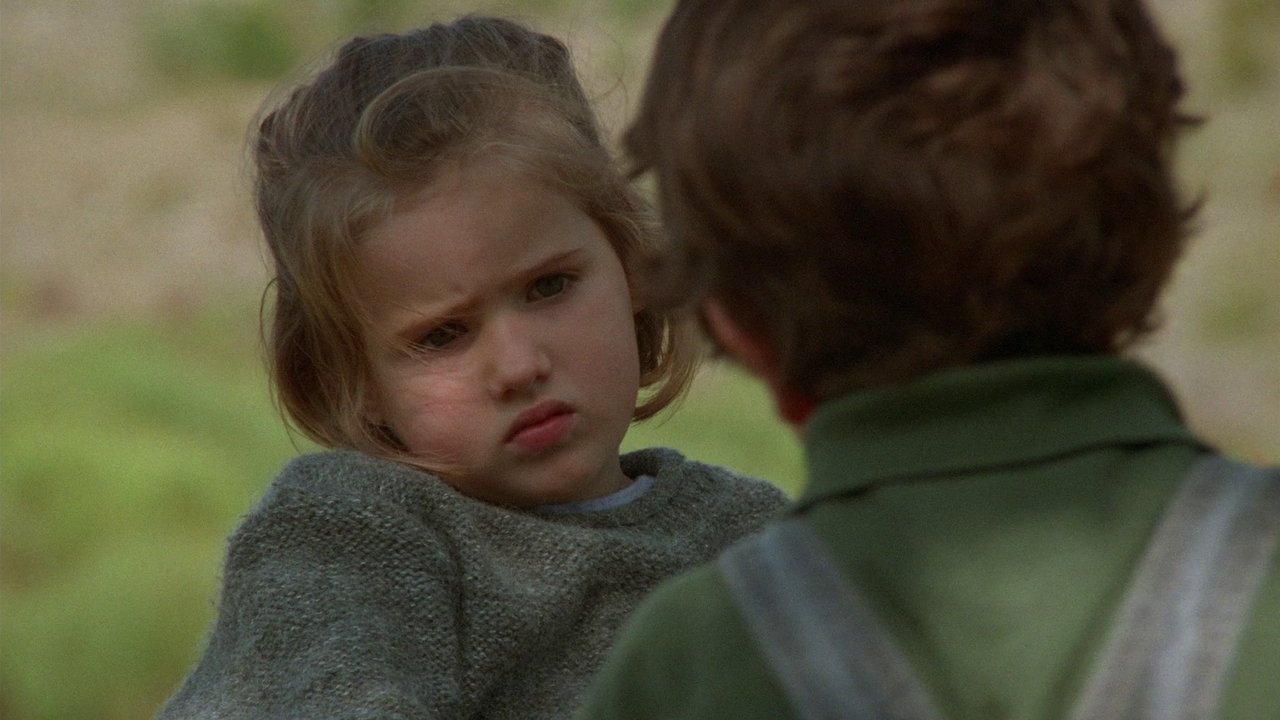
At its heart, Jacques Doillon’s film tackles a subject many narratives skirt around or soften: the raw, bewildering grief of a very young child. Ponette (Victoire Thivisol) has lost her mother (played with aching absence by Marie Trintignant) in a car accident, an event that also leaves Ponette herself with a broken arm. Sent to stay with her aunt and cousins in the countryside, she is adrift in a world suddenly incomprehensible. The adults around her – her stoic father (Xavier Beauvois), her well-meaning aunt, the figures of faith she encounters – offer explanations steeped in religion, metaphor, or hushed euphemisms. But for Ponette, these abstractions offer little solace. How can someone simply be "with God" when they were just here?
Doillon, who also penned the script, refuses to look away from the messy, confusing reality of Ponette's experience. There are no easy Hollywood epiphanies here. Instead, we witness the strange logic of a child trying to process the impossible: bartering with God, searching for magical solutions, clinging to the hope that her mother might simply return if she waits hard enough, or says the right prayer, or performs the right ritual. It's a portrayal of childhood magical thinking born not of whimsy, but of desperate necessity.
Through a Child's Eyes, Unflinchingly
The film's brilliance lies significantly in its perspective. Doillon employs a patient, observational style. The camera often stays low, framing the world as Ponette sees it – a realm dominated by adult legs, looming furniture, and the inscrutable expressions of giants who seem to hold all the answers but dole them out in confusing riddles. There’s a naturalism here that feels almost documentary-like at times, enhanced by the unadorned French countryside settings. The pacing is deliberate, mirroring the slow, repetitive cycles of grief and a child's attempts to make sense of a fractured reality. We spend time simply watching Ponette play, talk to herself, interact haltingly with her cousins – mundane moments imbued with profound weight.
A Performance for the Ages (and the Debates It Sparked)
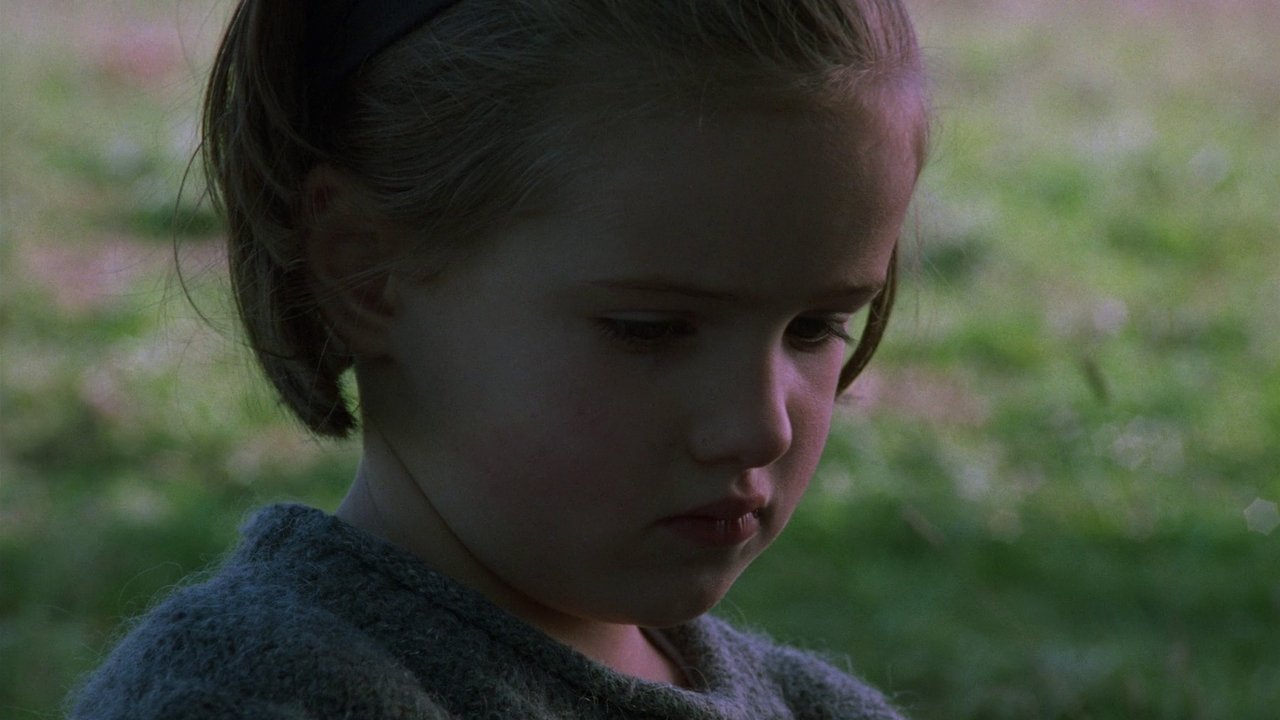
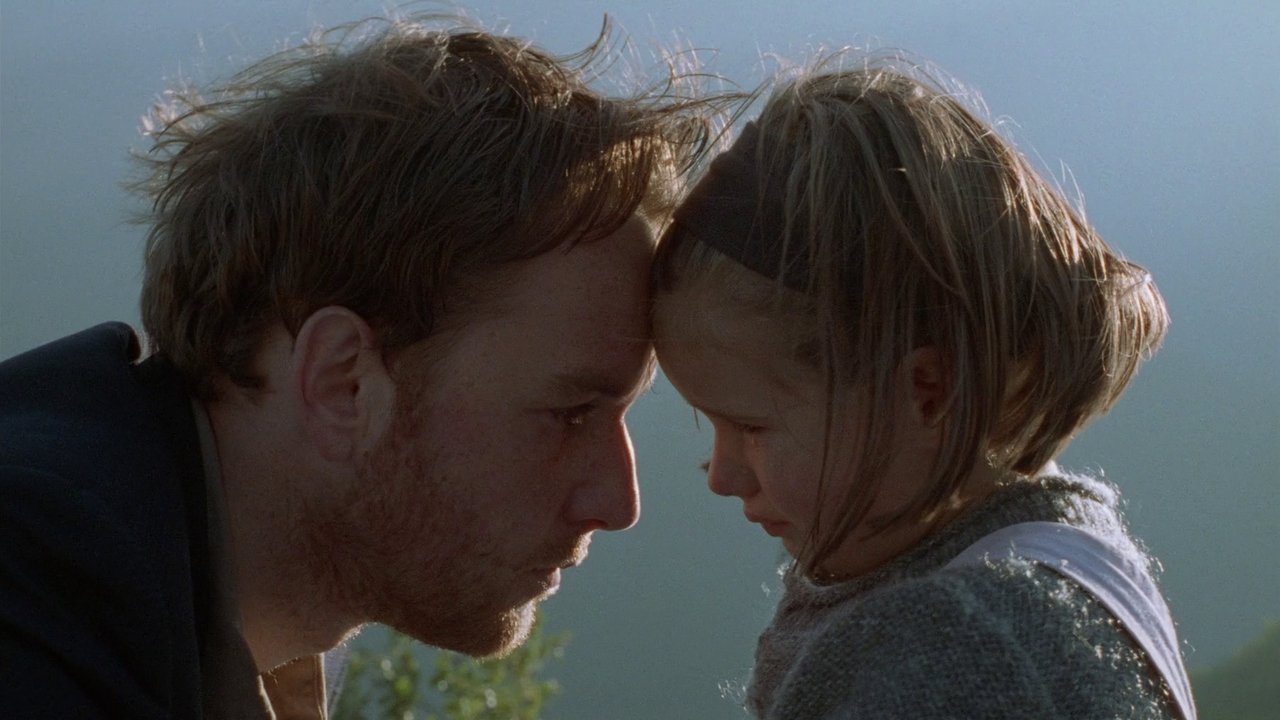
And then there is Victoire Thivisol. Her portrayal of Ponette is simply astonishing, transcending acting into something elemental. It's a performance devoid of the usual precociousness or sentimentality often found in child roles. Thivisol embodies Ponette’s confusion, her stubbornness, her moments of terrifying despair, and her flickering hope with an authenticity that is staggering. You forget you are watching a constructed narrative; you feel you are witnessing a soul in turmoil.
This incredible performance led to Thivisol winning the Volpi Cup for Best Actress at the Venice Film Festival in 1996, making her the youngest recipient ever at age four (a record later broken). However, this accolade wasn't without controversy. Whispers arose about Jacques Doillon's directorial methods – how could such raw emotion be elicited from someone so young without potentially causing distress? Doillon maintained he worked closely with Thivisol, using games and repetitive direction, ensuring her well-being. Reportedly, Doillon drew inspiration for the dialogue and scenarios partly from conversations with his own young daughter, Lou Doillon (though she was not cast), aiming for authentic childhood logic. The debate highlights a perennial question in cinema: where is the line between capturing truth and protecting the vulnerable, especially child actors tasked with portraying deep trauma? Regardless of the methods, the result on screen is undeniably powerful and unique in cinematic history. The film itself wasn't a massive box office hit, naturally, but its critical impact, largely due to Thivisol, was significant, proving that challenging, small-scale dramas could still resonate internationally.
The Lingering Resonance
Ponette isn't an easy watch. It doesn't offer catharsis in the traditional sense. It forces the viewer to sit with discomfort, to witness a pain that feels intensely private. Yet, its power lies in this very refusal to simplify or soothe. It honours the complexity of grief, especially the unique, often isolating way children experience loss. Does it fully answer the questions it raises about faith, loss, and understanding? Perhaps not, but its unflinching gaze forces us to confront them anew. Watching it again now, decades after first encountering it on that worn VHS tape, its impact hasn't diminished. If anything, the questions it poses about how we communicate life's hardest truths to the very young feel even more relevant.
Rating: 9/10
This near-perfect score reflects the film's courageous subject matter, Jacques Doillon's sensitive direction, and, above all, Victoire Thivisol's shattering performance. It’s a demanding film, certainly not casual viewing, and the ethical questions surrounding its creation linger. However, its profound emotional honesty and unique perspective make it an essential, albeit challenging, piece of 90s cinema – a quiet masterpiece that stays with you long after the credits roll.
It leaves you wondering: how much of childhood's resilience is innate strength, and how much is a form of magical thinking we eventually, perhaps tragically, outgrow?
You Might Also Enjoy
Daughters of the Dust
1991
Fried Green Tomatoes
1991
Little Man Tate
1991
Once Around
1991
Paradise
1991
Pushing Hands
1991
Regarding Henry
1991
Rhapsody in August
1991
The Indian Runner
1991
Wild Hearts Can't Be Broken
1991
A River Runs Through It
1992
American Heart
1992
House of Angels
1992
Lorenzo's Oil
1992